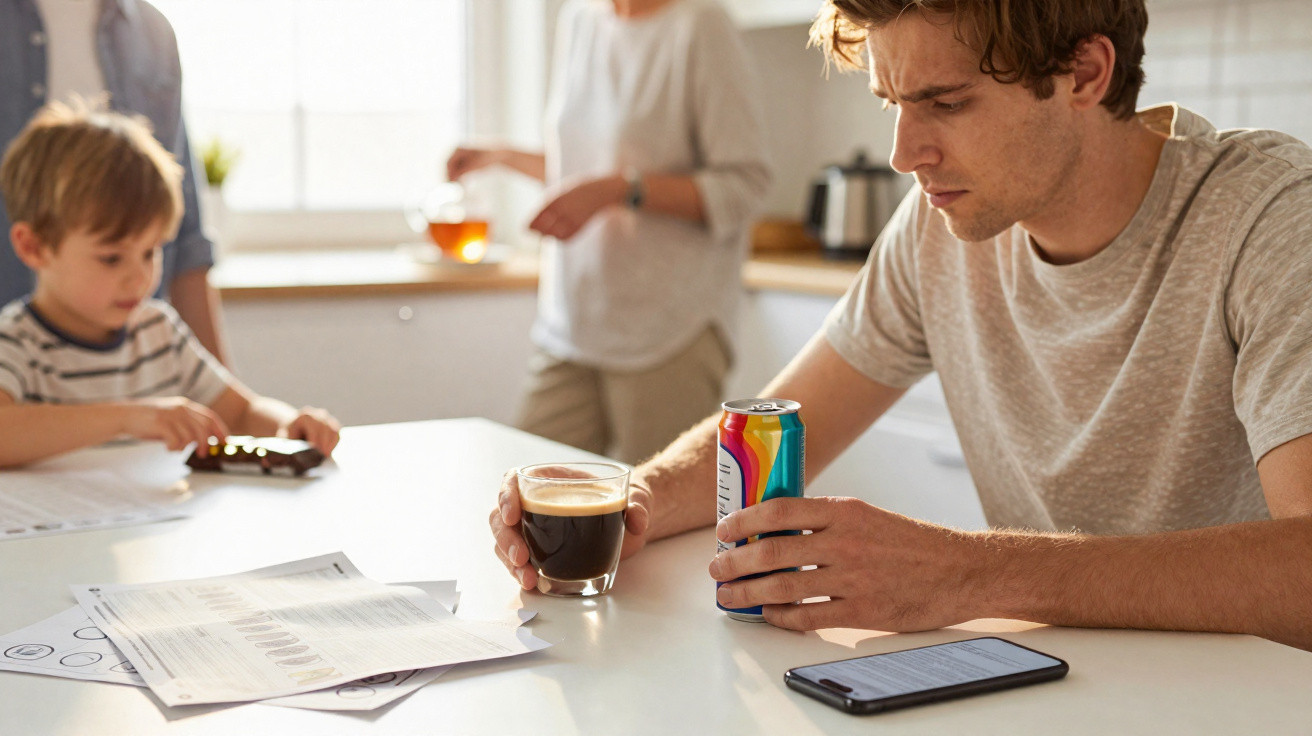
While coffee remains a firm fixture on European tables, a quiet shift in Brussels is beginning to reshape perceptions of caffeine.
The European Union’s new classification of the substance raises concerns that extend far beyond the everyday espresso cup. The decision affects scientific research, food labelling, the energy drinks industry and, of course, the emotional bond millions of people have with coffee itself.
Why the EU now considers caffeine harmful
The change follows a technical review of the bloc’s chemical safety rules. In recent documents, the EU has classified caffeine as “harmful to health if ingested”. Although the wording may sound alarming at first, it applies to a particular context: products containing very high doses of the substance, including some pesticides and highly concentrated supplements.
This reclassification is based on opinions from the European Food Safety Authority (EFSA), the scientific body that advises Brussels on risks related to food and chemical substances. Its specialists assessed evidence on caffeine’s effects at different doses, across age groups and in a range of clinical situations.
The main concern is not office coffee, but caffeine used in high concentrations, with limited transparency or outside the traditional food context.
According to reports cited by the European press, intake far above levels considered safe can disrupt the cardiovascular system, affect blood pressure, interfere with body temperature regulation and contribute to dehydration, particularly when combined with strenuous exercise or extreme heat.
The nervous system is also under scrutiny. Persistent insomnia, heightened anxiety, irritability and behavioural changes are reported more often among people who consume excessive amounts, especially teenagers and those who are more sensitive to the substance.
Effects on vulnerable groups
Among the issues carrying the greatest weight in the new classification is the potential impact on groups regarded as vulnerable. EFSA highlights three specific categories:
- Children and teenagers: smaller bodies, metabolism still developing, and greater exposure to energy drinks and caffeinated soft drinks.
- Pregnant women: a possible link between high caffeine intake and reduced birth weight, an indicator associated with health problems during childhood.
- People with cardiovascular conditions: a higher risk of palpitations, arrhythmias and cardiac discomfort when caffeine is consumed excessively.
For this reason, even without banning its use in food, the new classification signals that the safety margin can be crossed easily in certain circumstances, particularly with supplements and highly concentrated drinks.
What the EU caffeine classification could mean for coffee and energy drinks
The regulatory change has revived an old debate in Brussels: how far should the state go in regulating substances embedded in deeply rooted cultural habits, such as coffee in Europe? The continent is among the world’s largest consumers, with several countries where drinking multiple cups a day is the social norm.
For now, the EU decision does not directly affect the sale of coffee, tea or chocolate. These products have long histories of widespread consumption, relatively well-established research and caffeine quantities that are easier to anticipate. The debate is gathering pace, however, in sectors such as energy drinks and stimulant tablets, where the amount in each serving is considerably higher.
Energy drinks sold in Europe already have to display warnings about their high caffeine content and recommend moderate consumption. Following the new classification, the likelihood of stricter measures is increasing, including:
- sales restrictions for under-18s;
- maximum caffeine limits per can or bottle;
- clearer front-of-pack labelling in plain language;
- bans on linking products to extreme performance in sport or study.
The target is not the morning coffee ritual, but products in which caffeine becomes a marketing claim, at doses that are difficult to keep track of day to day.
Scientists say it is about dosage, not demonising caffeine
Public health experts continue to emphasise one point: caffeine, by itself, is not the “absolute villain” of the modern diet. Compared with other ever-present substances, such as alcohol and refined sugar, caffeine’s population-level impact is generally far smaller.
The crucial issue is quantity. Research used by EFSA indicates that healthy adults can usually tolerate daily consumption of around 200 to 400 milligrams of caffeine without major problems. For an approximate comparison:
| Product | Average caffeine per serving |
|---|---|
| 1 cup of filter coffee (200 ml) | 80–120 mg |
| 1 can of energy drink (250 ml) | 80 mg |
| 1 can of cola-type soft drink (350 ml) | 30–45 mg |
| 1 cup of black tea (200 ml) | 40–60 mg |
Beyond certain thresholds, however, the effects begin to build up: tremors, tachycardia, difficulty sleeping, a constant feeling of alertness and even poorer-quality rest, including when someone believes they have “got used to it”.
Some observational studies link moderate caffeine consumption with possible benefits, including a lower risk of Parkinson’s disease and type 2 diabetes. This is not permission to overdo it, but it shows that the picture is more complex than simply banning or allowing everything.
Political pressure and memories of earlier controversies
Politically, the new classification has renewed criticism of what some MPs describe as “hyper-regulation in Brussels”. Representatives from countries with strong coffee cultures and competitive food industries argue that the EU risks weakening its credibility with the public when it intervenes in highly popular products.
Some point to earlier episodes, such as the attempt to introduce strict limits on coumarin, an aromatic substance found in cinnamon. The proposal prompted strong opposition from bakers and traditional sweet manufacturers in several countries, who feared for the future of customary recipes. The policy was eventually adjusted, but it left a lasting mark on the debate about how far regulation of common ingredients should go.
The dispute is not only scientific; it is also cultural and economic: changing caffeine policy means affecting routines, jobs and traditions.
How consumers can make practical choices
While the regulatory landscape is being reshaped in Brussels, the question reaching Brazilian tables is straightforward: does this European decision change anything about how caffeine is consumed there? Indirectly, yes.
Global companies tend to bring formulas, labels and marketing strategies into line with the strictest standards of major economic blocs. If the EU takes a tougher approach to energy drinks or supplements, lower-caffeine versions are likely to appear in other markets too, including Brazil.
In everyday life, a few measures can help keep caffeine consumption on safer ground:
- avoid coffee or energy drinks during the last few hours before sleep;
- do not unknowingly combine several caffeine sources, such as coffee, soft drinks, tea and tablets;
- pay attention to personal reactions: palpitations, cold sweats and recurring insomnia are warning signs;
- pregnant women should discuss suitable quantities with their doctor rather than rely on general “tips”;
- teenagers with demanding study schedules and online gaming habits need extra attention regarding energy drink consumption.
Key concepts: toxicity and cumulative effect
Two terms help explain the EU’s move. The first is “toxicity”. In a regulatory setting, classifying something as toxic or harmful does not automatically mean it is prohibited. It means that, at certain doses or when used in particular ways, the substance presents a measurable health risk.
The second is “cumulative effect”. An adult may think they have had “only two coffees”. Yet on the same day, they may also have consumed a caffeinated soft drink, dark chocolate, a headache tablet containing a stimulant and an energy drink in the afternoon. Added together, these small amounts can easily exceed the safe range recommended by health authorities.
Future scenarios: from labels to public policy
If the European trend progresses, several scenarios could become more likely. One is the standardisation of warning messages on labels, using direct wording almost modelled on that used for alcoholic drinks. Another is public campaigns aimed at discouraging excessive caffeine consumption among young people, particularly when it is combined with alcohol and sleepless nights.
The debate could also expand into the workplace. Companies that provide unlimited coffee may be encouraged to advise employees on reasonable limits, much as many already do on ergonomics or mental health. At universities, the issue will certainly reach those who rely on long nights fuelled by coffee and energy drinks to meet deadlines.












Comments
No comments yet. Be the first to comment!
Leave a Comment