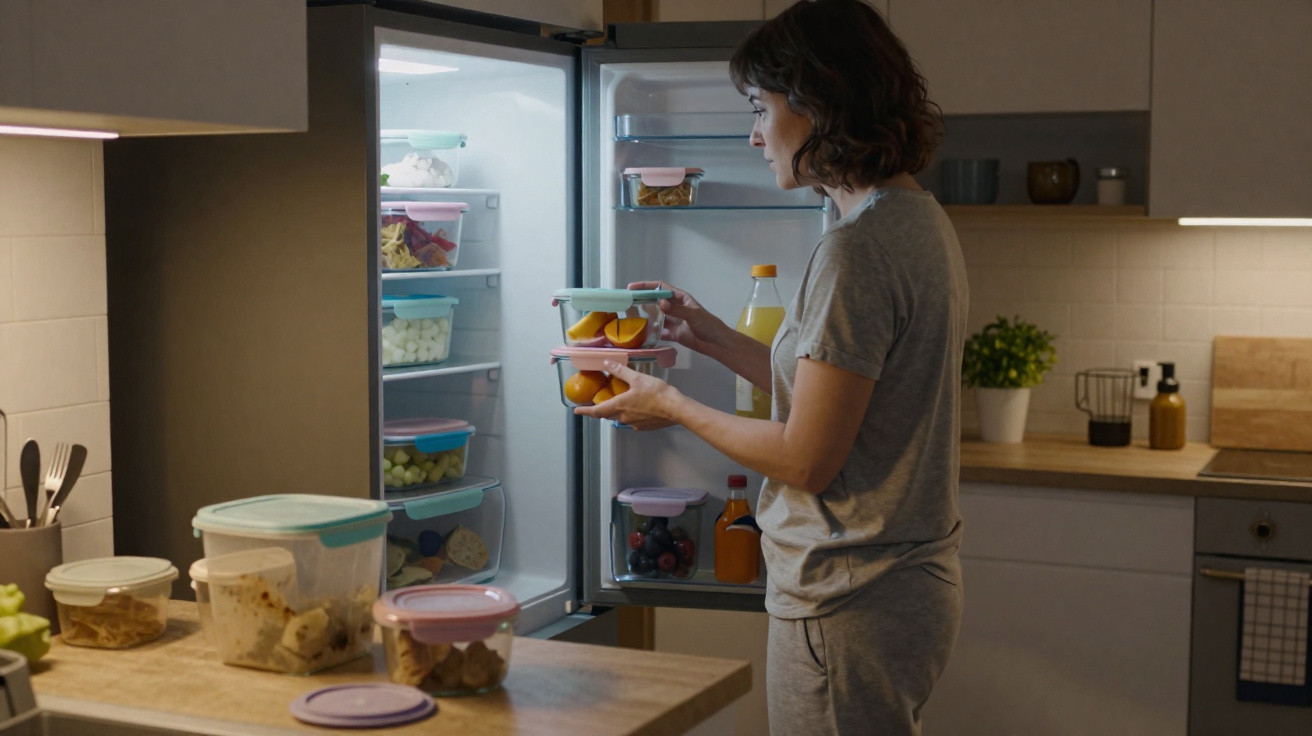
There is a particular sort of dread in opening the fridge and being greeted by an odour you cannot quite identify.
It is not completely rotten or obviously hazardous, merely… questionable. There is a sharp note from last week’s leftovers, onion from something you were certain had been wrapped properly, and the faintly sugary-but-wrong smell of berries abandoned at the back. Before long, you are pulling a face, breathing as little as possible while searching for the milk, and quietly blaming your former self for deciding, “I’ll deal with it tomorrow.”
We like to imagine our fridges as neat miniature worlds, with fresh, labelled food arranged as beautifully as a Pinterest board. In reality, they are often scenes of unfinished meals, unidentified sauces and cling film that stopped doing its job days ago. Then, just when you have cleared everything out, the smell returns as though it has soaked into the plastic. This is where a surprisingly straightforward food container trick can quietly alter the atmosphere of your whole fridge.
The day my fridge began to smell like a train station bin
The breaking point came on a Sunday evening after what I call a “hopeful shop”. You know the sort: enough vegetables for a triathlon team, eight discounted yoghurts and herbs bought with wildly optimistic intentions. When I opened the fridge to make room, an old, onion-heavy smell hit me so strongly that it felt almost personal. It was the sort of odour that makes you retreat and inspect the bin, just to be safe.
I went through the standard routine: removed the salad drawer, looked beneath the cheese and lifted jars as if I were dismantling a bomb. The familiar culprits appeared: a deceased cucumber, wilted rocket and a Tupperware box containing a curry I was still pretending I would eat. I threw away the worst of it, cleaned the shelves and even used the traditional bicarbonate-of-soda remedy. For roughly 24 hours, the fridge smelled… acceptable. Then the lingering spirit of old meals floated back.
That was when I understood that food was not the only problem. There was the discoloured plastic lid that had handled far too many tomato sauces, and the ageing takeaway tub still attached to garlic like a toxic relationship. Once a container had taken in a scent, it appeared to release it back around the fridge, rather like a peculiar refrigerated form of second-hand smoke.
The glass food container trick I learnt from a very organised friend
This trick did not come to me in a dramatic flash of insight. I discovered it while visiting a friend whose fridge appeared to have been arranged by a lifestyle blogger. Clear containers. Carefully written labels. No odour. I opened it expecting the usual cold haze of food smells and found… nothing. Only a clean chill, rather like opening a window during winter.
She noticed me standing there with my head half inside her fridge, clearly fascinated. “They’re all glass,” she said, tapping a container. “And the lids are silicone. No plastic, no smell. The food doesn’t talk to each other any more.” It seemed excessively simple, almost self-satisfied. I agreed, joked that she was a functioning adult, and then spent the next week thinking about it.
Honestly, nobody undertakes a complete fridge clear-out merely because they have seen an attractive container. We hold on to random takeaway tubs, pile up non-matching lids and convince ourselves that this is “good enough”. Even so, the thought of a fridge that did not resemble a graveyard for leftovers stayed with me. I began noticing that each old plastic pot in my own fridge had developed a lasting fragrance, however many hot washes it had endured.
What happened when I changed only a few containers
I did not swap everything immediately. That would demand a level of budget and emotional stamina I do not have. Instead, I began with three medium glass containers with close-fitting flexible lids, plus one tall container for chopped fruit. I decided that anything likely to create trouble - food containing garlic or onions, cooked meat and strong cheese - would be kept in glass. Everything else could remain in its plastic surroundings, at least temporarily.
The improvement came with almost unreasonable speed. The next time I opened the fridge after cooking a large meal, the air was… still. There was no invisible mist of “last night’s pasta bake” and no lingering undertone of chopped onion. I could genuinely notice the fresh food instead: the sweet scent of strawberries and the clean, slightly metallic coldness of mineral water. It was not simply that odours were enclosed; they had stopped spreading to everything nearby.
That was the element that surprised me. I expected the food inside glass containers to retain its own scent. What I had not appreciated was how much old plastic had absorbed previous smells, gently sending them back into the fridge for days afterwards. It felt like learning that the villain in a mystery novel had been present throughout, disguised as your “handy old lunch box”.
Why glass and silicone food containers work so well
I am not a chemist, and my school science teacher would readily confirm that. Nevertheless, the basic explanation is fairly clear: plastic is mildly porous. As time passes, particularly when it holds oily or powerful-smelling food, it takes in tiny traces of aroma and colour. That is why spaghetti Bolognese discolours the container and why the container never quite returns to smelling of nothing. Each time you lift the lid, some of that old scent escapes, even if the box is technically “clean”.
Glass does not behave that way. Because it is non-porous, food smells remain with the food instead of becoming part of the container’s character. Silicone lids create a firm seal and, likewise, do not retain odours in the same manner. As a result, garlic chopped for a Monday stir-fry is not still bothering your yoghurt on Friday. Your fridge ceases to be a gossip circle in which every item shares its secrets with the others.
The change is particularly noticeable with onion-based food. Leave a chopped onion loosely covered in plastic or cling film, and the whole fridge becomes an onion-scented habitat. Put it immediately into a properly sealed glass container, and its smell remains where it should. You still have the flavour when cooking, but you no longer end up with onion-tasting grapes, onion-adjacent butter or the unexplained “what died?” aroma whenever you reach for the milk.
The understated benefit of seeing what is inside
There is another effect that few people mention: clearly seeing leftovers changes how you use the fridge. Transparent glass, paired with lids that do not distort or buckle, makes the reality unavoidable. You cannot ignore the half-finished lasagne or the soup you promised yourself you would eat. It sits there in view, quietly reproachful. Rather strangely, that makes it more likely to be eaten.
This reduces the problem of forgotten food slowly spoiling at the back, which is often where the worst smells originate. Those brave little scientific experiments - ageing salad or the sauce you intended to freeze - do not get the opportunity to pass quite so far beyond their best. Fewer hidden rotten items mean fewer mysterious odours. Gradually, the fridge changes from a “place where hope goes to die” into a place where food is genuinely used.
A food container routine to keep odours away all season
The real benefit does not come from owning expensive containers. It comes from using them regularly, in a realistically imperfect, everyday way. My own approach now is roughly this: anything soft, saucy or strongly scented goes into glass as soon as it has cooled. There is no more “I’ll just bung it in a bowl with cling film for now.” That immediate moment is when the smell can escape and begin taking over.
Strong cheese always has its own container. The same applies to cooked fish, curries, cut lemons and leftover meat. Fruit that can become soft or leak - berries, sliced melon and pineapple - also goes into glass. Clean plastic is still fine for dry foods or very short storage periods, but anything that remains stained or smelly after washing is retired. That is the unobtrusive rule.
Every few weeks, I carry out a five-minute “fridge reset”, which sounds far more organised than it really is. I quickly wipe the shelves, check dates, discard the unrecoverable experiments and wash any containers or lids that smell even faintly strange. A streak of old sauce beneath a lid can cause more odour than a full vegetable drawer. The habit is not flawless, and I miss it some weeks, but the containers handle much of the work without requiring any special effort.
The bicarbonate of soda and jar back-up trick
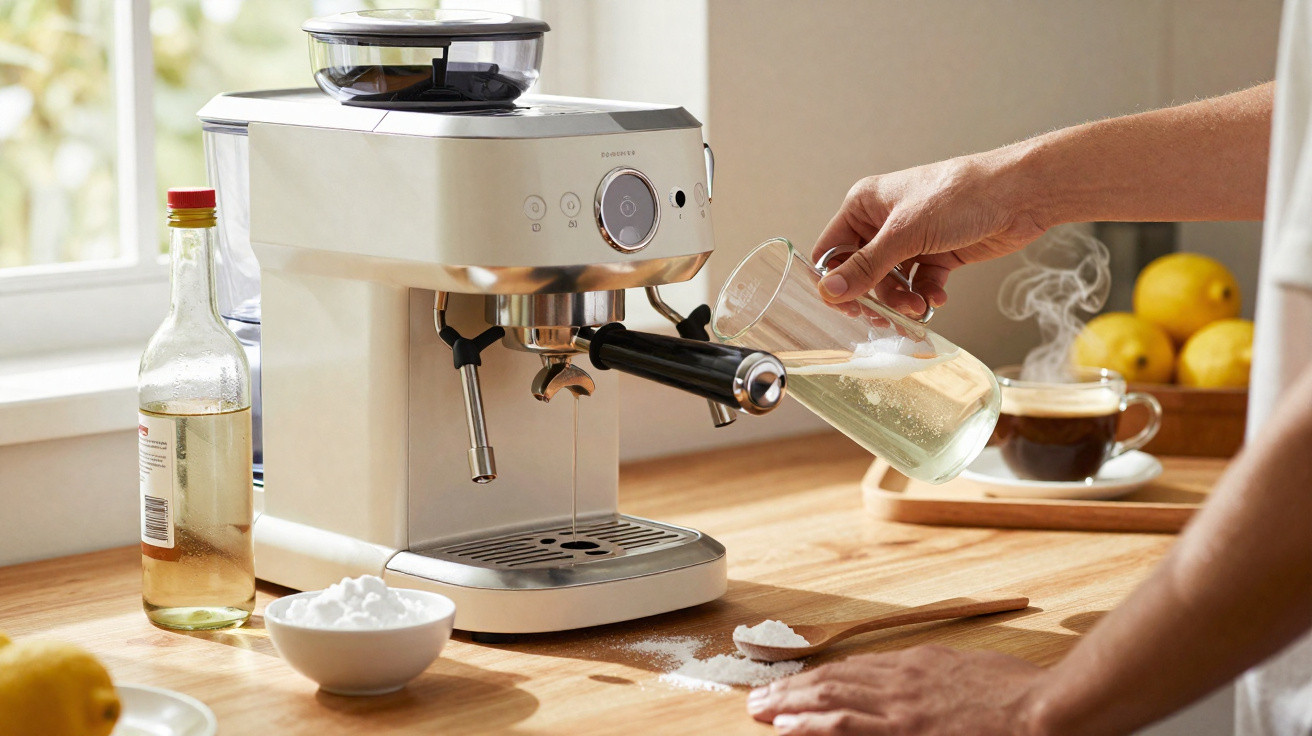
One further small habit helps support the entire arrangement. An open small jar of bicarbonate of soda placed securely at the back quietly takes in any remaining odours that the containers miss. It is not glamorous and nobody is sharing it on Instagram, but it is effective. Change the soda every few months, or whenever you remember it is there - which is probably about as often as most people remember anything in the fridge.
If bicarbonate of soda does not appeal, leave a clean jar containing a few coffee grounds open instead; it has a similar effect with a slightly warmer scent. Just avoid using so much that your fridge resembles the candle aisle. The aim is not to fragrance the fridge, but to prevent it from smelling like a compost bin on a hot day.
The emotional benefit of a fridge without smells
It may all sound rather ordinary and domestic - containers, lids, glass versus plastic. But when the smells settle, another change takes place. You no longer prepare yourself each time you open the door. You do not worry about guests helpfully offering to “grab the milk” and accidentally breathing in three days’ worth of abandoned leftovers. The fridge becomes neutral ground again rather than a minor embarrassment.
Most of us have experienced someone opening our fridge and immediately saying, “Don’t judge me, I’ve not done a clear-out in ages.” It is said as a joke, yet it carries a faint sense of guilt about waste, clutter and not being someone who colour-codes vegetables. A simple system that naturally keeps unpleasant smells down eases that underlying shame. There may still be the occasional rogue yoghurt or suspicious stray carrot, but the whole space feels less disorderly.
There is also a small, almost personal satisfaction in opening the door and receiving only a gentle cool rush of air. There is no surprise and no mystery. Your food simply looks and smells as it should, rather than seeming to audition for a horror story. It is one of those modest household victories that you do not know you wanted until you have it.
You need one small upgrade, not a perfect kitchen
This is not an instruction to discard every plastic item and begin a new life with matching glass containers and colour-coded herbs. Life is not a homeware advert. Most of us are doing what we can between work, tiredness and the never-ending question, “what’s for dinner?”. The appeal of this trick is that it still works when the rest of the kitchen is a little chaotic.
Begin with a handful of containers rather than a complete set. Keep them for the main offenders: onions, garlic-heavy dishes, cooked meat, cut fruit and sauces. Add one discreet jar of bicarbonate of soda and the occasional imperfect wipe-down. The odours will not disappear entirely - this is everyday life - but they will stop controlling the situation.
The most unexpected thing is not that this trick works, but how much calmer the kitchen feels once the fridge is no longer fighting you. A small, unexciting change to the way you store food can subtly alter how your home smells, how much food you waste and even how you feel when opening that door for the hundredth time this week. Sometimes the most gratifying improvements are not showy at all - only glass, a reliable seal and the lovely relief of opening the fridge without flinching.













Comments
No comments yet. Be the first to comment!
Leave a Comment