In brief
- ☕ Overfilling the kettle is an easily missed contributor to UK energy bills: small, repeated amounts of waste can add pounds to monthly costs without improving comfort.
- 🔬 The thermodynamics are clear: heating water you do not use costs money-an additional 0.5L takes ~0.055 kWh per boil and can cost more than £20 a year when repeated daily.
- 🧠 Routine and misconception encourage overfilling: outdated safety habits, a cup-size mismatch, the “boil once, use twice” belief, and promotion of larger kettles all make waste seem normal.
- 🛠️ Straightforward solutions, with Pros vs. Cons, include marking your mug level, using visible cup measurements, choosing variable-temperature kettles, one-cup dispensers or a thermal carafe-heat only what you need.
- 🍳 Other kitchen habits also count: needless oven preheating, simmering without lids, partially loaded dishwashers and permanently running beer fridges. Easy savings come from managing load size, run time and temperature.
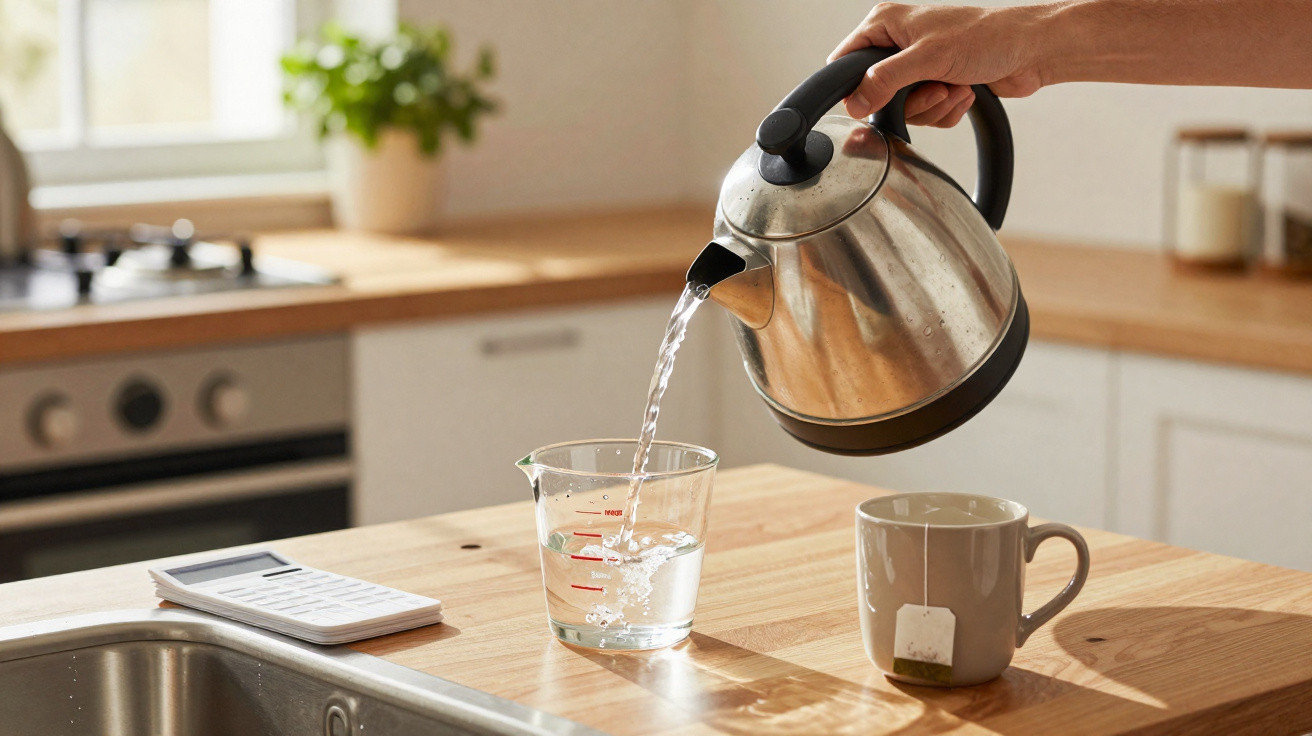
As wholesale prices fluctuate and price caps change, people across Britain are understandably watching their meters closely. Yet many homes spend more than necessary not because of broken boilers or draughty windows, but because of a small daily habit that is easy to overlook. Overfilling the kettle-filling it to the top for one drink-may appear insignificant, but unused water still consumes electricity as it heats. Repeated several times a day, this minor habit turns into a persistent drain on your household budget.
This article looks at the unexpectedly significant calculations, the behavioural reasons behind the practice and the practical changes that can protect the comfort of a cuppa while reducing your bill.
The Hidden Cost of Overfilling the Kettle
During a week-long check in a South London flat, a familiar pattern emerged: a 1.7-litre kettle was filled to its “max” line to make one large mug. Around 1.2 litres were heated, although only 300–350 ml were poured. The resident, who was otherwise careful about saving energy, was surprised by the total. Over seven days, they boiled the kettle about four times a day, wasting the equivalent of several hundred millilitres of heated water on each occasion.
This was not a matter of laziness, but an ingrained routine: “fill once, brew twice,” despite the fact that the second drink seldom materialised.
The important point is that, with UK electricity unit rates remaining at relatively high household levels in recent years, each needless boil adds a few invisible pence that still appear on the bill. Although a kettle is more efficient than a hob, it is also one of the most frequently used appliances in the UK, so small inefficiencies can become meaningful costs. There is no need to give up tea; simply use the amount of water you genuinely expect to drink. Boiling only what you need is one of the quickest, least disruptive ways to cut pounds from a monthly energy bill without losing the ritual.
The Physics (and Pounds) Behind Heating Excess Water
The thermodynamics of boiling water are uncomplicated. Raising 0.5 litres-half a kilogram-of water from 15°C to 100°C requires energy calculated as mass × specific heat × temperature rise. The calculation is 0.5 kg × 4.186 kJ/kg·K × 85 K ≈ 178 kJ, or about 0.049 kWh. Once kettle efficiency is included, often 85–95%, that extra half litre requires close to 0.055 kWh of electricity. At a representative rate of 28 pence per kWh, this works out at around 1.5 p for every overfill. Repeated four times daily, that is roughly 6 p a day-more than £20 a year-spent heating water that ends up as steam rather than a drink.
The quantity makes a difference. If the routine surplus is 0.8 litres rather than half a litre, the expense rises again. In contrast, tailoring every boil to one cup, perhaps 300–350 ml, reduces the energy used straight away. The calculation is reliable because water’s heat capacity is fixed, while kettles are highly effective at turning electricity into heat. The changing variables are your own habits: the number of boils, the degree of overfilling and your tariff.
Even with relatively light use, precision pouring beats wishful filling. You can calibrate your judgement once using a kitchen scale or the kettle’s cup markings.
Why We Overfill: Habits, Myths, and Marketing
Overfilling is not unreasonable; there are understandable reasons why people tend towards the maximum line:
- Speed illusion: It can seem quicker to “boil once, use twice.” Often, however, the second drink is forgotten, the kettle is boiled again and the cost is paid twice.
- Safety cues: Older kettles with exposed elements required a higher water level. Today’s concealed elements are less restrictive, but the old behaviour remains.
- Cup-size mismatch: The “cup” symbols on kettles rarely correspond to modern oversized mugs. A supposed single cup may actually be 350–400 ml.
- Fear of running dry: Many people add extra water “just in case”, and what begins as a precaution gradually becomes the standard fill level.
- Myth carryover: Some avoid reboiling water because of flavour or health concerns. Under normal UK tap-water conditions, reboiling water for another cup is fine.
Marketing can reinforce the issue. Large kettles can appear more premium and convenient, quietly making bigger boils feel routine. Families also tend to adopt one shared approach: one person’s “fill high” habit can become the household rule. When behaviour seems harmless, it is rarely questioned-even when it wastes energy quietly every day.
Spotting these psychological prompts is one part of the answer. The other is adjusting the ritual so that it stays enjoyable while requiring less electricity.
Smarter Brewing: Pros vs. Cons of Fixes You Can Try
There is no need to stop making a brew. Instead, make small changes that encourage accurate filling without creating hassle. Here is a quick decision guide.
| Fix | Pros | Cons |
|---|---|---|
| Mark your mug line (fill your mug, pour into kettle once to “set” your eye) | Free, immediately accurate and requires no equipment | Depends on memory; mug sizes differ |
| Use kettle cup markings or a clear-glass kettle | Gives visual feedback; useful for guests and families | The markings may not reflect your mug size |
| Variable-temperature kettle (brew at 80–90°C for tea types) | Reduces energy use by avoiding 100°C where unnecessary; improves flavour for green/white teas | Has an upfront cost; savings vary by use |
| Thermal carafe (keep second cup hot without reboiling) | Avoids reheating; practical for consecutive cups | Takes up counter space; loses a small amount of heat over time |
| One-cup dispensers (dispense exact volume) | Accurate portions; quick | Costs money; can be noisy; unsuitable for pots |
Add a few small habits: fill the mug you intend to drink from with cold water before transferring it to the kettle; treat a favourite mug as your measuring vessel; and stop heating early for teas that do not require a rolling boil. The golden rule is simple: heat only what you’ll drink, at only the temperature you need. These adjustments retain the pleasure of making a drink while reducing waste.
Other Quiet Culprits in the Kitchen
The kettle may be the main focus, but other low-level kitchen routines can also increase your bill. Individually, none may seem dramatic, but together they can matter, particularly during winter.
| Habit | Why It Wastes Energy | Indicative Annual Cost (Example) | Quick Fix |
|---|---|---|---|
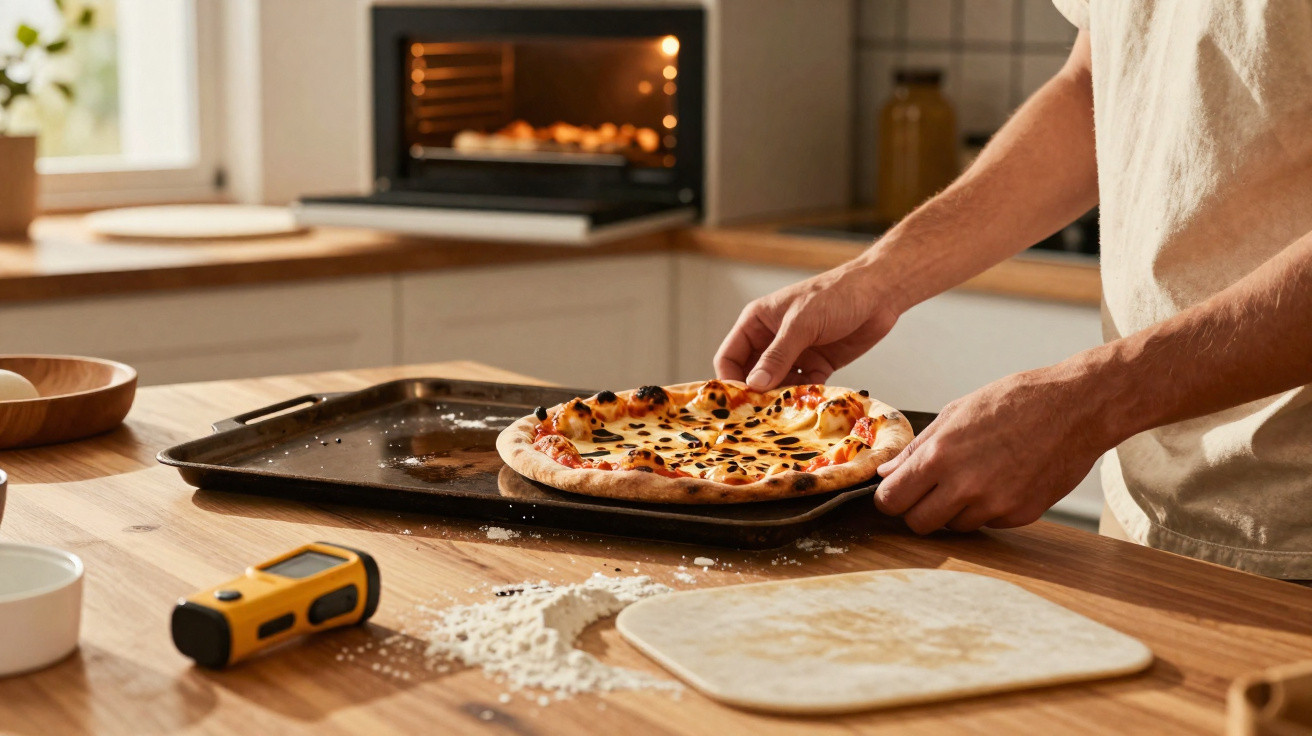
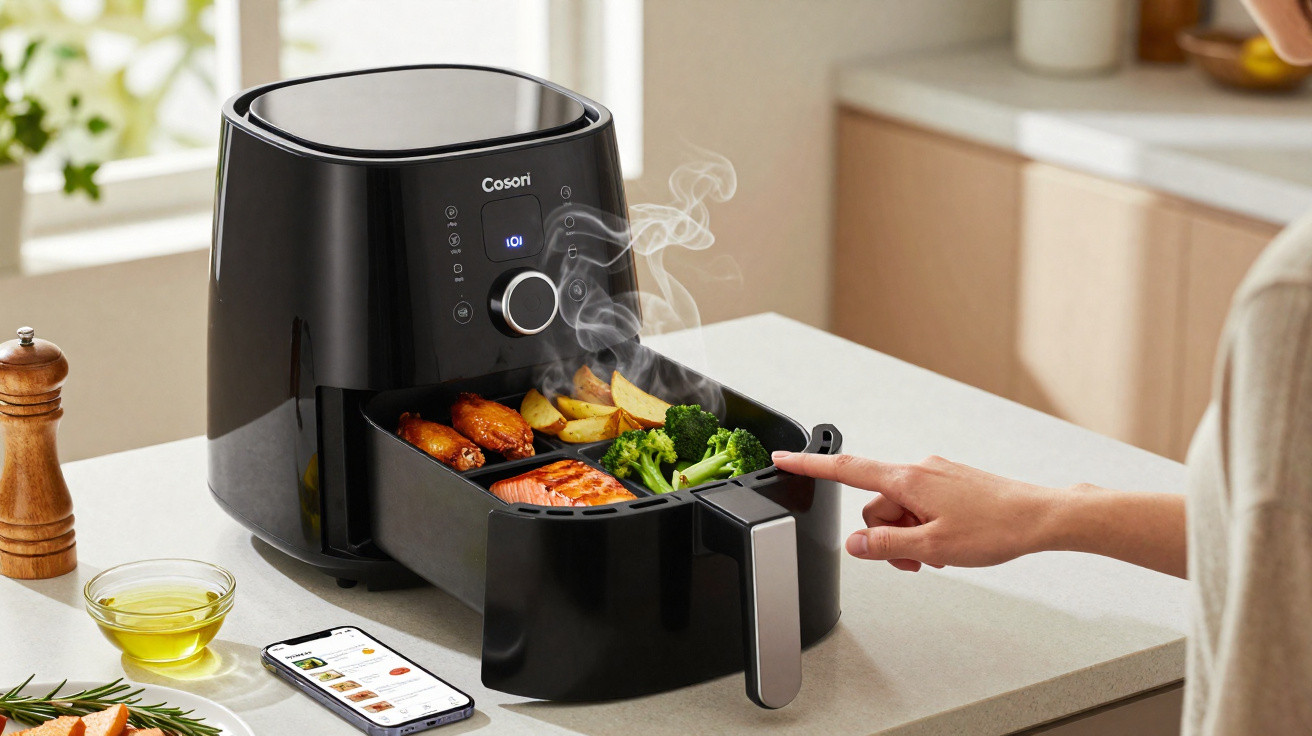
| Preheating the oven “just in case” | 10 minutes at 2.4 kW ≈ 0.4 kWh per session | ~£25–£40 if done 3–5 times weekly (at ~28p/kWh) | Preheat only when required by the recipe; use air fryers for small batches |
| Simmering without a lid | Heat escapes, meaning the hob must work harder and for longer | £5–£20 depending on frequency and fuel | Use lids; match the pan to the burner size |
| Running half-full dishwashers | Uses the energy and water of a full cycle for only half the dishes | £20–£60 if it doubles cycles across a year | Wait for full loads; choose eco modes |
| Second “beer fridge” on all year | Continuously cools on standby, often using an inefficient appliance | £30–£80 depending on model and age | Turn it off between parties; replace it with an A-rated model if retained |
These examples use typical UK tariffs and common appliance power ratings; your results will vary according to models and habits. The broader principle remains the same: regular, effortless adjustments outperform one-off heroic efforts. Prioritise load size, run time and temperature. Addressing just the kettle and oven preheating will probably deliver the largest share of easy kitchen savings, without any noticeable loss of comfort or convenience.
With unit rates still stubbornly high, saving money is not about deprivation but accuracy. Right-size the boil, put lids on pans and avoid preheating automatically. These are modest actions, but their benefits are repeatable and cumulative-the sort of changes that help keep bills under control throughout the year. Which small kitchen habit will you change first this week, and how will you track the difference on your next bill?



Comments
No comments yet. Be the first to comment!
Leave a Comment