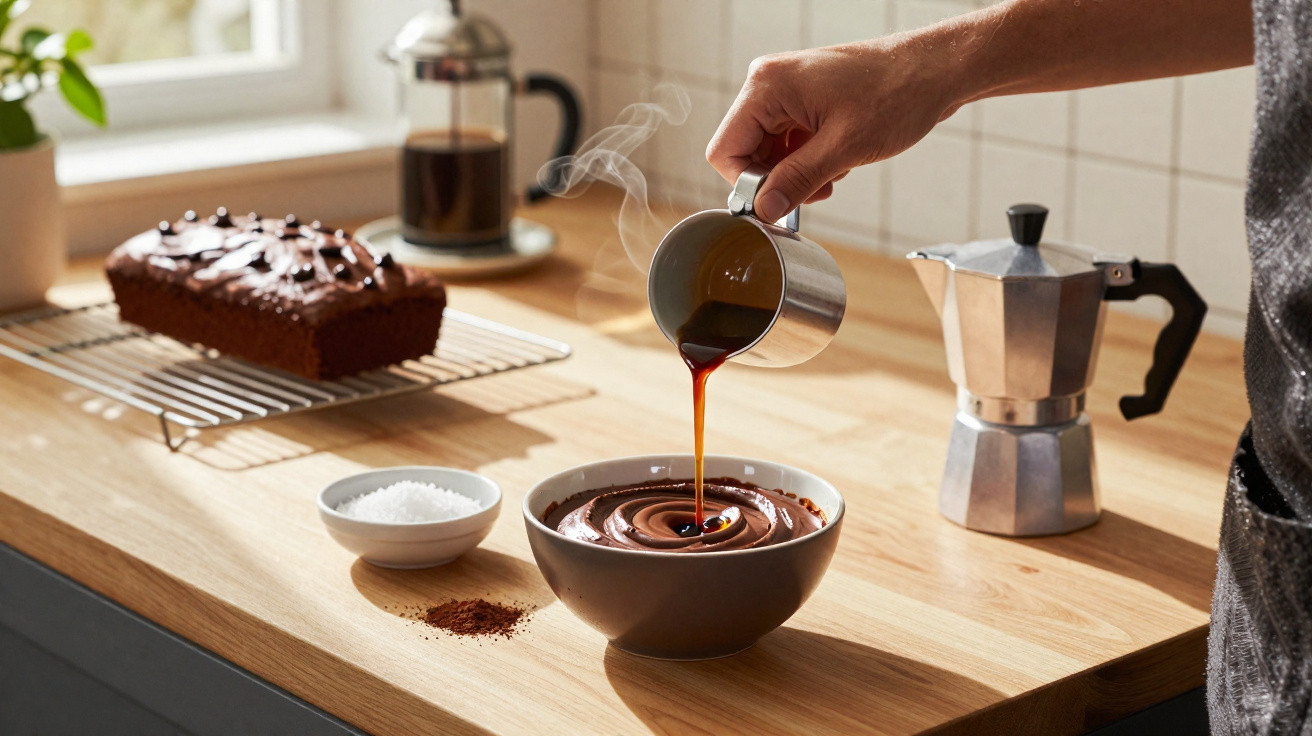
Standfirst.
Chocolate cake recipes commonly call for an unobtrusive pinch of salt. However, an unlikely store-cupboard ingredient may deliver much more depth of flavour.
For years, home bakers have relied on salt to lift sweetness and reduce bitterness in chocolate puddings. Now, a US chef suggests that a different everyday ingredient works even more effectively, taking cocoa flavours to a darker, richer, almost “wow, what did you put in this?” level.
Why salt appears in nearly every cake
Open almost any traditional cake recipe and the instruction is there: “add a pinch of salt”. This brief direction has plenty of science behind it.
Salt performs three key functions in sweet baking. Firstly, it makes sweet flavours seem more vivid. Secondly, it moderates sharp or bitter flavours, including those in dark cocoa. Thirdly, it encourages salivation, helping aromas travel around the mouth.
In batters and doughs made with wheat flour, salt also affects gluten. It slightly strengthens the gluten structure, potentially altering the texture of cakes and biscuits to create a more cohesive, springy crumb.
For these purposes, bakers generally use fine salt. Its tiny grains dissolve rapidly and disappear into the batter. As a finishing flourish, however, many bakers scatter flaky sea salt over biscuits or chocolate tarts for little pops of texture and contrast.
Salt sharpens sweetness and calms bitterness, but it does not truly deepen the cocoa itself.
Why salt alone is not enough for chocolate cakes
Salt is almost a reflex in chocolate cakes, brownies, fondants and mousses: a pinch in the mixture, perhaps a few flakes over the top, and it seems the task is complete.
However, some chefs maintain that salt improves overall balance without greatly enhancing the sensation of “pure chocolate”. It works alongside the cocoa rather than intensifying it from within.
This is where US cook and television personality Ina Garten comes in. Her chocolate recipes often feature another ingredient from a similar flavour family to cocoa, one capable of boosting its flavour internally: coffee.
The “secret” ingredient: coffee
Ina Garten, along with an increasing number of pastry professionals, considers coffee one of the best ways to strengthen chocolate flavour in cakes.
Coffee and cocoa have numerous aromatic compounds in common, formed during the roasting process. In modest quantities, coffee functions like a concealed flavour enhancer. It brings roasted, nutty and gently smoky notes to the fore, making chocolate taste fuller and more nuanced.
Used in the right quantity, coffee does not make a cake taste like coffee. It simply makes the chocolate taste more chocolatey.
Adding coffee without affecting the texture
The important factor is the method used to add the coffee. Food website Tasting Table identifies several options according to the dessert being made.
- Cakes and brownies: swap the recipe’s hot water or hot milk for strong coffee.
- Delicate creams and mousses: choose instant coffee granules or powder, which dissolve fast.
- Buttercreams and ganaches: use a few drops of liquid coffee extract for accurate control.
For a basic chocolate sponge requiring 240 ml of hot water, use an equal amount of freshly brewed, strong coffee instead. As the liquid quantity is unchanged, the texture should remain stable while the flavour becomes deeper.
With egg-based desserts, where added water may disrupt the structure - such as mousse - instant coffee is the safer choice. Dissolve one or two teaspoons in a tablespoon of warm cream, then fold it into the mixture without knocking out its air.
How much coffee to use to keep it “invisible”
The concern for many home bakers is understandable: “Won’t my chocolate cake end up tasting like a latte?” It comes down to the amount used.
| Type of dessert | Suggested coffee amount | Expected effect |
|---|---|---|
| Rich chocolate cake (serves 8–10) | 120–240 ml strong coffee instead of water/milk | Deeper cocoa flavour, no clear coffee taste |
| Brownies (20 cm square tin) | 1–2 tbsp instant coffee dissolved in 60 ml hot water | More intense, slightly darker chocolate notes |
| Chocolate buttercream (for one cake) | 1–2 tsp instant coffee or ½–1 tsp coffee extract | Subtle complexity, no obvious coffee aroma |
These quantities will usually remain under the point at which the brain detects coffee as a distinct flavour. Instead, the chocolate seems suddenly more “grown up” and satisfying.
Combining coffee and salt for maximum flavour
It need not be a choice between “coffee or salt”. Both ingredients can be included in one recipe, as each serves a separate purpose.
Salt adjusts sweetness and keeps bitterness in balance, whereas coffee refines the cocoa flavours themselves. Used sparingly together, they build a multi-layered flavour that can seem professional even in an uncomplicated traybake.
A pinch of salt plus a discreet touch of coffee can make a basic chocolate cake taste bakery-level.
For brownies, for instance, retain the normal pinch of fine salt in the batter, add a teaspoon of instant coffee dissolved in a spoonful of hot water, then sprinkle several flakes of sea salt over the surface after baking. The outcome is shiny, fudgy squares with a darker, more complex taste than their ingredient list might suggest.
Practical example: improving a basic chocolate cake
Picture a simple recipe containing flour, cocoa powder, sugar, eggs, milk, oil, baking powder and salt. You want a deeper flavour without purchasing specialist chocolate.
Try this straightforward change:
- Substitute the milk with the same quantity of cooled espresso or exceptionally strong filter coffee.
- Leave the pinch of salt in with the dry ingredients.
- Should the batter appear a little thinner, bake it for a few extra minutes and test with a skewer.
Before it goes into the oven, the batter will have a slight coffee aroma. After baking and cooling, this recedes into the background, creating the impression that you used superior cocoa or a chocolate bar with a higher cocoa percentage.
Caffeine, flavour and children: a few considerations
Some bakers are concerned about giving caffeinated desserts to children or to anyone avoiding caffeine. Most recipes contain a comparatively small overall quantity of coffee, and baking lessens the perceived strength, although heat does not destroy caffeine itself.
For those wishing to take extra care, decaffeinated coffee offers almost the same flavour benefits. The roasting reactions are identical, meaning many of the aroma compounds that improve chocolate remain present, but with a much lower stimulant effect.
Other flavour enhancers that work with coffee
Coffee is not chocolate’s only useful partner. A number of other ingredients can steer cocoa in different flavour directions, particularly alongside coffee and salt.
- Vanilla: softens harsher notes and adds a gentler, bakery-style fragrance.
- Brown sugar or muscovado: contributes caramel and molasses flavours that suit roasted notes.
- Rum or brandy (in small amounts): adds warmth and fruitiness to rich chocolate cakes.
- Orange zest: offsets richness with vibrant citrus oils.
When used with restraint alongside coffee, these additions can give chocolate cakes individual characters: one may be dark and almost smoky, another fruity, and another caramelised and comforting.
For home bakers who instinctively reach for the salt cellar, the adjustment is easy: retain the pinch of salt, but allow a spoonful of coffee to take centre stage. The difference in your next batch of brownies or cupcakes may be more surprising than switching to any new cocoa powder brand.

















Comments
No comments yet. Be the first to comment!
Leave a Comment