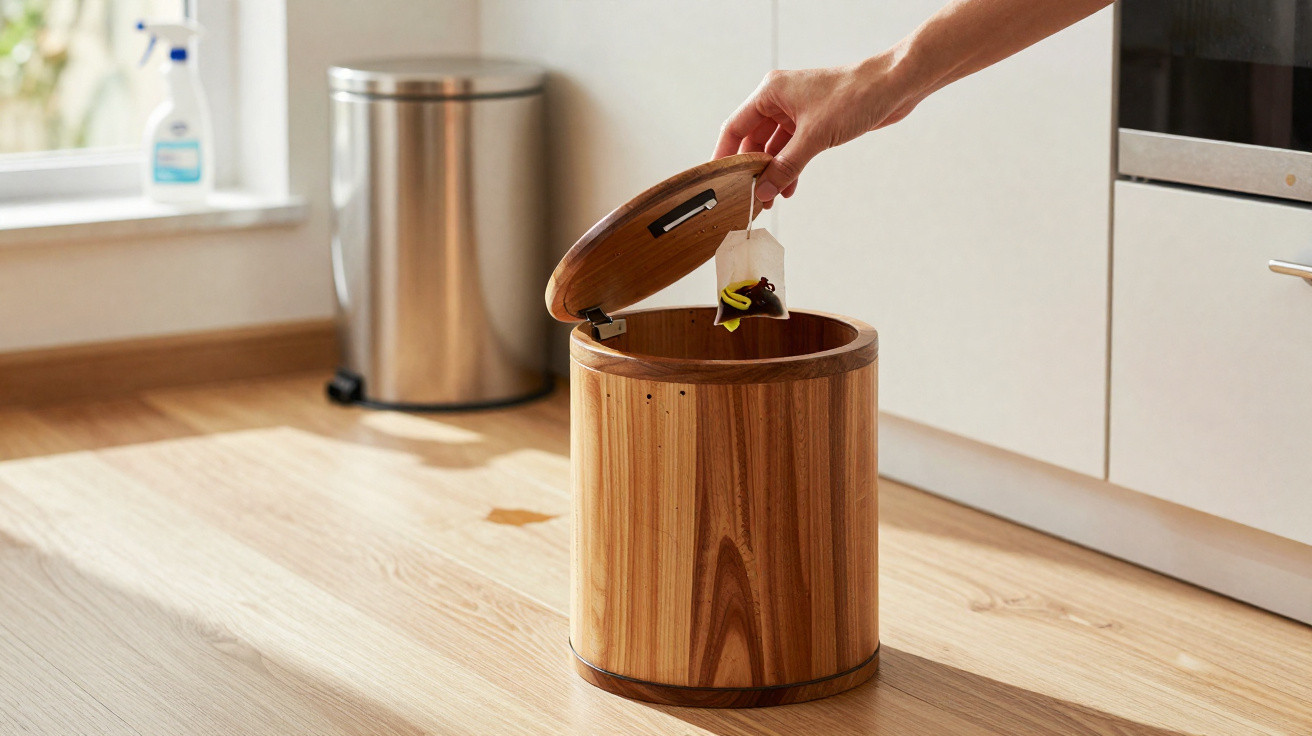
When people think about kitchen hygiene, they usually picture meat juices on a chopping board, mouldy vegetables or washing-up sponges. The inconspicuous kitchen bin is a secondary concern in many homes. Yet it is precisely there that germs find ideal conditions to multiply rapidly – particularly when a certain interior-design trend is involved.
Why the kitchen bin is an ideal breeding ground for bacteria
Food scraps, used tissues, smeared packaging and damp cloths end up in kitchen waste every day. With consistent waste separation, the conventional general-waste bin has often become smaller – but it still stands in the middle of the room and collects the most unpleasant remnants of everyday life.
Hygiene specialists classify the bin as a typical “wet zone”. Several risk factors come together there:
- organic waste, including food leftovers and peelings
- moisture from liquids, condensation or wet cloths
- the relatively warm kitchen environment
- frequent contact with the lid, handles and rim
Especially when combined with a little water, the number of microorganisms on these surfaces can increase dramatically. As soon as the lid is lifted or the bin is touched, germs can transfer to hands, drawer handles and tea towels – and ultimately to food.
The bin is one of the kitchen’s underestimated germ hotspots – and it is usually positioned right beside the worktop.
There is another familiar issue: the liner tears or sticks to the bottom, liquid leaks out and a damp film forms on the inside walls. If the bin is only thoroughly cleaned infrequently, a stubborn biofilm of bacteria and fungi can develop.
Trend item or hygiene trap? When the bin material becomes a problem
Interior magazines and furniture retailers promote the “natural look”: wooden fronts, bamboo shelving, warm colours – and a wooden bin to match. It may look cosy and premium, but from a hygiene perspective, this trend is a real own goal.
Experts clearly advise against waste bins made from wood. The reason lies in the material itself: wood is porous. It absorbs liquids, retains odours and cannot be scrubbed as clinically clean as metal or plastic.
The everyday consequences are as follows:
- “Bin juice” seeps into tiny pores and dries there.
- The material swells during cleaning, creating minute cracks and edges.
- Bacteria, mould spores and yeasts settle in these micro-gaps.
- Harsh cleaning products can damage wood, so they are often used too sparingly.
Wood feels natural and warm – and that is exactly why it absorbs moisture and gives germs countless hiding places that a cloth will never reach.
Over time, the wood can warp, perhaps break around the edges, and the lid may no longer close properly – allowing odours and germs to escape more easily. Anyone then giving the bin only a quick wipe often cleans just the visible areas, while established bacterial colonies remain deep within the material.
Which kitchen bin is the hygienic choice
Materials that are smooth, non-absorbent and resistant to heat and cleaning products are healthier choices for the kitchen. Two options in particular are commonly recommended:
| Material | Advantages | Typical drawbacks |
|---|---|---|
| Plastic | lightweight, inexpensive, easy to clean with washing-up liquid, does not rust | can absorb odours over time, scratches more easily |
| Stainless steel / inox | very smooth surface, sturdy, less prone to odours, often has a more modern appearance | fingerprints are visible, higher price |
The material is not the only important factor; the construction also matters. A hygienic bin should have:
- as few grooves, joints and difficult-to-reach corners as possible
- a removable inner liner that can be washed separately
- a lid that closes tightly but is easy to clean
- a size that is not excessive, so waste is not left to rot for days
Simple bins with a swing lid or pedal mechanism, without complicated internal components, are practical options. One point often overlooked when buying: every stylish chrome strip, handle and unnecessary bend later becomes another surface where dirt and germs can settle.
The one hygiene trap almost everyone falls into
In many households, the biggest weak point is less about the model than how the bin is used. Many people throw away bin liners only once they are completely full or already overflowing. This may make the bin appear to be used “efficiently”, but hygienically it is a disaster.
Anyone who disposes of a bin liner only once it bursts creates perfect conditions for decay, bad smells and germ growth.
Within just a few days, food leftovers, meat juices, coffee filters and dirty tissues create a warm, damp mixture – a kind of indoor compost, except it is uncontrolled and sitting in general waste. The following are especially problematic:
- fish leftovers and raw meat
- dairy products beginning to ferment
- fruit peel and damp vegetable scraps
- used tissues during a cold
Waiting too long does not merely increase odours; it also raises the likelihood that pathogens will end up on the bin’s surface – and therefore on hands, handles and worktops.
How often you should really clean the kitchen bin
Professional recommendations are clear: the liner should be removed at least every 48 hours, even if it is not yet full. In warm weather or where there are plenty of food scraps, changing it daily is also sensible. Anyone with a gastrointestinal infection, or with young children at home, should replace it sooner rather than later.
A clear care routine is also recommended for the bin itself:
- Weekly: Wipe the inside with hot water and washing-up liquid, paying particular attention to the base and rim.
- Monthly: Carry out a thorough clean with a brush and washing-up liquid, followed by disinfectant.
- Always: Act immediately after leaked bin liquid; do not wait “until tomorrow”.
After every wet clean, the bin should dry completely before a fresh liner is fitted. Any remaining moisture will otherwise create ideal nesting places for germs and mould again.
Practical extra tips to prevent germs and odours in kitchen waste
A few simple everyday routines can significantly reduce the risk without turning the kitchen into a laboratory:
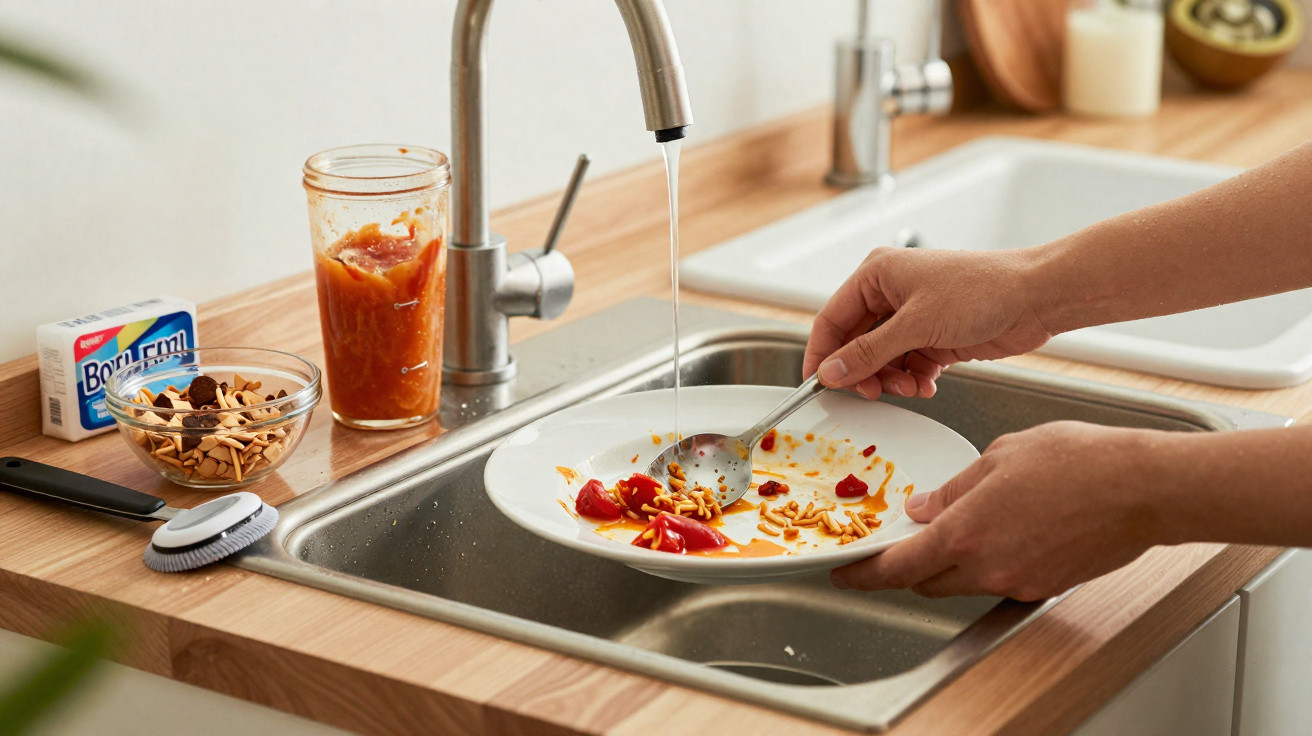
- Empty liquids such as sauces or yoghurt leftovers into the sink where possible before placing the packaging in the bin.
- Wrap strongly smelling food leftovers in paper before putting them in the liner.
- During very hot weather, store food and general waste in a cooler hallway or cellar where possible.
- Wash your hands after every contact with the bin, especially before cooking.
- Wipe the lid regularly with a disinfectant wipe – it is touched constantly.
For people with sensitive stomachs or weakened immune systems, apparently minor details are worth considering: a separate, easily accessible bin for tissues and napkins can be useful, for example, when a wave of colds is spreading through the household.
Why the effort pays off in the end
Food poisoning and gastrointestinal infections do not result only from undercooked meat or spoiled food. Smear infections via hands and surfaces often play a part. The bin serves as an “intermediate stop”: first a hand touches the lid, then the fridge, and afterwards the bread – and germs have already moved on to a new host.
Choosing easy-to-clean materials, not storing waste “forever”, and giving the bin a proper wash regularly noticeably reduces this risk. A supposedly attractive wooden bin or an overflowing liner may initially seem more practical or stylish – but from a hygiene perspective, the plain, easy-to-clean option is clearly the better choice.







Comments
No comments yet. Be the first to comment!
Leave a Comment