
A new soft-drink flavour can seem like a small bit of news, but it matters when you are facing a supermarket chiller and fancy something other than the usual cola, orange or lemon-and-lime options. Coca-Cola has outlined a fruit-focused set of launches for 2027 across several parts of its business, including Coca-Cola, Powerade, Topo Chico, Pibb and Core Power.
The key point for shoppers in the UK is to treat this as an indication of where the company is taking its ranges, rather than a confirmed British release list. Drinks, recipes, names, pack sizes and launch dates can differ sharply by country. Cherry-and-lime cola, dessert-style flavours, tropical sparkling water and zero-sugar sports drinks may be on the way elsewhere, but they will need separate UK confirmation.
Coca-Cola’s planned flavour additions
The announcement includes two Coca-Cola flavours for 2027 in the market covered by the plans:
- Coca-Cola Cherry Lime, expected in February, combining cherry flavour with a sharper lime note.
- Coca-Cola Strawberry Float, planned for the summer, with a dessert-inspired strawberry-and-cream profile.
Both are expected to be available in full-sugar and zero-sugar versions in that market.
Cherry lime is a fairly familiar flavour combination, but it remains less common on British supermarket shelves than cherry cola. Strawberry Float is the more unusual prospect: it appears intended to taste closer to an ice-cream-float treat than a straightforward berry fizzy drink.
The important question for UK shoppers is not whether a flavour sounds tempting, but whether the same recipe and format actually reach British shelves.
Why an overseas launch may not come to Britain
Coca-Cola sells products in many countries, but an announcement in one market is not a promise of a UK release. Local demand, retailer buying decisions, ingredient rules, packaging requirements and the Soft Drinks Industry Levy can all affect what reaches shops here.
A full-sugar drink sold overseas might arrive in Britain only as a zero-sugar version, or with a different balance of sweeteners. It may also be renamed, sold in a different can size or appear only as a short-run convenience-store exclusive.
Where to look for a confirmed UK launch
- Check Coca-Cola Great Britain’s official channels. A local announcement is more useful than a general international product post.
- Watch supermarket new-product pages. Tesco, Sainsbury’s, Asda, Morrisons, Waitrose and Ocado regularly add new drinks online before they are widely stocked.
- Try convenience retailers carefully. Petrol stations, newsagents and larger corner shops sometimes receive unusual cans before supermarkets, although prices can be higher.
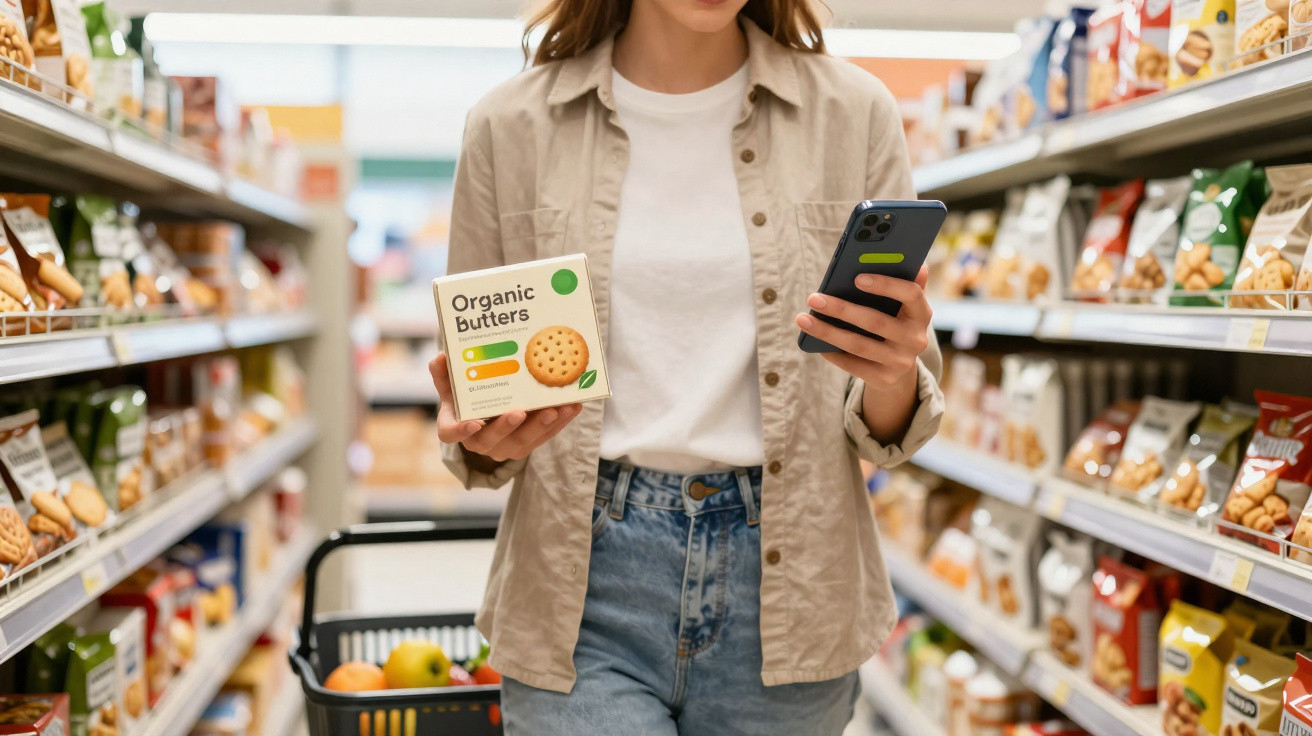
- Read imported labels closely. American sweet shops and import websites may stock overseas versions, but their ingredients, nutrition information and pack sizes can differ from any future UK product.
If you avoid particular sweeteners, caffeine or allergens, check every individual can or bottle rather than assuming all versions of a flavour are alike.
Powerade’s zero-sugar direction
The announced Powerade range includes watermelon and lemon-lime zero-sugar options, listed for January 2027 in the relevant market.
Sports drinks are often bought after a gym session, a five-a-side match, a long bike ride or a hot journey home. However, the word “hydration” can hide important differences between products. Some drinks provide carbohydrate and electrolytes; others are mainly flavoured drinks with sweeteners and added minerals.
For ordinary daily activity, water is usually the simplest option. A sports drink may be useful for some people during extended, demanding exercise involving heavy sweating, but it is not automatically needed after a short workout or a quiet day.
Three checks before buying a sports drink
- Look at the bottle size and serving information. A single bottle may contain more than one serving.
- Compare sugar, energy and salt. Front-of-pack language does not replace the nutrition panel.
- Match it to the occasion. A zero-sugar drink and a carbohydrate-containing drink are not interchangeable, even if both are marketed for sport.
Lemon-and-lime is likely to be the more familiar flavour for British shoppers, while watermelon follows the continuing popularity of sweeter, summer-style drinks.
Tropical water and protein shakes
Topo Chico is also expected to add a pineapple-coconut flavour. It is a familiar tropical pairing, with pineapple bringing acidity and coconut adding a softer note.
Topo Chico is not stocked as widely in the UK as major supermarket sparkling-water brands, so this is another product that should not be assumed to be on its way to Britain. If it does appear, check whether it is plain flavoured sparkling water, sweetened sparkling water or a drink containing juice. Those products can look similar in a chiller but have very different ingredients.
The plans also include new banana and strawberry options for Core Power protein shakes in the United States. Protein shakes can be convenient when you want a portable snack, but “high protein” does not automatically mean a product suits every routine.
Compare protein with the amount of sugar, saturated fat, energy and the price per bottle. Dairy-based shakes are unsuitable for people with a milk allergy, and some may not suit those who are lactose intolerant. Anyone following a specific diet for health reasons should check the ingredients and seek appropriate professional advice where needed.
Prebiotic versions are only being tested
Coca-Cola has also said it is testing prebiotic versions of Coca-Cola Zero Sugar, Sprite Zero Sugar and Fresca in selected parts of the United States. This is separate from the named 2027 flavour launches and is not a confirmed UK plan.
Prebiotics are ingredients intended to support beneficial gut bacteria, often particular types of fibre. That does not make a fizzy drink a substitute for a varied diet containing fibre-rich foods such as beans, lentils, oats, fruit, vegetables, nuts and wholegrains.
Added fibres can cause wind, bloating or discomfort for some people, particularly when introduced quickly. If a prebiotic drink does become available, it is sensible to start with the recommended serving and see how it suits you.
A functional-sounding soft drink can still be an occasional drink rather than a shortcut to better health.
Common mistakes when trying new drinks
New flavours are enjoyable, but a few habits can make them more disappointing or more expensive than expected.
- Assuming an overseas release is already available in Britain. Wait for a UK retailer listing or a local official announcement.
- Buying a multipack before tasting one can. Dessert-style and fruit flavours can be divisive.
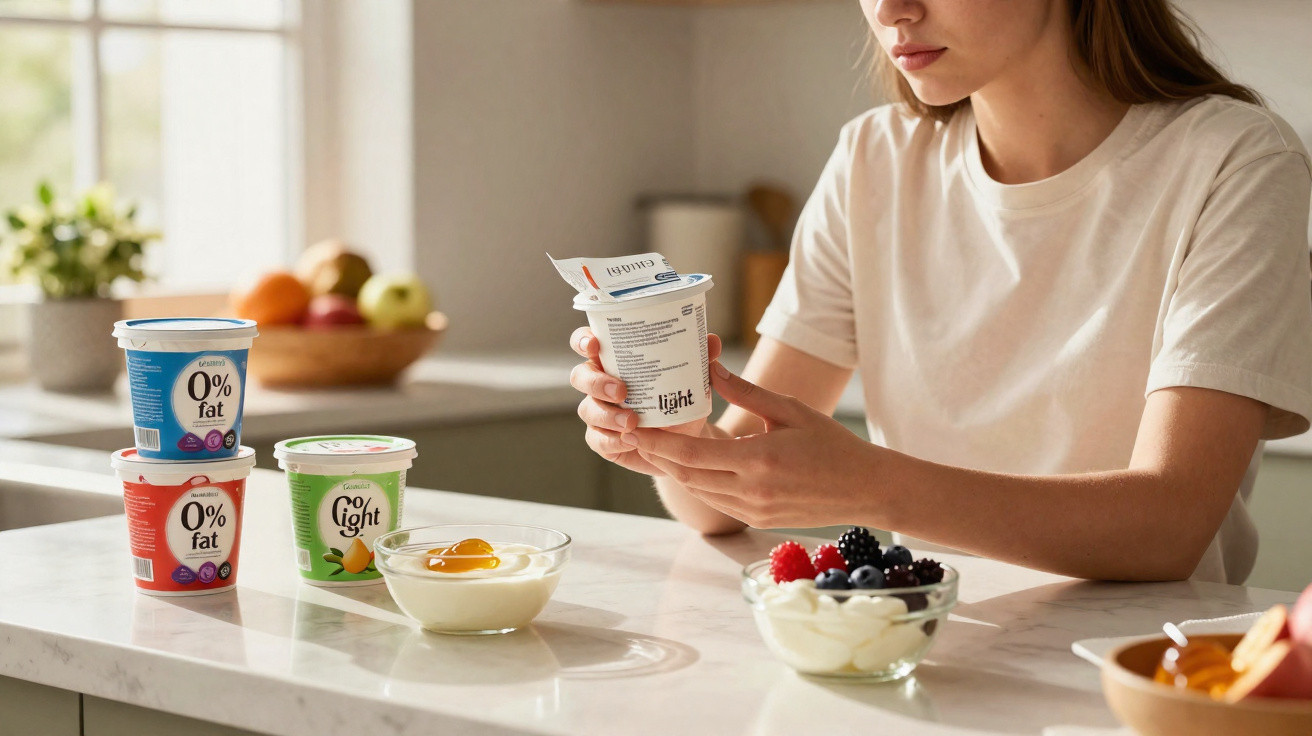
- Confusing zero sugar with caffeine-free. They are separate claims; always check the label.
- Assuming a fruit name means the drink contains much fruit. The ingredients list will tell you whether it contains juice or simply flavouring.
- Paying a steep import premium without checking the size. Imported cans can be smaller than expected and cost far more per litre.
- Using sports drinks as default hydration for children or inactive days. Water is normally the more straightforward choice.
A sensible way to try a new flavour
If one of these drinks does reach the UK, buy a single chilled can or bottle before committing to a multipack. Taste it on its own first, rather than immediately adding ice or mixers, so you can judge the flavour and sweetness properly.
If both regular and zero-sugar versions arrive, try them on separate occasions. Sweeteners can leave a different aftertaste, and drinking the two side by side can make either version seem more intense.
The 2027 plans are worth watching for anyone bored of standard cola and citrus choices. For British shoppers, though, the practical approach is simple: wait for a confirmed UK listing, read the label rather than relying on the flavour name, and choose the drink that suits your taste, budget and routine.



Comments
No comments yet. Be the first to comment!
Leave a Comment