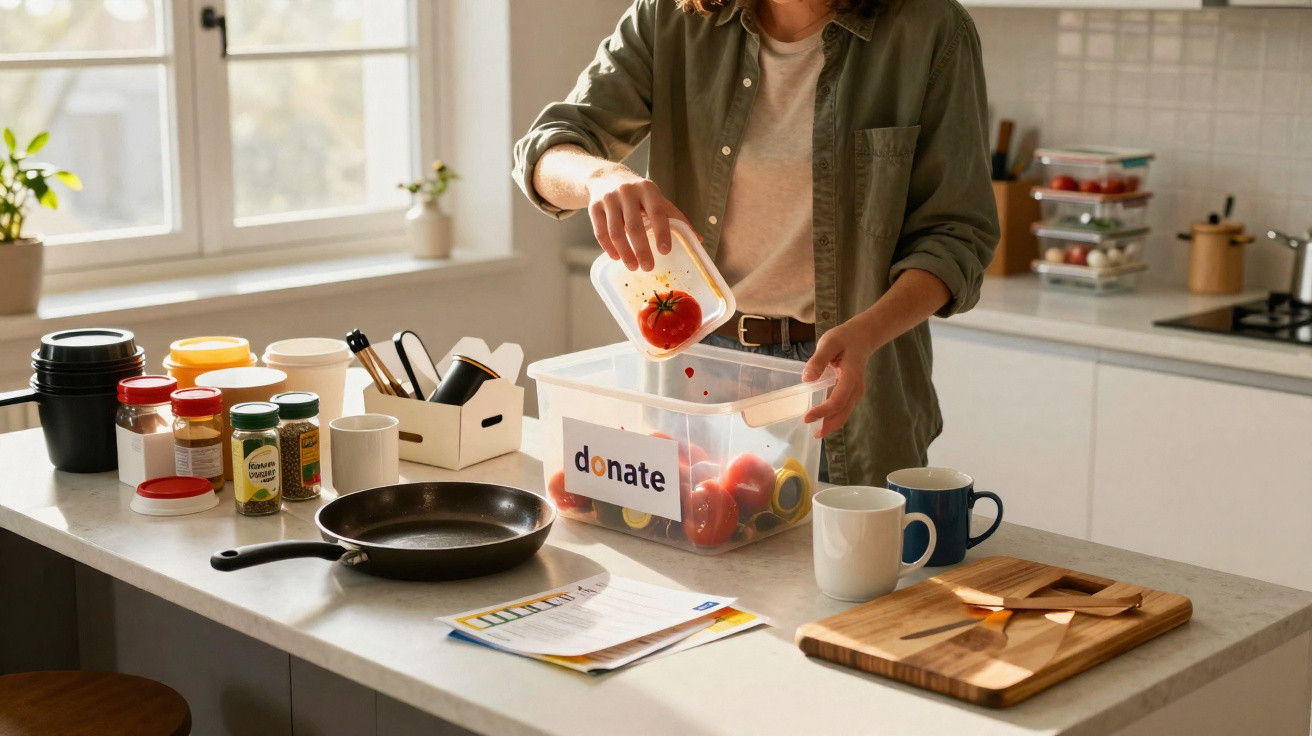
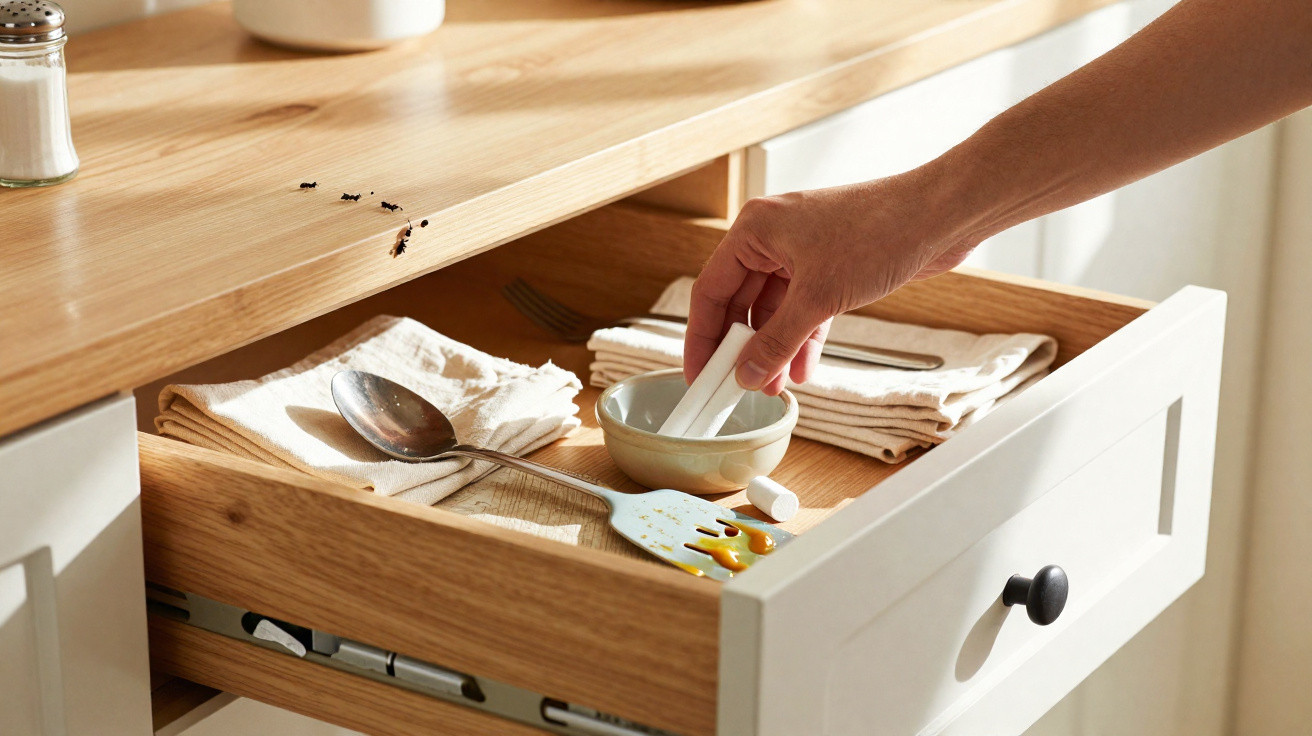
Opening a kitchen drawer only for something to catch and stop it is an instant sign that it is holding far too much.
Old sauce sachets, marked wooden spoons and baffling lids without their matching containers are all wedged in together as though they cannot bear to be parted. You tug, the drawer jolts, and irritation immediately gives way to the familiar guilty thought: “I really should sort this.” Then, once more, you shut it.
We persuade ourselves that the odd baking tin or a prehistoric jar of cloves could be useful one day. We hold on to chipped mugs because they were “quite nice once”, and keep plastic tubs for a hypothetical leftovers crisis. Rather than feeling like the cosy centre of the home, the kitchen becomes a store of good intentions and unhelpful habits. Thankfully, you can get rid of some of it and feel genuinely lighter for doing so.
1. The army of takeaway tubs you will never, ever match
Takeaway containers seem to reproduce when nobody is looking. What begins as two or three quickly turns into an entire battalion of misshapen bases and cracked lids that have no connection to one another. Whenever you bravely open the cupboard, they tumble out in a noisy heap, sending you muttering words unsuitable for children. You push them all back inside and vow to “sort them properly” next weekend, which, naturally, never happens.
In reality, the same two or three tubs are the only ones you use repeatedly. Everything else is a collection of phantom containers, occupying your cupboard and testing your patience. Save the robust tubs that stack well and seal securely. The unmatched, stained, lidless and distorted ones are simply clutter pretending to be “useful one day”. Get rid of them, and notice how quickly the cupboard stops launching attacks.
The easy rule: lids or nothing
Spread the whole collection across the table once and for all. A tub without a matching lid that clicks firmly into place has to go. No “maybe lids” and no “I’ll find it later”. You will not. Every calm, drama-free trip to that cupboard will make your future self grateful.
2. Spices old enough to have seen multiple prime ministers
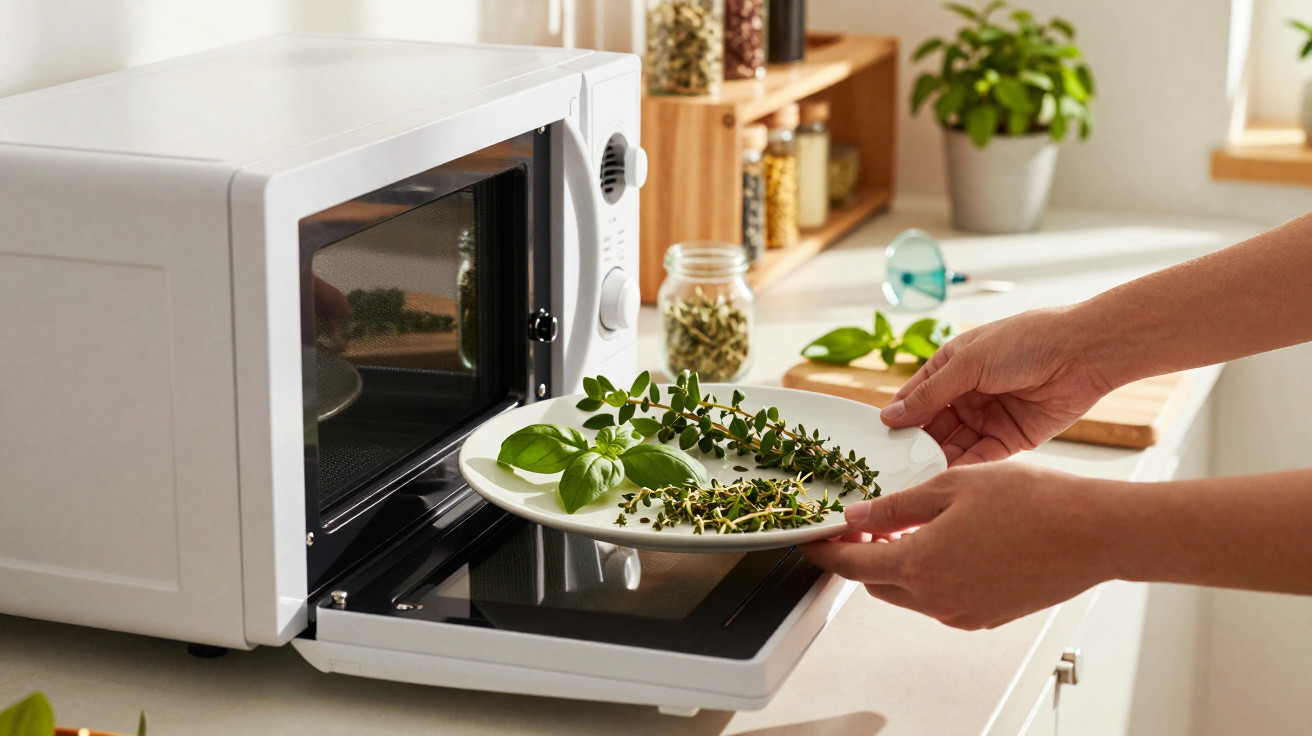
Most of us have reached for cumin, sprinkled some into a pan and discovered that it has no smell whatsoever: only the faintest echo of meals gone by. Dried spices appear everlasting because they are tidy, dry and free from mould. Yet they quietly lose their flavour, sitting in the cupboard as pale dust while you assume they are still contributing something.
Set aside one brave afternoon to empty them all out. Check the labels, as some dates may look as though they belong in a historical archive. Others will have no date at all because you decanted them into miniature glass jars during your “organised kitchen” phase. Give each one a sniff. If you need to breathe in deeply to detect the slightest aroma, its time is up.
Life is too short for lifeless curry and anonymous pasta sauce. Retain the spices with real flavour that can fit on one shelf or rack, and discard the rest. You are not wasting food; you are getting rid of coloured dust.
3. Mugs that physically hurt your soul
Everybody has a preferred mug: the one that sits comfortably in your hand, holds precisely the right amount of tea and is chosen without a second thought. Then there are all the others: the chipped promotional mug from a job you hated, the undersized cup that provides three mouthfuls of tepid coffee, or the novelty design that makes you dribble when you try to drink from it.
We keep these mugs through politeness. They were gifts, they cost nothing or they are “still fine”. Yet having to move five dreadful mugs to reach the one decent one is a daily reminder that the kitchen is not serving you properly. Honestly, nobody chooses those miniature souvenir cups unless every other mug is dirty and hope has left the building.
The emotionally honest mug test
Arrange every mug in a line and be unsparing. Which ones do you genuinely like using? Which provide a tiny daily pleasure, and which merely feel like settling? Keep a sensible quantity for the number of people who actually drink hot drinks in your home at once. You are entirely entitled to part with the mug whose cracked glaze you secretly dislike, without feeling guilty.
4. Dead gadgets from your “new me” era
In a cupboard somewhere, there is probably a spiralizer that had two outings in 2017. Perhaps there is a juicer purchased after one especially convincing documentary, or a mini waffle maker that briefly seemed to define your personality. Hidden behind the cereal boxes, these items sit quietly reproachful while you make the same three simple dinners again and again.
Those gadgets carry a particular kind of shame. They are not merely possessions; they represent versions of you that never quite lasted: the person who prepared vegetables every Sunday, made green juice at 6am or hosted brunch each weekend. Passing them can feel like seeing a mildly mortifying old photograph of yourself wearing an unusual hat.
Letting them go does not mean you have failed. It means accepting how you truly live. When a gadget does not deserve counter space or, at the very least, come out once a month without resentment, it is no longer a tool but a relic. Somebody else may genuinely enjoy that waffle maker, and you need not retain it as a museum piece.
5. Plastic containers stained a permanent shade of tomato
You know exactly which ones these are. They began life clear, perhaps even rather attractive, until bolognese, curry and chilli transformed them into a valiant shade of orange. Soaking, scrubbing and leaving them in sunlight have done nothing to restore them. Even clean and dry, they carry a faint garlic scent.
We keep them because they still “work”. Yes, they can contain leftovers, but they also look shabby and a little embarrassing when you send food home with someone. Seeing that tower of stained tubs each time you open the cupboard brings a small, weary thought of “I really should do better than this”. You do not need to reproach yourself forever through your Tupperware.
Keep a small collection of containers you are happy to use, which do not smell of last winter’s stew and stack efficiently. The warped, stained and smelly tubs have already done their duty well. You have had value from them, so let them retire gracefully.
6. That second-best pan that’s actually the worst
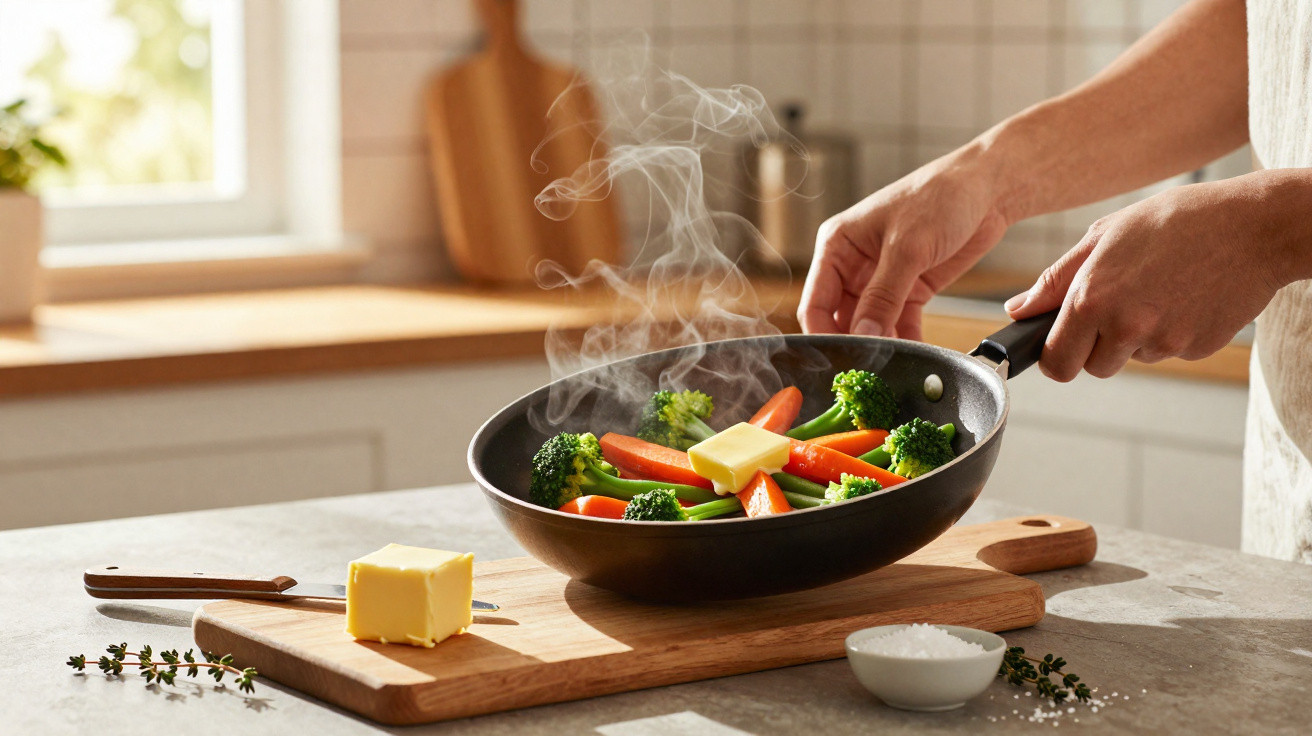
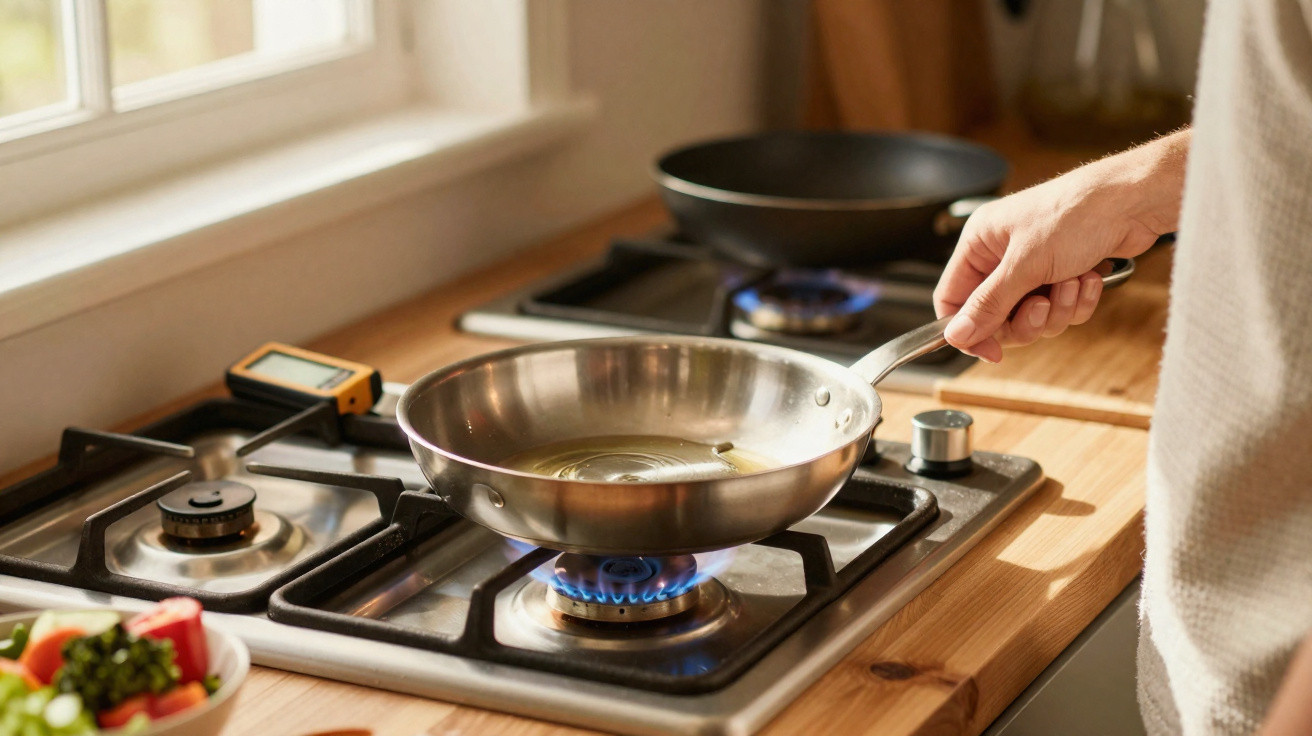
Most people rely on the same one or two pans daily. Then there is the unwanted extra: scratched, fitted with an unsteady handle and guaranteed to make food stick, regardless of how much oil goes in. It remains in the cupboard because you wonder, “What if all my other pans are dirty?” When you finally use it, dinner catches at once and you promise never again.
Keeping a truly awful pan does not make you better prepared. It only creates more chances for a miserable evening in the kitchen. If reaching for it makes you hesitate, or you know you will end up scraping burnt remnants from the base, it is not a reserve pan; it is a trap.
You can absolutely own fewer items of better quality. A reliable frying pan and a good saucepan will do much more for you than cupboards packed with cheap, unpredictable cookware. Remove the pan you privately loathe, and after one peaceful non-stick evening, you may wonder why you waited.
7. Fancy jars of things you never actually eat
Many kitchens have a small shelf that quietly says, “You were going to be a different person.” It holds truffle oil, pomegranate molasses and chilli jam bought at a market because the seller smiled at you. There may be artisanal mustard from a weekend away that remains unopened. Each glimpse can bring a little guilt about not being someone who makes elaborate weekday meals simply because it is Tuesday.
Some of these products may still be delicious. Open them, try them and decide whether they have a place in the meals you honestly make from week to week. If your genuine response is, “I don’t even know what to put this on,” perhaps it was never meant for you. Your kitchen does not need to function as a food hall display.
Unopened items that remain in date can be passed to a food bank or a neighbour who may truly enjoy them. A crusty jar lurking at the back, complete with a sugar crown or slick of oil on top, can exit neatly into the bin. Editing your shelves to reflect what you really want to eat is not wasteful; it is deeply sensible.
8. The stack of takeaway menus and paper clutter
Near the microwave or attached to the fridge, there is often a bundle of paper that once seemed practical: takeaway menus, oven instructions, oven-cleaning flyers and the magnet for an emergency plumber you used once in 2014. These small sheets multiply unnoticed. You never actively decide to keep them; they arrive individually until you suddenly own a precarious tower of glossy pepperoni images and questionable clip art.
The amusing part is that you probably place all your orders online now. You search for the restaurant or open an app rather than carefully unfolding an old, crumpled menu from a drawer. Those papers simply remain, becoming slightly yellow at the edges and making an otherwise clean kitchen look needlessly crowded. The refrigerator hum and the rustle of aged menus begin to feel like a source of low-level stress.
Keep only one or two items you truly require on paper, perhaps the oven manual or the number of a person you genuinely trust. Put everything else straight into recycling. Your fridge door will feel more peaceful, the worktops can breathe, and your mind will quietly relax each time you pass by.
9. Cracked chopping boards and sad old utensils
There is something slightly dispiriting about a spoon with a melted tip or a chopping board whose grooves resemble a map of ancient rivers. We retain them because they “still kind of work” and because replacing them feels oddly extravagant. Having seen so many meals, they can almost seem like family members. Still, picking them up brings a brief sense of “ugh”.
Cracked plastic boards harbour moisture and odours, and they never seem completely clean. The rubber spatula whose handle detaches whenever you stir feels like an ongoing practical joke. These objects are not harmlessly neutral: they irritate you quietly every day. Preparing a basic meal with utensils you dislike turns dinner into another small frustration.
Discard the worst examples: the board you constantly eye suspiciously, the spoon you never choose and the whisk that ties itself in knots. Replace only one or two with sturdy pieces that feel good in your hand. Chopping an onion or stirring soup can then feel less like a task and more like a modest, reassuring ritual.
10. The “just in case” duplicates you never reach for
Kitchens attract spare items. Three peelers, four bottle openers and two colanders despite there being only one sink. These extras arrive from former house shares, ex-flatmates or parents clearing out their homes. You drop them into a drawer “just in case”, where they wait for a day that does not arrive.
When you consider it, almost every task already has a natural favourite: the knife you always take first, the peeler that genuinely works and the colander that does not pour half the pasta into the plughole. Everything else merely shifts around the drawer, obstructing you and making a soft clatter whenever you close it sharply.
Choose the version you use and enjoy, then deal firmly with the remainder. Apply sole survivor rules. One excellent tin opener instead of three frustrating ones does not make you less prepared. It means your kitchen suits real life rather than imagined emergencies.
The lighter kitchen you actually want to walk into
There is a gentle freedom in opening a cupboard without being confronted by tumbling lids, out-of-date spices or gadgets you regret buying. A decluttered kitchen need not resemble a showroom or magazine feature. It simply needs to stop resisting you whenever you want to make toast or boil pasta. Finding what you need in two seconds is a form of everyday relief.
You are not disposing of memories or possibility. You are creating room for how you actually live now: late-night toast, improvised pasta and Sunday-morning pancakes made in one dependable pan. Releasing guilt-inducing items restores the kitchen as a place that welcomes you rather than silently criticising you from the cupboards. Once that first feeling of “Oh, this is easier,” arrives, you may begin to ask what else in your home you are finally ready to release.


Comments
No comments yet. Be the first to comment!
Leave a Comment