In a bustling kitchen, modest routines usually prove more useful over time than flashy gadgets.
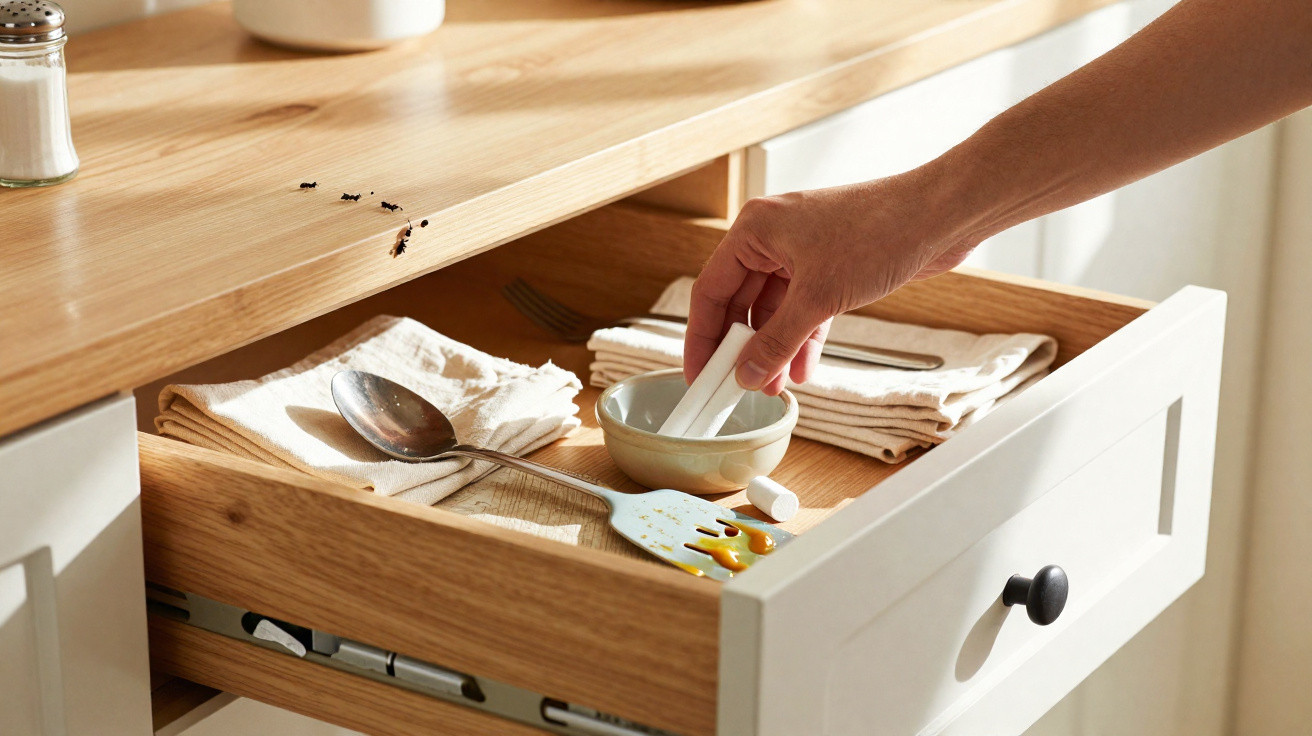
Kitchen drawers create their own microclimate. Steam, cooking oil and smells can enter, only to become enclosed behind the drawer front. A small chalk-white moisture buffer can moderate those conditions and help everyday utensils stay fresher for longer.
How white chalk works inside a drawer
White chalk produced from calcium carbonate is porous. It draws moisture from the air and takes in some compounds responsible for odours. There is no need for elaborate chemistry: it is simply a dry mineral with countless tiny pores that steadily attract water vapour.
This is particularly relevant in a UK kitchen. A single pan simmering on the hob can rapidly increase relative humidity, and that rise remains inside a shut drawer. Salt becomes caked, spice jar lids turn sticky, stainless steel loses its brightness and silver tarnishes more quickly. Adding two or three chalk sticks reduces these dramatic changes in the air, meaning your kitchen equipment is exposed to less.
Think of chalk as a passive dehumidifier for small spaces: cheap, silent, always on, and just effective enough to prevent day‑to‑day niggles.
Chalk cannot rival an electric dehumidifier, nor is it intended to. Within the limited space of a cutlery drawer, two or three sticks held in a breathable sachet can make a clear difference. When you open the drawer, you should notice fewer sticky lids and less of a stale smell.
Using white chalk every day
Choose plain white chalk labelled as 100% calcium carbonate. Steer clear of scented or coloured versions, along with products containing waxy binders. Plenty of school “chalks” are made from gypsum or blended with polymers. Blackboard or art chalk that specifies calcium carbonate is the more dependable choice.
- Put 2–3 sticks into a cotton or muslin sachet and tie it securely.
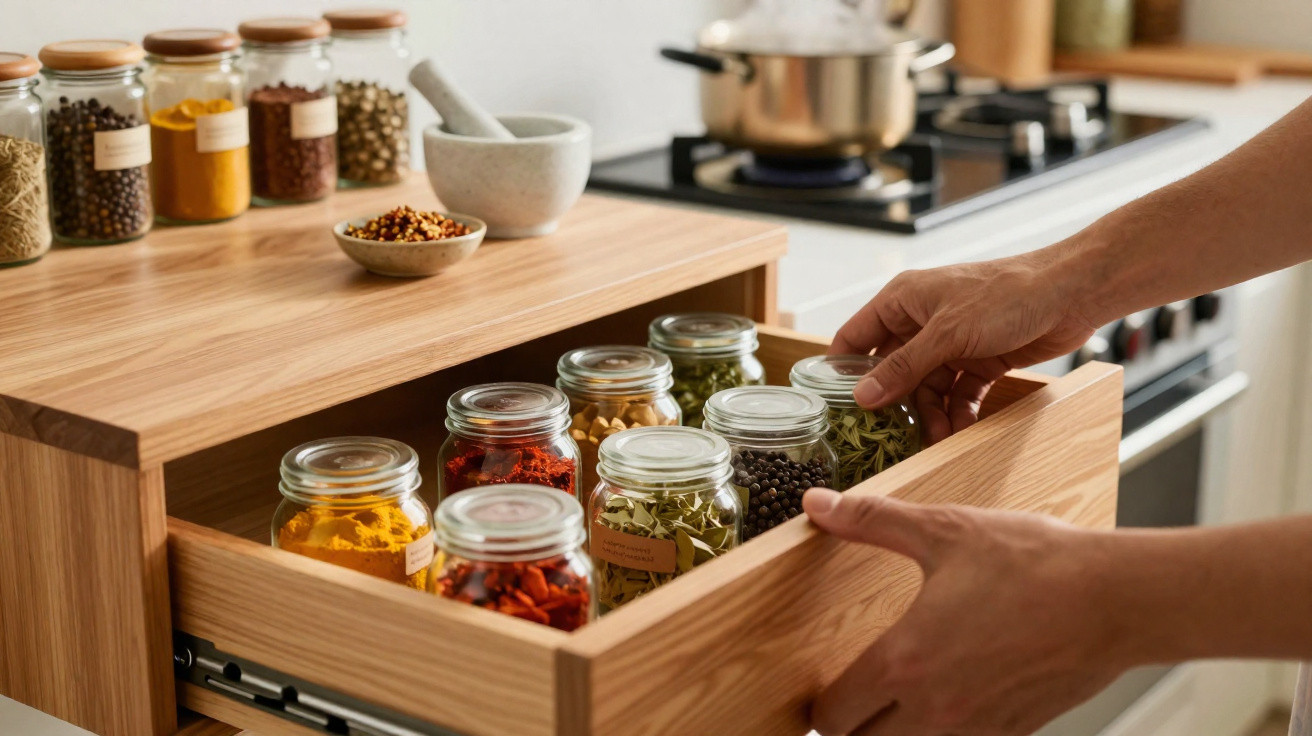
- Use one sachet in each main drawer, such as cutlery, spices and the “bits and bobs” drawer.
- Keep it separate from unpackaged foods such as flour and rice. Chalk should sit beside jars and tools, never inside them.
- Renew it by drying it: leave it on a sunny windowsill for two hours, or put it in a low oven (80–90°C) for 30 minutes.
- Change the chalk once it crumbles readily or appears exhausted. In most households, each sachet lasts from one to three months.
Set it and forget it. Check once a month, dry it out, carry on. The habit takes seconds and pays back every day you cook.
Fast chalk treatment for grease stains
Got fresh oil on a T-shirt or tea towel? Work chalk into the stain, treating both sides where you can. Its powder draws oil out of the fibres, helping the washing machine do a much better job. Shake away the residue before laundering warm. This is not magic; it is absorption.
Cutlery and silverware: reduced tarnish with less effort
Silver turns dark when moisture and sulphur compounds reach its surface. Reducing humidity slows this process. Chalk supports that by making the drawer’s microclimate drier. Occasional polishing is still required, but less frequently. Stainless-steel cutlery also retains its shine longer when drawer air is not humid.
Where chalk outperforms gadgets - and where it falls short
Silica gel and activated charcoal take in more moisture per gram, but they are more expensive and are frequently packaged in plastic. Chalk is preferable for its low price, ready availability and simplicity. It is sufficient for one drawer. For a humid cupboard or utility room, switch to silica gel or a powered dehumidifier.
Good ventilation remains essential. Following a substantial cooking session, open a window slightly or use the extractor fan, then leave drawers open for ten minutes. Chalk can then handle the remaining moisture by taking the edge off it.
| Spot | Set-up | Benefit | Refresh rate |
|---|---|---|---|
| Cutlery drawer | 2–3 sticks in a cotton sachet at the back | Fewer dull spoons, less “drawer smell” | Dry monthly; replace every 2–3 months |
| Spice drawer | 1–2 sticks, away from loose seasonings | Lids open cleanly, fewer clumps in salt | Dry every 3–4 weeks |
| Odds-and-ends drawer | 2 sticks near back corner | Fewer lingering odours from mixed items | As needed after heavy cooking |
Safety, cleanliness and a realistic expectation
Minimise chalk dust by keeping the sticks in a sachet, which will also contain any fragments. Do not put chalk anywhere it could shed onto uncovered food. If you have asthma or sensitivity to dust, deal with it outside or above the sink, then wash your hands afterwards.
Households with young children or pets should handle chalk as they would any other household product: keep it out of reach, and do not regard it as a toy or food. For a completely dust-free alternative, opt for sealed rechargeable desiccant packs. They are more costly, but can be dried in the oven and reused for years.
Chalk won’t fix a leak, cure mould or replace ventilation. It will reduce the daily annoyances caused by routine humidity and odours inside confined spaces.
Ant trails, odours and additional uses
Drawing a chalk line over an entry point may disrupt ant trails by interfering with the scent signals they follow. This is only a short-term barrier rather than a pest-control solution. If ants continue to be a problem, clean surfaces, block access points and use suitable targeted treatments.
Chalk may reduce low-level odours in cupboards and drawers by absorbing certain volatile compounds. With powerful smells, combine it with basic cleaning: wash the surfaces in hot soapy water, dry them thoroughly and only then put in the sachet. Clean surfaces come first; absorbents come second.
Test the difference with a small home experiment
If you prefer evidence, place an inexpensive hygrometer in a drawer for one week without chalk. Record the highest daily reading after cooking. Next, add a chalk sachet and repeat the test. You should find lower peaks and a quicker return to normal levels. Although the change is minor, it accumulates over months of use.
Guide to buying the right chalk stick
Look for white, uncoated and unscented chalk, with calcium carbonate stated on the packaging. Avoid brightly coloured school sticks and waxed tailor’s chalk. Stationery departments and art shops commonly show the composition clearly. If you are uncertain, purchase a small pack and try one: suitable chalk scratches easily into powder and feels dry instead of slippery.
Extra ways to create a calmer kitchen climate
Pair chalk with habits that work together: keep lids on pans, switch on the extractor fan before cooking begins, and ventilate briefly through a window afterwards. Dry laundry outside or in a ventilated room rather than beside the hob. A more stable indoor climate also protects wooden utensils and chopping boards.
In terms of cost, chalk is difficult to beat. One small box can serve a flat for months. If you now work from home and prepare more lunches, its benefit increases further. You get less clumping, fewer sticky jars and brighter cutlery. It is an unobtrusive improvement that matches the British preference for inexpensive, low-maintenance solutions.



Comments
No comments yet. Be the first to comment!
Leave a Comment