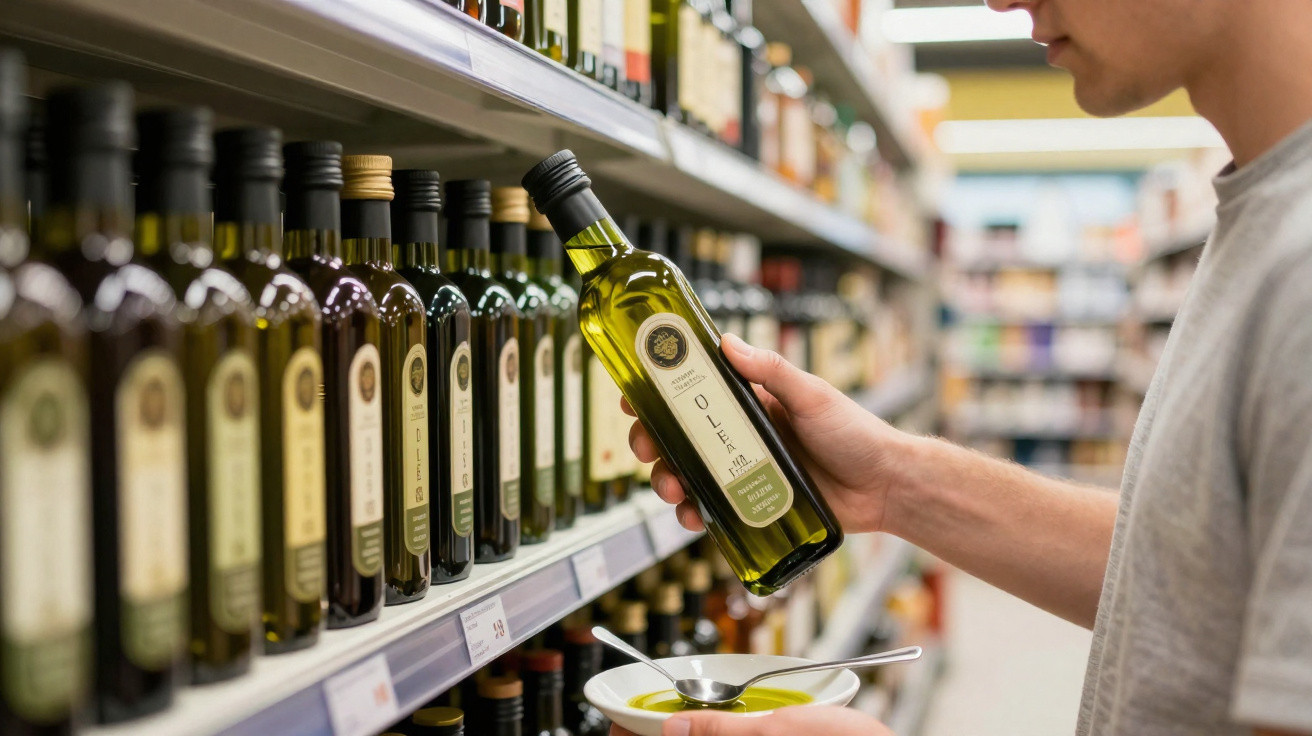
On the shelf, it may look much like countless others, yet a recent comparison of 22 olive oils has awarded the top spot to a product from Provence. Sensory qualities, fatty-acid profile and contaminants were all assessed rigorously. One bottle ultimately came out on top – though it is hardly one that most shoppers would casually place in their trolley.
What the major olive oil test actually assessed
The consumer magazine focused solely on extra virgin olive oil. This highest quality grade denotes cold-pressed oil that has not undergone chemical refining and whose acidity is tightly controlled. The selection included both organic and conventional products, ranging from discount own-label options to costly premium bottles.
The testers closely examined three areas:
- Nutritional quality: the fatty-acid composition, particularly the proportion of monounsaturated fatty acids
- Contaminants: evidence of pollutants and unwanted residues
- Taste: sensory assessment by a specialist panel
Taste – the aspect consumers notice most immediately – was given particular weight. However, the assessment also considered how clean and natural the oil truly was.
“The testers assessed not only the flavour, but also the chemical substances in the oil – both beneficial and problematic ones.”
The surprise on the shelf: French brand outperforms its rivals
Among the 22 olive oils tested, three products initially stood clearly apart from the rest. Two of them – an organic oil from Costa d’Oro and a French olive oil by Puget – achieved respectable good ratings, but are no longer available in shops. That leaves one name of particular interest to consumers: H de Leos “fruity green”.
This oil leads the test with 15.4 out of 20 points. No other product received a comparably high sensory score. Its flavour is described as intense and fruity yet balanced, combining pleasant bitterness with distinctive pungency.
Why H de Leos olive oil is regarded as exceptional
The olive oil comes from Domaine de Leos in Provence, an estate near L’Isle-sur-la-Sorgue. Testers describe it as an oil that stands well above everyday standards. This judgement relates not only to its taste, but also to its fatty-acid composition, which is considered consistently balanced and high quality.
It is this combination – sophisticated aromatics and sound nutritional qualities – that earns the product the best rating in the field. For fans of Mediterranean cooking, it is a clear reason not to simply use the oil up for frying, but to use it deliberately.
The drawback: a luxury price and plasticiser residues
Impressive as the verdict is, the price tag tempers the enthusiasm. A 500 ml bottle costs just under €30, which works out at around €60 per litre. At that level, many households will need to think twice.
There is also one detail that is particularly striking in a quality comparison: laboratory testing found residues of so-called plasticisers, substances that typically originate from plastics. The quantities are not at a level of immediate concern, but their presence does not fit the image of a pure premium product.
“Top taste rating, high price – and yet troubling traces of plasticisers: the test winner does not shine without flaws.”
This contradiction is exactly what has generated so much discussion: a leading oil that is not technically immaculate, yet is very difficult to beat on taste.
How consumers can make practical use of the test results
For everyday supermarket shopping, the findings do not mean that only expensive bottles should now be considered. Instead, they offer a useful guide to what deserves closer attention. Shoppers looking for direction can follow a few basic rules.
What buyers should look for when choosing olive oil
- Quality grade: choose “extra virgin” or “extra vergine” and avoid other descriptions
- Harvest date and best-before date: favour the freshest possible vintages
- Origin: a clear statement of the country or region of origin is a positive sign
- Packaging: dark glass bottles protect the oil from light better than clear bottles
- Price: extremely cheap oils often indicate compromises in quality and provenance
The message of the test is that those willing to spend more can genuinely receive a noticeably better product, with flavour and composition more likely to be right. Even so, shoppers must decide whether the added value justifies the premium, particularly when a litre of oil costs as much as a restaurant meal.
When a premium olive oil is genuinely worth buying
The consumer magazine advises against using the top-rated oil for every frying pan. It makes most sense where its own flavour takes centre stage. Typical uses include:
- finishing salads
- drizzling it over grilled vegetables or fish shortly before serving
- serving it with freshly baked bread as a dip with a little salt
- making cold sauces such as pesto or aioli
Used in this way, one bottle will last considerably longer and the difference in flavour can genuinely be tasted in the dish. For frying at high temperatures, however, a good and substantially cheaper oil is sufficient – including one from the extra virgin category, but without luxury ambitions.
Why olive oil receives so much attention for health
Olive oil has held a special position in nutrition research for years. Its high proportion of monounsaturated fatty acids, complemented by plant compounds, is seen as an advantage over many other fats. Studies often show lower rates of certain cardiovascular diseases in countries with strongly Mediterranean-style diets.
For consumers, three points matter most in everyday life:
- A high-quality olive oil can replace butter or hard fats in many recipes.
- Pairing it with plenty of vegetables enhances the beneficial effect of its antioxidants.
- Its robust taste often means that less fat is needed overall.
Anyone wishing to benefit from these health advantages does not necessarily need the most expensive product on the shelf. Consistent quality, transparent origin and a balanced flavour are usually enough to improve a diet meaningfully.
How to carry out a quick everyday quality check yourself
A full assessment is not possible without laboratory testing, but several simple checks can help with judging an oil:
- Smell test: does the oil smell fresh, perhaps slightly of grass, tomato or almond, or is it more dull and rancid?
- Taste test: a small sip should reveal freshness, light bitterness and a little pungency at the finish.
- Finish: a good oil does not leave a heavy greasy coating, but rather a clear, clean impression in the mouth.
Trying several oils side by side quickly reveals just how large the differences can be, even within the same price range. This direct comparison is especially useful for refining your own view of value for money.
Conclusion for the shopping trolley: choose carefully rather than blindly
The current test makes one point clear: supermarket shelves contain olive oils that may look similar but differ greatly in quality. At the top is a product with a flavour close to fine dining standards, but a price far beyond the everyday budgets of many families and, despite all its quality, it is not entirely free from problematic residues.
When standing in front of the shelf, shoppers are therefore best served by a two-part approach: a solid, not excessively cheap everyday oil for cooking and, if the budget permits, a high-quality bottle for distinctive flavour in cold dishes. This brings a worthwhile touch of Mediterranean living to the plate without making the bank statement hurt too much.
















Comments
No comments yet. Be the first to comment!
Leave a Comment