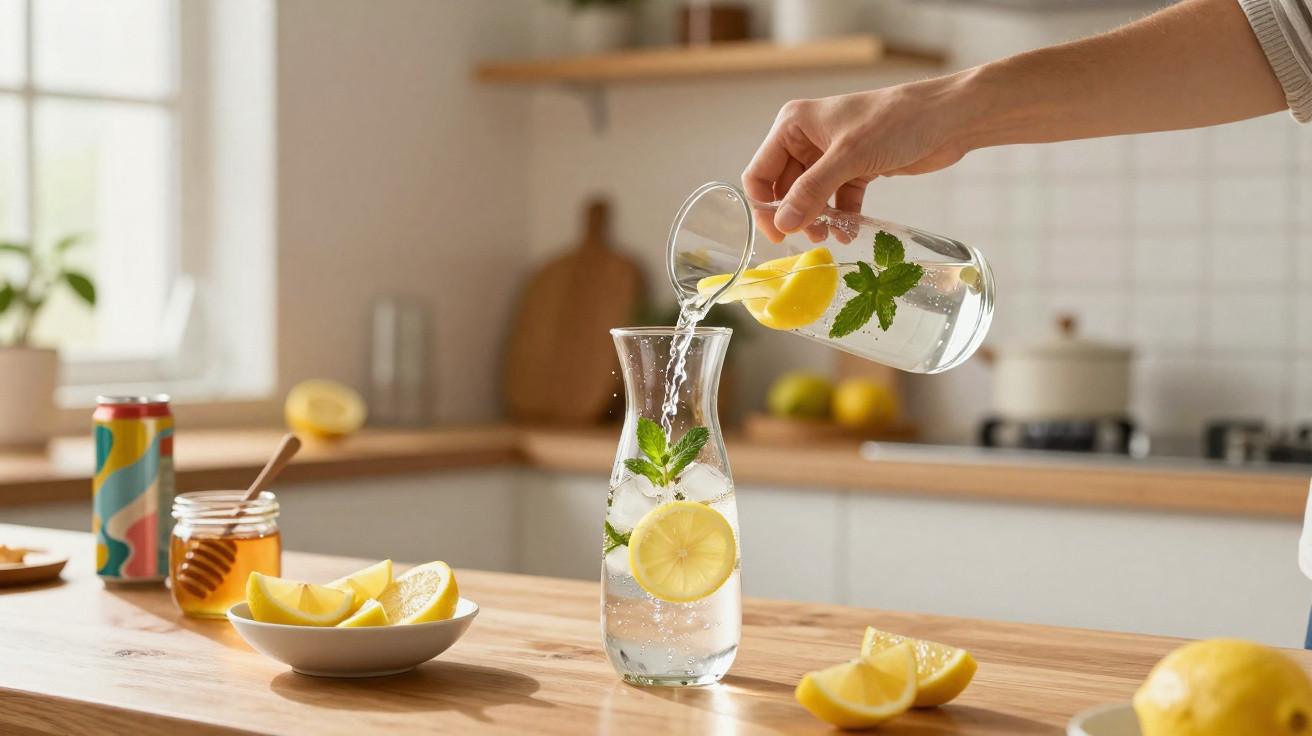
There is, however, a surprisingly straightforward alternative. It costs very little and genuinely tastes good.
More and more people are turning their backs on fizzy drinks and cola. The reason is simple: too much sugar and too little benefit. Instead, something that anyone can prepare at home is taking centre stage – no additives, no marketing, just real flavour.
Why so many people choose lemon
The move away from soft drinks is driven by two clear priorities: health and control. When you make your own drink, you know precisely what goes into the glass. No colouring, no coded sweeteners and no syrup. Just water, lemon and, if wanted, a touch of sweetness. It may sound basic, but it offers exactly what many people are looking for: freshness, gentle tartness and authentic flavour.
Health as a motive: less sugar, more freshness
Lemon provides vitamin C, essential oils and a clean, distinctive taste. Above all, this supports one goal: drinking more often. More water, that is. Adding lemon to a glass makes people noticeably more likely to reach for it, without a sugar rush. This is a positive change, as the WHO recommends strictly limiting free sugars. A 0.5-litre fizzy drink can quickly contain 45 to 55 grams, depending on the brand. Homemade lemon water stays at 0 to 16 grams, depending on how much sweetness is added.
“Less sugar, more desire to drink: lemon makes tap water appealing – without hidden additives.”
There is one point to bear in mind: acidity can irritate teeth. Anyone with sensitive teeth is better off drinking it with a meal, using a straw if necessary and waiting around 30 minutes before brushing their teeth. This helps protect tooth enamel.
Making a lemon drink is this easy
The basic formula is simple: three ingredients, three minutes, done. It is chilled, light and refreshing. Those who prefer it can use sparkling water – the bubbles lift the citrus notes particularly well.
Three minutes, three ingredients
- Squeeze 1–2 organic lemons (around 40–60 ml of juice)
- 500–700 ml cold water or sparkling water
- Optional: 1–2 tsp honey, maple syrup or xylitol; a few mint leaves; ice
“Two lemons, water and a touch of sweetness – a thirst-quencher can be on the table in 3 minutes.”
A useful tip for frequent drinkers is to make a small batch of concentrate. Squeeze 4 lemons, stir the juice together with 1 tbsp honey, pour it into a screw-top jar and keep it in the fridge. It will last for two to three days. Add a splash to a glass, top up with water and it is ready.
| Drink | Sugar per 250 ml | Calories | Cost per 250 ml | Packaging |
|---|---|---|---|---|
| Cola/fizzy drink | ~27 g | ~105 kcal | ~0,60–1,00 € | bottle/can (single-use/returnable) |
| Lemon water (homemade) | 0–8 g (depending on sweetness) | 0–35 kcal | ~0,05–0,25 € | tap water, no additional packaging |
What is behind it: environmental impact and household budgets
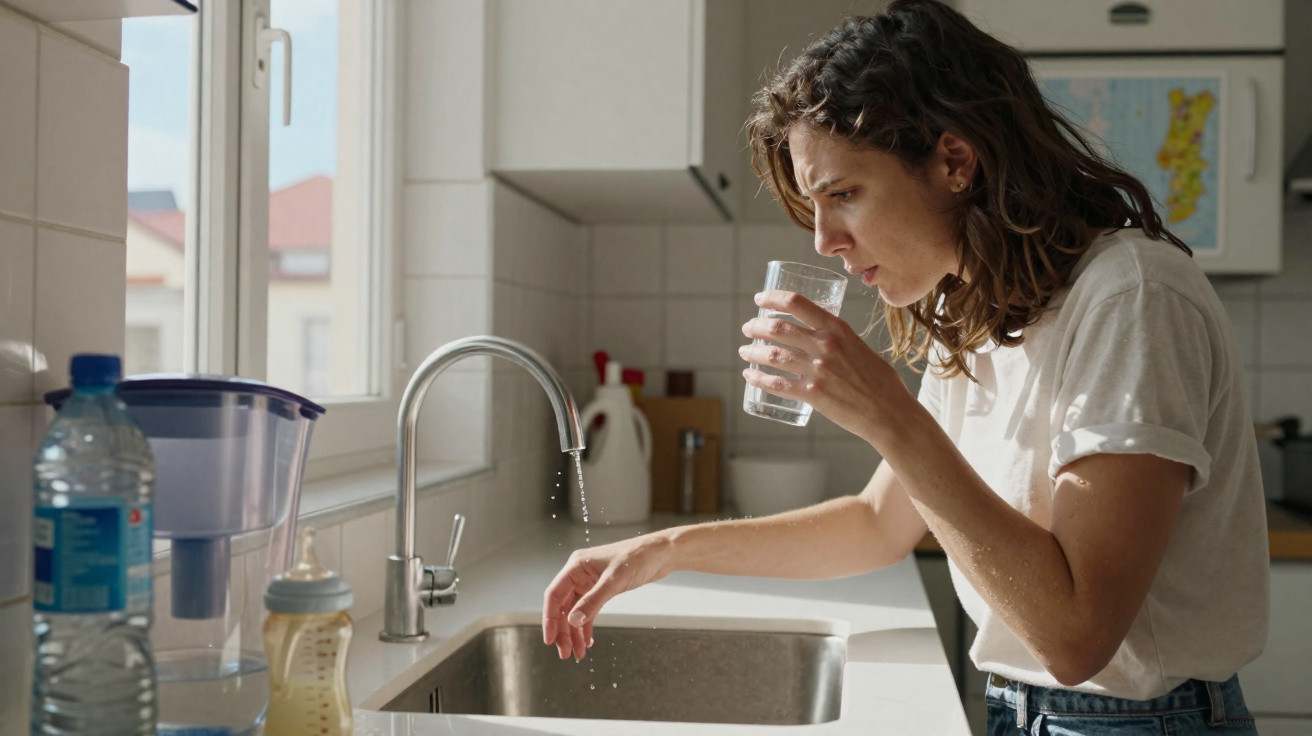
Germany has a strong deposit-return system, yet transporting heavy crates and the question of CO₂ remain. Using tap water cuts down on transport, packaging and energy. The impact adds up, as do the financial savings. Lemons are inexpensive in season, while tap water is cheap and subject to strict controls.
“Choosing tap water saves carrying, deposit receipts and CO₂ – day after day.”
It is practical in everyday life too: there are no storage issues and no last-minute trips because there is “nothing left to drink”. A bag of lemons, a sparkling-water maker or simply the tap is all that is needed. Buying locally also supports fruit growers and local retailers.
Everyday experiences with lemon water
Clara, 34, made the switch a year ago: “I wanted to cut down on sugar without giving up flavour. Lemon was the bridge. Every morning, I make a jug, chill it and drink it throughout the day.” For her, an additional benefit has been fewer afternoon cravings and a more regular drinking routine.
Families report similar experiences: children tend to accept water more readily when a few lemon slices and ice cubes are floating in the glass. At parties, a punch can work without syrup – using lime, cucumber and mint. It looks stylish, costs little and quenches thirst.
Tips, variations and small risks
Which variation suits which moment
- In the morning: lukewarm water with lemon, plus a touch of ginger if desired. It can feel gentle on the stomach.
- After sport: sparkling water, lemon, a pinch of salt and a little honey – this works like a light isotonic drink.
- For guests: lemon slices, lime, mint, ice and sparkling water. Add a few berries for colour if desired.
- For meal prep: freeze lemon juice in ice-cube trays. One cube per glass adds instant flavour.
- For cutting back on sugar: begin without sweetness, then make only minimal adjustments if needed. This allows the palate to adapt.
“Lemon with lukewarm water can stimulate digestion – start gently and listen to your own body.”
There are a few minor pitfalls. Sensitive stomachs may not tolerate too much acidity. Anyone with reflux or frequent heartburn should test small quantities first or opt for milder citrus fruits. The advice for teeth is to avoid constant sipping and drink it in shorter intervals instead. Organic lemons should also be washed before using their peel in slices.
Added everyday value: numbers that motivate
A simple calculation illustrates the difference. Replacing one 0.5-litre fizzy drink a day with lemon water saves roughly 45–55 grams of sugar – amounting to around 16–20 kilograms over a year. Drink costs also fall noticeably. Even using an organic lemon, a glass will often cost only a single-digit number of cents, depending on the price of tap water and the amount of sweetness used.
“Replacing half a litre a day means: up to 20 kilos less sugar per year – depending on the brand and mix.”
A mini plan can make starting easier: in week 1, replace every second fizzy drink; in week 2, replace every fizzy drink. Those who enjoy carbonation can use sparkling water or their own soda maker. The familiar mouthfeel remains, but the sugar disappears.
Small questions that come up frequently
- Use the peel too? Yes, as a slice in the glass, but wash it thoroughly. It releases essential oils.
- Honey or syrup? It is a matter of taste. Anyone wishing to save calories should use it sparingly or leave it out altogether.
- Cucumber and turmeric? They work well. Cucumber adds a cooling note, while turmeric brings warmth and colour – it mixes in well with a pinch of pepper.
- Storage? Mixtures without fresh herbs will keep in the fridge for up to 24 hours. Drinks containing herbs are best consumed on the same day.
One further point on variety: lemon is the foundation, but the options are extensive. Grapefruit, blood orange, yuzu, basil and thyme all work. Anyone seeking a caffeine kick can top cold green tea with lemon juice. It has a pleasantly bitter note and suits the afternoon.
And because many people ask: yes, soft drinks still have their place, for instance as an occasional treat. The key is everyday habits. Those who consistently choose lemon then reduce sugar, waste and travel, while enjoying a drink that remains pleasingly simple. It may sound unremarkable, but it feels surprisingly good.









Comments
No comments yet. Be the first to comment!
Leave a Comment