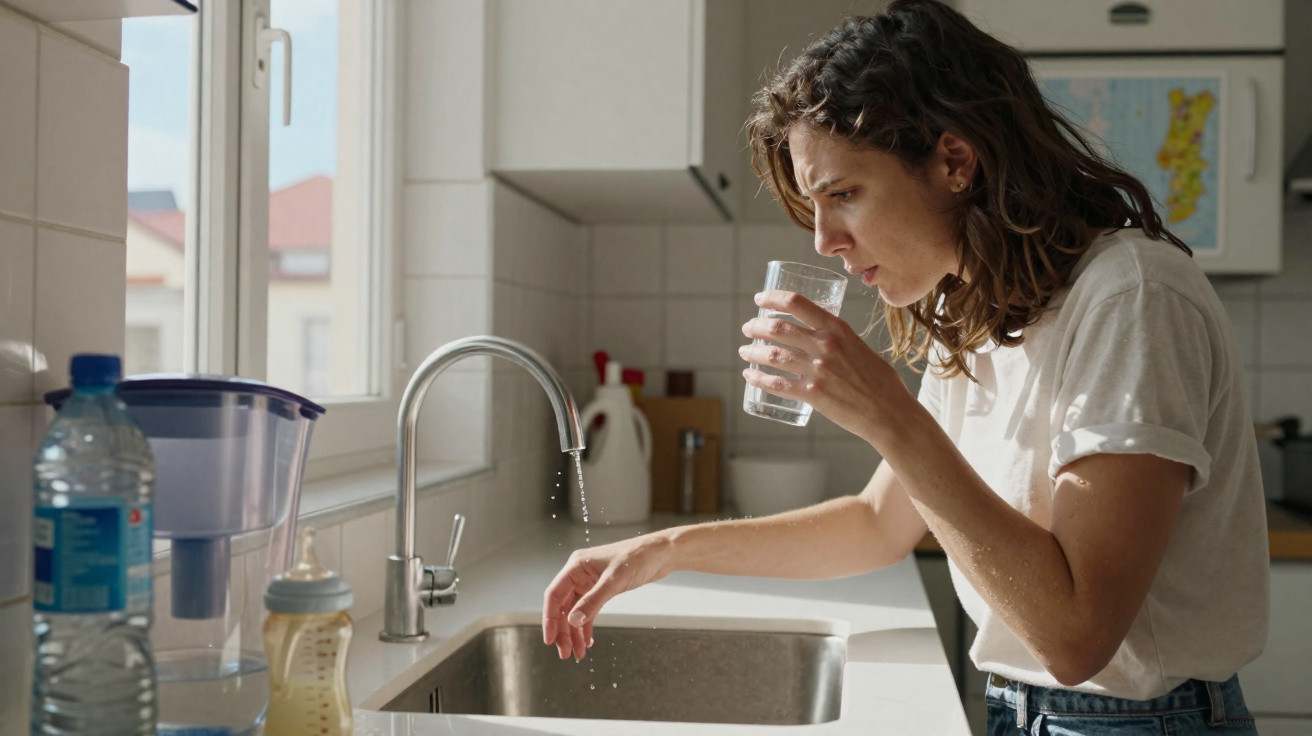
Local authorities have imposed restrictions in several towns after routine testing detected persistent chemicals in mains water. The alert comes at the height of a heatwave, when dependable drinking water is especially essential.
What happened and where
Health authorities found raised concentrations of PFAS - a group of durable industrial chemicals - in tap water supplied to 16 municipalities in the Meuse and Ardennes departments. Residents have been instructed not to drink tap water or use it for cooking or making ice until further notice. The same direction applies to restaurants and food businesses.
Do not consume tap water in the 16 affected municipalities of Meuse and Ardennes. Use bottled water for drinking, preparing food, and baby formula.
The full list of affected municipalities has been issued through town halls and prefecture announcements. People living at the edge of a supply area, or using a private connection supplied by the public network, should review the newest local notice. Water supply zone boundaries do not necessarily follow postcode areas.
Why PFAS raise alarms
PFAS (per- and polyfluoroalkyl substances) are resistant to heat, water and grease. They have been used by manufacturers in coatings, foams, textiles and food packaging. However, this resilience also allows them to remain in the environment and build up in the human body. Long-term exposure to some extensively studied PFAS has been associated with thyroid disruption, lower fertility, raised cholesterol, immune-system effects and an increased risk of certain cancers.
European drinking-water regulations now use two PFAS indicators: a low-micrograms-per-litre benchmark for the “sum of PFAS” and a wider “total PFAS” limit. If monitoring identifies levels above these thresholds, water suppliers must respond quickly by improving treatment or changing water sources. That appears to be the situation in this case.
Boiling does not remove PFAS. It can concentrate them as water evaporates. Switching to bottled water is the right move for now.
Who faces the most risk
The warning particularly aims to protect people more vulnerable to the effects of prolonged PFAS exposure, including pregnant people, babies, young children and older adults. Those with kidney or thyroid conditions should also reduce their intake. Brief exposure is unlikely to produce immediate symptoms, but the objective is to lower cumulative exposure from today.
What you should do today
- Use bottled water for drinking, cooking, baby formula and ice.
- Do not depend on boiling water, as it does not remove PFAS.
- If you have a domestic filter, review its certification, as only some systems reduce PFAS.
- Follow updates from your town hall or prefecture for the complete list and the date restrictions will end.
- If you operate a café, school or care home, move to approved alternative water supplies without delay.
What remains safe to use
| Use | Guidance |
|---|---|
| Showering and handwashing | Usually acceptable, as PFAS are not readily absorbed through the skin. |
| Brushing teeth | Use bottled water to prevent accidental swallowing. |
| Washing dishes | Permitted if dishes are left to dry fully; do not use the water to rinse food. |
| Washing fruit and vegetables | Use bottled water. |
| Preparing baby formula | Use bottled water only. |
| Pet drinking water | Use bottled water. |
How to check if your address is on the PFAS restriction list
The restrictions apply to 16 municipalities in Meuse and Ardennes. As water networks can extend across town boundaries, check your “water supply zone” rather than relying solely on the municipality name. You can:
- Read the most recent announcement from your town hall or the prefecture noticeboard.
- Look at your water bill for the name of your supply zone, then compare it with the current advisory.
- Contact your water supplier’s customer service team and ask whether your street is within the restricted area.
Can a home filter fix this?
Certain household systems can lower PFAS levels, although their effectiveness differs considerably. Granular activated carbon and high-quality carbon-block filters may reduce particular PFAS while they are new, but their cartridges need changing regularly. Reverse osmosis used alongside carbon filtration generally works better, although it wastes some water and must be properly maintained. Ion-exchange resins may also be effective, but they are less common in homes.
Before depending on any device, seek independently verified laboratory results confirming that it reduces PFAS compounds, rather than only chlorine or unpleasant tastes. A model that merely improves taste and odour will not solve this issue. If you are unsure, bottled water is still the safest short-term option.
How long could this last
The duration will depend on operational measures and compliance testing. Suppliers could move to a cleaner source, blend water with supplies from unaffected areas, or add further treatment such as advanced carbon or membrane systems. Agencies will continue taking samples to prove that the network complies with current PFAS limits before restrictions are removed. Updates are likely to come over days or weeks, rather than within hours.
What fixes are on the table
Authorities have identified both immediate mitigation measures and long-term preventive action. In the near term, work will concentrate on flushing, blending and rapid treatment improvements. Longer-term measures include stricter oversight of industrial discharges, improved mapping of historic contamination and regular PFAS monitoring under EU rules. Research teams are also trialling new PFAS “destruction” techniques to prevent captured chemicals from returning to the environment.
A quick PFAS primer for readers
- Where they come from: Non-stick coatings, firefighting foams, waterproof textiles, food packaging and metal plating.
- Why they stick around: Exceptionally strong carbon-fluorine bonds make them difficult to break down.
- How we get exposed: Drinking water, some foods, indoor dust and certain consumer products.
- What regulators track: Groups of PFAS molecules, because testing every compound individually would take years.
Extra context you can use today
Preparing food during an alert can be complicated. When cooking pasta, rice or soup, use bottled water throughout the process. Do not rinse salads or berries under tap water. Refillable coffee machines and kettles should only be filled with bottled water, because limescale filters do not remove PFAS. Once the advisory is lifted, thoroughly clean ice trays and make fresh ice cubes.
Parents frequently ask whether babies can have baths. Brief baths are generally regarded as acceptable because PFAS uptake through the skin is minimal. Keep bathing short to reduce the chance of swallowing water. For preparing formula, use sealed bottled water labelled as suitable for infants. If affordability becomes an issue, contact your town hall about temporary distribution points; during heatwaves, many towns provide free water collection points for vulnerable residents.
To assess the risk, focus on total exposure over time. Avoiding PFAS in water for even one week can significantly reduce intake, particularly for babies. Once the supply meets the required standards again, continue checking municipal water-quality notices during heatwaves or industrial incidents. It only takes a minute and can prevent considerable uncertainty.














Comments
No comments yet. Be the first to comment!
Leave a Comment