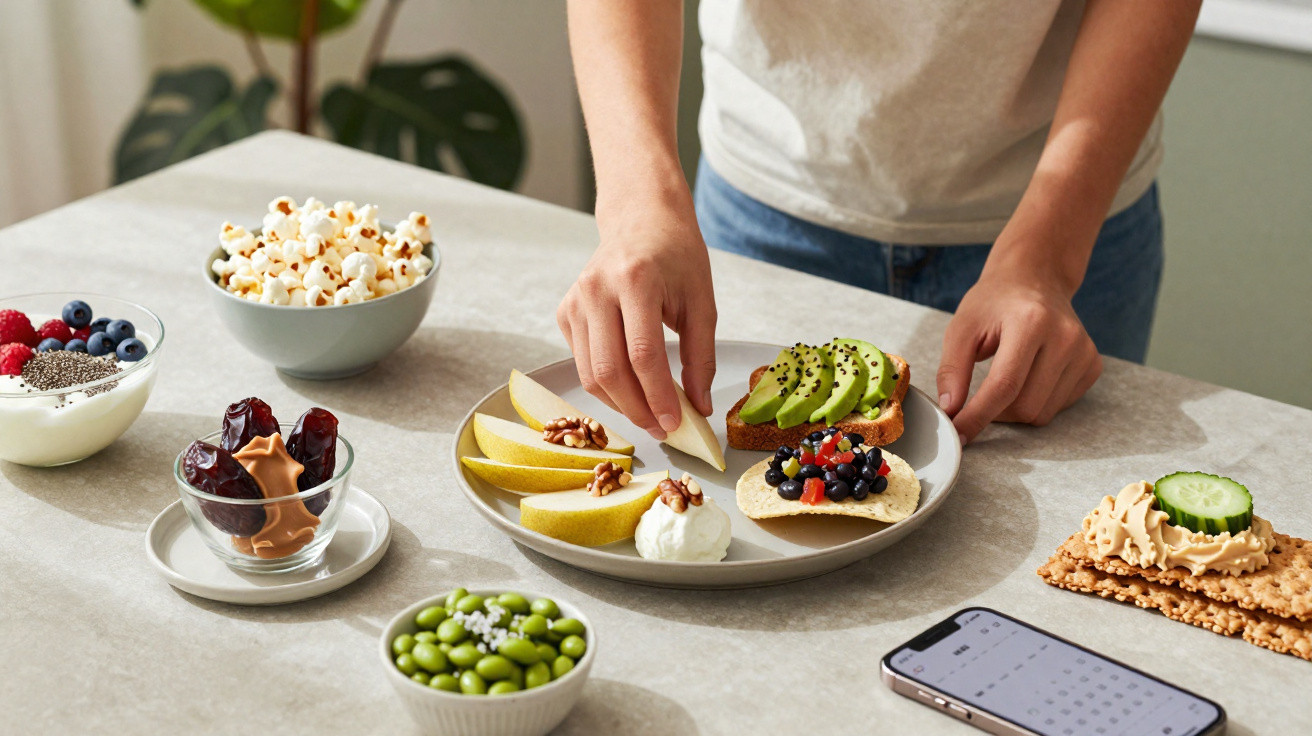
Many of us assume we are “healthy enough” because we include a few portions of fruit and vegetables, but our fibre intake can still be too low. This gap influences far more than digestion: it may affect your energy, mood and long-term health with every meal and snack.
How fibre-rich snacks support steady energy
Adult guidance generally recommends about 25–30 grams of fibre daily, with the target varying by age and sex. Across the US and Europe, however, many people consume barely half this amount. Breakfast, lunch and dinner may seem balanced, yet snacks are often where fibre intake slips, with white bread, biscuits, ultra-processed bars and sugary drinks taking over.
Think of fibre as a brake in your meal. By slowing carbohydrate absorption, it helps blood sugar increase more gradually and reduces dramatic dips afterwards. In practice, this can mean fewer “I need something sweet now” moments and a steadier sense of focus during the day.
Fibre helps tame hunger, supports blood sugar control and feeds the gut microbiome that shapes immunity, mood and inflammation.
Fibre-rich snacks have another useful benefit: they are filling. Yoghurt on its own may leave you hungry again within an hour, whereas yoghurt topped with berries and seeds can sustain you through an afternoon of meetings or school runs. The aim is not dietary perfection, but using snacks strategically to narrow the fibre gap without changing your whole diet.
Eight fibre-packed snacks that taste great
Each idea below follows one straightforward principle: every snack provides at least 4 grams of fibre, and often more, alongside some protein or healthy fat to help keep you satisfied. Mix and match them during the week according to what you enjoy and have in the cupboard.
1. Savoury air-popped popcorn
Cinema tubs drenched in butter and sugar have given popcorn an unfair reputation. Plain popcorn, however, is simply a wholegrain. Three cups of air-popped popcorn provide roughly 4 grams of fibre for very few calories.
For a more exciting version, leave out the caramel and choose savoury seasonings instead:
- 1–2 teaspoons of olive oil or a light spray
- 1 tablespoon nutritional yeast for a cheesy flavour and extra fibre
- Pinch of smoked paprika, garlic powder or dried herbs
A big bowl of seasoned popcorn delivers crunch, around 5 grams of fibre and a decent hit of B vitamins, without the sugar crash.
2. Prunes or dates filled with nut butter
Dried fruit delivers concentrated sweetness as well as fibre. Four to five prunes contain around 3 grams of fibre. Fill each prune with a teaspoon of peanut butter, or another nut butter, and the snack exceeds the 4-gram mark while adding satisfying fats and a little protein.
For a date-based option, two pitted dates filled with almond butter provide around 5 grams of fibre in only a few mouthfuls. The combination tastes almost like a caramel sweet, yet supports rather than works against your blood sugar.
3. Wholegrain avocado toast with seeds
There is good reason the classic avocado toast belongs here. Choose one slice of dense wholegrain bread, ideally with at least 3 grams of fibre per slice, spread over roughly a third of a ripe avocado, then add a tablespoon of hemp, pumpkin or sunflower seeds.
One small slice of seeded avocado toast can hit 6 grams of fibre, plus omega‑3s and plant protein that keep you full for hours.
It is a useful choice for a late breakfast, before exercise, or to bridge the time between lunch and dinner when meetings overrun.
4. Pear, ricotta and walnut “dessert plate”
Make an ordinary pear feel more like a pudding. Cut up one ripe pear, add a couple of tablespoons of ricotta or thick yoghurt, and finish with chopped walnuts. If you enjoy warm sweetness, add a dusting of cinnamon.
Together, the pear and walnuts offer roughly 7 grams of fibre. Ricotta contributes calcium and protein, while walnuts supply heart-friendly fats. Although it looks impressive served on a plate, it takes under five minutes to put together.
5. Wholegrain crackers, hummus and cucumber
For a savoury desk snack, arrange wholegrain crackers with hummus and cucumber slices on a small plate. Checking labels matters here: select crackers that contain at least 3 grams of fibre per serving.
- 3–4 wholegrain crackers
- 2 tablespoons hummus
- Half to one small cucumber, sliced
The crackers and vegetables together bring the total to around 6 grams of fibre. Hummus adds protein, iron and a creamy texture that feels much more indulgent than it really is.
6. Mini black bean and salsa wrap
This is essentially a small burrito that works perfectly as a snack. Spread a quarter cup of mashed black beans over one small wholegrain tortilla, then add a few spoonfuls of tomato salsa.
One handheld wrap can reach around 8–9 grams of fibre, making it closer to a light meal than a basic nibble.
The black beans provide plant protein and iron, the tortilla supplies wholegrain fibre, and salsa brings vitamin C and freshness. It is also straightforward to pack for work or school.
7. Greek-style yoghurt with berries and chia
Plain Greek or Greek-style yoghurt contains plenty of protein, but offers little fibre by itself. Toppings make the difference. Combine:
- 1 pot or cup of plain Greek yoghurt
- 1 cup of mixed berries (raspberries, blueberries, strawberries)
- 1 tablespoon chia seeds
A cup of raspberries may contain up to 8 grams of fibre, while blueberries offer around 4 grams and chia seeds contribute roughly 3 more. Depending on your berry combination, the bowl can provide between 7 and 11 grams of fibre, up to 25 grams of protein and plenty of antioxidants.
8. Steamed edamame with sea salt
Frozen edamame, or soybeans in their pods, are among the handiest freezer staples to have available. Microwave or steam a cup, add sea salt and perhaps chilli flakes, and you will have a warm, savoury snack within minutes.
A single cup of edamame contains around 8 grams of fibre and nearly 19 grams of protein, along with iron, potassium and magnesium.
This combination makes edamame especially helpful after exercise, when both your muscles and electrolyte levels need support.
Making fibre-rich snacks work on busy days
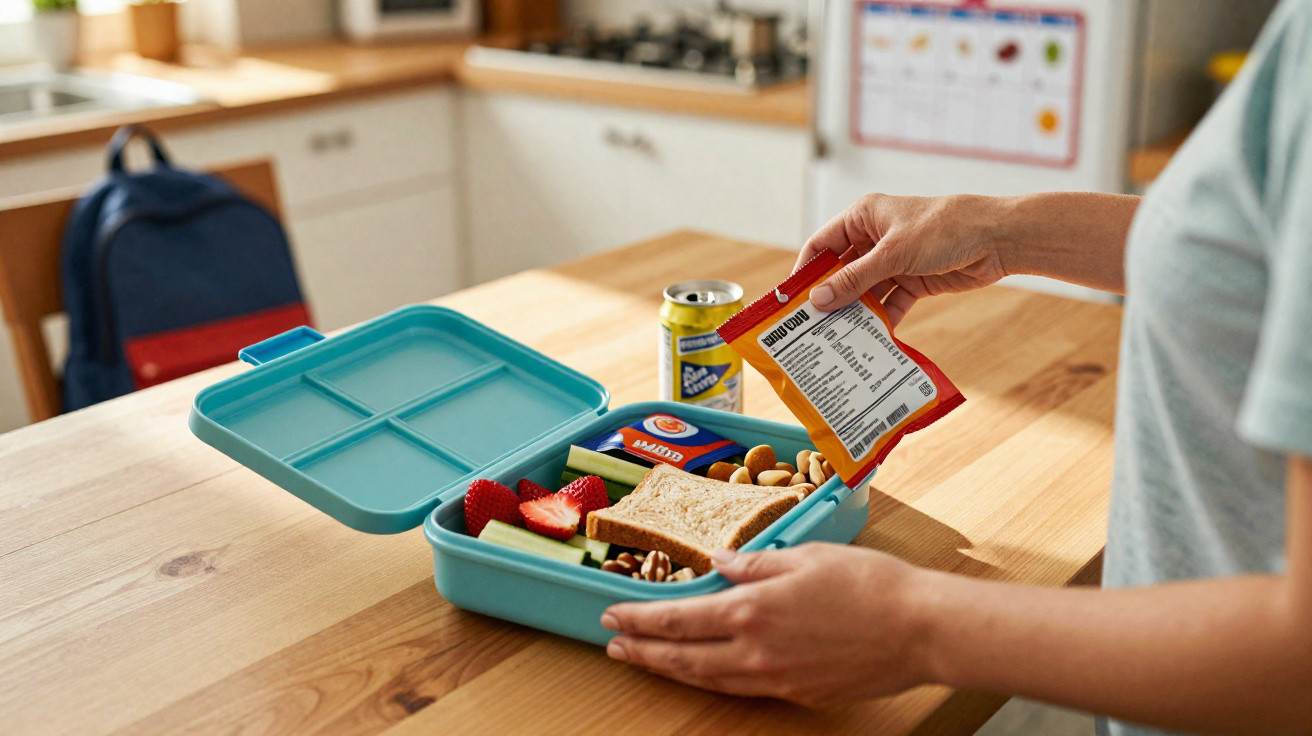
High-fibre snacks are most effective when they are ready and in sight. If the nut butter is hidden at the back of the cupboard and the berries have not been washed, the biscuit tin is likely to win every time. Even a little preparation can make a major difference.
| Moment of the day | Quick fibre snack idea |
|---|---|
| Morning commute | Prunes or dates stuffed with nut butter in a small box |
| Desk mid-morning | Wholegrain crackers with hummus and cucumber slices |
| Post-lunch slump | Greek yoghurt, berries and chia in a jar |
| Pre-gym | Mini black bean wrap or avocado toast |
| Evening TV time | Air-popped popcorn with nutritional yeast and spices |
Prepare elements of these snacks in batches once or twice weekly: cook a pot of black beans, wash and portion berries, slice cucumber in advance, or store a bag of popcorn kernels near the hob. That way, making a fibre-rich snack can be as simple as reaching for crisps.
What “high fibre” means for your body
Fibre is not a single nutrient, as different types perform slightly different functions. Soluble fibre, which is present in oats, beans, fruit and chia seeds, creates a gel in the gut and can help regulate cholesterol and blood sugar. Insoluble fibre, found in wholegrains, popcorn and vegetable skins, adds bulk to stools and helps keep the digestive system moving.
Aim for variety: pulses, wholegrains, nuts, seeds, fruit and vegetables all bring their own fibre “personality”.
Certain fibres feed your gut bacteria, which then produce short-chain fatty acids: small compounds associated with lower inflammation, improved gut barrier function and possibly better mood. Regular fibre-rich snacks provide small, consistent meals for these microbes, which respond better to stability than dramatic dietary changes.
If your current fibre intake is very low, increase it gradually. Moving abruptly from 10 grams a day to 30 can lead to bloating and gas. Introduce one new snack every day or two, drink extra water and allow your gut time to adapt.
Useful combinations and small risks to consider
Some people fear that dried fruit will cause a sharp blood sugar rise. Pairing it with nut butter, yoghurt or cheese changes the effect. Fat and protein soften the sugar hit, while fibre slows its absorption. This is why dates with almond butter and pear with ricotta work so effectively as balanced snacks rather than “just sugar”.
If you have irritable bowel syndrome or a sensitive gut, bear in mind that high-fibre foods may not all feel the same. Beans, some fruits and large servings of popcorn can cause discomfort for certain people. Start with modest portions, chew thoroughly, and assess how you tolerate individual foods such as oats, chia or berries before adding everything at once.
For most adults, these eight snacks offer a straightforward route from “I should eat more fibre” to doing exactly that, one bag of popcorn or yoghurt bowl at a time.
















Comments
No comments yet. Be the first to comment!
Leave a Comment