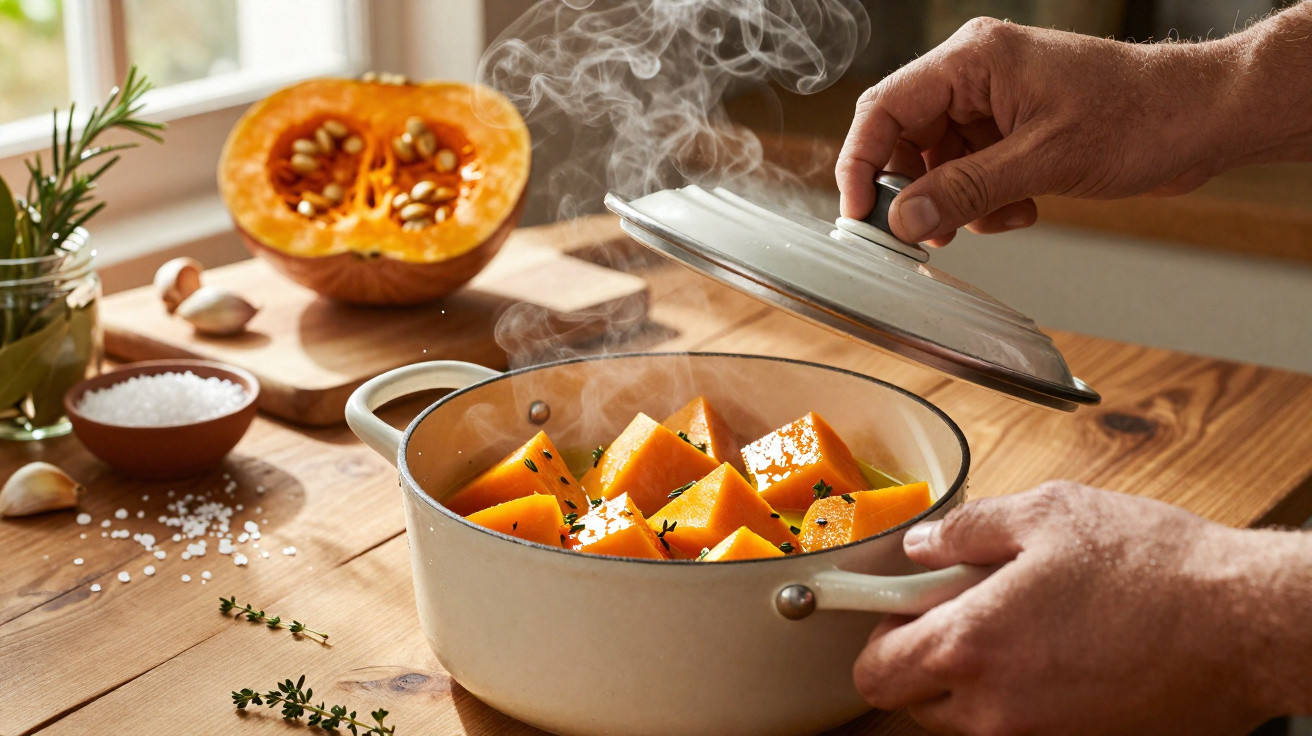
Cooking at home well relies on simple techniques that can transform everyday ingredients. Getting vegetables to the right point delivers perfect textures and shows why the correct methods matter. Today, it is easy to achieve excellent creaminess in pumpkin through slow cooking.
How do you achieve the perfect texture for kabocha squash?
The key to ideal tenderness is managing the heat and internal moisture properly. Cutting the vegetable into evenly sized cubes allows heat to spread consistently. This prevents some pieces from becoming overly soft during everyday preparation.
Using a gentle temperature helps retain nutrients while bringing out the ingredient’s natural flavour. A patient approach softens the fibres gradually. This produces an excellent result while maintaining the ideal consistency over a low heat.
For the best results in your kitchen, consider the main elements of this method:
- Selected pumpkin: Choose fresh, firm pieces to ensure the best texture in the finished dish.
- Retained steam: Using the lid correctly preserves the vegetable’s natural moisture.
- Gentle heat: Slow cooking stops the food from burning or breaking down too quickly.
- Light seasoning: A pinch of salt and olive oil enhances its natural sweetness.
- Final creaminess: Achieve a velvety consistency without needing excessive water.
Why does cooking with the lid on work so well?
Keeping the pan covered creates an environment in which steam continually circulates around the ingredients. This heat cycle cooks the cubes evenly, making use of the water released by the vegetable as it warms. In this way, nutrients are retained with complete practicality.
Without a lid, liquid evaporates quickly, requiring repeated additions of water. This common mistake weakens the vegetable’s distinctive flavour and leaves the preparation watery. The right approach keeps the aroma concentrated and protects the texture of the food.
Watch the full step-by-step guide to this delicious recipe in the exclusive video from the Receitas YouTube channel:
Which seasonings enhance the vegetable’s flavour?
Making thoughtful choices about seasonings changes the experience of cooking this versatile vegetable at home. Simple ingredients such as olive oil and salt create an essential base. Adding vegetable stock enriches the dish with delicious aromas and plenty of flavour.
Chef’s Touch
Aromatic Secrets
Spices such as cinnamon and nutmeg create a fascinating contrast with the natural sweetness of kabocha squash or pumpkin.
Fresh herbs, including sage, thyme or rosemary, bring freshness and give your homemade dish a more refined culinary character.
Alongside traditional herbs, a tablespoon of brandy can be added to subtly enhance the sweet notes of the main ingredient. This sophisticated combination surprises the palate and earns praise. Cooking attentively turns basic ingredients into a genuinely successful gastronomic experience.
Below are the main options for seasoning your recipe perfectly:
- Extra-virgin olive oil for greasing and adding shine.
- Cinnamon and nutmeg to emphasise the sweet notes.
- Sage or rosemary for an unmistakable herbal aroma.
How can you stop vegetables from becoming watery?
Too much liquid is the main obstacle when aiming for an ideal creamy consistency. Many people make the mistake of completely covering the vegetables with water in the pan. This leaves the pieces soft and lacking texture, damaging the quality of your lunch.
The proper technique is to make use of the steam produced in a securely covered pan. When cooked over a low heat, the food softens gradually and in a concentrated way. This care ensures the cubes keep their ideal shape, combining creaminess with excellent firmness.
Keep the following practical tips in mind to stop the vegetable becoming watery:
- Avoid adding too much water at the start.
- Keep the heat low for controlled cooking.
- Use a pan with a tight-fitting lid to retain the steam.
What are the benefits of slow cooking at home?
Choosing slow cooking offers benefits that go beyond giving food the perfect texture. This practice retains essential nutrients and wonderfully intensifies vegetables’ natural flavours. Giving this process time supports your health and improves everyday cooking.
In addition, the technique offers considerable convenience for anyone managing a daily home-kitchen routine. While the vegetable softens in the constant steam, you can calmly get on with other household tasks. Enjoy tasty dishes while prioritising your nutrition and complete simplicity.
Read also: Goodbye diesel: scientists develop an engine that uses seawater














Comments
No comments yet. Be the first to comment!
Leave a Comment