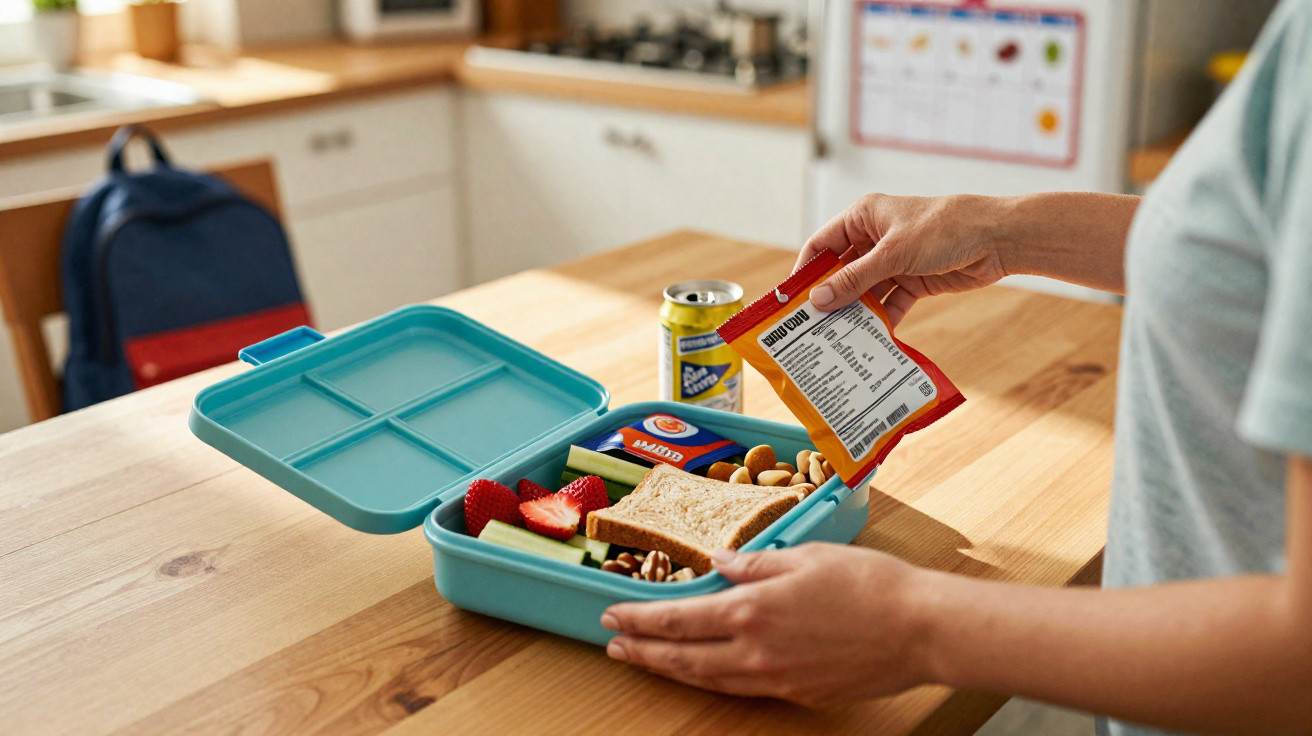
The bell goes at 11.45 am and, seconds later, the playground becomes a picnic of rustling plastic. Small hands tear into fluorescent packets, straws puncture sweet drink cartons, and single-portion pudding lids come away with a damp pop. A handful of lunchboxes contain leftovers or chopped fruit, yet most form a patchwork of brands and cartoon characters.
A teacher passes by, taking in the expanse of snacks and silently tallying the wrappers she will collect later. But she is calculating something else too: how many children will be shaky, glazed over and restless by 2 pm.
This is not about the odd biscuit. It is about ultraprocessed food steadily taking over lunchtime.
The longer-term narrative it may be creating in children’s bodies could be far more troubling than we are willing to acknowledge.
Ultraprocessed food is taking over the lunchbox
Look at almost any primary-school lunch table and the same scene emerges: yoghurt tubes, fruit “snacks” that have barely encountered actual fruit, and crackers that appear able to stay fresh for two years. The colours are vivid and the claims reassuring: “whole grain”, “vitamin-fortified”, “kid-approved”.
But turn to the ingredients and it reads like a chemistry class, with emulsifiers, stabilisers, flavour enhancers, gums and hard-to-pronounce sweeteners. This is food created less to nourish than to last, offer convenience and encourage cravings.
Its packaging is made to appeal to children. Its consequences may stay with them into adult life.
A UK study examining more than 3,000 children’s lunchboxes found that just 1.6% reached basic nutritional standards. The remainder were largely filled with packaged snacks, processed meat and sweetened beverages.
In Brazil, where researchers first used the term “ultraprocessed”, findings show that children obtain over half their daily calories from these products. This does not mean only fast-food meals; it includes seemingly innocent cereal bars, flavoured yoghurts and “health” drinks sold in cheerful cartons.
Parents are not giving their children junk food through neglect. Many are managing two jobs, hurrying through drop-offs, and following the prompts of supermarket end displays and school fundraising leaflets. The system is quietly placing ultraprocessed food in their trolleys well before it lands in a lunchbox.
Scientists are becoming more concerned that the issue extends beyond sugar and calories. Ultraprocessed food appears to act differently within the body.
Because it is soft, easy to chew and quick to swallow, children can consume more before their brains recognise that they are full. Its mix of refined starches, fats and flavourings seems to disrupt appetite regulation. Early research points to associations with increased childhood obesity, changed gut bacteria, low-level inflammation, and even differences in mood or attention.
Put plainly, we are conducting a vast, uncontrolled experiment on a whole generation’s biology, and we will not know the full outcome for decades.
Small, realistic changes that fit real life
The encouraging part is that you do not need to become a zero-packaging, bake-everything-from-scratch superhero. Focus on swaps rather than a total reset.
Begin with a single element of the lunchbox. Exchange a sweetened drink for tap water in an appealing bottle, or replace a squeezy yoghurt with a small pot of plain yoghurt and a little honey. Keep one “fun” food, while gradually choosing a less ultraprocessed alternative: popcorn rather than crisps, or cheese cubes instead of processed cheese slices.
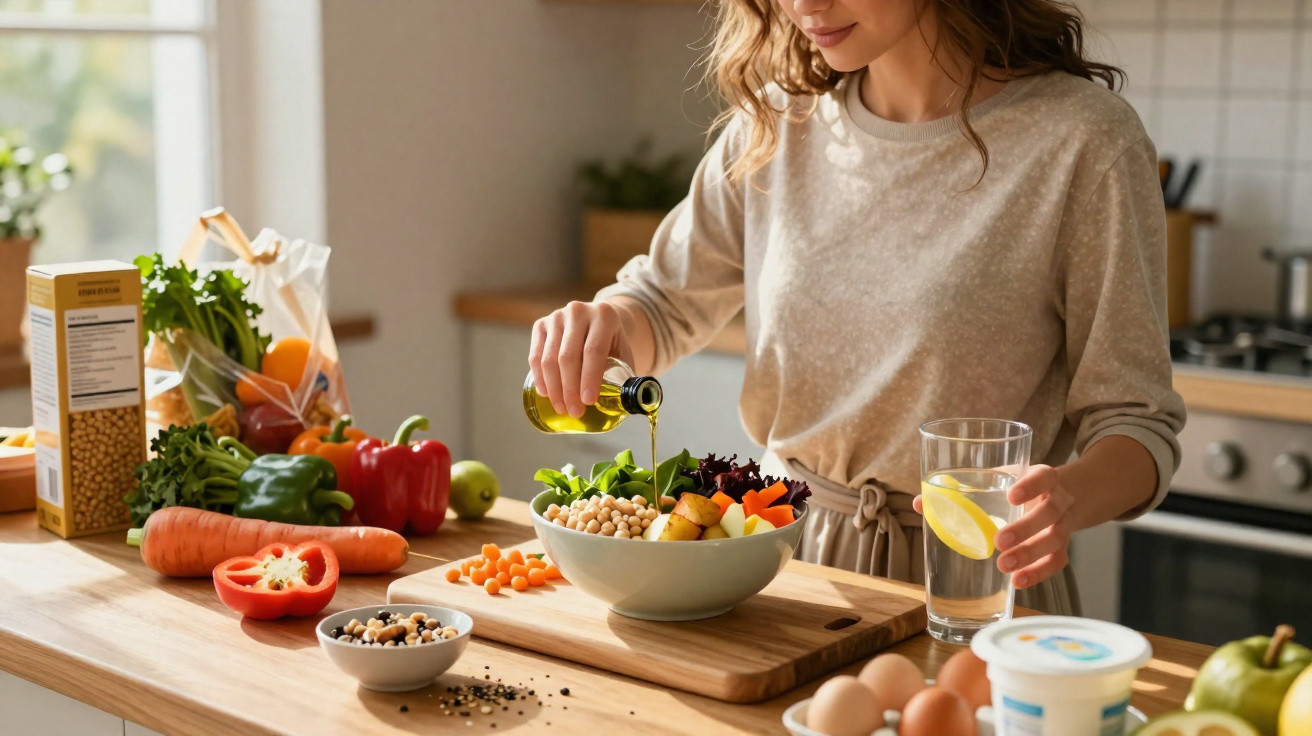
Where possible, follow a simple formula: something crunchy, such as vegetables or nuts where permitted; something filling, such as leftovers, a sandwich or a boiled egg; and something naturally sweet, such as fruit. If it once looked like it grew, walked or swam, you’re going in the right direction.
Most of us know the 7.30 am moment: the bus is approaching, you open the cupboard, and every option seems to come in a packet. That is not a personal moral failing; it is a structural problem.
Ultraprocessed food succeeds because it is quick, reliable and inexpensive. Children often favour it because their taste buds have learnt to expect intense flavours and soft textures. Start retraining those preferences gently. Offer unfamiliar options at home first, when nobody is rushed or being observed. Allow children to choose between two better alternatives so that they retain a sense of control.
Be compassionate with yourself, too. In truth, no one manages this every day. Habits change not through perfection, but through making the slightly better choice repeatedly until it becomes unremarkably normal.
Nutrition scientist Dr. Amina Leduc puts it bluntly: “The risk with ultraprocessed food isn’t that one lunch will harm your child. It’s the silent accumulation over thousands of meals. Tiny daily choices, amplified over years, can change a child’s body and brain trajectory.”
To make these small decisions simpler, use shortcuts rather than recipes:
- Replace one packaged snack with a whole food: an apple, banana, nuts or carrot sticks.
- Make twice as much pasta, rice or roast vegetables, so that the next day’s lunch is already half prepared.
- Choose bread, yoghurt and cereal with the shortest ingredient list available.
- Use frozen fruit and vegetables when fresh produce costs too much or time is short.
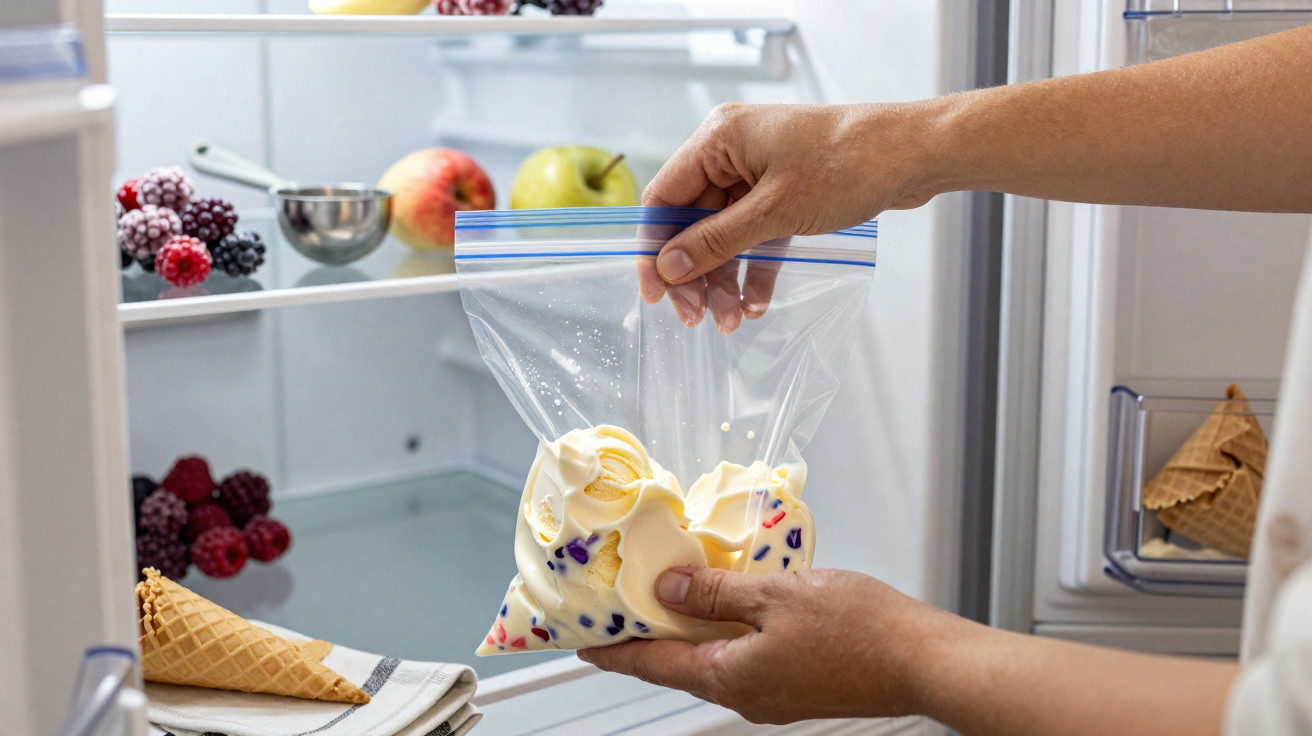
- Keep a “last-minute box” in the freezer containing pitta, peas, mini meatballs and edamame.
Repeating one or two of these changes each week can steadily lower the ultraprocessed load without wrecking your timetable or budget.
The quiet value of noticing what is really in the lunchbox
Pause and picture your child at 25 or 40. Their lunchbox years will be far behind them, but the patterns established then may still be influencing their metabolism, arteries, and preference for sweetness or crunch.
Food companies are counting on lifelong brand loyalty that begins with cartoon mascots and squeezable snacks. Parents, teachers and communities provide the only meaningful counterbalance. Reading the back of a packet rather than only the front, or packing one fewer ultraprocessed item this week than last week, is not insignificant. It is a subtle form of resistance.
Research is still catching up with the many ways ultraprocessed food may affect developing bodies and brains. That uncertainty can feel overwhelming, but it also makes room for hope: nothing is fixed. Alter the lunchbox, even a little, and you can steer the wider story in another direction.
Those small, imperfect choices may be among the most overlooked health legacies you can give.
| Key point | Detail | Value for the reader |
|---|---|---|
| Ultraprocessed food dominates lunchboxes | Most lunchbox items are packaged snacks, sweetened drinks and products designed for a long shelf life | Helps parents spot when “normal” has quietly moved away from real food |
| Long-term effects go beyond weight | Associated with inflammation, appetite changes, gut health, and potentially mood or attention | Expands the concern beyond calories alone to wider developmental effects |
| Small swaps are realistic and powerful | Straightforward changes include water instead of juice and fruit instead of fruit snacks | Provides manageable actions that lower risk without perfection or a major time commitment |







Comments
No comments yet. Be the first to comment!
Leave a Comment