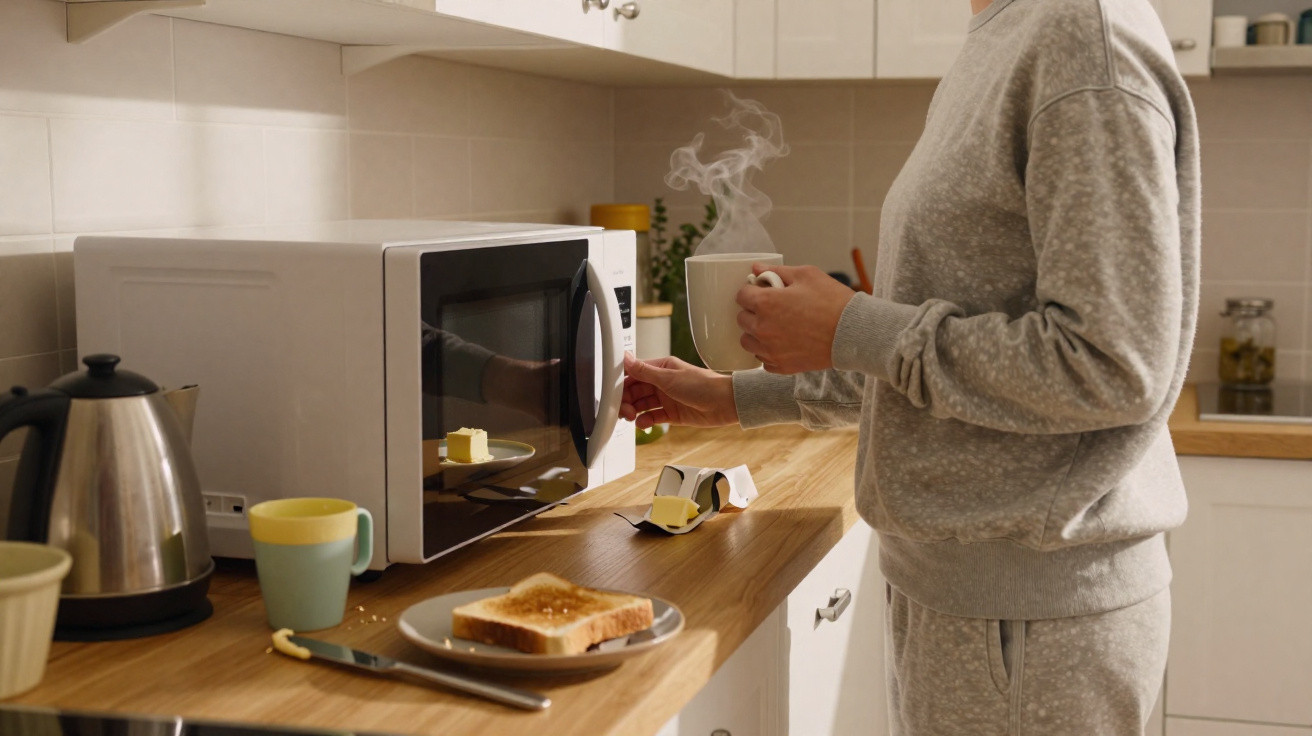
You press on regardless. The hard corner tears into the bread, leaving a hollow behind, scattering crumbs and souring the mood. I saw this small breakfast disaster unfold in a friend’s kitchen last week, while a toddler repeatedly demanded “butter toast” as though casting a spell. She tapped the microwave door with one finger and said, almost sheepishly, “There’s a trick.” She was right. Within minutes, the block was soft, with no oily pool and no fuss. It felt like a cheat code - the useful sort. A method you can manage while half asleep and still get right. Here is the low-key magic that rescues breakfast and your patience.
Why butter stays cold when life is busy
Proper butter acts like a diva because of how it is made. It consists of a pattern of fat crystals that become firm in the fridge, and those crystals will not ease up until they reach a mild room temperature. That firmness is ideal for giving pastry structure, but it is less helpful when you are making Tuesday-morning toast. Refrigeration keeps butter safe, but it also makes it uncooperative. Your timing is not the problem - physics is.
We have all watched bread give way before the butter does. I have seen chefs wrap butter in paper like a miniature gift and slip it into a warm pocket as the oven quietly runs. At home, people perch a butter dish on a radiator or in a sunny spot on the worktop, then cross their fingers. Occasionally it works; other times, you return to a glossy puddle surrounding a cold centre. It is unreliable. And frustrating.
There is a reason using maximum heat so often goes wrong. Butter is uneven by nature: its water and fat absorb microwave energy differently. Hot spots develop, the edges liquefy and the centre remains stubborn. Gentle, low heat gives the fat crystals time to loosen without falling apart. That is the sweet spot: soft enough to leave a fingerprint, yet cool enough to stay in a block. You want softened butter, not melted butter.
The quick microwave butter hack that really works
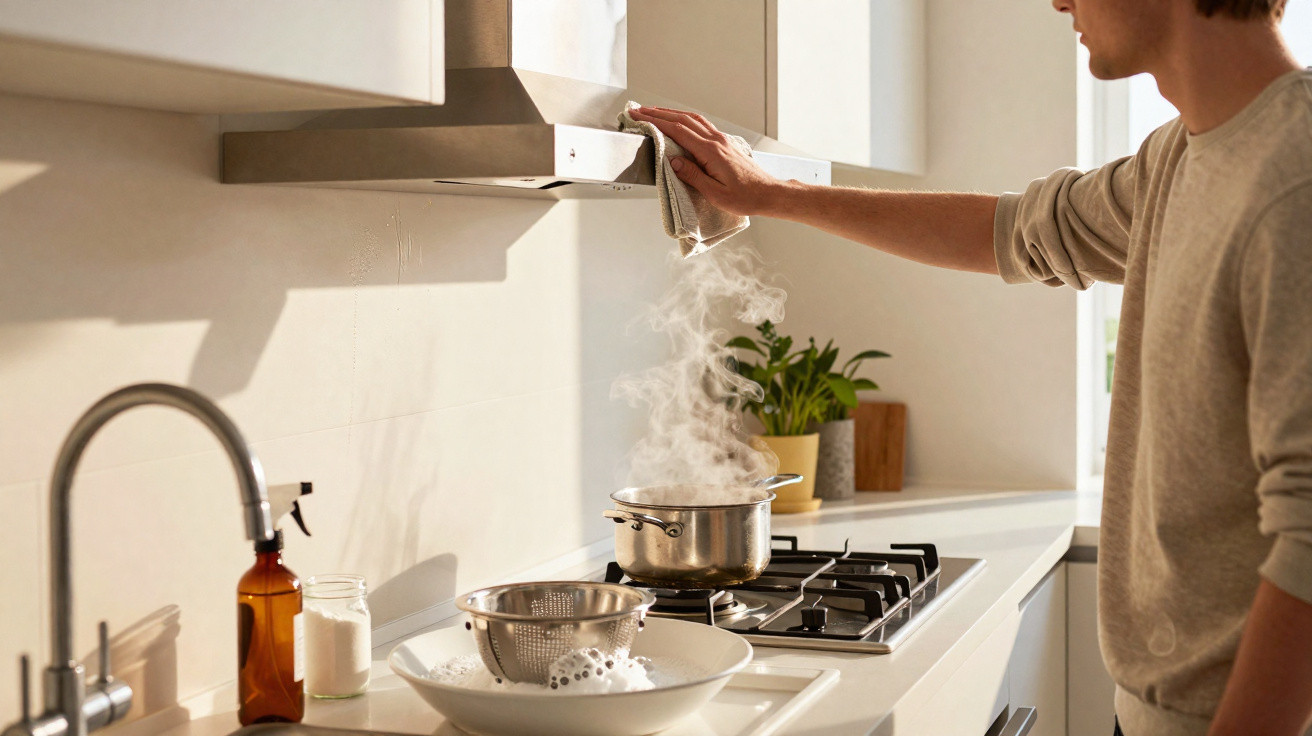
The technique is simple: heat the air rather than the butter. Put a large mug of water in the microwave and heat it until steaming, which usually takes 90 seconds to 2 minutes. Move the mug to one side, place the butter on a plate in the centre, shut the door and do not switch the microwave on again. Leave the butter in that warm, steamy space for 3 to 5 minutes. Open the door and test it with a finger. You should find a peaceful, spreadable block that takes a perfect thumbprint.
If time is especially tight, give it a very small extra push. Divide the butter into 2–3 pieces, leave a little room between them and microwave at 20–30% power in brief bursts: 5 seconds per 25 g. Stop between bursts, turn the plate and press-test every piece. Finish as soon as a light indentation remains. Let’s be honest: nobody wants to supervise butter for half the morning. This is the workable two-minute compromise.
Full power is where good butter becomes patchy. Use low power and keep each burst short. Remove any foil-lined wrapper first. After heating, allow the butter to sit for one minute - the temperature evens out and the surface loses its faint shine. That minute of resting is when the method really comes together.
“Treat butter like chocolate,” a baker friend told me. “You don’t smash it with heat, you invite it to soften.”
- For 50 g: use the steam method only, leaving it behind the closed door for 2–3 minutes.
- For 125 g: use the steam method for 4 minutes, or use 20% power for 2 pulses of 10 seconds with a pause.
- For 250 g: use the steam method for 5–7 minutes, or use 20% power for 3–4 pulses of 10 seconds, rotating the plate.
- Goal test: a clean thumbprint that slowly springs back, with no oily shine.
- Warning sign: glossy edges or a puddle - stop, refrigerate for 3 minutes, then try again at low power.
Why this microwave butter hack is gentler on butter - and you
The hot-mug approach uses residual warmth to form a miniature sauna, making it a gentle option. Heat travels through the butter by conduction, preventing the outer layer from racing ahead of the middle. That is why it feels evenly softened when you slice into it. It is also safer than using full power and hoping you stop the microwave at precisely the right moment.
This approach also protects the flavour. Butter retains its sweetness and tastes clean when it has not been partly melted and then set again. Spreadable butter is not only convenient; it creates a silky layer while keeping the crumb whole. Your toast stays toast rather than turning into toast soup. The change appears in small details - cleaner slices, tidier sandwiches and more cheerful mornings.
There is something calming about minor solutions that work every time. Once they become part of your routine, you no longer need to bargain with little annoyances. Having soft butter whenever you need it is one less demand on your attention, and that matters more than it may seem. It is a tiny ritual with rewards that keep returning.
A final word about potential mistakes. Take off all foil-backed paper before putting butter anywhere near a microwave. Set the butter on a cool plate rather than on hot glass that will send heat into its edges. If your microwave runs particularly hot, lower the power further and wait a little longer. Turn the plate, because it makes a difference. And relax - spreadable butter is only 90 seconds away, not a laboratory experiment.
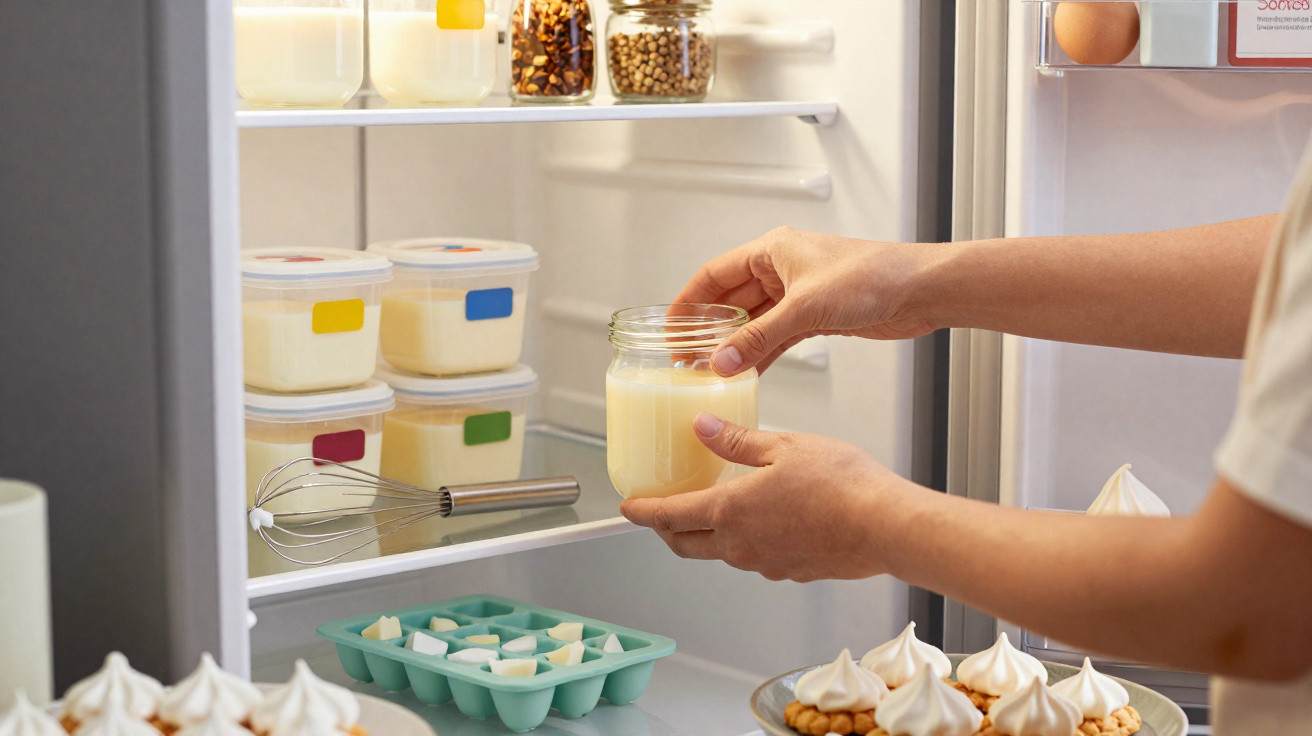
Wondering about salted versus unsalted butter? Salted butter often seems softer directly from the fridge because salt affects its structure, but both varieties respond well to the warm-air method. When baking, aim for butter that is “pliable but cool” instead of “melty-soft”. Press it with a finger: if it gives without sagging, it is ready. If you can sweep it smoothly over a knife blade without leaving streaks, you have got it right.
Let’s be honest: no one checks butter temperature on a weekday. That is chef territory. At home, you need a method you can use one-handed while the kettle whistles. This is that method: mug, steam, wait, spread. It fits into the morning without asking anything in return.
A small butter fix with wider effects
There is a subtle pleasure in making toast without a fight. It suggests the day might be straightforward, and sometimes it even cooperates. Pass the trick on to a housemate who believes soft butter is witchcraft. Show teenagers that microwave power settings are nothing to fear. Leave a mug beside the microwave as a small note to your future self that there is an easier way.
I have watched people move from “Ugh, it’s a brick” to a smooth, calm swipe in under five minutes, and the atmosphere changes with it. Breakfast becomes less noisy. Sandwiches look neater. Cakes cream correctly without the mixer struggling. Small win, considerable ripple.
Try it tomorrow, or next week. You will forget it once, remember it later, and then never return to the old way. Your toast will appreciate it. So will your knives.
| Key point | Detail | Benefit for the reader |
|---|---|---|
| Warm the air, not the butter | Heat a mug of water until steaming, then soften the butter in the closed microwave | Even softening without greasy edges or a melted centre |
| Use low power in tiny bursts | 20–30% power, 5–10 second pulses per 25 g; rotate and press-test | Speed without the risk of patchy, partly melted butter |
| Watch the thumbprint, not the timer | Stop when a light dent remains and the surface is not glossy | Reliable texture every time, regardless of microwave quirks |







Comments
No comments yet. Be the first to comment!
Leave a Comment