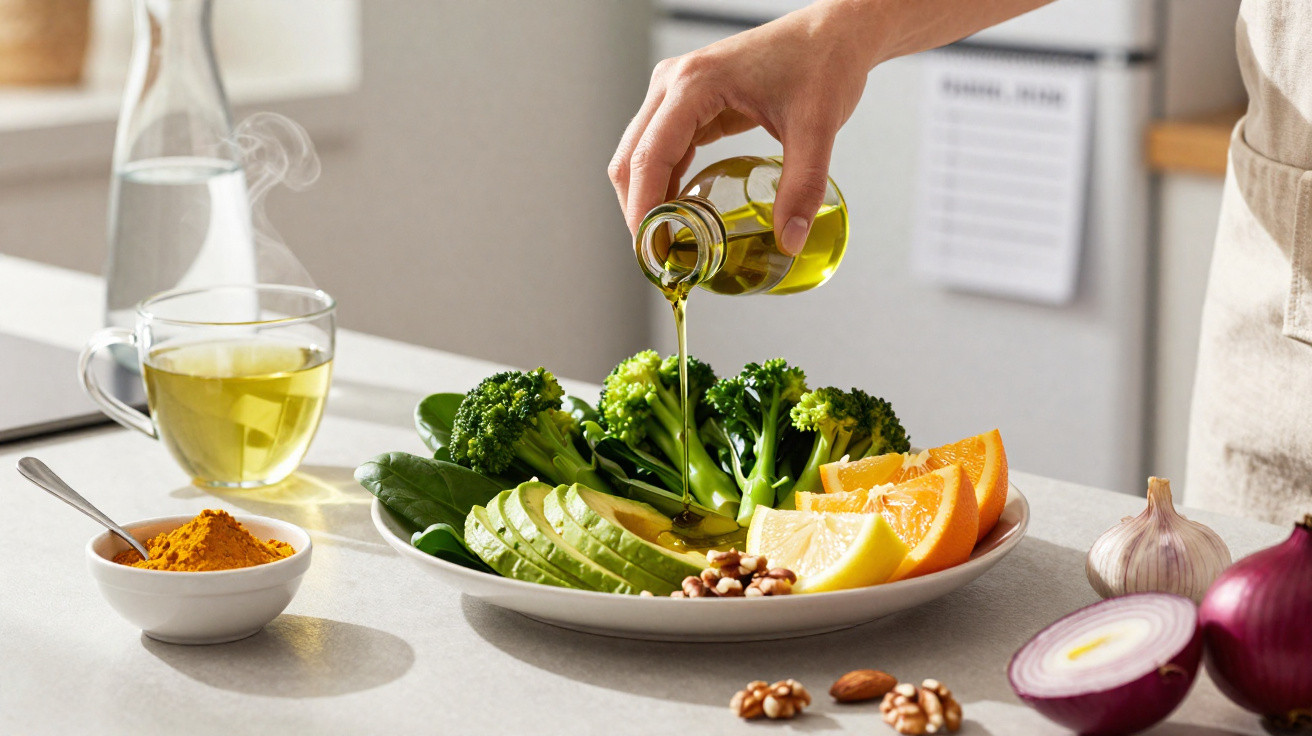
A handful of practical changes in the kitchen can make a difference quickly.
Your liver functions as a round-the-clock cleaning team already. Providing the right foods and routines helps it manage more while under less pressure.
Why your liver benefits from simple food swaps
Your liver cleans the blood, makes bile, regulates sugars and proteins, and processes fats. What it does not cope well with is ongoing overload. High alcohol intake, large portions, ultra-processed foods and prolonged periods of sitting can all encourage fat to accumulate. There is no need for a restrictive cleanse; instead, focus on regular meals that nourish its enzymes and help limit inflammation over time.
No single food “detoxes” the liver overnight. The liver detoxifies you. Consistency, not quick fixes, changes the picture.
Foods that support natural liver cleansing
Leafy greens
Spinach, rocket, watercress and chard provide fibre, folate and nitrates. Fibre attaches to bile acids, helping to move surplus fats out of the body. Their slightly bitter flavour can also encourage bile flow, supporting fat digestion.
Broccoli and other brassicas
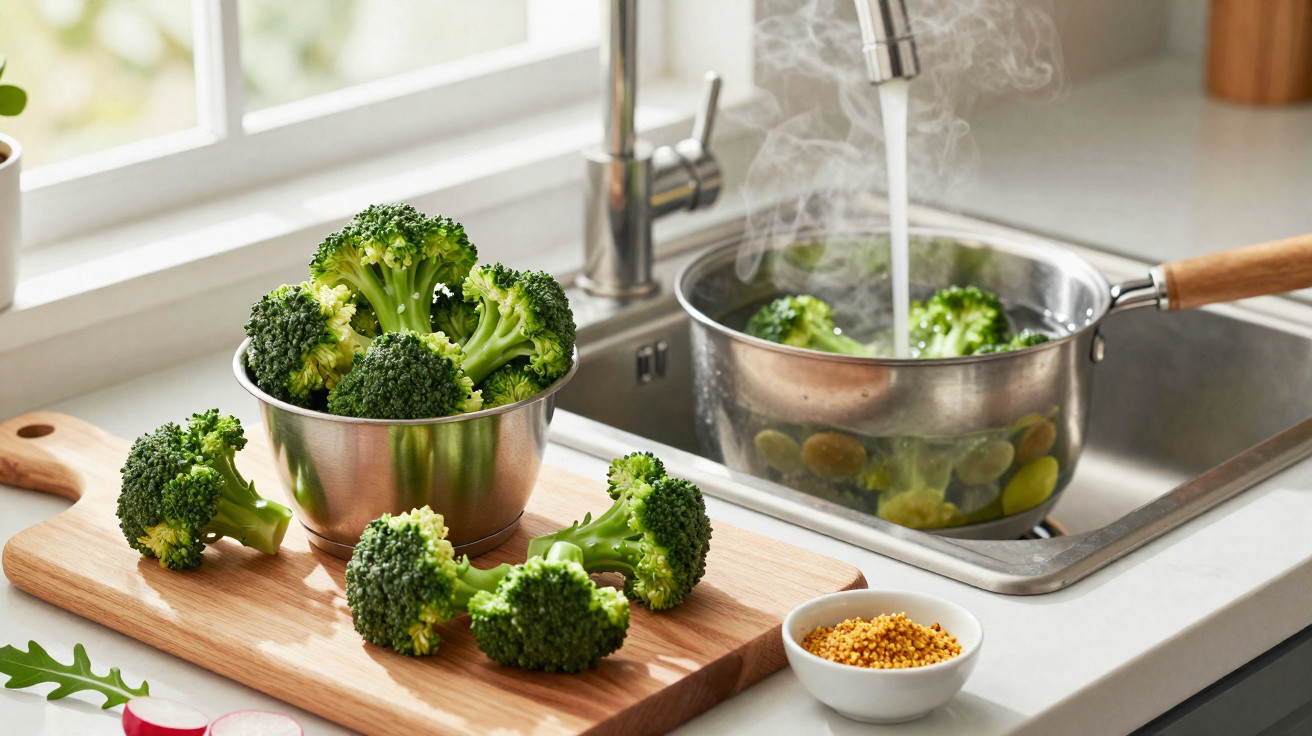
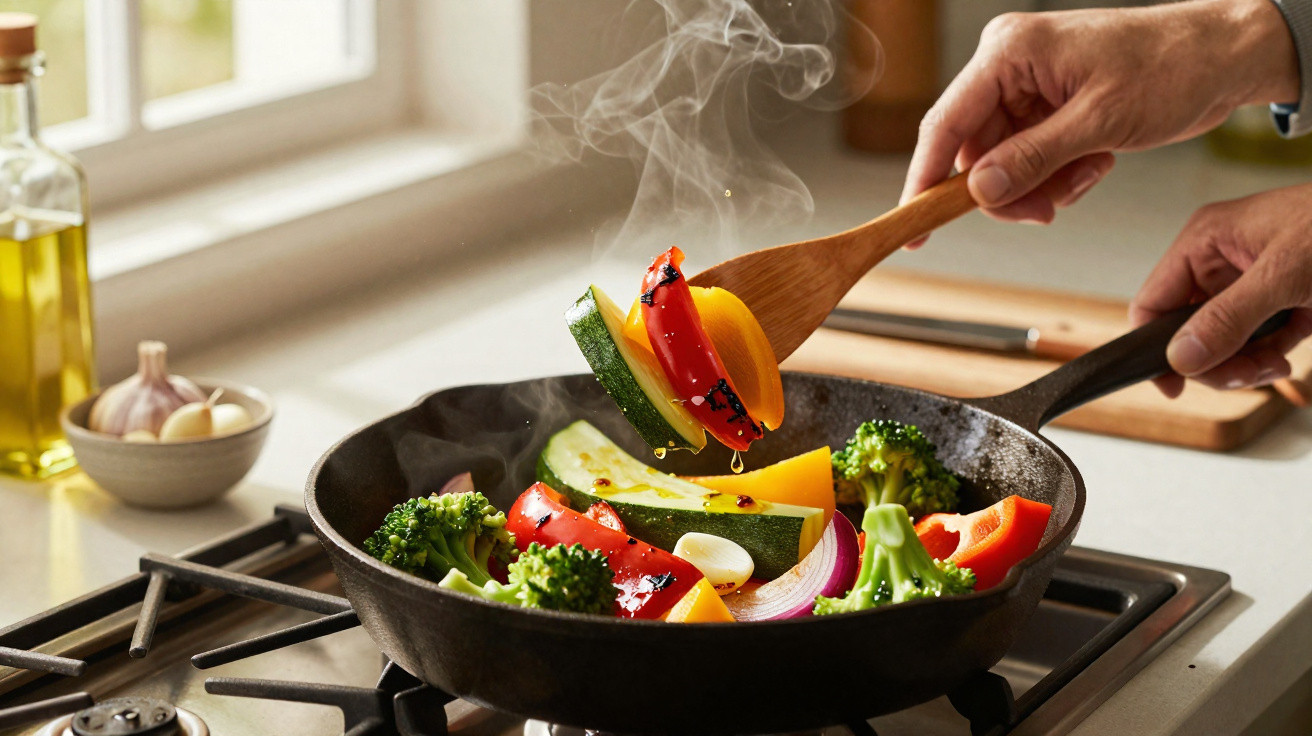
Broccoli, cauliflower and Brussels sprouts are rich in sulphur-containing glucosinolates. The body turns these into compounds that increase the activity of liver detox enzymes. Roasting, steaming or stir-frying helps retain their texture and nutritional value.
Citrus and vitamin C-rich fruit
Oranges, grapefruit, lemons and mandarins offer vitamin C and flavonoids, which help counter oxidative stress. Vitamin C contributes to collagen in liver tissue and supports the replenishment of antioxidant stores.
Avocado
Avocado supplies monounsaturated fats alongside glutathione precursors. These nutrients can help reduce inflammation and support cell repair. Having half an avocado at lunchtime can help control appetite and moderate blood sugar levels after eating.
Nuts, especially walnuts and almonds
Walnuts provide omega-3s and polyphenols, while almonds are a source of vitamin E. Both can contribute to a healthier blood lipid profile, reducing the amount of fat the liver needs to process.
Green tea
Green tea contains catechins, which interact with liver fat metabolism. Observational research associates regular consumption with a reduced risk of fatty liver. Brew it gently to prevent excessive bitterness and caffeine.
Garlic and onions
Garlic and onions provide allicin and other sulphur compounds. These activate enzymes involved in processing by-products from alcohol and medicines. Crush garlic and leave it for a minute before cooking to increase these compounds.
Olive oil
Extra virgin olive oil contains oleic acid and polyphenols. Swapping butter for it can reduce the build-up of liver fat and improve HDL levels. A tablespoon each day, added to salads or warm vegetables, is a useful amount.
Turmeric
The curcumin in turmeric supports antioxidant protection and reduces inflammatory signalling. Pair it with black pepper and a small amount of oil to improve absorption. Add it to lentils, roasted vegetables or scrambled eggs.
| Food | Key compounds | What it supports |
|---|---|---|
| Broccoli | Glucosinolates | Detox enzymes, cell protection |
| Leafy greens | Fibre, nitrates | Bile flow, cholesterol control |
| Citrus fruit | Vitamin C, flavonoids | Oxidative stress balance |
| Nuts | Vitamin E, omega-3s | Lipid balance, inflammation |
| Olive oil | Oleic acid, polyphenols | Liver fat reduction |
| Turmeric | Curcumin | Inflammation control |
Build meals around plants, lean protein and good fats. The mix matters more than any single star ingredient.
Habits that support your liver every day
Food has the greatest effect when paired with a lifestyle that reduces the liver's workload. Consistent, manageable changes can soon add up.
Rethink alcohol
Limit consumption to under 14 units per week and include several alcohol-free days. One pint of standard beer contains roughly two units. After particularly social periods, schedule alcohol-free weeks. Staying hydrated also assists your liver in processing alcohol.
Watch weight and waist
Too much visceral fat contributes to liver fat. Where weight loss is needed, aim for a gradual reduction of around 0.25 to 0.5 kg weekly. A waist measurement above 94 cm for men and 80 cm for women indicates a greater risk. Meals high in protein can help maintain muscle while losing weight.
Sense-check medicines and supplements
When used excessively, paracetamol, some antibiotics, high-dose vitamin A and certain herbal products can put strain on the liver. Confirm dosage instructions, do not combine brands containing the same ingredient, and speak to your GP or pharmacist if you are uncertain.
Move with a weekly plan
Aim for 150 minutes of moderate exercise each week, alongside two muscle-strengthening sessions. Walking, cycling and swimming all improve insulin sensitivity. Strength training can reduce liver fat even when there is no obvious weight loss.
- Monday: 30-minute brisk walk at lunch
- Wednesday: 20-minute bodyweight session (squats, presses, rows)
- Friday: 30 minutes on a bike or cross-trainer
- Weekend: 40-minute swim or a long park walk with hills
A simple plate for real life
Build your plate around two handfuls of vegetables, a palm-sized serving of protein, a thumb-sized portion of healthy fats and a fist of carbohydrates. This combination helps reduce post-meal glucose spikes and lowers the flow of fat through the liver.
For breakfast, try porridge with walnuts and berries, eggs with spinach and tomatoes, or yoghurt with lemon zest and oats. Lunch options include a lentil and broccoli salad with olive oil and lemon, or a bowl of tuna, rocket and beans. For dinner, choose roast cauliflower and chickpeas with turmeric, or salmon with greens and citrus-dressed quinoa.
If it grows, swims or is minimally processed, your liver likely approves. Keep it colourful and mostly homemade.
Why this matters now
Metabolic-associated fatty liver disease can develop quietly over many years. Symptoms such as tiredness, brain fog, a heavy sensation after eating and elevated liver enzymes may not emerge until later. Taking action early through dietary and lifestyle changes lowers risks associated with heart disease and type 2 diabetes.
Helpful add-ons and cautions
If you tolerate it, coffee may be worth considering. Studies associate two to three cups a day with lower liver enzyme levels and slower scarring. Opt for filter coffee or an Americano, without added sugar or cream.
Take care with “detox” supplements. Certain products contain high amounts of green tea extract or undisclosed compounds that may damage the liver. Whole foods provide the same protective substances alongside fibre and nutritional balance. If you have a liver condition or use regular medication, get medical advice before taking concentrated extracts.
A seven-day nudge to get started
- Shopping list: leafy greens, broccoli, lemons, walnuts, almonds, olive oil, garlic, onions, avocados, turmeric, oats, beans, yoghurt, salmon or tofu.
- Put alcohol-free days in your diary now, then keep to them.
- Roast a tray of brassicas twice this week to use as quick additions to meals.
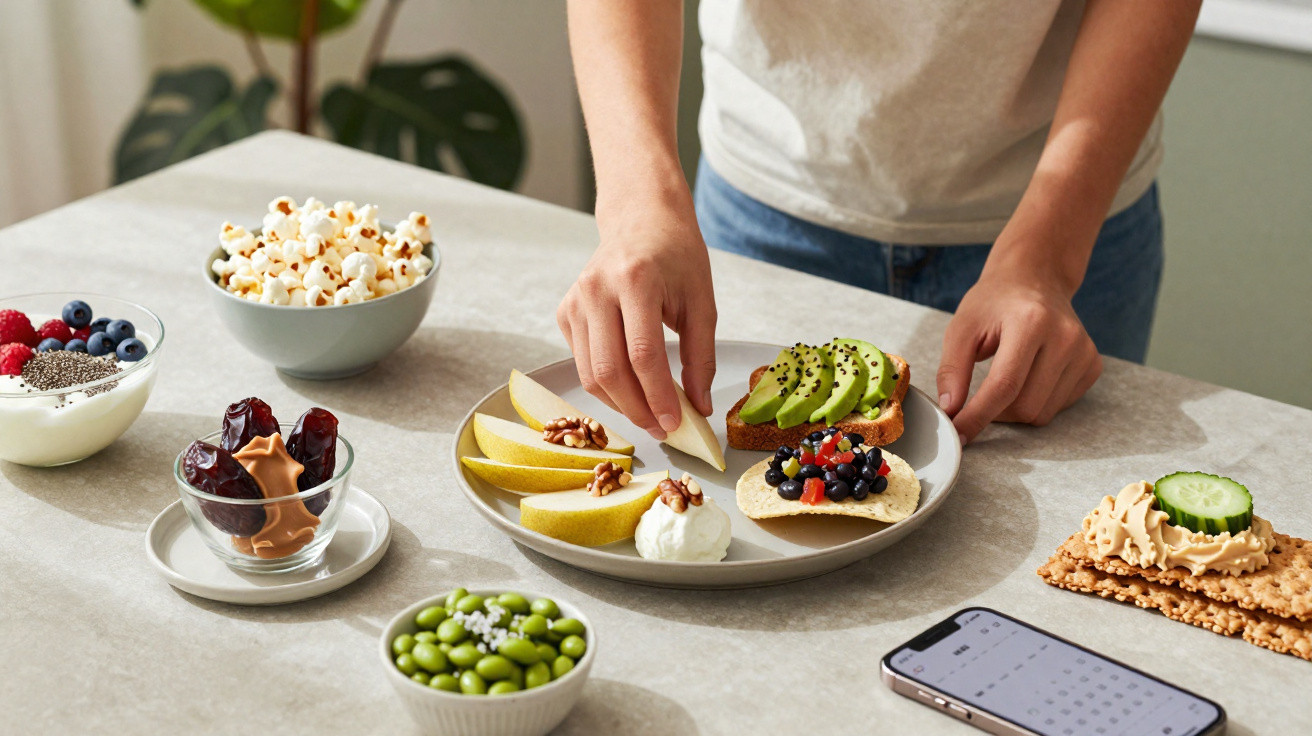
- Make a green tea after lunch each day instead of reaching for a sugary snack.
- Plan two strength workouts and one longer weekend walk.
For a tangible measure, record your waist measurement and morning energy for four weeks. Many people find that digestion improves, mid-afternoon energy dips become less frequent and portions feel easier to manage. Your liver will not write a thank-you note, but your blood tests and belt holes often show the difference.









Comments
No comments yet. Be the first to comment!
Leave a Comment