
Proteins are widely portrayed as a miracle solution for fitness, dieting and building muscle. Social media and advertising seem to revolve entirely around shakes, bars and high-protein products. Italian ageing researcher Valter Longo takes a different view: protein is important, certainly, but both the amount and, above all, the source determine whether we remain healthy for longer or age more quickly.
How much protein does the body actually need?
According to Longo and many medical bodies, healthy adults generally need around 0.8 grams of protein per kilogram of body weight each day. For someone weighing 60 kg, this equates to roughly 48 grams of protein daily.
“More protein does not automatically mean more muscle – beyond a certain point, it offers hardly any further benefit and may place a strain on health.”
An assessment of 18 studies involving a total of 934 participants found that raising protein intake from 0.8 to around 1.3 grams per kilogram of body weight produces virtually no extra muscle mass without resistance training. Gains occurred only when paired with targeted strength training – and even then, the average increase was just about 400 grams of additional muscle.
Put simply, eating more meat or protein powder without doing regular strength exercises changes protein intake, not body shape.
Why excessive animal protein may speed up ageing
Long-term longevity research delivers a clear message: high protein intakes, particularly from animal sources, accelerate biological ageing processes. This is not merely about wrinkles or grey hair, but primarily about disease.
Studies associate a very high-protein diet containing a large proportion of meat with a greater risk of:
- various types of cancer
- type 2 diabetes
- cardiovascular disease
One explanation is that animal proteins contain high concentrations of certain essential amino acids, which strongly stimulate growth processes in the body. Although this can support muscle growth, it may also accelerate cell division that, over time, can promote inflammation and tumour growth.
Plant proteins: protection rather than risk
The picture looks very different for protein from plant sources. Beans, lentils, chickpeas, peas, nuts, seeds and wholegrains also provide essential amino acids, but usually at lower concentrations.
“Plant protein has a considerably more moderate effect on ageing processes, reduces risks and still supports muscle building – particularly when combined with training.”
In practical terms, people who meet a large proportion of their protein needs with pulses, grains, nuts and seeds provide their bodies with sufficient building blocks for muscles, bones and enzymes without permanently pressing the ‘growth turbo’ to the floor.
Can athletes keep up with plant proteins?
This is precisely the question that often sparks debate in gyms and running clubs. Longo points to several studies involving a combined total of 3,363 participants: vegetarian athletes who also consumed dairy products and eggs often performed better in endurance and overall capacity than meat eaters.
On average, the vegetarians had:
- a higher maximum oxygen uptake (VO₂max)
- greater maximum performance capacity
Interestingly, the mixed-diet group who ate meat consumed around 9 per cent more protein, yet they were not superior to the vegetarian athletes. Another analysis of 836 participants makes the point even more clearly: consuming more than 1 gram of animal protein per kilogram of body weight a day delivered only an approximately 0.5 per cent advantage in muscle building over a diet with comparable amounts of plant protein.
Ideal amounts for different age groups
The optimum amount of protein depends heavily on age:
| Group | Recommended protein intake (per kg of body weight) | Particular point |
|---|---|---|
| Adults under 65 | approx. 0.8 g | at least half from plant sources |
| Over-65s | approx. 0.9–1.0 g | a small increase for muscles and bones |
As people get older, retaining muscle mass becomes more difficult. A moderately increased protein intake combined with strength training can then help slow the loss of strength, the risk of falls and frailty. However, Longo stresses that even at this stage of life, much of the protein should come from plant foods and fish, rather than large portions of red meat.
The major protein misconception in the media
An example experienced by Longo himself illustrates just how much confusion surrounds protein. In an interview, he recommended 40 grams of protein from pulses. A US magazine simply turned this into “40 grams of pulses”.
“The difference may sound small, but in reality it results in completely different quantities on the plate.”
To obtain 40 grams of protein from beans, lentils or chickpeas, more than half a kilogram of cooked pulses is needed. Anyone who misses the error will eat far too little protein or plan their diet on an incorrect basis.
This is exactly why Longo advises seeking regular guidance from a qualified nutrition professional, especially when working with gram quantities, taking part in sport or managing health problems.
What a protein-conscious day looks like under the longevity concept
The dietary concept promoted by Longo is based on regions where people live exceptionally long and healthy lives. For adults, the protein plan can broadly be outlined as follows:
- around 0.8 g of protein per kg of body weight each day
- more than half of protein from plant sources (pulses, wholegrains, nuts and seeds)
- fish 2–3 times a week
- white meat, such as poultry, no more than once a week
- dairy products and eggs in moderate quantities
The clear emphasis is on beans, lentils, chickpeas, peas, tofu, nuts, seeds and wholegrains. Fish is added as a complement, chiefly because of its omega-3 fatty acids and high-quality protein.
Practical examples: how much food provides 40 grams of protein?
To make the figures easier to understand, here are some approximate guide values for cooked portions:
- approx. 130–150 g of lentils: around 12–15 g of protein
- approx. 200 g of chickpeas: around 15–18 g of protein
- approx. 200 g of low-fat quark: around 25 g of protein
- approx. 150 g of fish fillet: about 25–30 g of protein
- 1 medium egg: about 6–7 g of protein
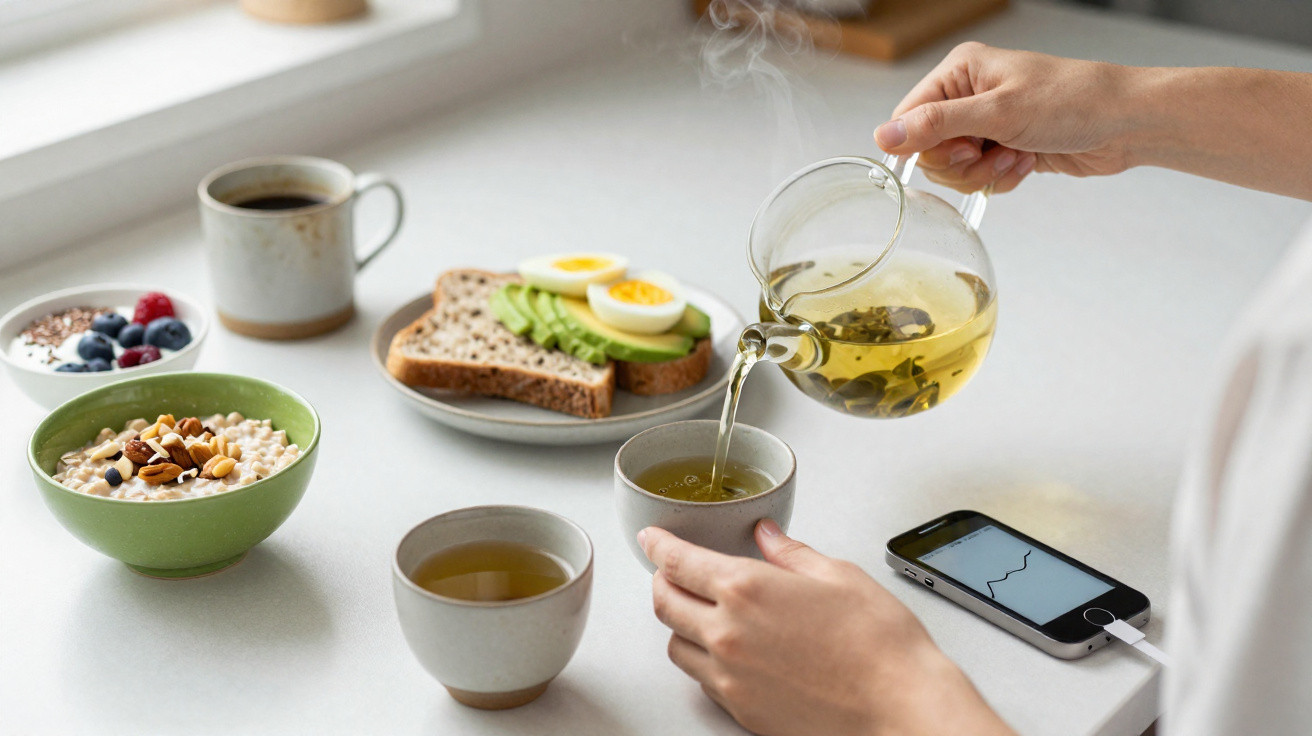
Therefore, a person weighing 60 kg who wants to reach 48 grams of protein can readily do so through a combination of pulses, a little fish or a dairy product, and smaller amounts of egg – without cooking a large steak every day.
Risks of protein excesses and how to avoid them
Very high protein intakes over a prolonged period place strain not only on metabolic pathways, but also on the kidneys and blood vessels, especially in people with pre-existing conditions. Large servings of processed meat additionally bring saturated fat, salt, additives and often nitrites.
Those who obtain most of their protein from plant sources and fish substantially reduce these risks. The body receives enough building materials, but fewer accompanying substances that can fuel inflammation or damage blood vessels.
What lies behind the ‘protein hype’
Influencers, the fitness industry and food companies benefit from the idea that people can barely become fit, slim or muscular without consuming large amounts of protein. Protein bars, powders and ‘high-protein’ yoghurts are profitable products that are easy to market.
The evidence paints a different picture: for the majority of people, a moderately high-protein, plant-focused diet is entirely sufficient. Everyday movement, strength training and an overall balanced diet matter most – not a third protein shake each day.
Everyday guidance – without using the word ‘conclusion’
Anyone wishing to stay fit for longer does not need to become a steak addict. A far more sensible approach follows Longo’s longevity findings: a moderate amount of protein, obtained mainly from beans, lentils, nuts, grains and regular fish, alongside targeted strength training.
This way, people support their muscles and bones without forcing the body into a constant growth mode that makes them age faster. The real skill is not maximising protein, but choosing the right amount and the right source.















Comments
No comments yet. Be the first to comment!
Leave a Comment