
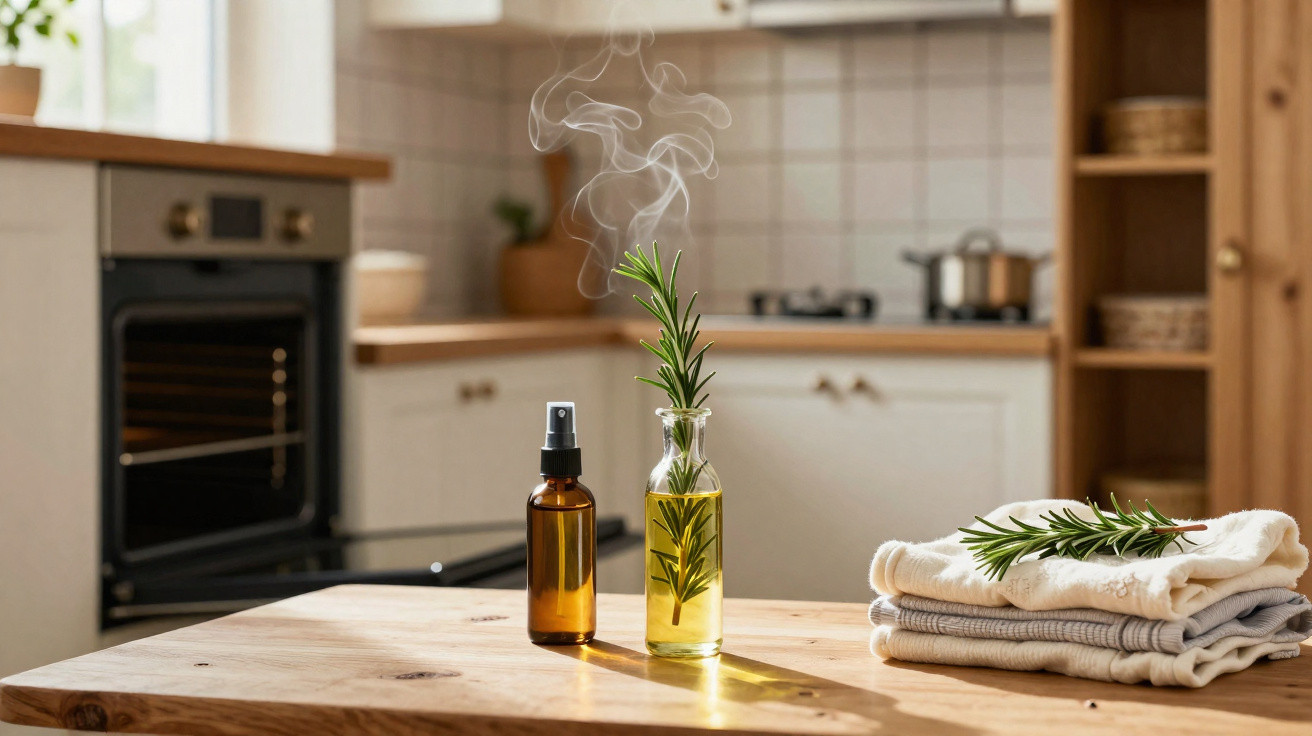
Rosemary is often overlooked on kitchen shelves, yet its woody stems and delicate needles offer considerable benefits for the home, wellbeing and personal care. With just a few sprigs, you can freshen your home, discourage pests and upgrade your beauty routine at remarkably low cost.
Rosemary as a natural oven-freshened room fragrance
Rather than masking odours with synthetic sprays and plug-in fresheners, rosemary can provide a genuine burst of freshness. It takes only one very simple method, which is easy to underestimate.
Turning your oven into a fragrance diffuser
An ordinary oven is all that is needed to create this natural room scent:
- Preheat the oven to approximately 180°C, using conventional top-and-bottom heat.
- Prepare a baking tray or ovenproof dish.
- Arrange several fresh rosemary sprigs on it, pressing them down slightly if desired.
- Leave them in the oven for around ten minutes.
The heat releases the essential oils from the needles, allowing fragrant vapours to rise. Within minutes, a warm, resinous and gently woodland-like aroma spreads through the home, evoking Mediterranean scenery without an artificial perfume smell.
"The oven becomes a source of fragrance, and the home smells fresher – without chemicals from an aerosol can."
More than fragrance: fresher air and easier cleaning
The benefit goes beyond a pleasant aroma. Rosemary contains natural antibacterial compounds that do not simply disguise odours but address their source. The air can feel noticeably clearer, particularly where cooking smells or stale odours had been lingering.
There is a useful additional advantage: moisture and oil released by the rosemary help soften stubborn grease splatters on the oven walls. Wiping the oven briefly with a damp cloth after this “fragrance cycle” makes baked-on residue easier to remove. This household tip therefore doubles as a modest cleaning aid.
Rosemary can also be paired with other herbs:
- Rosemary + lavender: creates a calming effect, making it ideal for evenings or after stressful days.
- Rosemary + thyme: adds a strong, slightly medicinal note that suits cold and flu season.
Keeping pests away: rosemary as a gentle insect deterrent
Many insects are sensitive to rosemary’s powerful aroma. Some consistently avoid spaces where the herb is permanently present, offering a way to manage them without using poisons.
How rosemary affects insects
Rosemary contains aromatic substances including camphor and cineole. While people tend to find them spicy and pleasant, insects are more likely to perceive them as disruptive. Because their sense of direction depends heavily on scent, rosemary interferes with this system. Moths, ants, cockroaches and mosquitoes may consequently prefer to stay away.
Unlike harsh insect sprays, normal use of rosemary does not fill indoor air with problematic chemicals or pose a risk to children and pets. That makes it appealing for many households.
Moth protection in wardrobes
Small scented sachets work well in wardrobes and chests of drawers. They are easy to make yourself:
- Cut thin cotton fabric or old, clean fabric scraps into small rectangles.
- Fill them with dried rosemary, including needles and chopped stems.
- Close each sachet with string, ribbon or a knot.
- Place or hang them among jumpers, coats and bedding.
Clothes take on a subtle, fresh herbal scent while moths are kept at a distance. Replace the filling after a few months, once the aroma begins to fade.
Spray for ants and other pests in kitchens and bathrooms
A liquid spray is more practical in places such as kitchen skirting boards, windowsills and bathrooms. For a basic recipe, use:
- 1 litre of water
- 1 generous handful of fresh rosemary sprigs
Add the sprigs to the water and simmer for around 20 minutes, then leave the mixture to steep until fully cool. Strain it carefully before transferring it to a spray bottle.
Use this infusion regularly on the following areas:
- Skirting boards and door frames
- Windowsills and balcony entrances
- Corners behind bins and beneath sinks
Reapplying it every ten to fifteen days creates a type of invisible scented barrier for insects. Ants in particular will often choose a different route.
"Rosemary spray can treat problem areas around the home without releasing a toxic mist into the room."
Hair and skin care: making your own rosemary oil infusion
Alongside household uses and pest deterrence, rosemary has a well-established role in herbal care. A homemade oil maceration is especially popular: this is an oil in which the plant is infused over several days.
Making a simple rosemary oil maceration
For a basic version, you will need:
- Several fresh rosemary sprigs
- A clean screw-top jar
- A good-quality plant oil, such as olive oil or coconut oil
Rinse the rosemary briefly, dry it thoroughly and gently crush it between your fingers so that the needles split slightly. Put it into the jar and cover it completely with oil. No part of the plant should protrude above the liquid, as this causes the mixture to spoil more quickly.
Seal the jar tightly and place it somewhere warm and bright, such as a windowsill that is not in constant direct sunlight. Allow the mixture to infuse for five to ten days, swirling it gently from time to time.
Finally, pour the oil through a fine cloth or coffee filter into a dark bottle. When tightly closed and kept away from light, it will last for several months.
Using it on the scalp
Many people use this oil for scalp massage. Once or twice a week, place a few drops on your fingertips and massage them into the scalp using circular movements. This stimulates circulation, which may stimulate the hair roots.
Users particularly favour this routine for fine hair or seasonal hair loss. Whether hair truly grows faster depends on many factors, but the massage effect and scalp care are beneficial in any case.
Relief for muscles and feelings of tension
Rosemary oil can also be used on the neck and shoulders. Massage a small amount into the temples, the back of the head or tight shoulder areas, especially after long days in front of a screen. Its herbal scent helps clear the mind, while the rub feels gently warming and eases sensations of tension.
On very dry areas of skin, such as elbows or heels, the oil works like an intensive balm. It forms a protective layer over the skin and, with regular use, leaves it feeling smoother.
"A jar, an oil, a few sprigs – that is all you need for a versatile care product from the kitchen."
What to consider when using rosemary every day
Although rosemary is highly versatile, several points need attention. Anyone with a known allergy to plants in the mint family, which includes rosemary, should test it on a small area before applying it to the skin. If the skin becomes very red or itchy, it is better to choose different plants.
Pregnant people and those with high blood pressure should consult a medical professional before using rosemary preparations internally. The tips described here are intended for household use and external care, and they are not a replacement for medical treatment.
For the oven method, always remove the sprigs before baking again and never leave the oven unattended. Dried herbs can burn more quickly.
Why it is worth growing your own pot of rosemary
Anyone wanting to use these methods regularly will benefit from keeping their own plant. Rosemary prefers sunshine, free-draining soil and sparing watering. It usually thrives on a balcony, terrace or bright windowsill.
A single bush provides sprigs for cooking, fragrance, insect protection and care oil, so there is no need to keep buying more from the supermarket. Many people cut shoots in the morning, when the essential oils are particularly intense.
An everyday kitchen herb can therefore become a helpful companion for the home, wardrobe and personal care alike, with modest effort but a noticeable effect.
















Comments
No comments yet. Be the first to comment!
Leave a Comment