
The heating was rarely on, the radiators were only slightly warm, yet the house remained pleasant-almost too warm on certain winter days. Then the work began: loft insulation, new windows, renewed seals and better-protected external walls. On paper, every change was a step in the right direction. A few weeks later, however, a damp smell settled in one bedroom, condensation covered the glazing each morning, and a small black patch appeared behind a chest of drawers. We all know that strange moment when we think we have solved one issue, only to uncover another, less obvious one. Energy-efficiency renovation can certainly reduce bills. But when it abruptly changes how air moves through a home, it can also shift problems to places nobody really checks. That is when comfort takes on a different meaning.
When a house that “breathed” suddenly becomes too airtight
Before work is carried out, many older homes lose heat through their walls, roof, windows and the tiny invisible gaps around doors. This is expensive and can be uncomfortable, but the air moving in and out also provides a form of constant renewal. Following renovation, a home can become highly airtight within days. Draughts disappear and rooms warm up more quickly, yet moisture generated by cooking, showers, laundry or simply the occupants’ breathing is more likely to remain indoors.
In a 95 m² house occupied by a family of four, producing several litres of water vapour each day is not unusual. A hot shower, a simmering pan or laundry drying in the living room may all seem ordinary. However, once windows have been replaced and air inlets removed or blocked, that moisture needs to find somewhere to go. It often settles on the remaining cold surfaces, behind furniture placed against a wall or in a lightly heated bedroom. The issue has not always been created; sometimes it has simply moved elsewhere.
The process is fairly straightforward. Warm air can hold considerable moisture, but when it reaches a cold surface, it cools and the water it carries may condense. Before the work, the house was less energy efficient but also had more outdoor air passing through it. After insulation is installed, some thermal bridges may remain around floors, window reveals or inadequately treated walls. Heat is retained better in rooms, while moisture gathers where the building fabric is still cold. The home improves in energy terms, but can sometimes lose its balance.
Insulation without forgetting ventilation: the detail that prevents unwelcome surprises
The right approach is to consider the home as a whole rather than as a sequence of separate projects. Before replacing windows or insulating an internal wall, the existing ventilation should be checked: extract vents, air-entry grilles, ducting, the mechanical ventilation unit’s fan and natural draught in wet rooms. A mechanical extract ventilation system that is dirty or switched off can become almost ineffective. Let us be honest: nobody really checks this every day, and many people only spot the problem when marks start appearing on the walls.
One common mistake is blocking an air vent because it lets in cold air or noise. It can seem a sensible step at the time, especially after investing several thousand pounds in high-performance windows. Yet an air inlet is not a manufacturing defect: it is part of a system. Fresh air enters the living spaces, while humid air is extracted from the kitchen, bathroom and toilet. If one link is removed, air no longer circulates as intended. It is not the homeowner’s fault; it is a common trap.
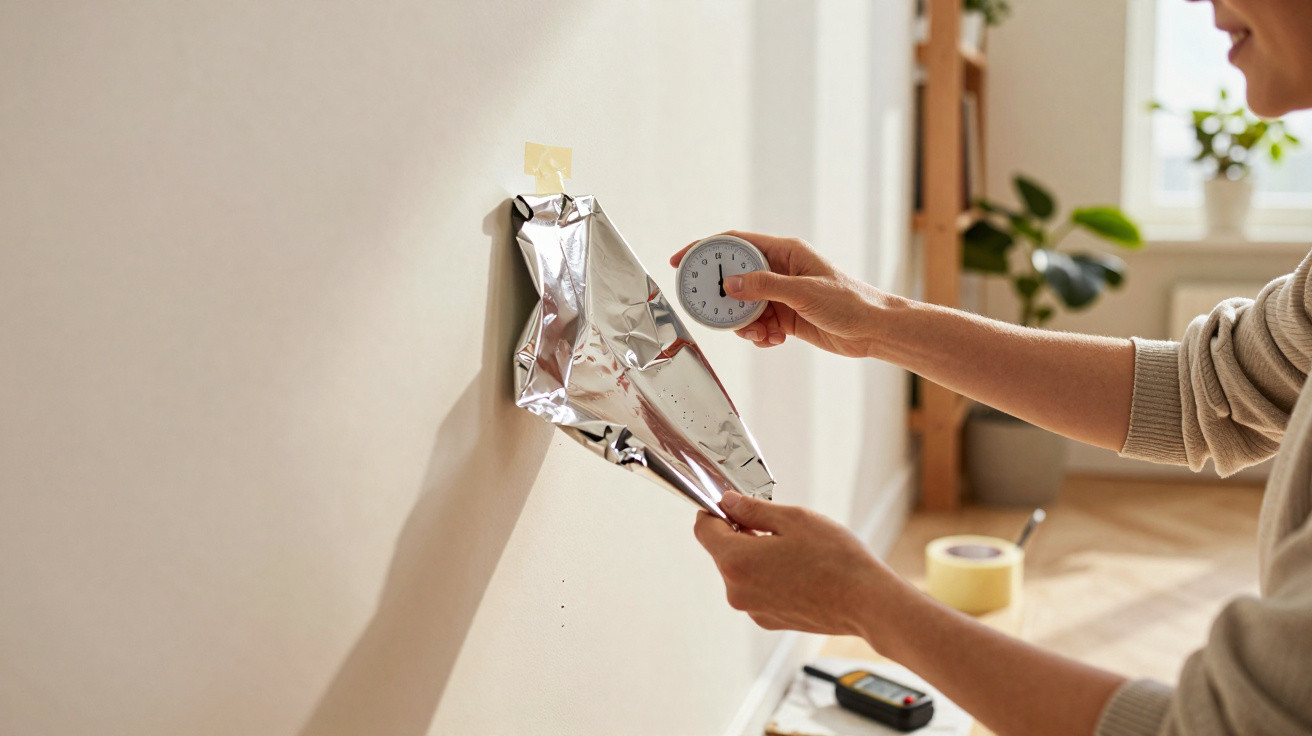
A successful renovation often starts with checks that are unglamorous but very practical: see whether the vents are extracting air, look for signs of condensation and measure humidity with a small hygrometer.
“A well-insulated house is not a sealed box: it must retain heat while renewing the air,” a renovation adviser often points out.
The warning signs are easy to identify:
- persistent condensation on glazing in the morning;
- a musty smell in a little-used room;
- dark marks behind furniture or in corners;
- laundry taking unusually long to dry indoors;
- headaches, a feeling of heavy air or uncomfortable waking.
Thermal comfort is not simply the temperature shown on the thermostat
True comfort is not limited to a living room at 20 °C. It also relies on air quality, humidity, consistent warmth and that hard-to-measure feeling that makes you want to stay at home without throwing the windows wide open in midwinter. A well-planned energy-efficiency renovation can provide all of these at once. Conversely, work completed too quickly and without an overall assessment may turn an old house that is easy to heat into a stuffy, damp home, or one that is difficult to live in in certain rooms.
Before starting work, seeking a coherent assessment of the building envelope, heating and ventilation can make a major difference. A capable professional does more than recommend insulation or a window: they ask about everyday habits, laundry drying, the number of occupants, rooms that are rarely opened and any marks already visible. High-performance renovation is a matter of balance. It is also worth monitoring how the home changes after the work during its first winter, as this is often when warning signs emerge.
This issue is closely connected to everyday life: the entirely legitimate wish to feel less cold without paying more, while protecting a home that may hold many memories. Energy savings should never come at the expense of poorer air quality or moisture quietly taking hold. Sharing your experience with a neighbour, tradesperson or adviser can prevent decisions being made in a hurry. Heating less is not always enough; the house must also be allowed to live.
| Key point | Detail | Added value for the reader |
|---|---|---|
| Increased airtightness | Windows, insulation and seals reduce air leakage. | Understand why condensation can appear after work. |
| Checked ventilation | Air inlets and extraction must operate together. | Identify a fault quickly before mould develops. |
| Whole-home approach | Insulation, heating, humidity and household habits are connected. | Make renovation choices that are more durable and more comfortable. |















Comments
No comments yet. Be the first to comment!
Leave a Comment