Golden chicken, sliced avocado and a sharp squeeze of lemon: ten minutes later, the plate was in the bin, while the woman who had prepared it sat on the cold floor tiles, dizzy and holding her stomach. There was no smoke, odd odour or “bad” flavour. Instead, an unseen risk had been lingering in her kitchen for weeks.
That is what makes it so disturbing: most contemporary kitchens appear clean. There are gleaming worktops, smart appliances and perhaps a fruit bowl chosen for appearance. Yet food safety agencies throughout Europe are increasingly warning of hazards within easy reach. They are not referring to out-of-date tins or mouldy loaves, but to something subtler and much more widespread.
The Food Authority has begun describing it as a “blind spot of everyday cooking”. It is a risk that nearly all of us have, but hardly anyone properly manages.
When a spotless kitchen conceals its biggest threats
It is late afternoon, with sunlight filtering through the blinds. A mother chops vegetables as her son does his homework at the kitchen table. Music comes from a Bluetooth speaker and the dishwasher gives off a soft hum. The scene feels secure, familiar and homely.
Her phone then vibrates with a push notification from the national Food Authority: “Beware of hidden dangers in your kitchen: eliminate these toxic traps now.” She reads the headline, dismisses it and sets the phone down again. Chicken is marinating on the worktop. The board used for raw meat is now covered with tomatoes. The cloth she picked up that morning is damp, slightly grey around its edges and still beside the sink.
The kitchen may look immaculate, but the actual story is microscopic.
Food inspectors repeatedly stress that the most serious contamination seldom comes from anything visibly “dirty”. Instead, it arises from minor shortcuts repeated day after day. It might be raw chicken rinsed in the sink, a sponge kept “just one day more”, or a plastic container still carrying a faint curry smell from last week’s leftovers. These may seem insignificant, but they are not.
Several European food safety reports indicate that a substantial proportion of food poisoning cases at home begin in precisely these places: tidy, modern kitchens in which people prepare “fresh” meals. Studies repeatedly identify the same three offenders: exhausted sponges, knife-scarred cutting boards and plastic food containers reheated too many times. Bacteria thrive in tiny cuts and damp fibres, while certain plastic additives can transfer into food during heating.
Most people affected never identify the real source. They put it down to “something I ate outside” or “a bug going around”. When laboratory tests are carried out, however, they often quietly suggest a different explanation.
Scientifically, the equation is brutally straightforward: moisture + warmth + organic residue = a feast for bacteria. An average used kitchen sponge, for example, has been found to contain as many microbes as the inside of a toilet bowl. That same sponge can move from the sink to the chopping board, then to a plate and finally to a child’s cup.
On the chemical front, degraded plastic containers and poor-quality non-stick pans may release substances that regulators are monitoring closely. Heat, scratches and repeated use make that release happen more quickly. The Food Authority is not trying to frighten people away from cooking. Rather, it wants to highlight the everyday items that people regard as harmless and barely notice.
We tend to assume that danger comes from “outside” - industrial food or restaurants. In many cases, it is quietly soaking beside the tap.
The toxic trio your kitchen should retire
The first action recommended by experts is almost disappointingly easy: inspect three items in your kitchen. Look at your sponges and dishcloths, your chopping boards and your plastic containers. You need no app or gadget, only your hands and your eyes.
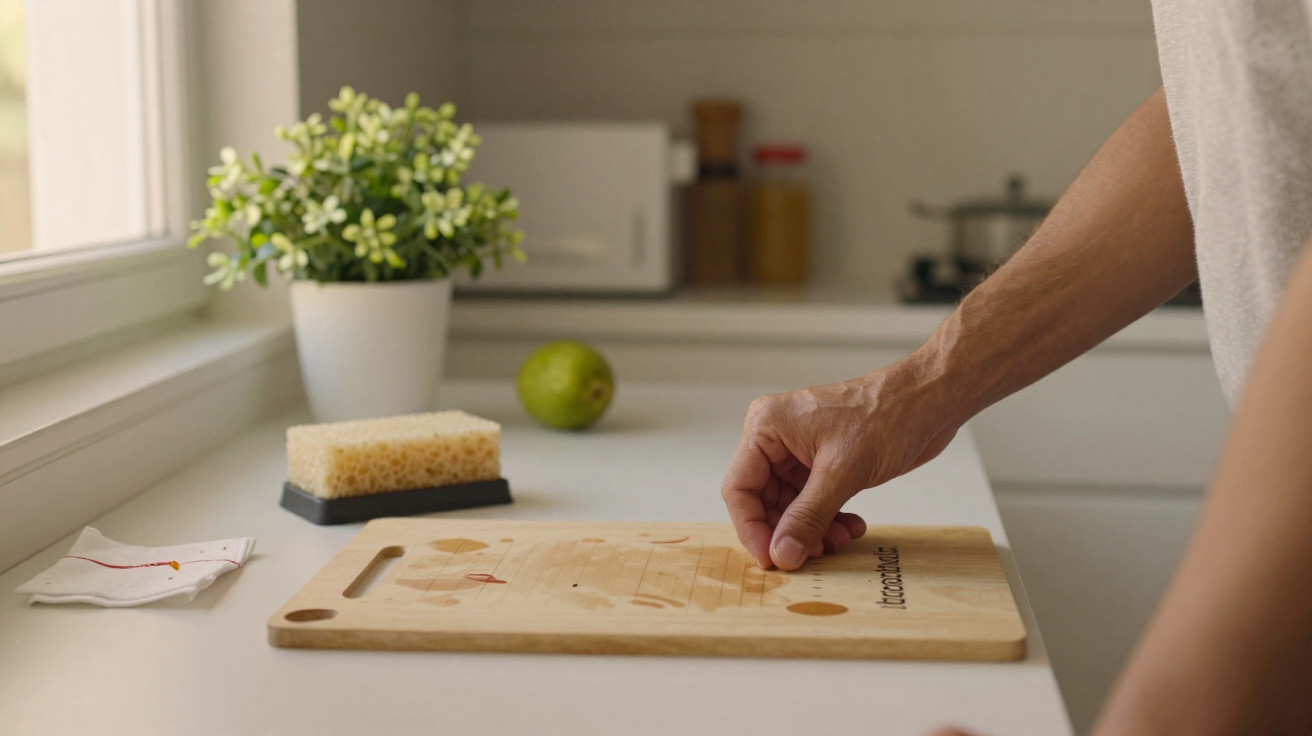
Take hold of your main sponge. How long has it been in use? If you cannot remember, that tells you enough. Give it a smell: even a slight sour odour means its time is up. Repeat this check with dishcloths and tea towels. Then inspect your boards by running a finger over them. Are there deep cuts where knives have created tiny canyons? Those are ideal hiding places for bacteria that routine washing cannot fully remove.
Next, open the cupboard containing your plastic boxes. Any with cloudy sides, orange staining or distorted lids are the veterans that need to go.
On a dull Tuesday morning in Lyon, a food safety inspector told me of a case he had never forgotten. A family suffering repeated “mystery stomach bugs” contacted their doctor in frustration. They cooked meals at home, bought organic produce and washed their vegetables. Tired of guessing, the doctor proposed a visit from the Food Authority’s home inspection team.
The inspector found what he describes as “the classic scene”: an attractive, light-filled kitchen with plenty of glass jars, wooden spoons and Instagram-friendly plants. In the sink was a yellow sponge collapsed through overuse. On the worktop sat a plastic chopping board turned almost white by years of knife marks. Cupboards held piles of old takeaway containers, bent and stained.
Later laboratory tests detected high levels of contamination on both the sponge and chopping board. The family replaced those two objects, and the “bug” vanished. No medication was needed; only everyday items had quietly been changed.
The figures reinforce accounts like this. Several surveys identify dish sponges as among the dirtiest objects in the home, with microbial testing finding them more contaminated than toilet seats. Chopping boards used for raw meat before being used for vegetables without thorough cleaning in between are a recognised route for cross-contamination.
From the Food Authority’s viewpoint, the same pattern appears time after time. People get many things right: they refrigerate food, check dates and cook meat thoroughly. Then one small lapse creates an opening. It could be a sponge that never dries fully, a board moved from raw chicken to salad within 30 seconds, or a plastic box transferred from freezer to microwave each day while it warps and releases tiny quantities of chemicals.
This is not about causing panic. It is about recognising that the kitchen items posing the greatest risk are often those handled so routinely that they become invisible.
Food Authority routines that quietly transform kitchen safety
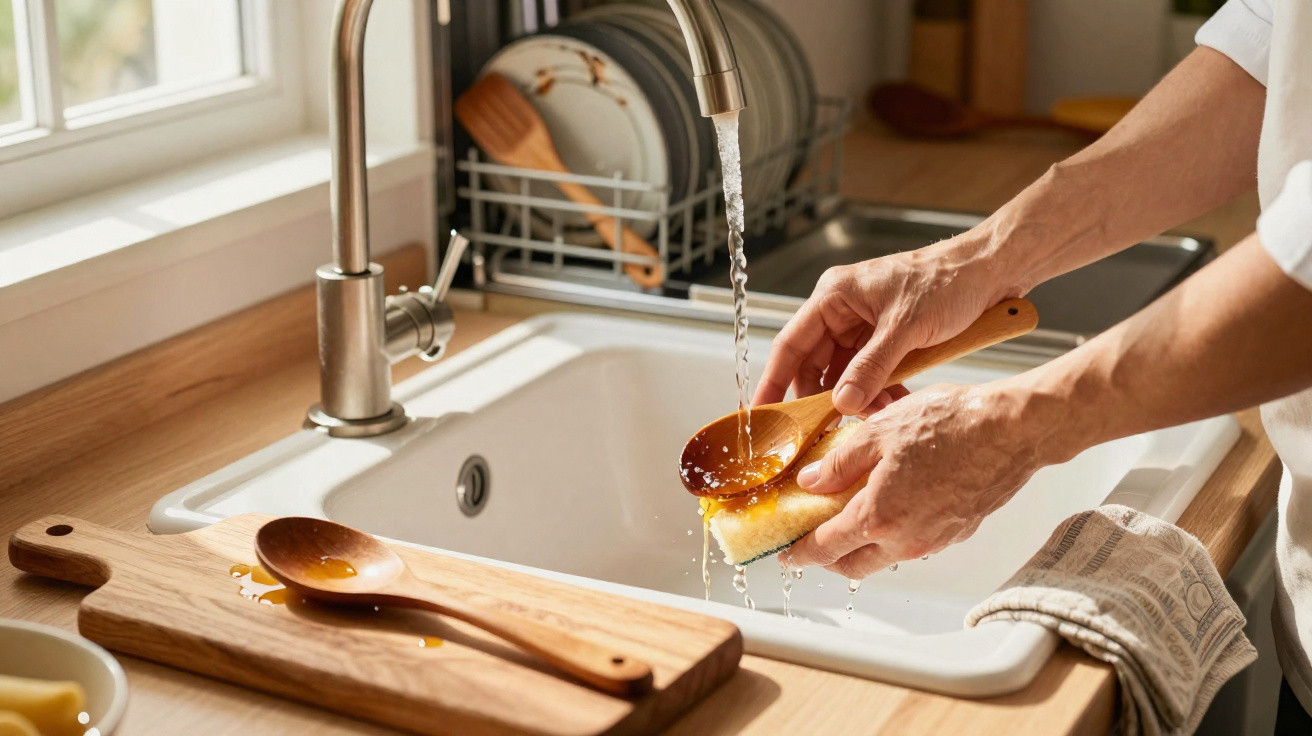
Rather than picturing a major “kitchen safety overhaul”, focus on small routines you can repeat. First, put sponges and cloths on a firm replacement schedule. Change sponges every week or fortnight at most. Keep two or three dishcloths in rotation so that each dries completely between uses, and wash them hot with detergent.
For chopping boards, separate raw meat from ready-to-eat food by using different colours or materials. Keep one board for meat and fish, and another for vegetables and bread. Clean them straight away using hot water and washing-up liquid, then stand them upright to dry. Once their grooves resemble small valleys, replace the board without sentiment.
For containers, gradually move towards glass when reheating food. Reserve plastic for cold storage, and discard any box that is scratched, stained or unable to close properly.
Many common errors stem from good intentions combined with tiredness. You arrive home late, place leftovers in whichever container is nearest and put it in the microwave. You wipe down the worktop with a cloth that “doesn’t look too bad”. You slice one final tomato on a board that still carries a faint garlic-and-chicken smell. We have all done it.
On a hectic weekday evening, hygiene guidance can feel like another task on an already overwhelming list. This is where empathy needs to be paired with discipline. Instead of chasing perfection, set up shortcuts that still work when you are exhausted: a small basket solely for “dirty cloths”, a visible hook for the “clean towel of the day”, and two boards permanently available, one dark and one light.
Let us be honest: nobody truly does this every single day.
However, once these actions become muscle memory, the burden eases. You do not have to “think” about safety; you simply change the sponge on Sundays, just as you put out the rubbish.
“The goal isn’t to turn home cooks into lab technicians,” a food authority spokesperson told me. “It’s to remove the three or four biggest risks so that everyday mistakes don’t turn into weeks of illness.”
According to most agencies, certain items are now non-negotiable. Old sponges, deeply scarred plastic boards, and heat-distorted plastic containers should be treated like expired food. Their useful life has ended. They are finished.
- Replace sponges and cloths regularly, before they begin to smell.
- Keep separate boards for raw meat and ready-to-eat foods.
- Choose glass or good-quality, undamaged containers for heating.
- Allow every item to dry completely between uses.
- Take any persistent odour seriously: it is a warning sign.
These measures are not driven by fear. They reduce the chance that an ordinary dinner leads to three miserable days for you, your children or your parents.
A kitchen that keeps you safe without becoming a laboratory
Seeing your kitchen through the Food Authority’s eyes changes more than your shopping list: it changes your sense of control. What was invisible becomes apparent. “I don’t know what made me ill” turns into “I know where the main traps are, and I have dealt with them”.
After quietly retiring the toxic trio and establishing these small habits, the rest of kitchen life can remain joyful, imperfect and human. You can still lick the spoon, cook far too much pasta and improvise with whatever remains in the fridge. The difference is that the underlying risk is lower, much like reducing the volume of an irritating hum you had not previously noticed.
At a deeper level, this shift is oddly personal. You begin noticing textures, smells and minute details: the soft collapse of an overused sponge, the fact that an old plastic box never truly seems “clean” again, and the crisp sensation of a new board beneath the knife. These are minor sensations, but they are also signals. Paying attention to them is a form of self-respect.
On a busy morning, coffee in one hand and your phone in the other, you might look towards the sink and remember this: the most hazardous things are not always dramatic. They are often the quiet, familiar items we trust automatically. That thought can be unsettling, but it can also give you power.
We have all experienced a “simple bug” that left us unable to function just when we most needed energy. Imagine if the next difficult week could be prevented by something as unremarkable as discarding an old sponge. It will not make glamorous social media content, but it may be one of the most caring and unseen actions you take for your household.
Your kitchen will never be a sterile bubble, nor does it need to be. It can instead be a place where pleasure and safety coexist quietly. That begins on the day you open the cupboard, pause for breath and decide that a handful of everyday objects have remained in your home long enough.
| Key point | Detail | Benefit for the reader |
|---|---|---|
| Sponges and dishcloths | Replace every 1–2 weeks, wash cloths hot, let them dry fully | Reduces bacterial load and daily cross-contamination risks |
| Cutting boards | Separate boards for raw meat and ready foods, replace when deeply scarred | Lowers chance of food poisoning from invisible residues |
| Plastic containers | Use for cold only when scratched or old; prefer glass for reheating | Limits exposure to migrating chemicals and keeps food safer |









Comments
No comments yet. Be the first to comment!
Leave a Comment