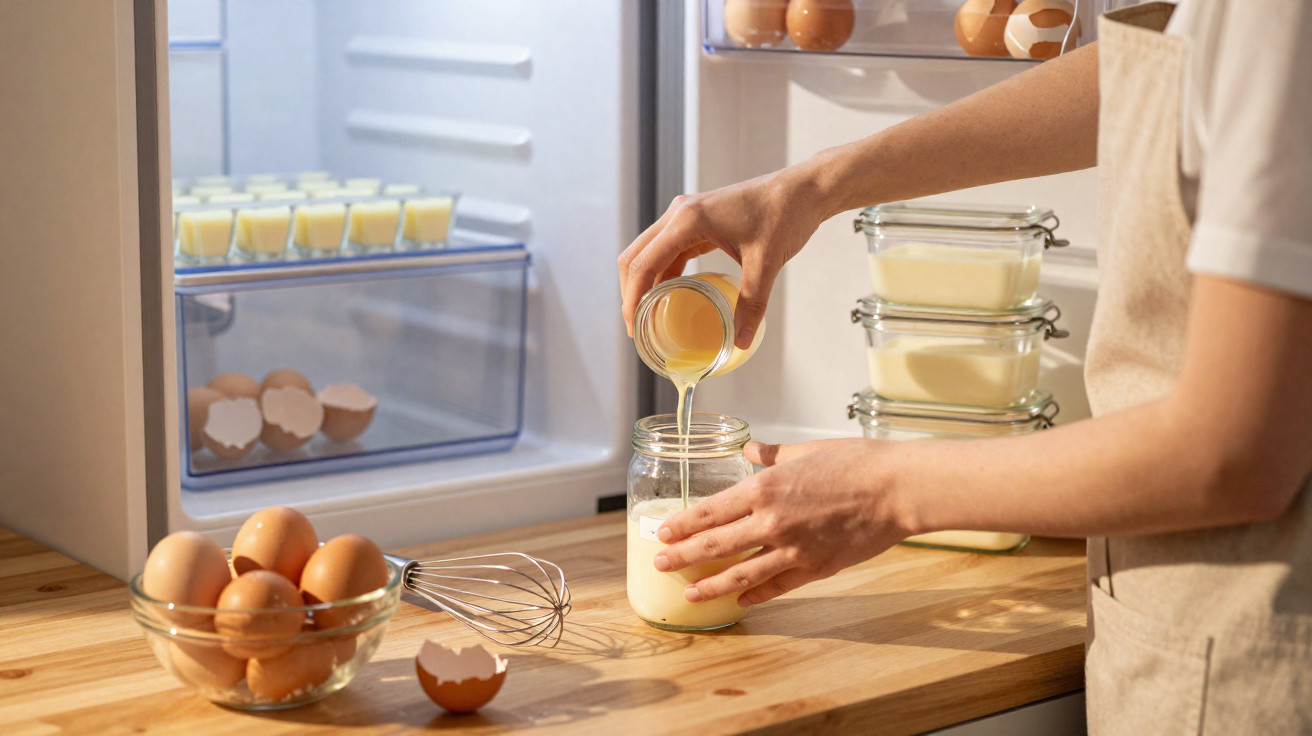
After making crème brûlée, brioche or homemade mayonnaise, you are often left with a small bowl of raw egg white. To avoid waste, it goes into the fridge with the best intentions of turning it into chocolate mousse or meringue soon. But then the doubt creeps in: is it still safe, or am I cultivating food poisoning?
How sensitive egg white really is
Eggs are generally among the most delicate foods to handle. Bacteria such as salmonella can be present on the shell and, in some cases, inside the egg. This applies not only to whole eggs but also to separated egg whites.
The crucial issue is that, once an egg has been removed from its shell, its natural protection is gone. Refrigeration slows bacterial growth but does not halt it. The longer the egg white remains in the fridge, the greater the risk becomes.
For the most cautious approach, use leftover raw egg white within 24 hours wherever possible – especially in recipes that are not thoroughly heated.
How long can egg white stay in the fridge?
In many home kitchens, leftover raw egg white is kept in the fridge for three to four days. That may be convenient, but food hygiene guidance recommends a much stricter limit.
The 24-hour rule for delicate dishes
For any food in which egg white will not be thoroughly cooked, there is a clear guideline: keep it in the fridge for no longer than one day. This includes, for example:
- Chocolate mousse without heated egg yolks
- Chilled creams and desserts made with raw whipped egg white
- Drinks containing egg white, such as classic “Egg White” cocktails
The reason is that many harmful germs are only killed at around 65 degrees Celsius when that temperature is maintained for a period of time. A raw whipped-egg-white dessert never reaches these temperatures. Extra care is particularly important when serving children, older people, pregnant women or anyone with a weakened immune system.
Three to four days – only if thoroughly cooked
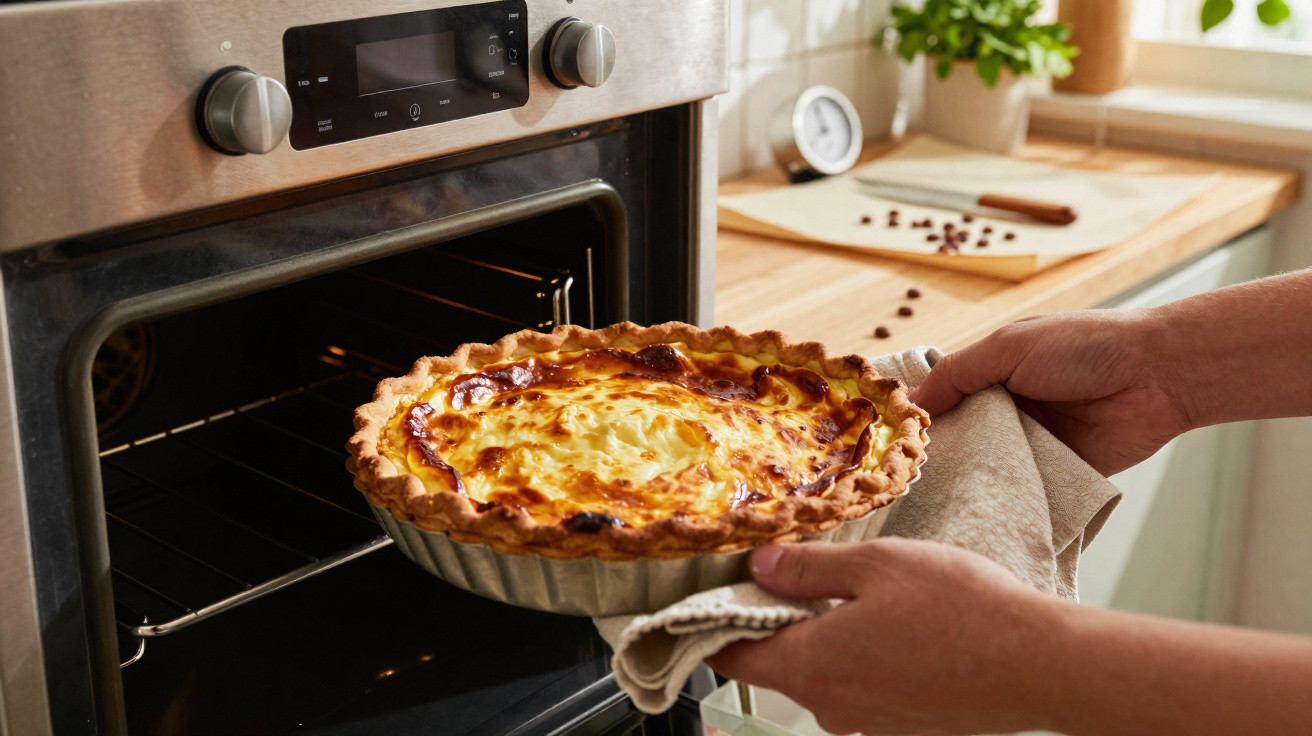
The situation is different if the egg white will later be heated for a long time and at high intensity. An oven set above 100 degrees Celsius is far more suitable for killing any possible germs. Typical examples include:
- Sponge cake layers or loaf cakes
- Pavlova and other meringue-based cakes
- Meringues that are thoroughly dried in the oven
For these recipes, hygiene specialists may in practice accept refrigerated storage of three to four days, provided strict conditions are met: use a clean container, seal it tightly, keep it in a consistently cold area of the fridge at around 4 degrees Celsius, and avoid leaving the fridge door open for extended periods.
The more thoroughly egg white is baked or dried afterwards, the more acceptable up to four days of refrigeration becomes.
How to store leftover egg white correctly
Whether you keep it for one day or four, the storage method also affects the risk. Small everyday lapses can make a real difference.
Basic hygiene steps
- Crack the egg immediately before using it rather than separating eggs in advance.
- Use only completely clean, dry bowls and containers.
- Seal the container as soon as the egg has been separated.
- Place it in the coldest part of the fridge, usually above the vegetable drawer or towards the back.
- Do not leave it at room temperature for more than two hours.
- Write the date on a label or directly on the container.
If the appearance, smell or texture seems unusual, it is best to throw the egg white away. An unpleasant smell, a slimy texture or discolouration are clear warning signs.
The number-one kitchen rule is this: when in doubt, throw it out – raw egg white is not a food worth taking chances with.
Freezer rather than bin: freezing egg white
If you know you will not use leftover egg whites within a day or the next few days, freezing is a better option than discarding them.
How to freeze egg white successfully
Egg white can be stored with ease in just a few steps:
- Pour freshly separated egg white into an ice-cube tray.
- Allow it to freeze solid.
- Transfer the cubes to a freezer-safe container or bag, then label it with the date and quantity.
Raw egg white will generally keep in the freezer for four to six months. It is not automatically spoiled after that point, but its quality will noticeably decline.
When defrosting, leave it in the fridge overnight rather than at room temperature. Germs can multiply readily again on the kitchen worktop, particularly in a warm room.
What frozen egg white is still suitable for
After freezing, egg white behaves slightly differently and is usually a little harder to whip until stiff. That is perfectly acceptable for some uses, but less suitable for others.
Defrosted egg white works well for:
- Sponge and loaf cakes
- Savoury bakes such as egg-white bread or egg-white rolls
- Oven-baked dishes where the texture does not need to be perfect
- Meringues dried for a long time
It is less ideal for exceptionally light, delicate foams where every air bubble matters – such as very fine meringues or meringue cakes intended to be extremely airy.
Risks of incorrect storage
Many cases of food poisoning start with seemingly harmless leftovers in the fridge. Salmonella is the main concern with eggs and poultry, although other germs may also be involved.
Typical symptoms after eating spoiled egg products range from nausea and stomach pain to vomiting and severe diarrhoea. In healthy adults, these symptoms often settle after a day or two. However, such an infection can be considerably more dangerous for young children, very elderly people, pregnant women or people with underlying health conditions.
When cooking for higher-risk groups, the safest approach is to keep egg white for very short periods and heat it thoroughly.
Practical everyday examples
A few common kitchen situations show how to put this advice into practice:
| Situation | Solution |
|---|---|
| Sunday: two egg whites are left over after making mayonnaise. | Add them to scrambled eggs with very fresh eggs that same day, or freeze them – do not leave them in the fridge until Wednesday for mousse. |
| Wednesday: four egg whites from a brioche baking session are in the fridge, and it is now Saturday. | Use them only for a thoroughly baked cake or meringues – they are too risky for raw whipped egg white. Throw them away if they smell unpleasant. |
| Leftover egg whites accumulate regularly because recipes often require only yolks. | Collect and freeze them as a routine, note the number on the container, and plan a larger baking session every few weeks. |
Why handling egg white carefully is worthwhile
Paying closer attention to storage times and temperatures protects your health while also cutting food waste. Egg white in particular can be used in many ways: sweet in desserts, savoury in scrambled eggs, as a protein boost in bread, or in oven-baked dishes.
A consistent kitchen routine helps: plan leftovers straight away where possible, write down the date, understand the temperature zones in your fridge, and take a moment whenever you open it to consider what needs using next. That way, unremarkable leftover egg whites become safe meals rather than hidden breeding grounds for bacteria in the fridge.













Comments
No comments yet. Be the first to comment!
Leave a Comment