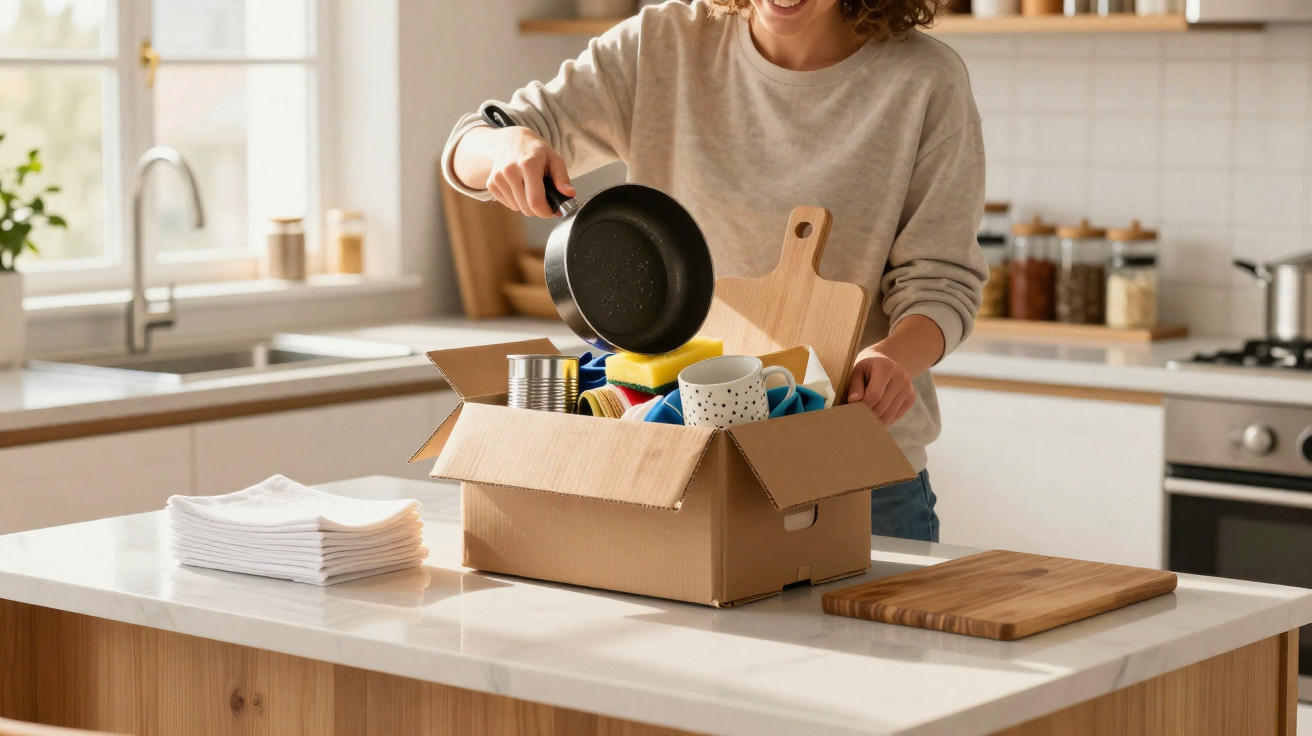
Some items are useful; others quietly weigh you down.
The seemingly minor choices about what remains in your cupboards shape both everyday cooking and safety. A brief clear-out cuts risk, saves time and improves the flavour of every meal.
What to throw away now
Duplicate utensils: clutter with no benefit
Having three wooden spoons will not make food cook any quicker. Surplus utensils delay you, conceal the tool you actually want and fill up drawers. Retain one sturdy spatula, one flexible version and one heat-resistant option. Give away clean duplicates. Dispose of warped or melted utensils that scratch pans or leave fragments in food.
Out-of-date or damaged tins: an infrequent but serious risk
Tinned food keeps well, though not indefinitely. High-acid foods last 12–18 months, while low-acid products may keep for several years when kept somewhere cool and dry. Their quality deteriorates well before they become unsafe. Rust, bulging, leaks and severe dents around the rim increase the risk of botulism, which can be serious.
If a can is bulging, rusted, leaking, or sharply dented at the seam, discard it sealed. Do not taste-test.
Overused towels and sponges: bacterial hotspots
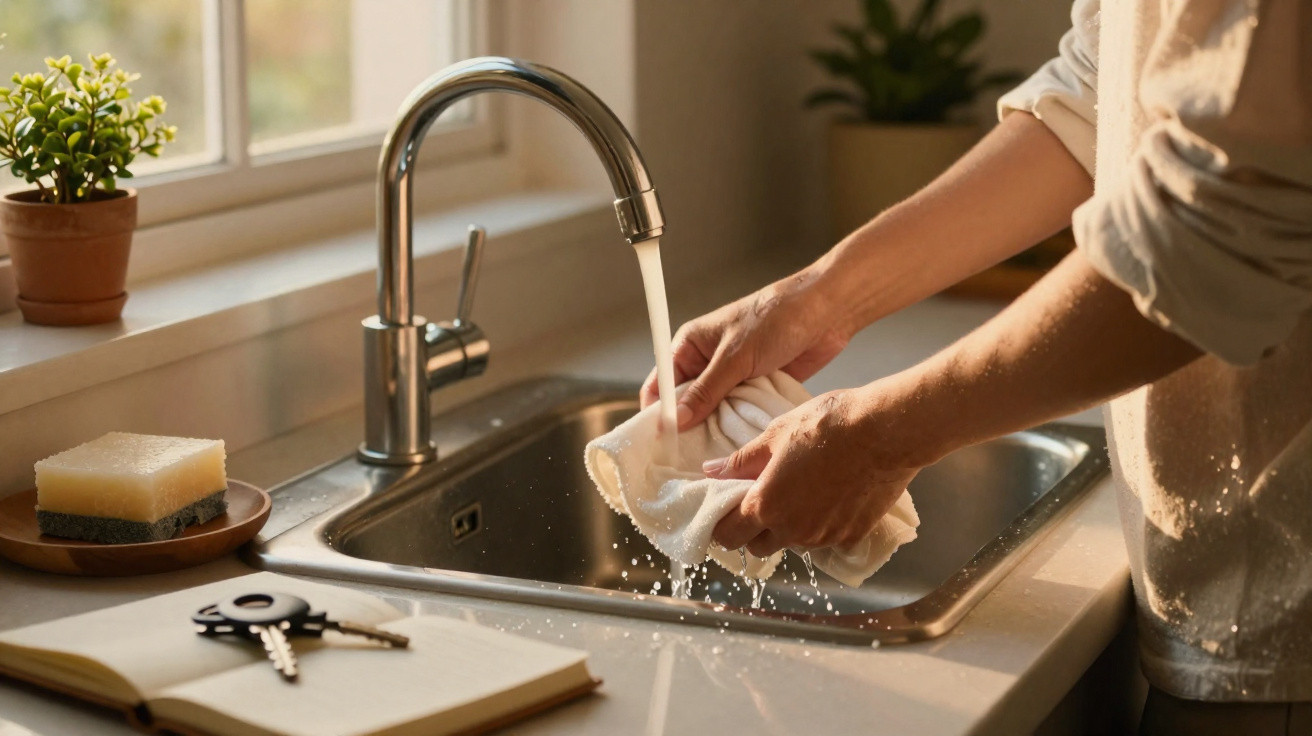
Tea towels retain moisture, food remnants and oils from skin. Sponges hold microbes deep within their pores. After substantial use, wash towels on a hot cycle and replace them every day or two. Change sponges each week, or put them through a hot dishwasher cycle between uses. Microfibre cloths dry more quickly and release fewer fibres.
Scratched non-stick pans and warped pots: patchy heat and peeling coatings
Heavy scratches allow non-stick coatings to deteriorate and make food cling to the surface. A warped base creates hot spots that scorch sauces and use more energy. Retire a pan when its surface is rough or the bare metal beneath is visible. Stainless steel and cast iron can be restored, but non-stick cookware cannot. Silicone or wooden utensils will help new pans last longer.
Stale spices and herbs: flavour with no impact
Ageing spices weaken every dish. Dried herbs lose their strength after 1–2 years, ground spices after 1–3 years, and whole spices can keep for 3–4 years when sealed and stored away from light. If a pinch rubbed between your fingers has little aroma, it will provide little flavour in cooking. Choose smaller jars and mark the date on each lid.
Unmatched containers and lids: storage frustration
Lidless containers consume both space and patience. Lids with no matching container turn every day into a search. Stick with one stackable system and recycle everything else. Glass containers with clip-on lids resist staining and hot soup better than flimsy plastic. Mark their capacities so that you can quickly select the correct size.
Heavily scored chopping boards: grooves that hold germs
Knife marks retain moisture and juices from raw food. Plastic boards with deep channels may harbour pathogens even after washing. Replace badly gouged plastic boards, and sand wooden boards until smooth. Designate different boards for vegetables and raw protein. Select boards that fit in your sink, allowing you to wash them thoroughly after preparation.
Chipped mugs and plates: concealed sharp edges and metals
Chips can cut lips and spread into larger cracks through repeated heating and cooling. Tiny cracks trap odours and bacteria. Damaged glazes on vintage or imported ceramics may release lead. Replace chipped tableware, keeping heirlooms solely for display. Make sure that harvest-orange, tomato-red and vivid yellow glazes on vintage pieces remain undamaged.
Old cooking oils and rancid nuts: unpleasant flavours and oxidation
Heat, light and air cause oils to oxidise. A smell resembling paint or crayons indicates rancidity. Rancid oil brings bitter flavours and produces undesirable breakdown compounds. Buy delicate oils in small bottles, keep them cool and dark, and close the cap firmly. Freezing nuts and seeds keeps them fresh for months longer.
Worn table linen: stains that will not wash away
Frayed napkins and marked tablecloths never appear properly clean. Lingering smells suggest that oils have become trapped in the fabric. Reassign them as cleaning cloths or send them for textile recycling. Two neutral sets are enough for weekday meals and visitors, without a surplus taking up cupboard room.
Keep only what you use weekly, replace items that no longer clean fully, and favor materials that survive heat, scrubbing, and time.
Useful lifespans and warning signs
| Item | Signs it’s time | Typical lifespan |
|---|---|---|
| Sponge | Persistent odour, tears, slimy texture | 7–10 days |
| Tea towel | Musty smell after washing, thinning fabric | 6–12 months |
| Non-stick pan | Flaking, deep scratches, food sticking at low heat | 2–5 years |
| Plastic chopping board | Grooves that retain stains or odours | 1–3 years |
| Dried herbs | Faint aroma, faded colour | 1–2 years |
| Cooking oil | Paint-like odour, bitter aftertaste | 3–12 months once opened |
Quick checks for this weekend
- Open three random spice jars and smell each one. Replace the weakest today.
- Pair every container with its lid, keeping only combinations that close securely.
- Make a thin crêpe in non-stick pans. If it sticks over medium heat, retire the pan.
- Hold chopping boards up to the light. Replace any with dark grooves that cannot be scrubbed clean.
- After washing, sort towels by texture and smell. Keep the absorbent, odour-free pile.
How to deal with cast-offs
Give clean duplicate items and unchipped dishes to local reuse centres. Take metal cookware to a scrap recycling point, removing plastic handles beforehand. Never tip old oil into the drain: seal and put small quantities in the bin, or bring larger amounts to a household waste site. Convert tired table linen into cloths for garage or garden jobs.
Upgrades that stop clutter returning
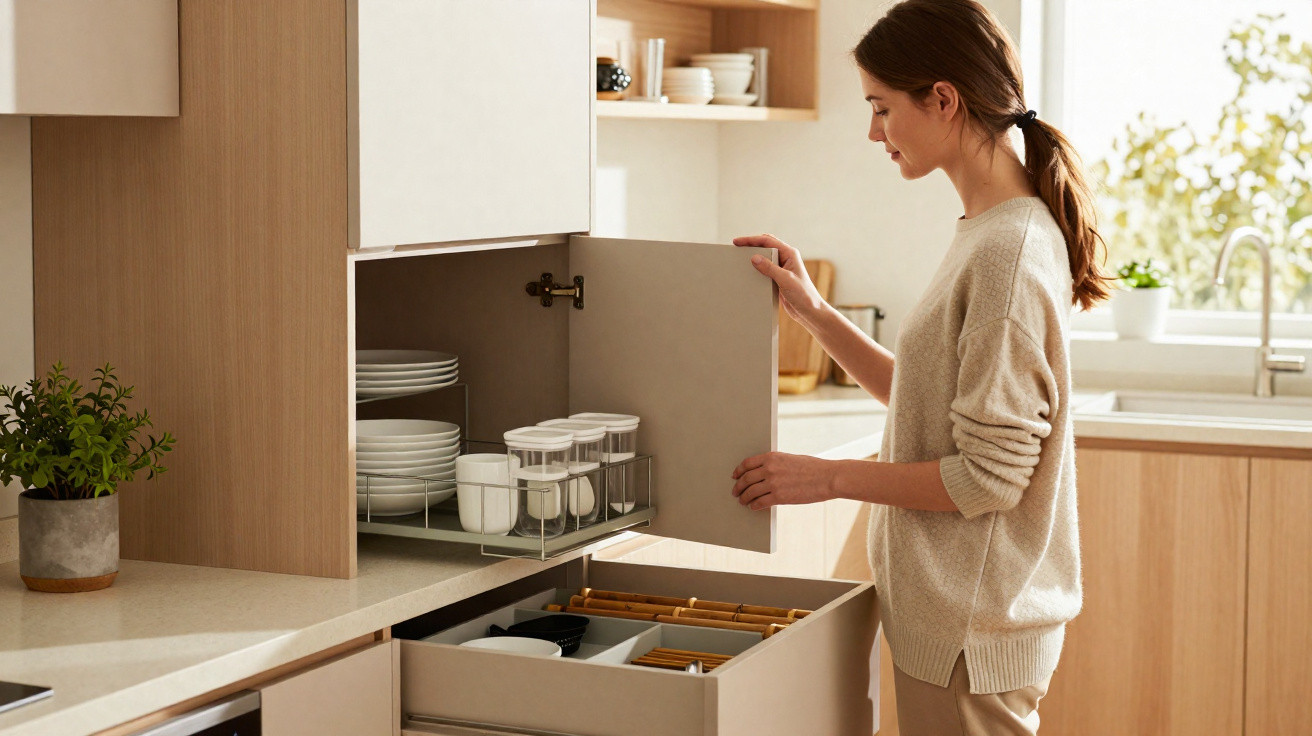
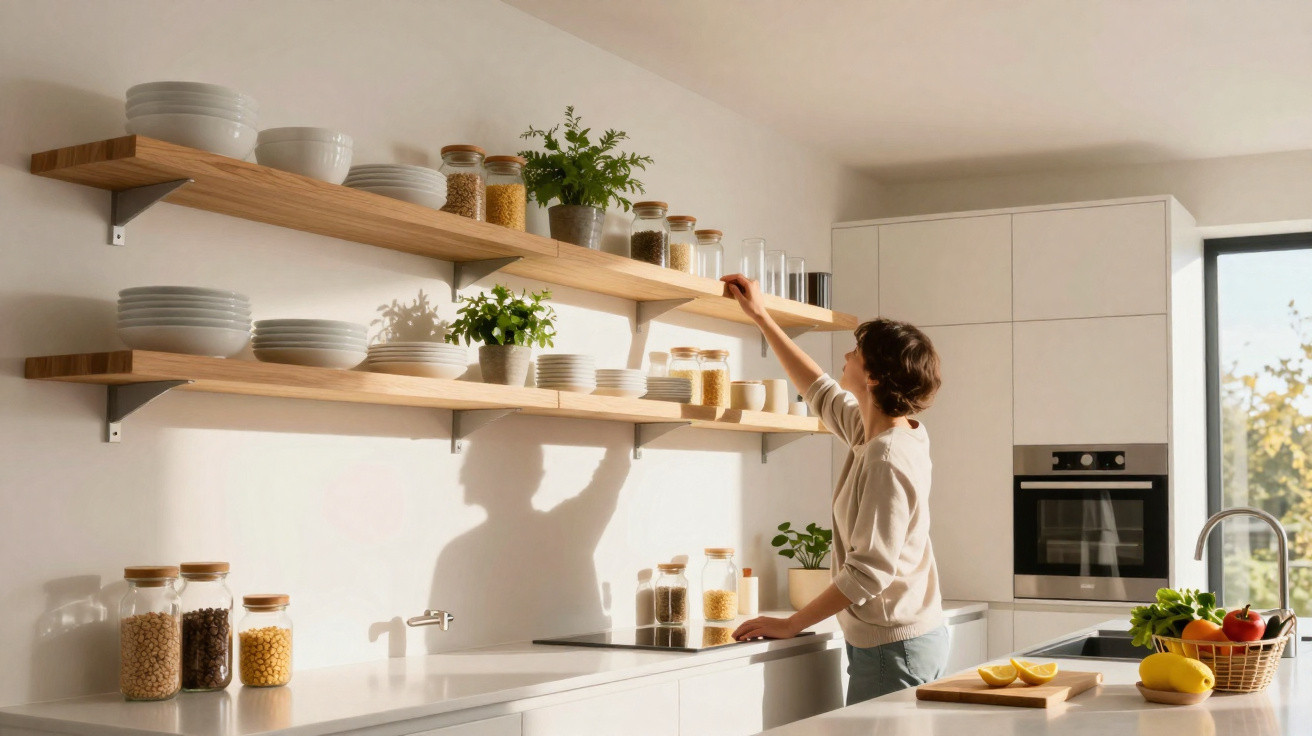
Choose modular glass containers with matching lids to eliminate the search. A magnetic spice rack or slim shelf brings jars out of shadowy corners. Put up two hooks for clean towels, so one can dry while the other is in use. Keep rarely used utensils in a labelled box away from the preparation area, leaving worktops uncluttered.
Food safety notes that prevent problems
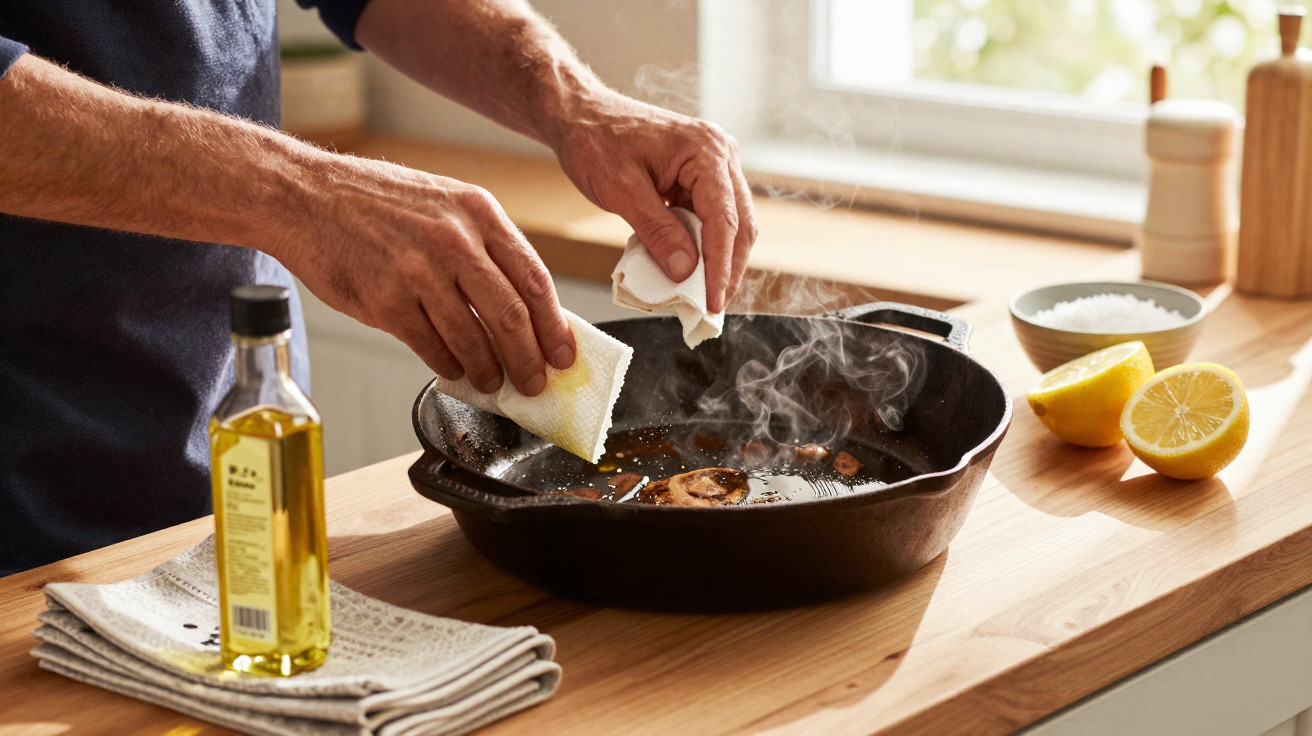
Write the opening date on pantry goods so you can check freshness at a glance. Use an inexpensive fridge thermometer and maintain 3–4°C to slow spoilage. To sanitise chopping boards, wash them in hot, soapy water, rinse and stand them upright to air-dry; use a diluted bleach rinse on plastic when necessary. For wood, use hot water followed by a 3% hydrogen peroxide wipe, then apply a light coating of oil to seal the grain.
A few practical substitutions
Replace sponges with fast-drying scrubbers that are dishwasher-safe. Trade a large knife block for a chef’s knife, a small paring knife and a bread knife, sharpening them twice yearly. Keep one neutral high-heat oil for frying and one aromatic finishing oil for salads, reducing the number of partly used bottles.
When money is limited, make the changes gradually: buy one new chopping board this month, fresh spices next month and a better pan before the holidays. Small replacements improve flavour, reduce risk and make cooking feel easier. Every item removed saves minutes, and those minutes accumulate each week.








Comments
No comments yet. Be the first to comment!
Leave a Comment