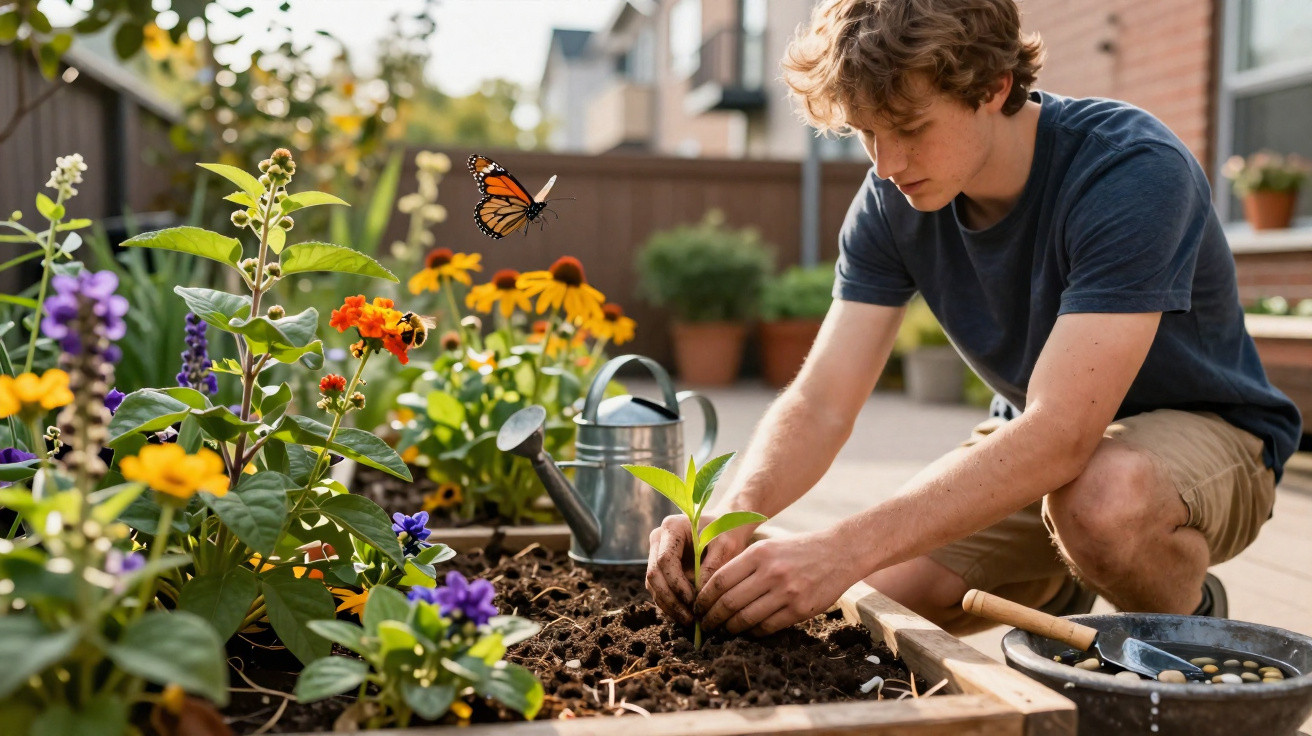
Creating a welcoming haven for pollinators in residential areas is a practical way to protect biodiversity. By growing suitable plants in your garden, you provide a continuous food supply and secure shelter for every visitor, easily revitalising the domestic ecosystem.
Why do monarch butterflies need urban refuges?
Populations of pollinating insects face serious threats from the loss of natural habitats and the intensive use of pesticides. In this challenging context, small urban gardens can become genuine oases, supplying the vital resources these migratory creatures need to survive.
When clean nectar sources and spots sheltered from strong winds are available, any outdoor area can serve as an important resting place. This direct human support reduces the effects of ecological imbalance and keeps wildlife routes fully active.
How can flower beds remain in bloom during severe droughts?
Adapted perennial species retain deep moisture and produce steady nectar for insects, provided the soil is prepared… Read more
Which plants play an essential role in caterpillar reproduction?
The monarch butterfly depends strictly on plants from the Asclepias genus, where it lays its eggs. Without this particular vegetation, newly hatched caterpillars cannot obtain the nutrition required to grow and complete their metamorphosis.
Including these native leafy plants in the garden supports the reproductive continuity of the species scientifically known as Danaus plexippus. A reliable presence of host plants draws fertile females and reinforces the entire biological cycle within the cultivated domestic environment.
Below is a video from Environment and Climate Change Canada’s YouTube channel explaining how individual actions help to protect pollinators:
How can you plan a flower bed that blooms all year round?
A truly sustainable garden should provide staggered flowering across every season to feed insects. Species that bloom at the end of winter offer crucial energy before colder periods or major migrations.
Pairing different native flower varieties with varied flowering periods ensures an uninterrupted nectar supply for wildlife. This floral diversity attracts beneficial organisms, improves soil fertility and brings the ecosystem into balance.
Essential Kit for Attracting Butterflies
Basic growing structure
Key elements for creating an appealing flower bed:
- Host plants from the Asclepias genus for caterpillar reproduction;
- Native flowers with plentiful nectar and flowering at alternating times;
- Shallow water dishes with stones for safe hydration and mineral absorption.
What practical measures protect pollinators in the garden?
Completely removing synthetic pesticides and insecticides is an essential step in keeping the refuge safe for winged life. Toxic chemical products contaminate plant nectar and directly cause the death of both caterpillars and adult individuals.
As well as avoiding poisonous substances, keeping small containers of damp soil or submerged stones allows insects to drink water safely. Sheltering flower beds from strong gusts creates an ideal microclimate for the full development of biodiversity.
Several practical actions make the day-to-day upkeep of an insect-friendly space easier:
- Replacing chemical pesticides with natural organic fertiliser;
- Installing shallow hydration points enriched with minerals;
- Retaining dry branches and dense foliage as thermal shelter.
How does community engagement strengthen species conservation?
Effective conservation of migratory species becomes stronger when neighbours and whole communities share data through citizen science projects. Recording sightings of specimens helps researchers track routes and assess the health of populations in each region.
Every small pot or domestic flower bed cultivated with ecological awareness acts as an indispensable part of restoring biological heritage. Small daily actions create long-lasting positive effects and turn entire cities into ecological corridors full of life.












Comments
No comments yet. Be the first to comment!
Leave a Comment