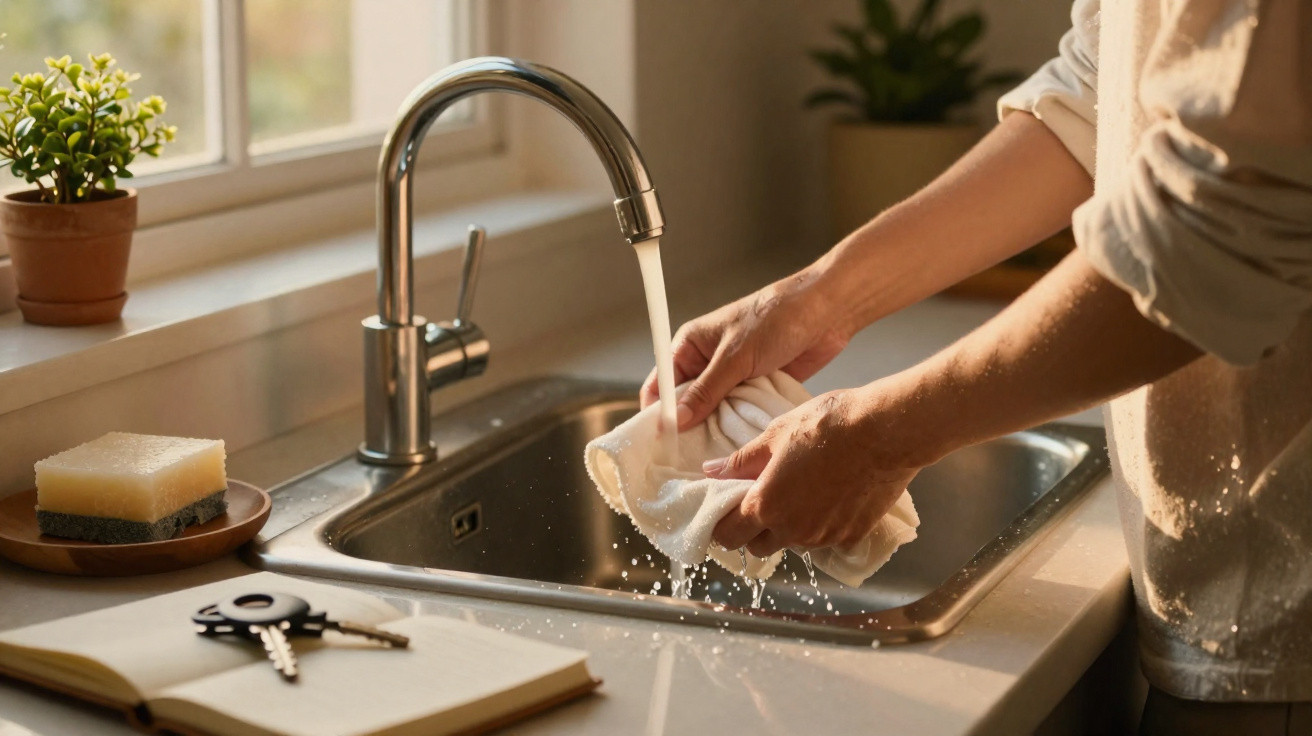
Some nights finish with a silent compromise with the clutter: the lights go out, the dishes remain where they are, and you leave tomorrow’s self to deal with them.
That seemingly small choice reflects something larger: how your home, schedule and mind interact while you sleep. A clear kitchen sink may appear insignificant, but an increasing number of people are making it an intentional evening ritual - a mental reset for the morning ahead.
Why tomorrow morning begins tonight
When people explain why mornings feel chaotic, they usually cite alarms, children, emails or commuting. The sink rarely gets a mention. Yet the first thing you see on entering the kitchen can influence how your brain judges the day to come.
Uncluttered surfaces send the signal “under control”, while visible chaos tells your nervous system to brace for impact.
Psychologists researching cognitive load suggest that each unfinished job your gaze encounters creates a small additional stressor. A heap of unwashed dishes is more than a household chore: it represents a series of unresolved choices, including what to wash first, where everything should go and how much time the job will require.
Leaving it until morning does not simply delay one job. It schedules an appointment with anxiety for your morning self, precisely when time and willpower are already under strain.
The unexpected value of a clean, dry sink
The sink has an unusual symbolic function. It is both a practical tool and a focal point. Much of domestic life passes through it, from cooking and cleaning to food preparation and lunchboxes. As a result, it becomes a mental measure of whether you feel “behind” or “ahead” at home.
A rising stream of home-organisation advice - from minimalist influencers to decluttering coaches - identifies an empty sink as a fundamental habit. The emphasis is not on a flawless kitchen or perfectly folded tea towels. It is simply this highly visible spot.
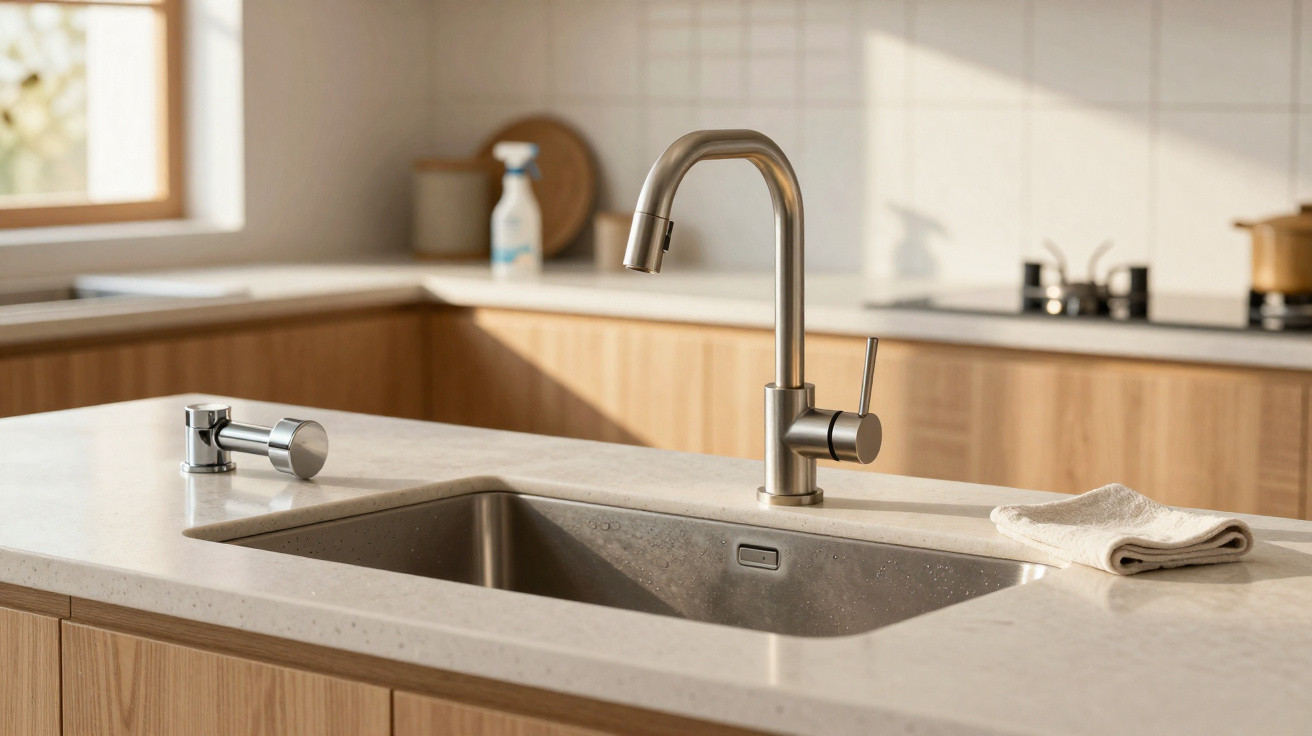
Walk into the kitchen, see bare metal and no dishes, and your brain reads: “start line”, not “backlog”.
That modest distinction affects the hours that follow. Rather than scraping plates, you can put the kettle on. You can make a packed lunch without having to clear room first. You can prepare breakfast without an accompanying dose of self-criticism.
More than tidiness: a mental shortcut
This practice is driven less by hygiene than by priming. You are creating surroundings for your half-awake self that encourage particular feelings and actions.
- Without visible clutter, there are fewer prompts reminding you of yesterday’s tiredness.
- A sink that is ready to use makes preparing breakfast and coffee quicker.
- The immediate success of knowing “this is already sorted” can increase motivation for other jobs.
- Your brain begins to link mornings with order rather than remedial work.
Researchers of domestic routines frequently refer to “friction” - the small barriers that make an everyday routine seem burdensome. A dirty sink creates friction; an empty sink helps the first hour of the day run more smoothly.
Reframing washing up: micro-actions instead of a marathon
In many homes, washing up is still approached as one substantial task to tackle at the end of the day. This method almost ensures decision fatigue at the point when energy is at its lowest.
A less demanding approach recommends the reverse: forget marathons and make small interventions instead. Its central principle is the “right after use” rule:
- After making tea, rinse the mug immediately.
- Once you have finished chopping, rinse the board before onion residue dries on it.
- Having served dinner, wash the pan while the meal rests or cools.
Perfection is not the objective. On certain evenings, a few items will still remain. The point is to stop the sink becoming a holding area for procrastination.
Think of each small rinse as paying in coins rather than dropping one giant, painful bill on your future self.
Those who follow this pattern of micro-actions often notice a subtle change: the kitchen stops feeling intimidating. Instead of becoming a source of guilt, it turns into a neutral work area that remains reasonably usable most of the time.
Why an empty sink matters more than a washed-up pile
There is a counterintuitive point that catches many people out: a sink full of clean but cluttered dishes may feel worse than an incomplete task that leaves the basin free. A tall stack of bowls, pans soaking “for later” and bottles wedged into a corner still visually communicates a backlog.
| Scenario | What you see at 7am | How it feels |
|---|---|---|
| All dishes washed, piled in sink | A wet stack of plates and pans, with nowhere to rinse anything | Cluttered, with no obvious starting point |
| Most dishes washed, sink empty | One or two items on the side, with a clear, dry basin | Tidy, manageable and ready for action |
Your morning brain is less concerned with whether every dish has technically been washed than with having usable space. Can you use the sink immediately, without moving anything around first? When the answer is yes, your feeling of control increases, even if two plates are still waiting on the sideboard.
The reservoir effect: keeping the central point clear
Italian home coaches sometimes describe the sink as a “reservoir” - a place through which everything flows. When it becomes blocked, the whole kitchen backs up. Emptying it has a disproportionately large effect for such a small area.
The same idea applies to mental capacity. A clear central point allows you to manage new tasks as they arise. A blocked one makes you deal with yesterday before you can begin today. In time, that difference influences how burdensome home life feels.
Bringing the ritual into the bathroom
This idea also works in the bathroom, another room where the day begins and ends. A smeared mirror, dried toothpaste in the basin and bottles spread around the edge can all signal neglect when you arrive half-awake.
Wiping the sink and mirror at night is less about shine, more about gifting your morning a quiet, neutral backdrop.
Spending five minutes in the evening on a quick wipe, returning items to their places and straightening the towel reduces friction during the day’s most hurried moments. You can wash your face without sending bottles tumbling over. You can look in the mirror without visual clutter surrounding your reflection.
For people on irregular shifts, parents of young children and those balancing several jobs, this brief bathroom reset can provide a rare sense of agency. You may not be able to decide when a baby wakes or your phone rings, but you can decide that a clean surface will welcome you at 5am.
A seven-day mental-clarity experiment
Making the ritual a personal experiment can help you assess what it changes. For seven nights, follow these rules:
- Before bed, leave the kitchen sink empty, rinsed and wiped dry.
- Do not soak items overnight: either wash pans or put them elsewhere to address the following day.
- Give the bathroom sink and mirror a quick wipe before turning out the lights.
- Avoid any other major cleaning; keep your attention on these two central points.
Each morning, make a brief note on your phone about your mood on waking, the time it took to get out of the house and the level of underlying tension you felt. Trends often become apparent quickly. People describe fewer disputes with partners over chores, less inclination to miss breakfast and a greater feeling of “starting on the front foot”.
What the ritual reveals about habits, rather than chores
Beneath the porcelain and steel, this is fundamentally about designing habits. A clean sink is a “keystone habit” - a small behaviour that can prompt other beneficial changes without requiring huge reserves of willpower.
When the sink remains clear, you may be more inclined to:
- Make food at home because the workspace is ready to use.
- Prepare packed lunches in the evening because there is space available.
- Stay on top of rubbish and recycling because overflow becomes noticeable sooner.
- Maintain a regular bedtime, using the final quick wipe-down as an anchor.
The ritual can also reduce the mental friction that so often derails new habits. Want to drink more water? A clear sink makes refilling bottles simpler. Hoping to cook before work twice weekly? You are more likely to do it when you do not first have to dig out the equipment you need.
From household detail to wellbeing aid
This change in emphasis - away from “everything has to be spotless” and towards “this one space needs to work” - fits a culture already exhausted by perfection. Many people believe they cannot match the immaculate homes displayed on social media. A simple, dry sink offers a practical anchor instead of an unattainable ideal.
There are compromises, naturally. On some evenings, sleep will matter more than scrubbing, and that may be the healthier choice. People living with chronic pain, working long shifts or carrying out caring responsibilities may need a gentler version of the rule: empty and rinse the sink, but do not worry about the shine. The habit is only useful when it supports your life, rather than becoming another reason to criticise yourself.
Even so, the clean sink at bedtime has remarkable staying power as an inexpensive wellbeing tool. It takes minutes rather than hours. It swaps broad promises to “be more organised” for one clear, visible marker. When the kettle boils beside bare metal rather than the previous night’s disorder, the sense of calm can seem far greater than the effort involved.













Comments
No comments yet. Be the first to comment!
Leave a Comment