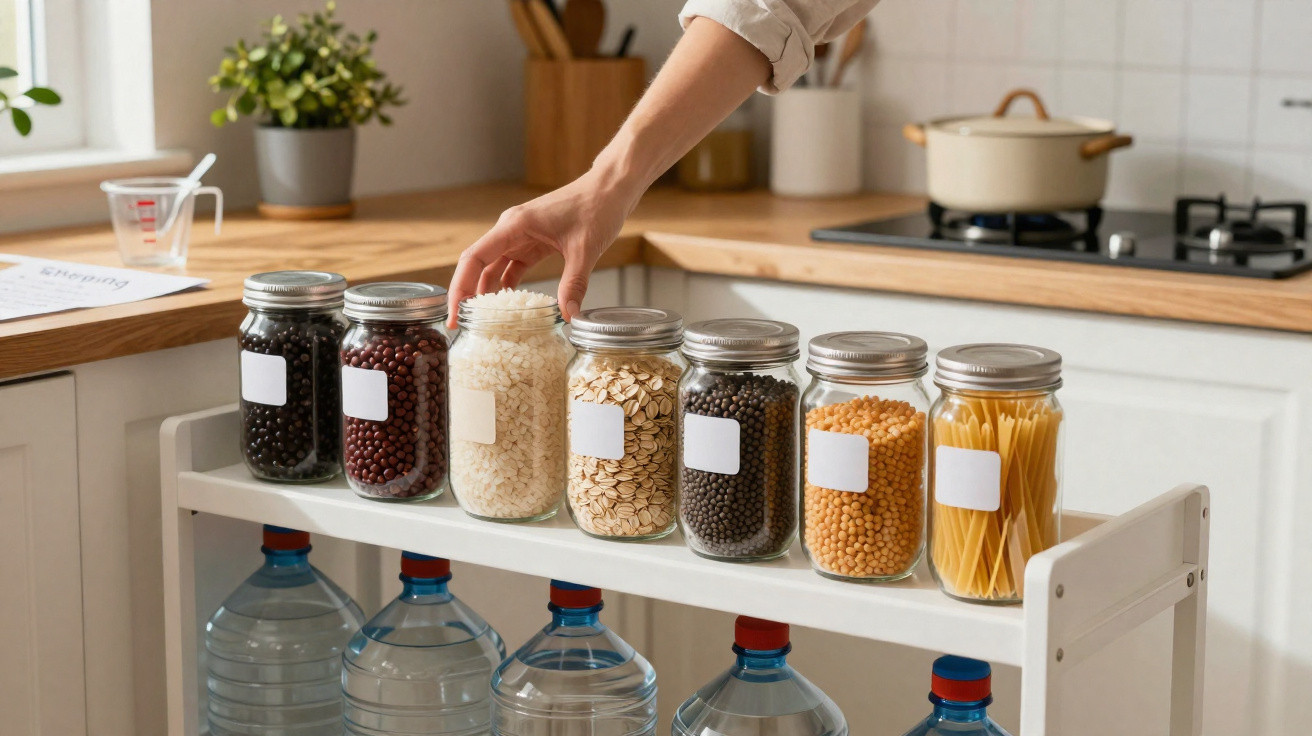
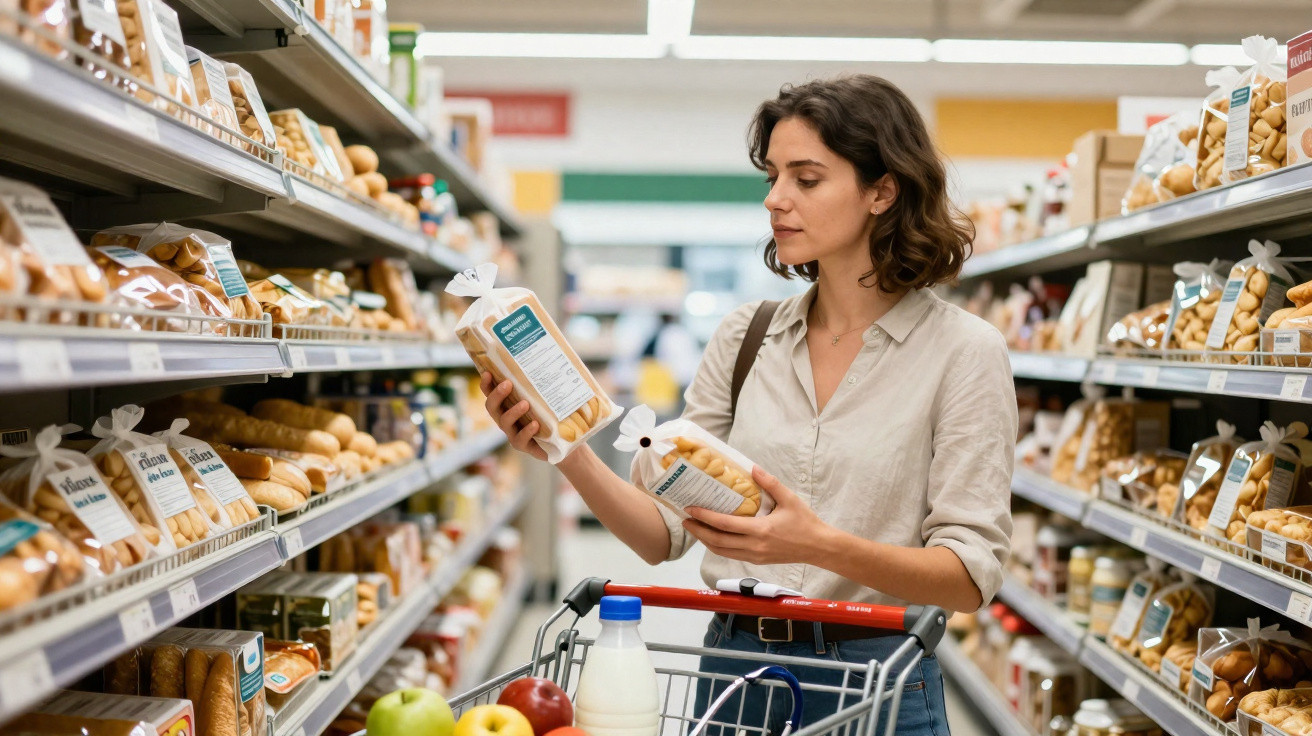
The scenes from supermarkets in recent years are hard to forget: sunflower oil, flour or pasta suddenly disappeared from shelves, while people pushed trolleys piled high with shopping out of the stores. Many felt defenceless without a huge pantry. Disaster-preparedness specialists say otherwise: you do not need a bunker, only a few well-chosen essentials.
Why a small, well-planned stockpile is better than panic buying
A strike at a logistics centre, a severe storm, an extended power cut or an illness that keeps you at home for several days: everyday life can be disrupted more quickly than expected. In these situations, a carefully planned food supply eases the pressure. You do not have to go out straight away, rely on overpriced remaining stock, and can retain some sense of normality.
Organisations such as the German Red Cross and civil protection groups advise households to be equipped to manage independently for at least 72 hours, and preferably for a few additional days. The focus is on three factors: calories, nutrients and shelf life. The aim is not to stack as many products as possible in the cellar. Instead, the goal is a compact store of food that provides energy, nourishes the body and keeps for almost indefinitely.
“A smartly planned food supply is built on a few core pillars – not 20 different trendy products.”
The 5 most important pantry foods for a crisis
Anyone asking emergency-preparedness experts will soon hear the same foods mentioned. They are products that stay stable for a long time without refrigeration, provide plenty of energy and protein, take up little space and can be used in many ways. Five items stand out in particular:
- white rice
- dried pulses (such as lentils, chickpeas and beans)
- pure honey
- iodised table salt
- oats
Together, these foods can form surprisingly varied meals, from a sweet breakfast to a hearty stew. At the same time, they cover the key building blocks: carbohydrates, protein, a little fat, minerals and trace elements.
How long the five basic foods really last
Their impressive shelf life becomes clear when you look at the figures, provided the storage conditions are right:
| Food | Typical shelf life in storage | Special feature |
|---|---|---|
| white rice | up to around 30 years | contains hardly any fat, so it is unlikely to go rancid |
| dried pulses | around 10 to 30 years | high in protein and very energy-dense |
| honey (pure) | virtually unlimited | naturally preserved by its acidity and sugar |
| iodised salt | virtually unlimited | provides a basic supply of iodine |
| oats | approx. 2 to 30 years (depending on packaging) | filling and high in fibre |
Unlike brown rice, white rice contains very little oil because its outer layers have been removed. As a result, it does not turn rancid and is ideal as a long-term staple. Dried lentils and similar pulses provide a substantial 20 to 25 grams of protein per 100 grams, making them the backbone of the protein supply in a pantry.
Honey is a special case: its low water content and acidic pH mean that germs can barely multiply in it. Honey found in ancient tombs has still been edible after centuries. Salt is equally resistant to spoilage as long as it is kept dry. Iodised salt also fills a gap that can easily emerge during stressful periods: the supply of iodine, a trace element needed by the thyroid.
What you can cook with the five foods
At first glance, these five foods may seem dull. Used together, however, they create a remarkably versatile foundation. Here are a few examples of what they can provide when you also have a minimal number of extras at home:
- rice with lentils or chickpeas as a filling main meal
- porridge with honey as a hot breakfast or evening meal
- rice pudding with honey and a pinch of salt
- a pulse stew enhanced with a little tinned vegetable
- oats soaked in water with a spoonful of honey as a no-cook emergency snack
If you also keep a few simple additions, such as vegetable oil, spices, tinned tomatoes or dried fruit, you can quickly vary the menu. The principle remains the same: these five staples secure the basics without requiring shelves full of specialist products.
Storing them properly: how rice and other staples really last for decades
Even the best food selection offers little benefit if the packaging and storage location are unsuitable. Light, heat, oxygen and moisture all speed up deterioration. To make the most of shelf life, follow a few straightforward rules.
- Pack airtight: Put rice, pulses and oats into tightly sealed glass containers or robust bags wherever possible.
- Store in a cool, dark place: A dry, dark room at 15 to 20°C is ideal.
- Avoid moisture: Damp corners of a cellar can ruin any packaging, creating a risk of mould and pests.
- Keep pests out: Open bags of flour or grain attract food moths; solid containers provide protection.
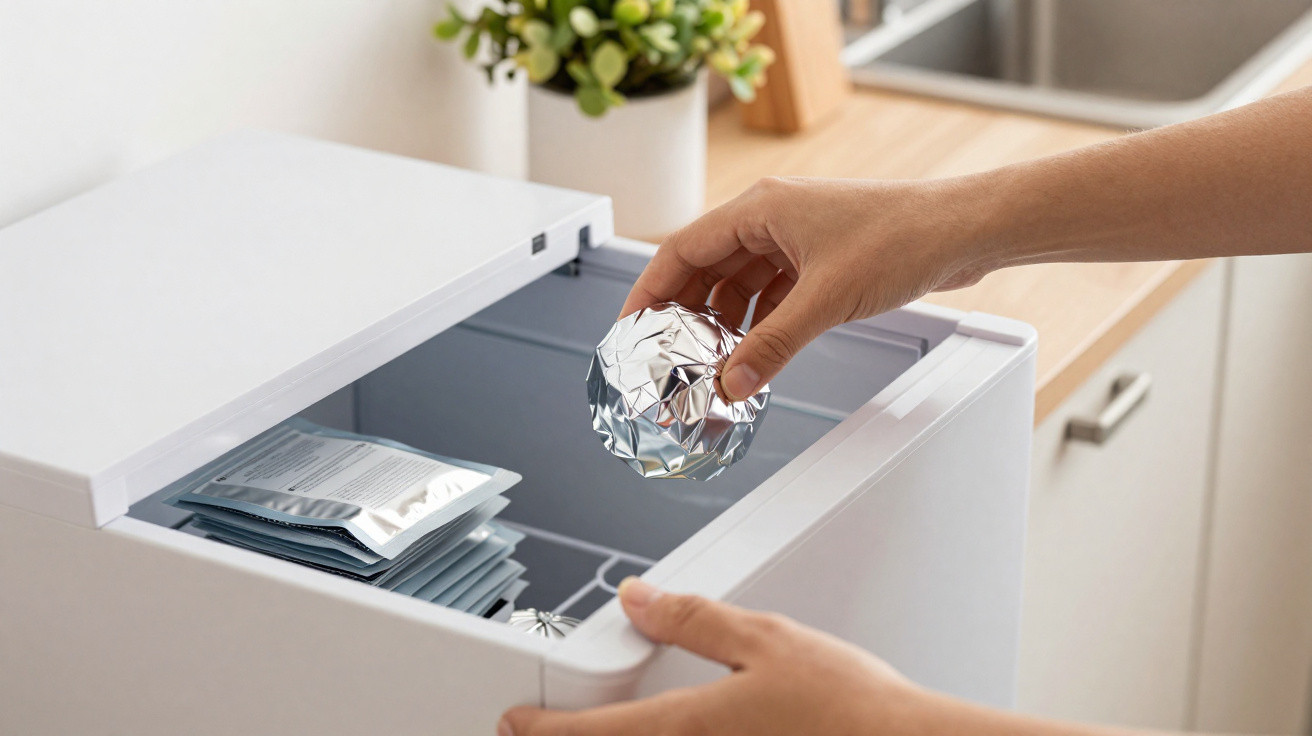
Many professionals use oxygen absorbers in foil or specialist bags to remove the remaining oxygen from the package. For most households, however, a tightly sealed container in a cool cupboard or storeroom will normally be sufficient.
“First in, first out” is a simple rule that ensures nothing gathers dust.
This first-in, first-out routine stops packets at the back of the shelf from being forgotten. Use the food as part of daily life and replenish it from time to time, rather than simply hoarding it for an emergency.
Common pantry-shopping mistakes – and how to avoid them
When people panic, the wrong items often end up in their trolleys. Brown rice is a classic example: it sounds healthy, but it spoils much sooner because its fats oxidise and make the grains rancid. It is not well suited to long-term storage.
Another mistake is leaving flour in its original paper bag in the pantry. Flour moths are quickly attracted to it, can get through the packaging and make the supply unusable. Anyone wishing to store flour for longer should transfer it into an airtight container – or choose the more stable combination of rice and oats instead.
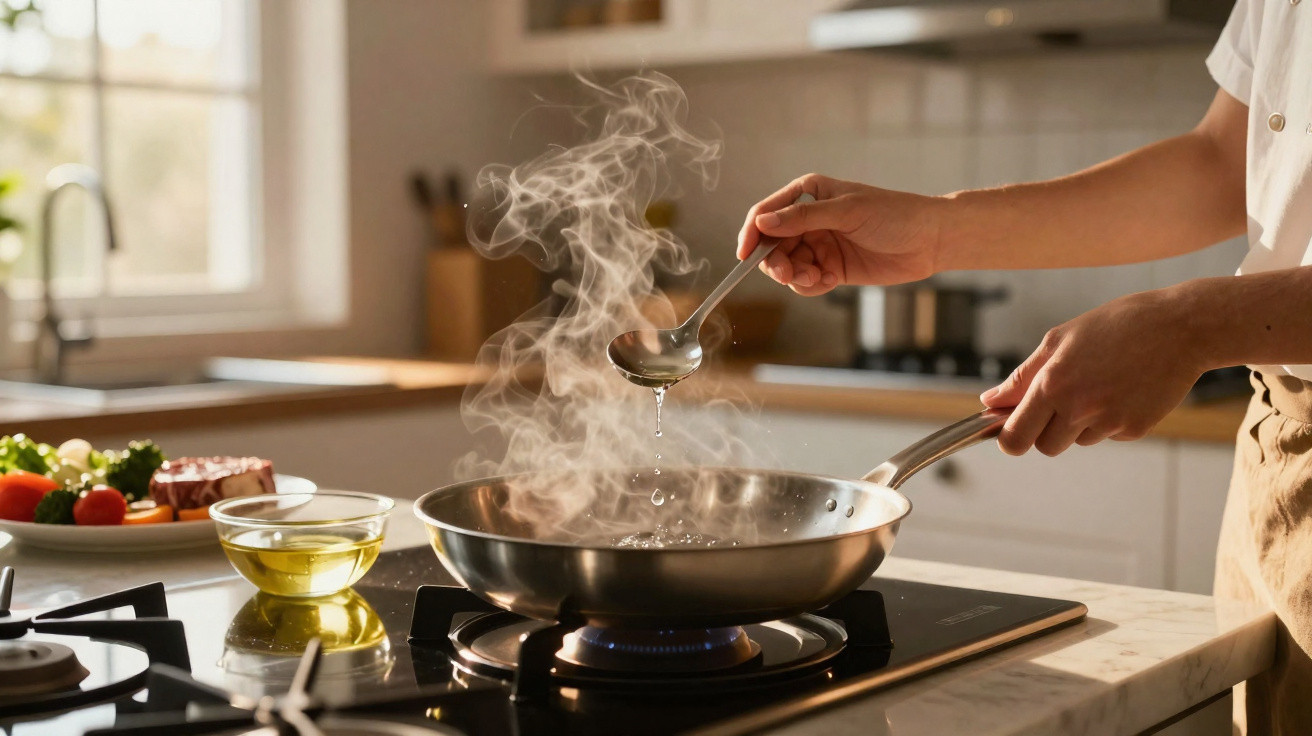
Past overemphasis on bottles of oil also caused problems: cooking oil is useful, but comparatively delicate. It does not last forever, can go off and is not a meal on its own. It makes sense as an addition, but not as the centrepiece of an emergency food store.
Nothing works without water: how much households should keep
No matter how cleverly designed, a food supply remains theoretical if there is no water at home. Official guidance recommends allowing around three litres per person per day for drinking, cooking and minimal hygiene. For a four-person household, that amounts to more than 30 litres for three days alone.
If you have the space, store jerry cans or larger bottles of water and rotate them like other supplies. Alternatively, stackable collapsible water containers can be filled from the tap when needed, while it is still running. In blocks of flats with limited storage, a smaller reserve is often enough when combined with water filters or tablets in case supply becomes unstable.
How to make a realistic emergency food supply part of everyday life
A stockpile intended solely for “Day X” often gathers dust and eventually ends up in the bin. It is more practical to include the five basic foods in your regular weekly meals. Anyone who regularly cooks rice dishes, uses pulses, eats porridge and uses honey will automatically keep their supply fresh.
A practical approach is simply to keep one unopened reserve of each of the five foods. As soon as the opened packet is finished, use the reserve and buy a replacement to store. This gradually expands your safety margin without placing a huge one-off “emergency shop” burden on your finances.
Many people find that this method even makes daily life more relaxed. Impromptu cooking evenings remain possible when the supermarket has already closed. An empty fridge feels less worrying when there is enough in the cupboard to provide varied meals for several days.
Those who want to take things further can explore topics such as nutrient density, energy requirements per person and cooking options without electricity. A small gas stove or camping stove on the balcony makes the five pantry staples even more valuable. After all, dried pulses and rice only become a proper emergency meal when you can cook them too.






Comments
No comments yet. Be the first to comment!
Leave a Comment