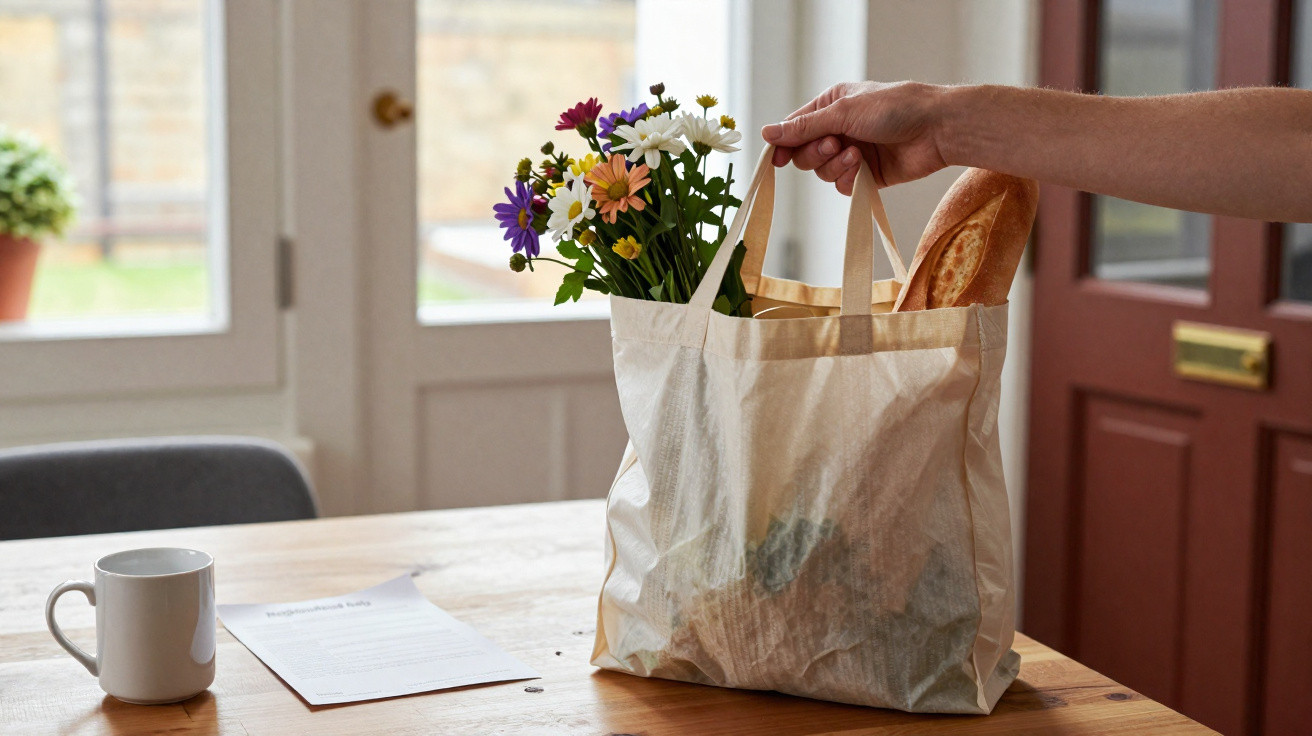
A nap can rescue a difficult afternoon. A meal out, a new purchase or a day trip may lift your spirits too. But once that feeling fades, it is easy to look for the next quick fix. The useful idea behind this saying is that a more lasting sense of contentment can come from being of use to someone else.
Versions of this quotation are often attributed to China, but its precise origin is difficult to verify. It is best treated as practical wisdom rather than a firmly documented historical proverb. Its message is still worth considering: small, realistic acts of help can bring meaning to ordinary life.
What the saying is getting at
The longer version usually contrasts pleasures that last for different lengths of time: rest for an hour, entertainment for a day, money for longer, and helping someone for a lifetime. It is not an argument against naps, hobbies or financial security. All can matter greatly.
Instead, it draws a distinction between pleasures that pass and activities that can build connection and purpose. A lie-down may ease tiredness for a while. Checking in on a friend, showing a neighbour how to complete an online form or helping a colleague settle into a new task can make a practical difference as well.
Helping does not need to be dramatic to be meaningful. A reliable, specific gesture is often more useful than a grand promise.
“For a lifetime” should not be read literally. No act of generosity guarantees permanent happiness, and helping others does not remove grief, stress, loneliness or money worries. It is an invitation to build a habit that may make life feel more connected over time.
Pleasure and a sense of purpose
Wellbeing is often discussed in two broad ways.
- Hedonic wellbeing concerns comfort, enjoyment and pleasant feelings: watching a favourite programme, having a rest, eating good food or taking a holiday.
- Eudaimonic wellbeing concerns meaning, values, belonging and feeling that your actions have a purpose.
Both matter. There is nothing shallow about taking a needed break, especially after a poor night’s sleep or a demanding week. Difficulties can arise only when quick rewards are expected to meet every emotional need.
Helping someone may contribute to the second kind of wellbeing. It shifts the question from “What can improve my day right now?” to “What can I contribute here?” That could mean making it easier for a relative to get to an appointment, sharing a useful skill or simply giving somebody time to talk without rushing them.
Why helping can feel worthwhile
Psychology research has explored links between prosocial behaviour - actions intended to benefit other people - and mood or life satisfaction. That does not mean every kind act brings an immediate lift, or that people should give beyond their means. Choice, relationships, resources and personal circumstances all matter.
Still, several everyday effects are easy to recognise:
- Connection: helping can make people feel less isolated and more involved in their community.
- Agency: completing a useful task can remind us that our actions have an effect.
- Competence: explaining a form, repairing a bicycle or passing on a recipe puts existing skills to use.
- Perspective: paying attention to another person’s needs may briefly interrupt unhelpful rumination.
- Reciprocity: practical support can make neighbourhoods and groups easier places to live, even though help should not be offered purely in expectation of something back.
Giving money is only one option. If your budget is tight, time, information or a useful introduction may be more sustainable. Generosity should never put rent, bills, food or other essentials at risk.
Start with something small and specific
Vague intentions such as “I should do more for others” can soon become another source of guilt. Choose a manageable action instead. Look for a need that is close, clear and within your capacity.
1. Notice a practical gap
Think about what might make somebody’s week easier. It could be a neighbour who struggles with online forms, a parent who needs help with the school run, or a colleague who is unfamiliar with a task.
Do not assume you know what is wanted. Ask first: “Would it be useful if I did this?”
2. Offer one defined thing
Specific offers are easier to accept than “Let me know if you need anything”. For example:
- “I’m going to the shops - shall I pick up some milk for you?”
- “I can sit with you for half an hour on Tuesday.”
- “I have completed that application before; I can show you where to start.”
- “I have a spare portion of dinner, if you would like it.”
If you are offering food, check dietary needs and allergies rather than making assumptions.
3. Keep the promise modest
Do not volunteer every Saturday for six months if you can realistically manage one hour this week. Reliability matters more than scale.
4. Make it part of your routine
A regular call to an older relative, a turn at a local litter pick or a monthly donation to a charity you have checked can be easier to maintain than occasional bursts of effort.
Useful ways to help in the UK
Opportunities often exist closer than people think. A library, school, community centre, faith group, residents’ association or local voluntary organisation may know where an extra pair of hands is needed.
You could consider:
- asking an older neighbour whether they would welcome company or help carrying shopping;
- donating clean, good-quality coats, toiletries or household items through an established local collection point;
- volunteering with a charity shop, food project, befriending scheme or community garden, after checking its requirements;
- offering digital help, such as setting up a video call or using an online council service;
- sharing professional knowledge with a student, jobseeker or community group;
- giving blood, if eligible and comfortable doing so, after checking current NHS guidance.
For financial donations, use a registered charity or a trusted local organisation where possible. Check details carefully, particularly when a fundraising request appears unexpectedly on social media.
Help without becoming overwhelmed
Generosity works best when it is freely chosen, proportionate and respectful. Being useful does not mean becoming permanently available, taking responsibility for another adult’s life or neglecting your own needs.
Set a boundary before you start. Decide how much time, money or emotional energy you can genuinely offer. It is fine to say: “I can help with this part, but I cannot take on the whole thing.” Clear limits make help more dependable.
Be especially careful with personal information. If you are helping someone online, do not ask for passwords, bank details or access to accounts. Use official websites where possible and let the person remain in control of their own information.
If somebody is in immediate danger or at risk of harm, do not try to manage the situation alone. In the UK, call 999 in an emergency. For non-emergency concerns, seek suitable professional or local support.
Sustainable kindness includes kindness towards yourself. Rest is not the opposite of helping; it is often what makes steady help possible.
Common mistakes to avoid
The saying is simple, but good intentions can go wrong when boundaries are ignored.
- Treating help as a transaction: expecting praise, gratitude or favours in return can create resentment.
- Giving what you want to give rather than what is wanted: ask first, then listen to the answer.
- Overpromising: a small commitment kept is better than an ambitious one abandoned.
- Giving money you cannot afford: time, attention and practical assistance count too.
- Ignoring privacy and dignity: do not share someone’s circumstances, photographs or story without clear permission.
- Using helping to avoid your own difficulties: supporting others can be valuable, but it is not a substitute for addressing stress, debt, bereavement or mental health concerns.
Try a quiet seven-day experiment
Treat the saying as a small experiment rather than a life overhaul. For one week, choose one modest act each day: thank someone properly, message a friend you have lost touch with, return a trolley, make tea for a busy colleague or pass on useful information.
At the end of the week, consider what felt natural and what left you drained. The aim is not to collect points for kindness. It is to find a form of contribution that suits your life and can be repeated.
A nap may still be exactly what you need today. But alongside rest and everyday pleasures, helping somebody in a concrete and sustainable way can create something that lasts beyond the hour: a stronger relationship, a more supportive neighbourhood and a clearer sense of purpose.














Comments
No comments yet. Be the first to comment!
Leave a Comment