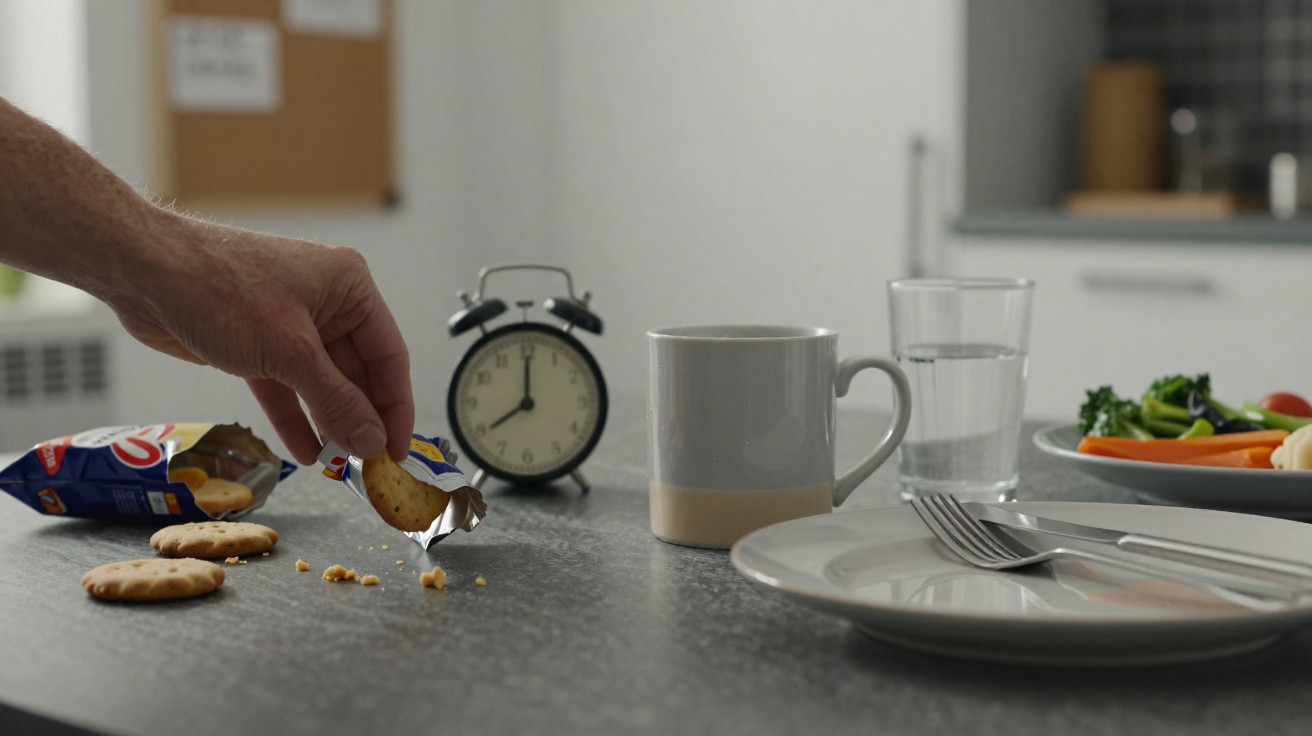
A late supper, biscuits in front of the television or a milky drink before bed can make the daily eating period much longer than it seems. Early research suggests that, for some older adults, keeping meals and snacks within a more regular daytime window - and finishing food well before bed - may be associated with slightly better results on some thinking tests.
The key word is may. The small trial described here does not show that restricted eating hours prevent dementia or stop cognitive decline. It does, however, raise a useful everyday question: alongside what we eat, could the timing of meals matter too?
What the early research found
The pilot trial involved 47 women aged 50 to 79 who were living with overweight or obesity. Participants were encouraged to reduce their daily energy intake over six months. One group was also asked to eat within a nine-hour period, often roughly from 10am to 6pm, while the comparison group ate across around 12 hours.
Both groups lost a similar amount of weight on average. The shorter-window group performed better on some tasks linked with planning and problem-solving. There were also indications of fewer errors on some memory and learning tasks, although not every measure differed between the groups.
The findings were reported at a nutrition conference in 2026, rather than in a fully published peer-reviewed paper. That means they should be viewed as preliminary and need confirmation in larger, more diverse studies.
A nine-hour eating window is not a treatment for memory problems. At most, it may be one routine to discuss as part of a wider approach to healthy ageing.
Why the timing of meals might matter
The body follows daily rhythms. Sleep, alertness, digestion and blood-sugar regulation change across the day. For some people, eating a substantial meal close to bedtime can be uncomfortable, disturb sleep or aggravate reflux.
Researchers are exploring whether a longer overnight break from food could affect metabolic health and blood-vessel function. These may be relevant to brain health, but the possible links are complex and not yet clear.
A structured schedule may also change habits in more ordinary ways. Someone with a clear finishing time may snack less automatically, plan supper more carefully or have fewer high-energy foods late in the evening.
That does not mean everyone should stop eating at 6pm. A workable routine has to fit around appetite, activity, sleep, family life, medicines and existing health conditions.
A gentle way to try earlier eating
For a generally well adult, it is usually more sensible to adjust gradually than to jump into a narrow eating window. The aim is regular, satisfying meals, not going without food until hunger becomes overwhelming.
1. Check your current pattern
For three to five ordinary days, note when you consume calories. Include meals, snacks, alcohol, juice, milky drinks and the handful of crisps while making supper.
Water, plain tea and black coffee do not usually add meaningful calories. However, coffee or strong tea late in the day may affect sleep for some people.
You may discover that your eating period begins with breakfast at 7am and ends with a snack at 9pm or later. That is simply useful information, not a reason for guilt.
2. Begin with a 12-hour window
A 12-hour pattern can be a realistic first step. For example:
- have breakfast at 8am and finish eating by 8pm; or
- eat breakfast at 7.30am and finish supper by 7.30pm.
Try that for a week or two. If it feels comfortable, bring the evening finishing time forward by 30 minutes at a time. There is no need to force a nine-hour window, especially if it leaves you tired, hungry or unable to eat enough nutritious food.
3. Avoid eating immediately before bed
In the trial, the restricted schedule meant participants generally stopped eating several hours before sleep. That may not suit every household or social routine.
A practical starting point is avoiding a large meal immediately before lying down. If you usually go to bed at 10.30pm, eating supper at around 6.30pm or 7pm may give you a comfortable gap. A later timetable can still be sensible if it helps you avoid grazing right up to bedtime.
4. Make supper properly filling
Finishing earlier is easier when the final meal contains protein, fibre, vegetables and enough energy to keep you satisfied. Options might include fish, chicken, eggs, tofu, beans or lentils with vegetables and potatoes, brown rice, wholewheat pasta or another carbohydrate you enjoy.
A small bowl of soup alone may leave you searching the biscuit tin at 9pm. The point is not to endure hunger; it is to make daytime meals do their job.
Food quality still matters
Restricting eating hours does not cancel out the value of a balanced diet. A shorter window filled mostly with sugary drinks, processed snacks and frequent takeaways is unlikely to support general health.
A heart- and brain-conscious eating pattern often includes:
- vegetables and fruit in a range of colours;
- beans, lentils, nuts and seeds where suitable;
- oats, wholegrain bread and other high-fibre carbohydrates;
- protein at regular meals, such as fish, eggs, yoghurt, poultry, pulses or tofu;
- unsaturated fats, including rapeseed or olive oil, nuts and oily fish;
- fewer foods high in salt, saturated fat and free sugars.
For older adults, adequate protein and maintaining muscle strength matter particularly. Pair any change in meal timing with movement that is safe and appropriate for you, such as walking, gardening or resistance exercise advised by a qualified professional.
Who should seek advice first
Time-restricted eating is not suitable for everyone. Speak to your GP, pharmacist, dietitian or relevant specialist before changing meal times if you:
- have diabetes, particularly if you use insulin or medicines that can cause low blood sugar;
- take medicines that need to be taken with food or at set times;
- are underweight, losing weight without trying or have a poor appetite;
- have a history of an eating disorder or find food rules distressing;
- are having cancer treatment or have a condition affecting nutritional needs;
- are frail, recovering from illness or at risk of malnutrition;
- are pregnant or breastfeeding.
Do not alter prescribed medicine doses to fit an eating schedule without professional advice. If you feel shaky, faint, confused, unwell, unusually tired or overly preoccupied with food, stop and seek advice.
Common mistakes that make it backfire
A restricted eating window can sound straightforward, but a few common pitfalls can make it unhelpful:
- Starting too aggressively. Going from frequent snacking to one or two meals can lead to headaches, overeating and inadequate nutrition.
- Skipping breakfast when it does not suit you. Some people genuinely feel and function better with an earlier first meal. There is no universal ideal clock time.
- Saving all food for the evening. The research interest is in a daytime pattern and less late eating, not fasting all day before a very large supper.
- Forgetting calorie-containing drinks. Alcohol, hot chocolate, juice and tea or coffee with sugar or milk can interrupt an intended overnight break.
- Treating hunger as a willpower test. Persistent hunger can mean meals need more protein, fibre or overall energy.
- Ignoring sleep and reflux. If a new timetable makes either worse, it may not be the right routine for you.
The most useful schedule is one that leaves room for nourishing meals, medicines, social life and decent sleep.
Keep the findings in proportion
Cognitive decline is influenced by many factors, including age, genes, cardiovascular health, sleep, hearing, physical activity, smoking, alcohol and social connection. No meal schedule can guarantee protection against dementia.
This early trial is an interesting signal, especially for older adults with overweight who are already considering changes to diet or weight management. But it was small, involved women only and lasted six months. It cannot tell us whether the same approach works for men, people at different weights or people following the pattern over many years.
If you are worried about worsening memory, repeated confusion, getting lost or difficulty managing familiar everyday tasks, do not rely on dietary changes alone. Make an appointment with your GP for an assessment.
A practical next step this week
Choose one evening this week to have a satisfying supper and finish it a little earlier than usual. Notice your hunger, energy, sleep and how manageable the change feels. If it works well, repeat it on most days and build towards a consistent overnight break.
The emerging message is not that everyone needs a strict fasting regime. Reducing late-night eating, while still having balanced meals, enough food, regular activity and appropriate health care, may be a practical addition to a healthy ageing routine.

















Comments
No comments yet. Be the first to comment!
Leave a Comment