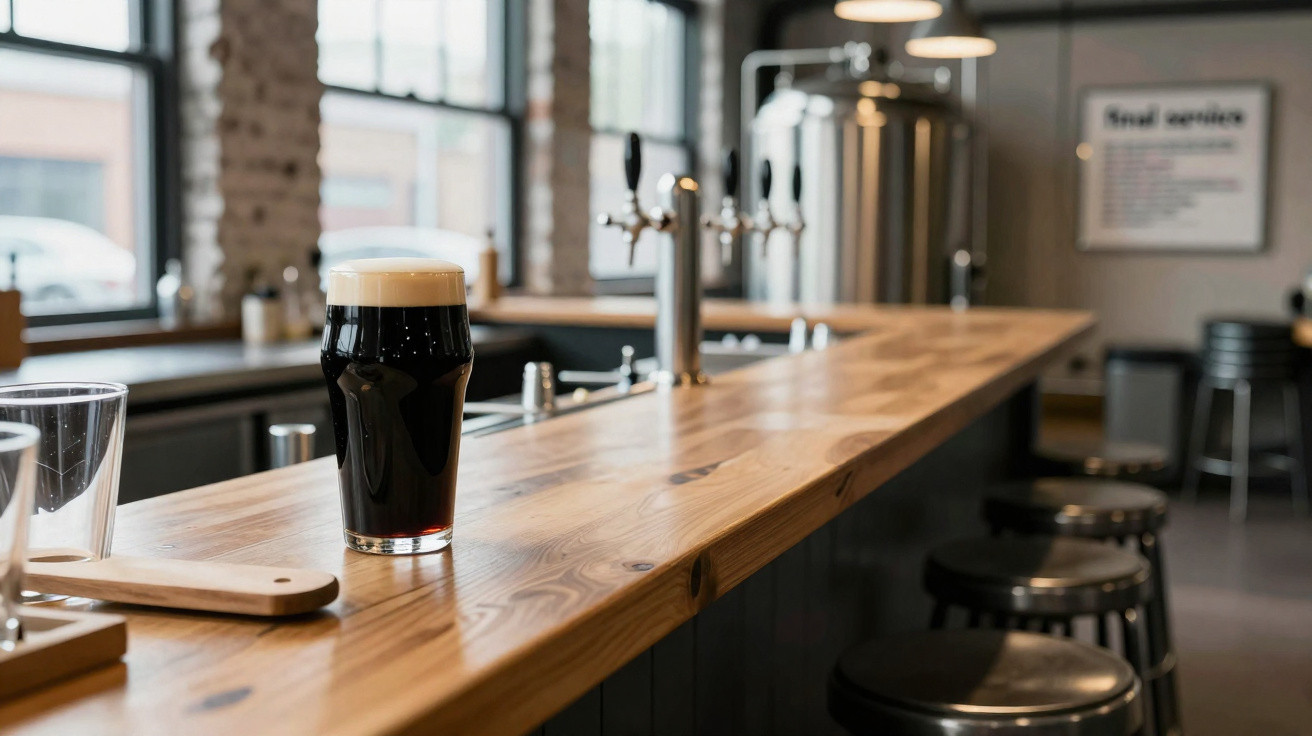
A brewery closure headline can make it sound as though a familiar beer is disappearing overnight. That is not what is happening here. The Guinness Open Gate Brewery in Maryland, near Baltimore, is set to close to the public, but Guinness itself will remain on sale in the UK and elsewhere.
The important distinction is between a brand and one particular visitor venue. The Maryland site was known for taproom pours, small-batch beers and events that were not part of the everyday Guinness experience in British pubs. Its closure is a loss for local visitors, but not a warning that the usual pint is about to vanish.
What is closing
The site affected is the Guinness Open Gate Brewery in Halethorpe, Maryland, just outside Baltimore in the United States. It opened in 2018 as a working brewery, visitor attraction and taproom, offering Guinness favourites alongside beers brewed specifically for the site.
Guinness said the venue had welcomed more than two million visitors. Its final public opening day is expected to be 1 November, subject to any updates from the operator.
A notice filed with the Maryland Department of Labor stated that 174 employees of hospitality company Aramark would be affected. Aramark operated food and hospitality services at the venue.
Diageo, Guinness’s parent company, said the decision followed a review of its operations and long-term priorities. It also said the decision was not a reflection on the work of the team or the support the site had received from the local community.
The closure concerns one experimental brewery and visitor venue, not the end of Guinness as a beer brand.
What is not changing for UK drinkers
There is no indication that the Maryland closure will affect the availability of Guinness in UK pubs, supermarkets or off-licences. The beer sold in Britain is not dependent on that visitor site.
Guinness remains closely associated with St James’s Gate in Dublin, where the Guinness Storehouse continues to operate as a major visitor attraction. Guinness 0.0 and the standard alcoholic stout are also widely stocked in the UK, although availability can vary between pubs and retailers.
For most people in Britain, the practical impact will be limited. You should still be able to order a pint, buy cans for home, or choose an alcohol-free Guinness where it is stocked.
What may disappear are the Maryland-only beers and experiences: taproom releases, local collaborations and events created for that particular venue. Those were never regular features of the UK market.
Why the Maryland site stood out
The Open Gate Brewery was more than a bar with Guinness branding. It gave the company a place to test ideas on a smaller scale, brew limited runs and offer visitors beers they would not necessarily find in a standard pub.
The site also marked Guinness’s return to brewing in the United States after a long absence. Its earlier New York brewery had closed in the 1950s, so the Maryland opening represented a notable moment for the brand.
Visitors could try different beer styles alongside the familiar stout, and the venue attracted tourists as well as local customers. That combination of hospitality, brewing and events made it different from simply buying Guinness in a bar.
It is worth remembering, though, that a successful visitor attraction and a long-term business priority are not always the same thing. Running a public brewery site involves staffing, food service, events, maintenance and marketing, as well as brewing.
Why brewery closures can be confusing
Closure stories often spread quickly online, particularly when they involve a famous name. A headline can leave readers with the wrong impression unless they check exactly what is closing.
In this case, the announcement concerns the Maryland Open Gate Brewery rather than every Guinness operation. It does not mean St James’s Gate is closing, nor does it mean that Guinness will cease to be sold in Britain.
It is also possible for a company to end a visitor project while continuing to invest in its core products. Limited-release beers and branded experiences can be exciting, but they are not necessarily essential to the wider business.
A much-loved taproom can close even when the beer served there remains widely available.
If you had planned to visit
Anyone considering a trip to Maryland should check the brewery’s official channels before making travel plans. Opening dates, ticketed events and final-service arrangements can change as a venue winds down.
Four sensible checks before travelling
Confirm the date directly. Check the venue’s official website or verified social media account rather than relying on an old map listing or blog post.
Check whether bookings are still valid. If you have tickets for a tasting, meal or event, contact the organiser for confirmation and refund information where relevant.
Review the current beer list. Small-batch beers can sell out quickly, especially near a closure date. Do not assume a beer pictured online will still be available.
Arrange a safe journey home. If you are drinking, use public transport, a taxi, a lift from a non-drinking driver or accommodation within walking distance.
For a Guinness-focused break closer to home, Dublin remains the obvious option. In the UK, many independent breweries also run tours, taprooms and seasonal beer events, though it is always worth checking dates before booking trains or accommodation.
Common mistakes when reading brewery closure news
Assuming the whole brand is shutting down. A single brewery, warehouse or visitor centre can close while the wider brand continues to trade.
Confusing a taproom with a main production site. The beer on sale at an experimental venue may be made there in small quantities, while core products are produced and distributed through separate arrangements.
Booking travel on the strength of old information. Websites, review pages and social posts can remain online after opening hours or events have changed.
Paying inflated prices for supposedly rare beer. Closure news can prompt opportunistic resale. Beer that has been stored poorly may not be worth the price, however unusual the label appears.
Treating every stout as suitable for long storage. Follow the producer’s date guidance. Many beers are best enjoyed fresh, and age does not automatically improve them.
Enjoying Guinness and other stouts responsibly
A closure can create a sense of urgency around a final visit or a limited release. There is no need to turn that into an unsafe drinking occasion.
If you are having alcohol, eat beforehand, take your time and consider alternating drinks with water or soft drinks. Do not drive, cycle or operate machinery after drinking. If you are hosting friends, offer alcohol-free choices and make it straightforward for people to get home safely.
When buying beer for home, keep it cool and out of direct sunlight. Check the packaging for storage advice and best-before information. If a can or bottle is leaking, badly swollen or damaged, do not drink it.
A distinctive venue reaches its final chapter
The Maryland Open Gate Brewery gave Guinness fans an experience that went beyond ordering a standard pint. Its closure will matter most to the staff, regular visitors and local community who used the venue.
For UK drinkers, the useful takeaway is straightforward: the Maryland taproom is closing, but Guinness is not disappearing from Britain. If a brewery, pub or visitor attraction is on your wish list, check it is still operating and make plans while you can - then enjoy whatever you choose to drink responsibly.










Comments
No comments yet. Be the first to comment!
Leave a Comment