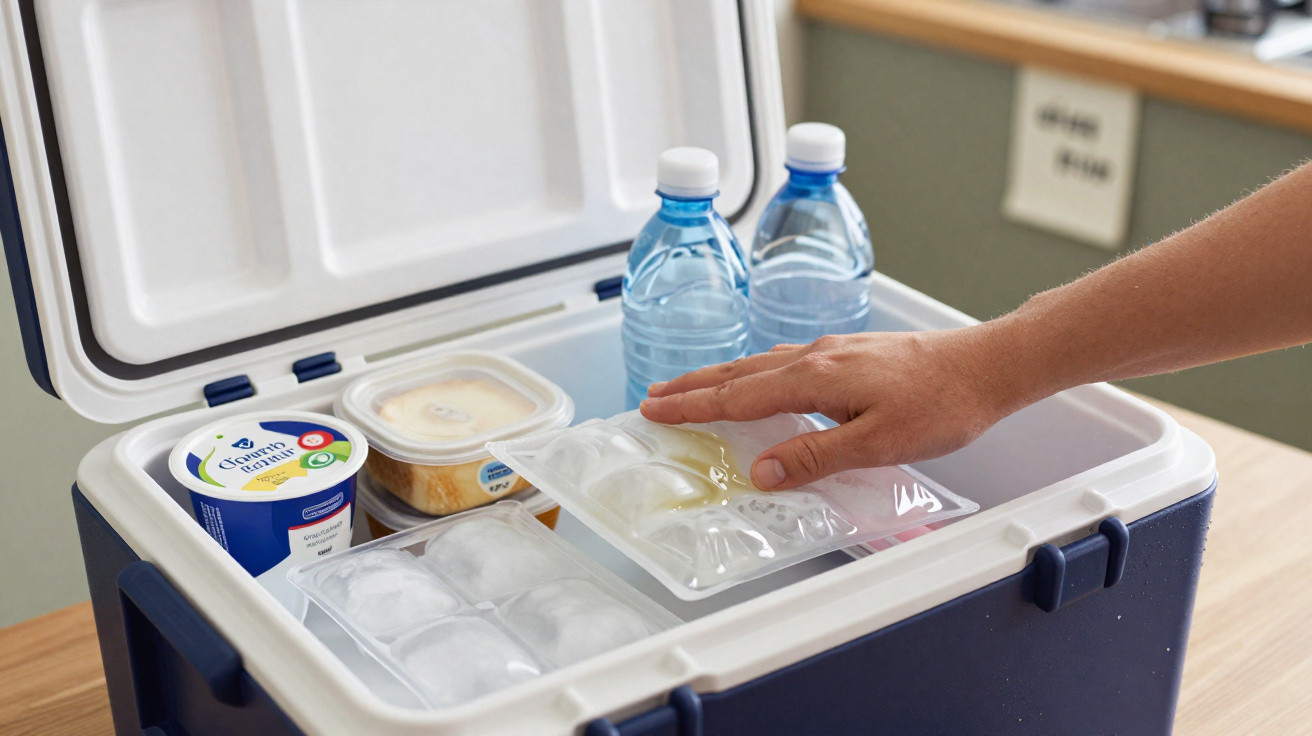
A cool box can look ready for a picnic in the morning, only for the yoghurts to be lukewarm by lunch and the cheese to feel damp and unappealing. Often, the problem is not the box: it is ice packs that went into it before they had frozen fully.
The practical fix is to freeze reusable packs well ahead of time, pack only food that is already chilled, and keep the box as full and closed as possible. A properly prepared cool box will not replace a fridge forever, but it can make a real difference on a family day out, a long car journey or a trip to the beach.
Check whether your ice packs are actually ready
A pack that feels hard around the edges is not always frozen throughout. Large or thick packs can take considerably longer to freeze in the middle than their outer surface suggests, particularly in a crowded freezer.
However, not every reusable pack is designed to become completely solid. Some gel packs remain slightly flexible even when fully chilled or frozen. Check the manufacturer's instructions before judging a pack by touch alone.
For packs intended to freeze solid, look for an even firmness throughout. If you can feel liquid moving inside, or one area is noticeably softer than the rest, give it more freezer time.
The important thing is not simply that the pack feels cold. It needs to have had enough time in the freezer to hold its temperature for the journey.
Give packs enough time in the freezer
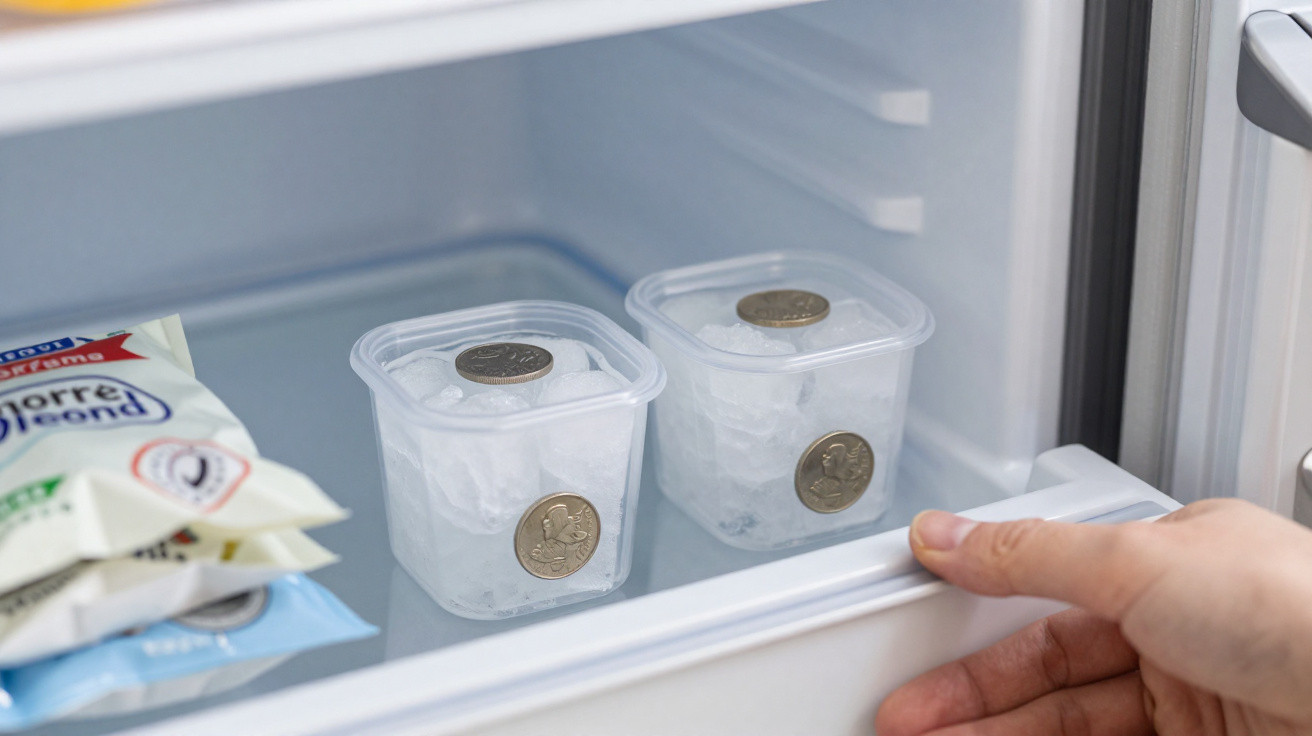
A domestic freezer should normally operate at around -18°C. Even at that temperature, thick packs, frozen bottles and several packs placed together may need more than one night to freeze properly.
As a useful routine:
Plan ahead for a day out
- Two days before leaving, freeze large blocks, thick gel packs or water bottles.
- The day before, add flatter ice packs and any smaller bottles you intend to use.
- On the morning of travel, check packs according to their instructions and leave them in the freezer until you are ready to pack.
- Keep spares frozen at home if you will be returning to the cool box later in the day.
For ordinary flat packs, 24 hours is often enough. Larger packs may need 36 to 48 hours, especially if your freezer is full or opened frequently.
Place packs flat where possible, with a little room around them. A tightly packed freezer can still freeze food safely, but bulky items may take longer to freeze all the way through.
Chill the box and its contents first
Ice packs have a limited amount of cooling capacity. If they are asked to cool a warm cool box, warm drinks and room-temperature lunch at the same time, they will lose their chill far sooner.
Bring the empty cool box indoors before packing if it has been stored in a shed, garage or conservatory. On a warm day, you can pre-chill it by placing a frozen pack inside for a few hours with the lid closed. Use freshly frozen packs for the actual trip.
More importantly, pack food straight from the fridge. This includes:
- yoghurts, milk and cheese;
- sandwiches made with chilled fillings;
- cooked meats and leftovers;
- dips, salads and prepared fruit;
- drinks and water bottles.
Do not rely on a passive cool box to cool freshly bought groceries or food that has been sitting out on the kitchen worktop.
Frozen water bottles are useful for filling gaps and can become cold drinking water as they thaw. Use sturdy plastic bottles rather than glass, and leave space at the top before freezing because water expands.
Pack cold items around the food that matters most
There is no single perfect arrangement for every cool box, but spreading cold sources around chilled food is more effective than putting one pack in a corner and hoping for the best.
Keep foods that need the most reliable chilling away from the lid and sides, where warmth enters most easily when the box is opened.
A simple cool-box layout
- Put a frozen pack or bottle at the bottom.
- Add sturdy chilled items, such as sealed drinks and lidded containers.
- Place yoghurts, cooked meat, fish, soft cheese, dips and prepared salads towards the middle.
- Put another frozen pack on top or alongside these items.
- Fill remaining spaces with chilled drinks, fruit or frozen bottles.
Yoghurts are often left just under the lid because they are easy to reach. That spot warms up whenever somebody opens the box for a drink. Put them lower down, between cold items, and take out several portions at once if possible.
A good cool box works by reducing warm air and keeping cold sources close to the food that needs them most.
Keep it full, shaded and closed
A reasonably full cool box usually holds its temperature better than one full of empty space. Each opening lets warmer air in, so a half-empty box has more air to warm up.
Useful cold fillers include:
- frozen water bottles;
- chilled juice cartons;
- reusable ice packs;
- sealed containers of chilled food;
- firm fruit that is happy in the fridge, such as grapes or apples.
Do not add warm items merely to fill a gap. Packets of crisps, bread and other cupboard foods can travel separately.
Keep the box out of direct sunshine. Even on a mild British day, a parked car can become much warmer than outside. Put the cool box in the coolest practical position, secure it so it cannot slide around, and avoid leaving it in the vehicle for long periods.
If drinks are being taken out constantly, consider using a separate small cool bag for them. That protects the main box from repeated opening.
Food safety comes before salvaging lunch
A cool box slows food warming, but it cannot keep perishable foods safe indefinitely. The Food Standards Agency advises keeping chilled food cold; as a guide, a fridge should be at 5°C or below.
For long journeys, hot weather or camping trips, a small fridge thermometer can be useful. It gives you a better basis for deciding whether food has stayed properly chilled than touching the outside of the box.
Take particular care with:
- yoghurt, milk and soft cheeses;
- cooked meat and poultry;
- fish and seafood;
- mayonnaise-based salads;
- cooked rice or pasta dishes;
- leftovers.
If food that needs refrigeration has become warm and you do not know how long it has been inadequately chilled, the cautious choice is to discard it. Smell and appearance cannot reliably show whether harmful bacteria have grown.
Never put leaking reusable packs directly against unwrapped food. Their contents are not intended to be consumed. Replace damaged packs, wipe spills promptly and wash the cool box with hot soapy water after use before allowing it to dry completely.
Common mistakes that shorten cool-box time
A few familiar habits can undo otherwise careful packing:
- Freezing packs late at night for an early start. Thick packs may still be partly thawed in the centre.
- Packing warm food. Cool cooked food promptly and refrigerate it before the trip rather than leaving it out for hours.
- Using too few cold sources. One small pack is unlikely to keep a large family cool box cold all day.
- Putting all the ice packs at the bottom. Spread them around vulnerable chilled food instead.
- Opening the lid for every drink. Keep frequently used drinks in a separate bag if you can.
- Leaving the box in sun or a hot car. Shade and a closed lid are as important as the ice packs.
- Using damaged or unknown packs. Follow the instructions supplied with reusable packs and replace any that leak.
Make the next trip easier
The simplest habit is to keep reusable ice packs in the freezer permanently, ideally stored flat. Then they are ready for an unplanned sunny afternoon or a last-minute day out.
Before leaving, start with cold food, use packs that have had enough time to freeze, fill spare space with chilled items and keep the lid shut as much as possible. It is not a complicated system, but those small steps give yoghurts, sandwiches and picnic salads a much better chance of staying properly chilled until you are ready to eat them.




Comments
No comments yet. Be the first to comment!
Leave a Comment