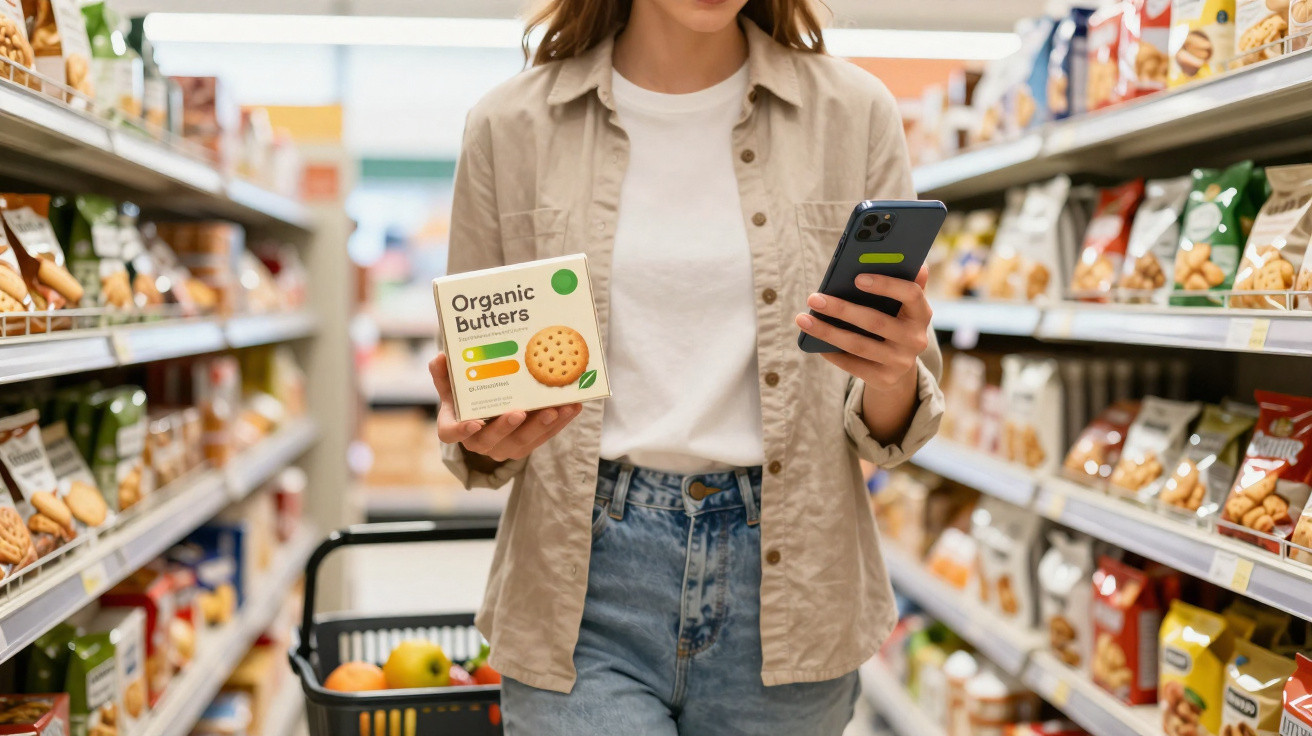
For anyone who fancies something sweet after lunch or with an afternoon coffee, biscuits are often the automatic choice. That is precisely where the issue lies: many varieties are sugar traps containing questionable ingredients. One relatively unassuming organic butter biscuit from the Chabrior own brand is a rare exception, however, achieving an impressive 100 out of 100 points on the Yuka rating app.
Why supermarket biscuits are often sugar traps
The biscuit aisle may look innocent, with colourful packs and claims such as “light”, “high in fibre” or “made with cereals”. Behind the packaging, though, there is often a combination of high sugar levels, cheap fats and numerous additives.
Common issues with industrially made biscuits include:
- high sugar content, often more than 30–35 g per 100 g
- lengthy ingredient lists containing flavourings, emulsifiers and preservatives
- the use of inexpensive vegetable oils, sometimes in hydrogenated form
- highly processed ingredients that bear little resemblance to food prepared in a home kitchen
This is where Yuka comes in: the app rates products according to their nutritional values, additives and degree of processing. Many well-known biscuit brands achieve only average scores there, hovering around 50 points.
“The key difference with Chabrior’s organic butter biscuit is that it combines a very simple recipe with moderate sugar content and a low level of processing – earning the maximum Yuka score as a result.”
The little-known standout: Chabrior organic butter biscuit
This particular product does not come from a major heritage manufacturer, but from Chabrior, Intermarché’s own brand. It is a straightforward organic butter biscuit: visually plain, priced at under two euros and surprisingly strong in terms of its contents.
What the biscuit contains
According to reports from French nutrition media, the recipe can be reduced to just a handful of basic ingredients:
- flour
- butter as the only source of fat
- sugar
- salt
- raising agents, such as baking powder
What stands out is what is absent: no palm-oil blends, artificial flavourings, emulsifiers or seemingly endless ingredient list. This puts the biscuit close to a traditional homemade recipe.
Its sugar level is also considerably lower than that of many filled or coated biscuits. Butter provides the fat, rather than refined vegetable oils. This delivers flavour without relying on heavily industrially processed fats.
Why Yuka awards 100/100 points
Several factors contribute to the top rating:
- a short, easy-to-understand ingredient list
- no palm oil or controversial additives
- organic quality ingredients
- moderate sugar and salt levels compared with similar products
- a low degree of processing, close to NOVA categories 1–2 (unprocessed or minimally processed foods)
As a result, the biscuit also meets criteria aligned with national nutrition programmes intended to support healthier supermarket choices.
How shoppers can find the biscuit on Intermarché shelves
There is one drawback: this biscuit is not among the brands promoted through major advertising campaigns. In stores, it is often placed on lower shelves, making it almost invisible to many shoppers.
Those looking for it specifically should check for the following details:
- brand: Chabrior, Intermarché’s own brand
- description: “Petit Beurre”, or a classic butter biscuit
- the word “Organic” clearly displayed on the front
- sold in the dry biscuit section, rather than alongside waffles or filled varieties
A quick look at the back of the pack can confirm that it is the right product: the ingredient list should remain short, butter should be clearly identified as the fat source, and there should not be a succession of unfamiliar-sounding additives.
How to recognise a “sensible” biscuit more generally
Even people without an Intermarché nearby can take useful shopping lessons from this example. A few rules of thumb can make it easier to choose better options in the biscuit aisle.
Checklist for a more considered biscuit choice
| Criterion | What to look for |
|---|---|
| Ingredient list | A small number of familiar ingredients, such as flour, butter, sugar and eggs |
| Fat source | Ideally butter or a high-quality vegetable oil, rather than a blend of cheap fats |
| Sugar content | Preferably well below 30 g of sugar per 100 g |
| Additives | As few as possible, with no long sequence of E numbers |
| Marketing claims | Treat “light”, “no added sugar” and “protein biscuit” claims critically, and check for substitutes |
Many “light” or reduced-sugar biscuits rely on sweeteners, sugar substitutes and flavourings to maintain their taste and texture. This can make the ingredient list more complicated and may not be well tolerated by everyone.
How inconspicuous snacks increase sugar consumption
Data from the French food authority indicates that many people actually consume more than 100 g of sugar a day. The World Health Organization recommends no more than 50 g, with an intake closer to 25 g per day being preferable.
Biscuits and sweet snacks make a significant contribution, often without people noticing. One with an espresso, two or three during the afternoon, then another in front of the television in the evening: this can quickly add an extra 200 to 300 kcal, frequently from sugar and fat alone.
“Even a high-quality butter biscuit with an excellent rating remains a sweet treat. Better ingredients improve its profile, but they do not replace a balanced diet.”
Anyone wishing to manage their sugar intake more consciously can therefore benefit from two approaches:
- choosing better products with shorter ingredient lists
- setting clear limits on frequency and portion sizes
For instance, having two butter biscuits with afternoon tea while leaving out other sugary drinks or sweets may be more realistic for many people than attempting to give them up altogether.
What Yuka, PNNS and NOVA actually mean
The biscuit in question does not only perform well on Yuka; it also fits within nutritional classification systems. Three terms regularly appear in this context:
- Yuka: an app that assesses food according to nutritional values, additives and organic content, then assigns a score.
- PNNS: a national nutrition programme in France that sets recommendations for healthier food choices.
- NOVA classification: a system that categorises foods by their degree of processing, from minimally processed foods (level 1) to highly processed products (level 4).
Chabrior’s organic butter biscuit comes close to levels 1–2 because it involves only a few processing stages and uses simple ingredients. This clearly distinguishes it from highly processed snacks with fillings, coatings and flavourings.
How to include the biscuit sensibly in everyday life
Everyday eating calls for practical solutions. Anyone who does not want to bake every biscuit themselves can take a pragmatic middle path with products such as this organic butter biscuit: industrially produced, but with a manageable ingredient list and transparent values.
Useful ways to eat it may include:
- one or two biscuits with coffee instead of a large slice of cream cake
- keeping a small portion in a storage container rather than leaving the whole packet beside a laptop
- pairing it with a handful of nuts or fruit to make the snack more filling
Regularly choosing products with such simple compositions can significantly reduce the amount of additives in a daily diet. Combined with greater awareness of personal sugar intake, this can noticeably improve everyday eating habits without giving up enjoyment entirely.

















Comments
No comments yet. Be the first to comment!
Leave a Comment