A freezer can look completely normal after you have been away, even if there was a brief power cut or the door was left slightly open. Food may have begun to thaw and then frozen again before you got home, leaving little obvious evidence.
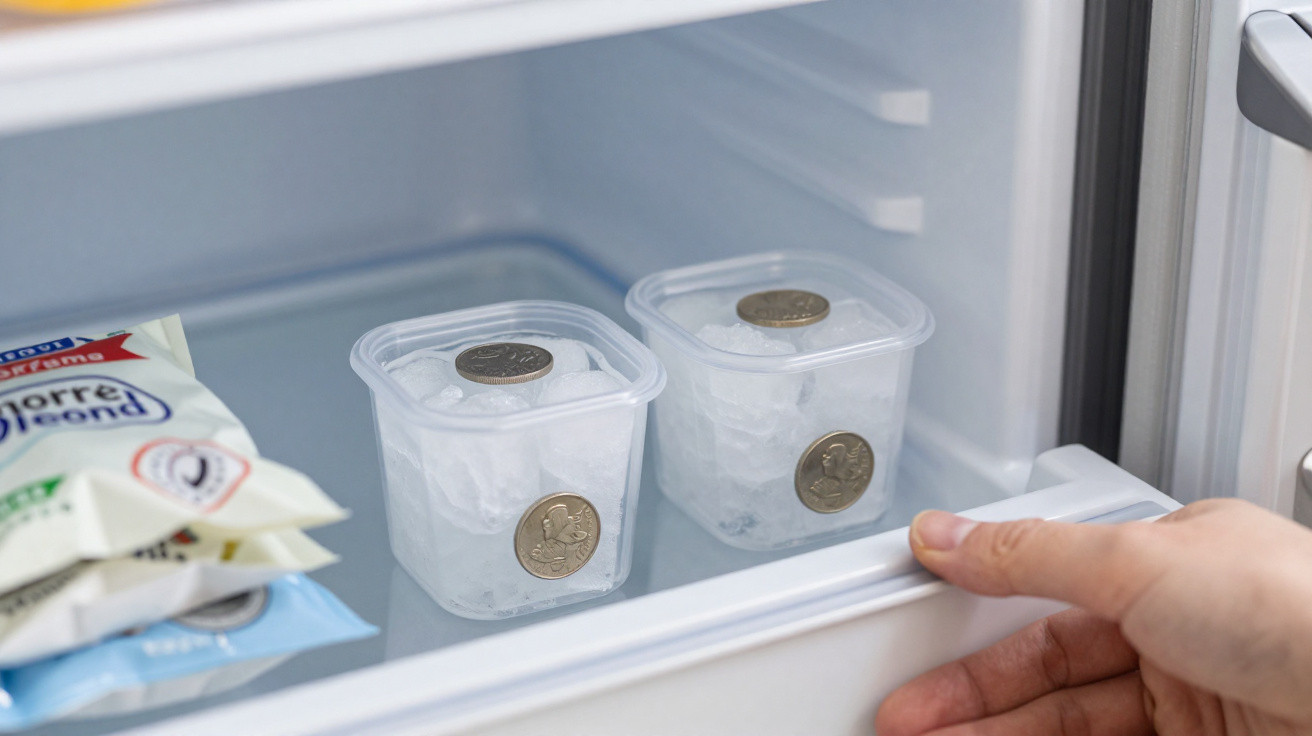
The coin-in-the-freezer trick gives you one useful clue. Before a trip, freeze water in a small container and place a coin on top. If the ice melts and refreezes while you are away, the coin may end up embedded in the ice or at the bottom of the container.
It is not a food-safety guarantee, and it cannot tell you how warm the freezer became or how long it was affected. It is simply a low-cost way to spot a possible interruption worth checking after a holiday, storm or local electrical work.
Why a coin can reveal melting
The idea relies on what happens when ice turns back into water. Freeze a shallow container of water until solid, then put a coin on its surface.
If the freezer warms enough for the ice to melt, the coin can drop into the water. If the freezer starts cooling again, the water freezes around it. A coin sitting below the surface can therefore suggest that melting occurred at some point.
The coin is an indicator of melting in one small container, not a precise record of freezer temperature or food safety.
A coin that remains on the surface is reassuring, but it does not prove that every item stayed safely frozen. Different shelves and drawers can warm at different rates, and a small amount of melting may not be enough to move the coin.
Set up the coin test before you leave
Use a small freezer-safe plastic tub or a sturdy container designed for freezing. Avoid thin glass, which can crack as water expands.
1. Freeze a shallow layer of water
- Fill the container roughly halfway with water.
- Put it on a level shelf or in a drawer of the freezer.
- Leave it until the water has frozen completely solid.
A wider, shallow container makes the result easier to see. Do not fill it to the top, as freezing water expands.
2. Put a coin on top
Use an ordinary coin and place it flat on the frozen surface. The coin should stay inside the container and away from unpackaged food.
There is no need to use anything valuable. The important part is that it is visible and is not likely to be knocked into the ice by someone moving food around.
3. Leave it where it will not be disturbed
Keep the container in a place where you will notice it when you return, but where it is unlikely to be moved. If somebody will use the freezer while you are away, explain what it is for.
Otherwise, they may empty the container, move the coin or mistake it for an unwanted cup of ice.
How to read the result
Check the container before moving it when you get home.
- Coin still on the surface: there is no obvious sign that the ice melted enough for the coin to sink.
- Coin embedded in the ice: melting may have occurred before the water froze again.
- Coin near the bottom: the ice may have melted substantially, but this does not show how long the freezer was warm.
- Ice fully melted: the freezer is not currently maintaining freezing conditions, or the container has been removed, tipped or disturbed.
If the coin has moved, take a photograph before handling the container. It will not establish the cause of the problem, but it can help you keep a clear record if you need to speak to a landlord, appliance repairer or electricity supplier.
What the test cannot tell you
This trick is most useful for a temporary loss of cooling that happens while nobody is at home. If the freezer has failed entirely and is warm when you return, the problem will be clear without a coin.
The method also has important limits:
- It does not measure the highest temperature reached.
- It does not show how long food was above its normal frozen temperature.
- It cannot tell you whether the cause was a power cut, a faulty appliance or a door left ajar.
- It may not register a short warming period that did not melt enough ice to shift the coin.
- It can give a misleading result if the container was tipped, moved or placed unevenly.
Freezers also have normal temperature fluctuations during operation. The coin test is intended to flag melting in the container, rather than routine changes in the appliance’s cooling cycle.
If the coin has sunk, check your food carefully
A sunken coin is a reason to inspect the freezer contents, not an instruction to throw everything away immediately. Keep the freezer door closed while you decide what to do, as this helps retain cold air.
Look for signs that food may have thawed and refrozen, including:
- soft or misshapen packs;
- leaks, refrozen drips or liquid stains;
- items frozen together that would normally be separate;
- unusually large ice crystals inside packaging;
- food that feels soft rather than firmly frozen.
Do not taste food to decide whether it is safe. Smell and appearance cannot reliably identify all food-safety risks.
If there has been a known lengthy outage, or food has fully thawed, take particular care with meat, fish, ready meals and other foods that need to be kept chilled. Follow the instructions on the packaging and current food-safety guidance. If you are unsure whether an item has remained safe, the cautious option is to discard it.
A dropped coin is a prompt to investigate the freezer contents, not proof that every item must be binned.
Safety and hygiene points
Coins pass through many hands, so keep the coin inside its own container and away from food you intend to eat. Washing it does not make it suitable for direct contact with food.
If you discover a freezer fault:
- mop up water promptly to reduce slip risks;
- do not touch plugs, sockets or electrical parts if you are standing in water or if cables appear damaged;
- never use a knife, screwdriver or other sharp object to remove ice from freezer walls;
- check whether the door seal is clean, intact and closing fully;
- contact a qualified appliance repairer if the freezer is not cooling reliably.
Only unplug the appliance if it is safe to do so and you can reach the plug without contact with water or damaged equipment. If there is visible electrical damage, seek appropriate professional help.
Do not use the coin method as a safeguard for medication, laboratory materials or other temperature-sensitive items. Those need suitable monitoring equipment and advice from the relevant provider.
Common mistakes with the coin trick
Small setup errors can make the result difficult to interpret.
- Overfilling the container: expanding ice can split it or force the coin out of place.
- Putting the coin on slushy ice: it may sink immediately, before you leave.
- Using a tall, narrow glass: it is harder to inspect and may crack in the freezer.
- Treating the result as proof that food is safe: the container represents only its own conditions.
- Leaving it where it is likely to be moved: handling can shift the coin without any thawing.
- Ignoring the freezer afterwards: the coin cannot confirm that the appliance is now working correctly.
More reliable ways to monitor a freezer
For the occasional weekend away, the coin test is a handy extra check. If power cuts are frequent in your area, or you keep a large amount of food frozen, a freezer thermometer with minimum and maximum temperature readings will give more useful information.
A temperature alarm or data logger can record changes over time and may alert you to a problem sooner. Phone alerts can be useful, but remember that they may depend on the home power supply, broadband connection and mobile signal continuing to work.
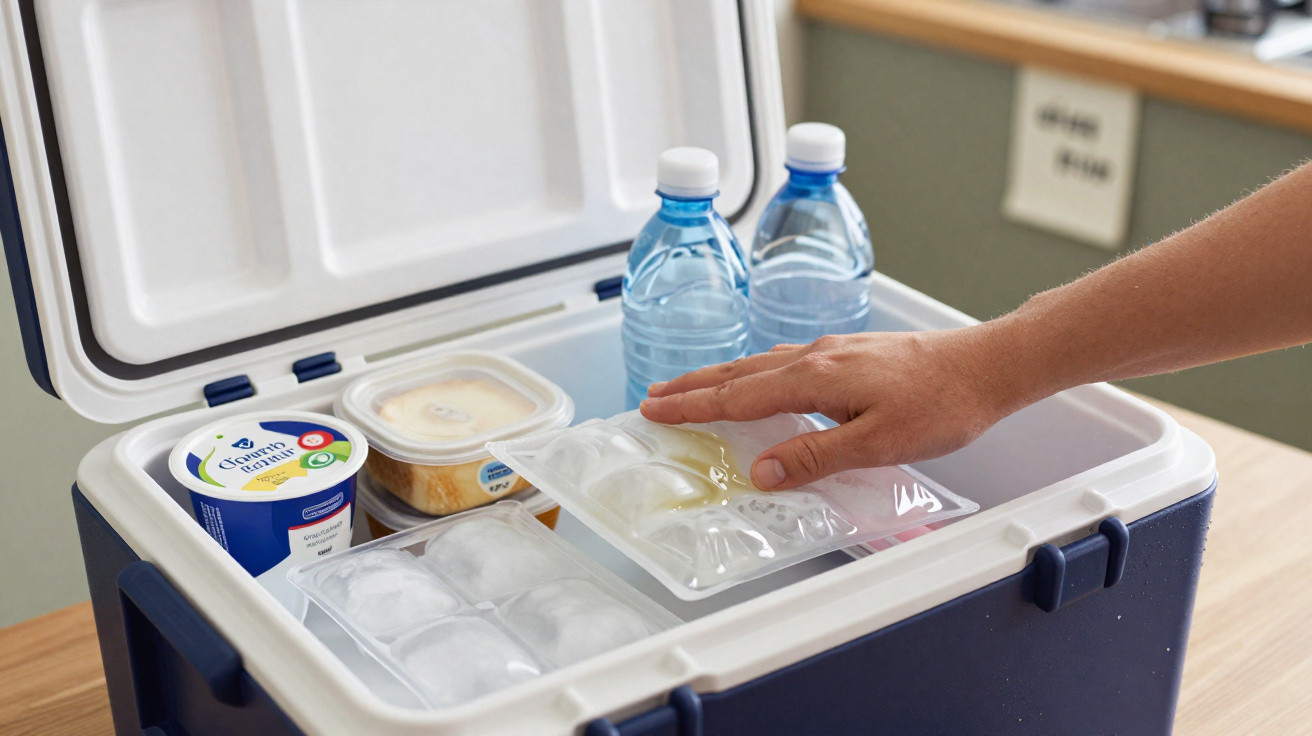
Before a longer break, make sure the door shuts properly and avoid blocking internal vents with tightly packed food. Freezing ice packs or bottles of water can help a full freezer stay cold for longer during a short outage, provided there is room for air to circulate.
The best use of the coin trick is modest: set it up in a couple of minutes, check it when you return, and investigate further if it has dropped. It will not replace appliance maintenance or sensible food-safety decisions, but it may stop a hidden thaw-and-refreeze episode going unnoticed.







Comments
No comments yet. Be the first to comment!
Leave a Comment