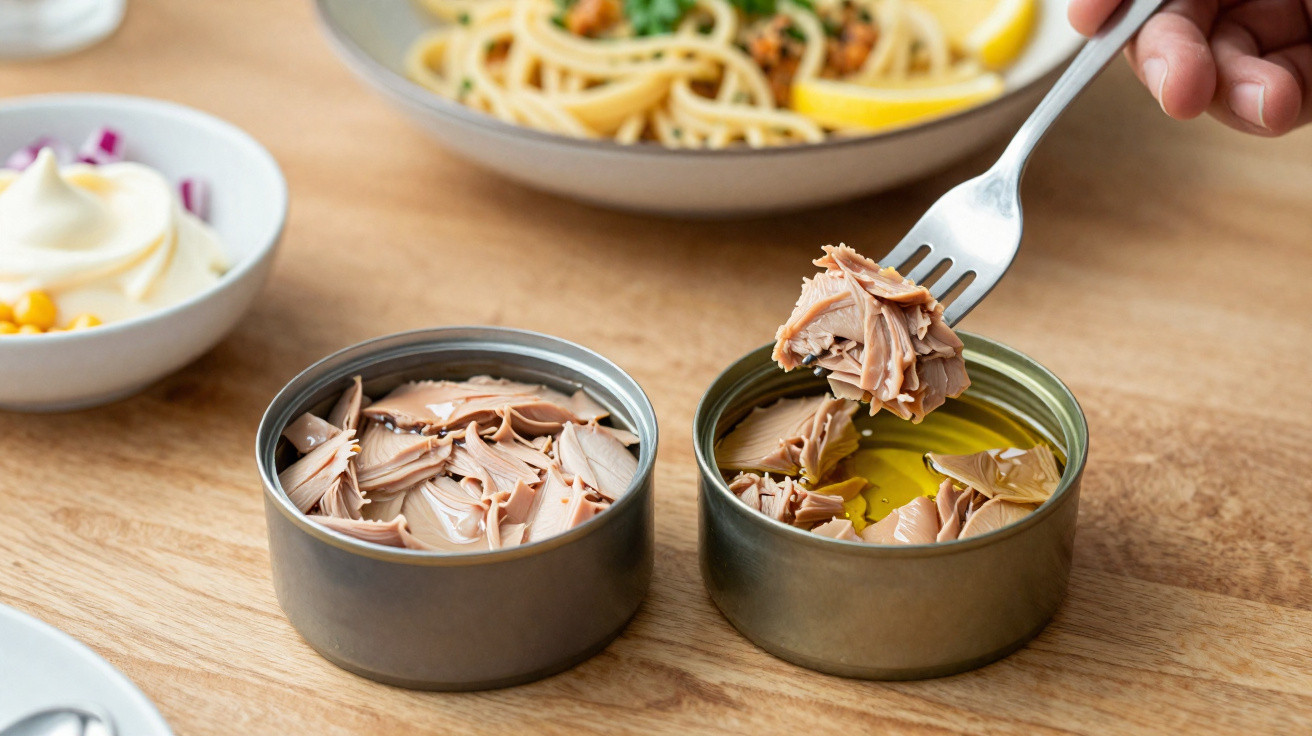
A tin of tuna seems like an easy item to pick up, until you reach the shelf and have to choose between spring water, brine and oil. The liquid matters: it changes the flavour, texture and how the tuna will behave in the meal you are making.
The simplest rule is this: choose tuna in spring water when you are adding mayonnaise, a creamy sauce or other rich ingredients yourself. Choose tuna in oil when you want the fish to add flavour and richness to a simple dish. Neither is always the better choice; it depends on dinner.
The main difference is flavour and texture
Tuna in spring water has a clean, fairly neutral taste. Once drained, it can be firmer and may seem a little dry if it is served without a dressing or sauce. That is not necessarily a drawback: it gives you more control over the seasoning and richness of the finished dish.
Tuna in oil is generally softer and richer in flavour. A little of the oil can coat pasta, beans or potatoes, helping the tuna distribute through the dish rather than sitting in dry clumps.
Think of tuna in spring water as a flexible base ingredient, and tuna in oil as an ingredient that brings some of its own dressing.
Brine is another common option in UK supermarkets. It is similarly lean to spring-water tuna, but it can be noticeably saltier. Check the nutrition label and taste before adding extra salt to the recipe.
When tuna in spring water is the better choice
Choose spring-water tuna when the recipe already contains fat, moisture or a strong dressing. Adding oil-packed tuna to mayonnaise, cheese or a creamy sauce can sometimes make a filling feel heavier than you intended.
It is particularly useful for:
- tuna mayonnaise sandwiches and jacket potato fillings;
- wraps with salad and yoghurt dressing;
- tuna sweetcorn pasta bake;
- fishcakes and tuna burgers;
- stuffed peppers, tomatoes or baked potatoes;
- dips made with soft cheese, Greek yoghurt or mayonnaise;
- pies, savoury pastries and casseroles.
Its mild flavour also takes seasoning well. Lemon juice, black pepper, red onion, Dijon mustard, capers, parsley and chilli flakes all work well with it.
A simple way to stop water-packed tuna tasting dry
- Drain the tuna, but do not squeeze or press it until it is completely dry.
- Flake it lightly with a fork instead of mashing it into a paste.
- Add moisture deliberately, such as mayonnaise, yoghurt, lemon juice, dressing or a little olive oil.
- Taste before seasoning, especially if the dish includes capers, cheese, stock or other salty ingredients.
This lets you decide how rich the meal should be, rather than relying on the packing liquid.
When tuna in oil earns its place
Oil-packed tuna works best in simple meals where the fish is meant to be noticed. It is a handy choice when there are only a few ingredients and you do not plan to make a separate creamy dressing.
Try it in:
- spaghetti with garlic, lemon, parsley and chilli;
- tuna, tomato and olive salad;
- a Niçoise-style salad with potatoes, green beans and eggs;
- toast topped with tuna, white beans and rocket;
- a lunch bowl with chickpeas, roasted peppers and herbs;
- warm new potatoes with tuna, red onion and capers;
- a quick tomato pasta sauce.
You can use some of the oil from the tin if it smells and tastes fresh. Stir a small amount through hot pasta, add it to beans or use it on toast. There is no need to use all of it, though: drain the tuna more thoroughly if the rest of the dish is already oily or rich.
Does the type of oil matter?
Yes, although the difference varies between products. Tuna packed in olive oil often has a fuller, more distinctive flavour. Sunflower oil is usually milder, so the tuna remains more prominent.
Olive-oil-packed tuna can be useful for pasta or a Mediterranean-style salad. For a tuna melt, sandwich filling or bake with mayonnaise, cheese and sweetcorn, spring-water tuna or a mild oil-packed variety may be easier to balance.
Read the ingredients list rather than relying on the front of the tin. It should tell you whether the tuna is packed in olive oil, sunflower oil, brine or spring water, along with its salt content and any added flavourings.
How to choose a tin in the supermarket
The packing liquid is only one part of the choice. Tinned tuna also differs in piece size, firmness, saltiness and the amount of fish in each tin.
Look for:
- The cut: larger chunks or steaks look good in salads and on toast, while flakes are useful in fillings, fishcakes and sauces.
- Salt content: brine can be useful in a mild dish, but may be harder to balance with olives, capers, feta or Parmesan.
- Ingredients: choose a packing liquid and flavouring that suit the recipe rather than assuming one is superior.
- Sourcing information: clear information about fishing method or certification may matter to you when comparing options.
- Tin condition: avoid tins that are swollen, leaking, badly rusted or deeply dented around the seams.
- Portion size: smaller tins can be practical if you cook for one and are less likely to use leftovers.
A more expensive tin is not automatically the right one for every dish. A straightforward spring-water tuna can be ideal in a strongly flavoured pasta bake, while an oil-packed tin may make more difference in a quick lunch of tuna on toast.
Match the tuna to the meal
If you are unsure which tin to open, this quick guide should help.
Choose tuna in spring water for
- Sandwich fillings with mayonnaise or yoghurt.
- Fishcakes, pasta bakes and pastry fillings.
- Recipes with cheese, creamy sauces or plenty of dressing.
- Meals where you want to season the fish from scratch.
- Dishes with lots of vegetables, grains or strong flavours.
Choose tuna in oil for
- Pasta tossed with garlic, herbs, lemon or tomatoes.
- Toast and open sandwiches where tuna is the main topping.
- Bean, chickpea or potato salads needing extra richness.
- Simple salads with olives, capers and fresh herbs.
- Fast meals with few ingredients and no separate dressing.
If the recipe already has a sauce, spring-water tuna gives you more control. If the recipe needs richness, oil-packed tuna can supply some of it.
Common mistakes when using tinned tuna
Treating every type of tuna in the same way is a common error. Draining oil-packed tuna thoroughly and putting it straight on dry toast can leave it tasting flat. On the other hand, using all the oil from the tin in a filling that also contains plenty of mayonnaise and cheese can make it greasy.
Overmixing is another problem. Tuna breaks apart quickly, so fold it gently into pasta, beans or mayonnaise if you want recognisable flakes rather than a soft paste.
It is also easy to over-salt the finished dish. This is especially likely with tuna in brine, or when you are also using anchovies, olives, capers, feta or Parmesan. Taste first, then season.
Finally, do not decide solely on whether a tin says “in oil” or “in water”. The best choice is the one that suits the recipe, tastes balanced and has a texture you enjoy.
Storage, food safety and sensible portions
Store unopened tins in a cool, dry cupboard and use them by the best-before date. Do not use a tin that is bulging, leaking, severely damaged or spurts liquid when opened. If the contents smell unusual or look wrong, discard them.
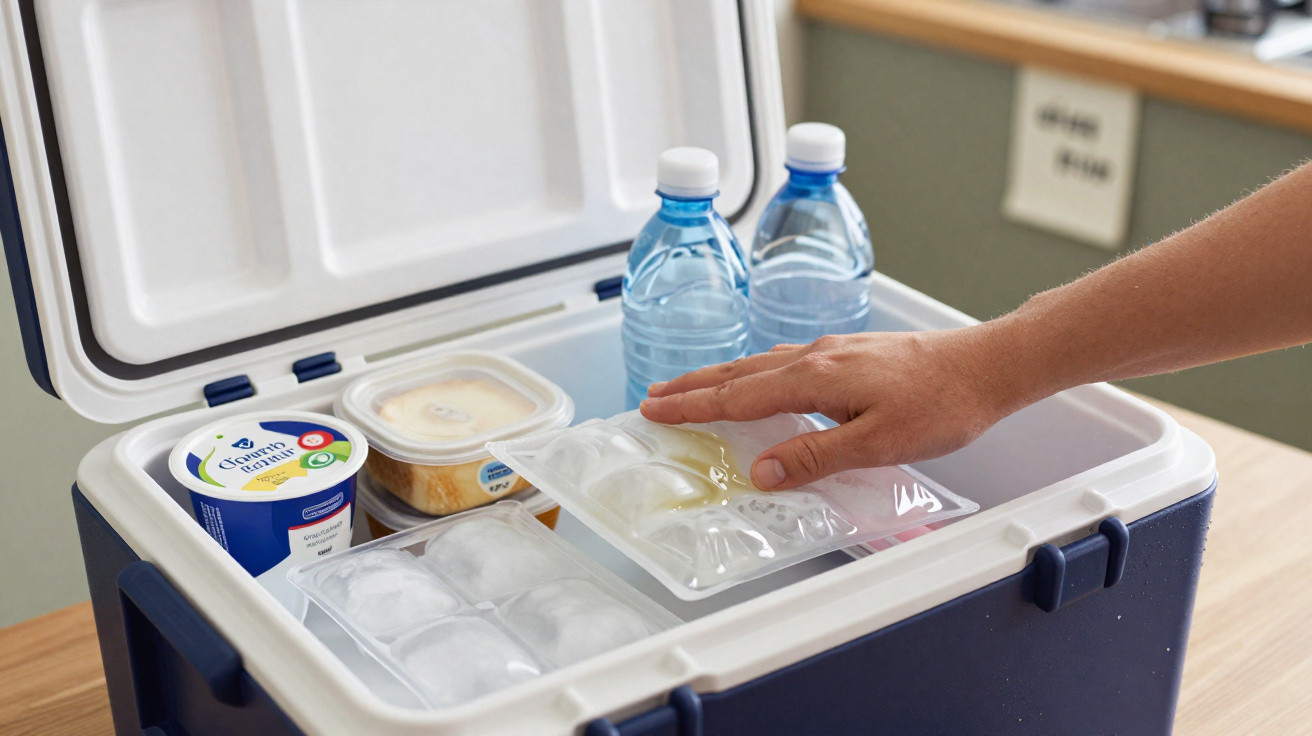
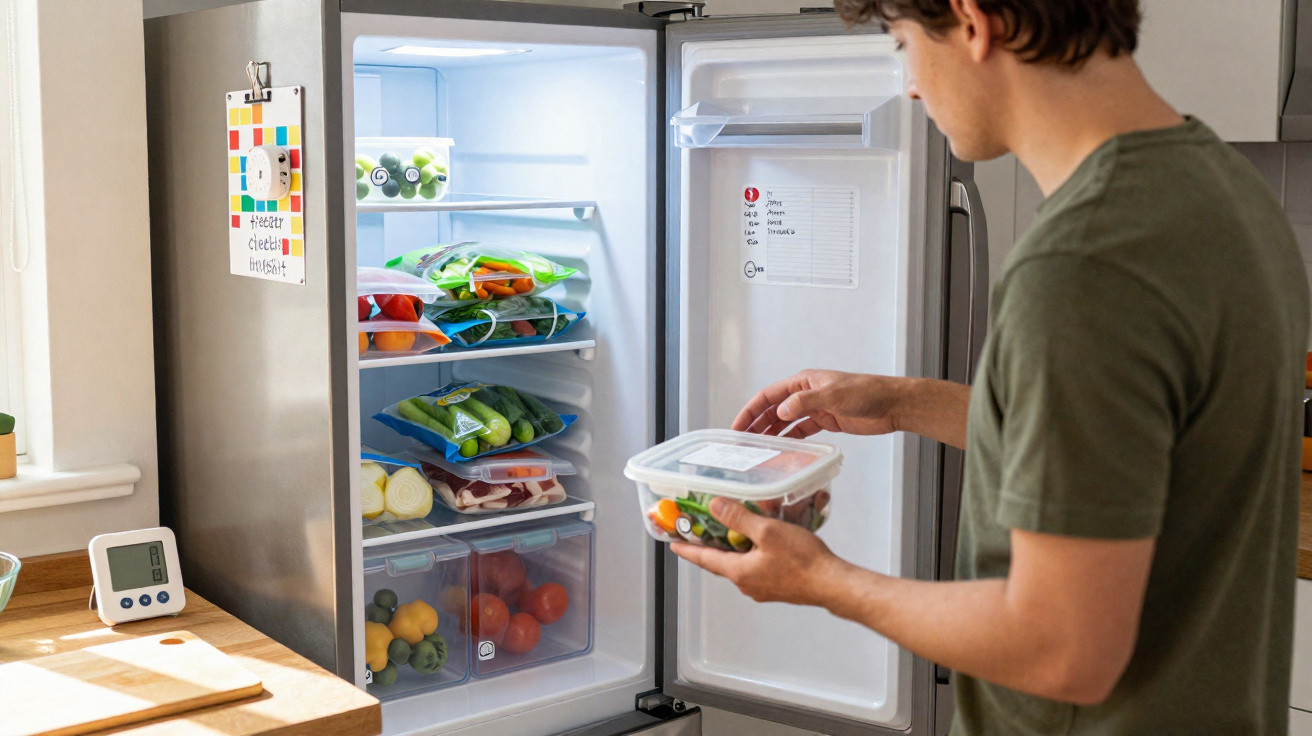
Once opened, transfer leftover tuna from the tin to a clean covered container, refrigerate it promptly and follow the pack instructions. As a cautious rule, use chilled leftovers within two days. Do not leave tuna sandwiches, pasta salads or mayonnaise-based fillings at room temperature for long, particularly in warm weather or in a packed lunch without an ice pack.
Tuna is a useful cupboard ingredient, but it is worth varying the fish you eat. UK guidance advises limiting tuna because it can contain more mercury than many other fish. If you are pregnant, breastfeeding, trying for a baby or buying for children, check the current NHS advice on tuna portions.
Keep a few tins of each type if you have space: spring-water tuna for creamy fillings, bakes and adaptable weekday meals, and tuna in oil for quick pasta, salads and toast. That way, the choice is based on what you are cooking rather than what happens to be in the cupboard.







Comments
No comments yet. Be the first to comment!
Leave a Comment