Packets and freezer foods solve a real weekday problem: they are quick, predictable and usually require little washing-up. But if you would like to rely a little less on ultra-processed foods, it can be hard to know which homemade alternatives are genuinely practical rather than expensive kitchen projects.
The most useful trick is to be selective. Homemade oat bars and potato crisps can be straightforward cupboard-food swaps, while almond drink and mint chocolate slices are better treated as occasional treats. Making food at home does not automatically make it healthier or cheaper, but it can give you more control over the ingredients and portions.
What “without additives” can realistically mean
Ultra-processed food is a broad category rather than a judgement on one ingredient or one meal. Foods are often described as ultra-processed when they are made using ingredients and processes not usually found in domestic kitchens, such as flavourings, colours, emulsifiers, modified starches or protein isolates.
That does not mean every additive is harmful, nor that all packaged food is a poor choice. Tinned beans, frozen vegetables, bread, sauces and ready meals can all be useful when time, money, energy or cooking facilities are limited.
For these five ideas, the aim is simply to use familiar ingredients and avoid depending on flavourings, colours and emulsifiers where possible. It is still worth checking labels: breadcrumbs, chocolate, peppermint extract and dried fruit can all vary considerably between products.
The most sustainable swap is the one you will make again, not the one that turns a simple snack into an all-day project.
Cost food fairly before deciding
Homemade food can appear costly when you charge an entire bag of flour, bottle of oil or jar of spices to one batch. For a useful comparison, calculate the amount actually used.
- If a bottle of oil costs £4 and contains roughly 20 tablespoons, two tablespoons cost about 40p.
- Include ingredients such as baking paper, chocolate, breadcrumbs and seasonings.
- Consider electricity if you are comparing a long oven bake with a packet snack.
- Compare similar weights or numbers of portions, rather than a large homemade batch with one small packet.
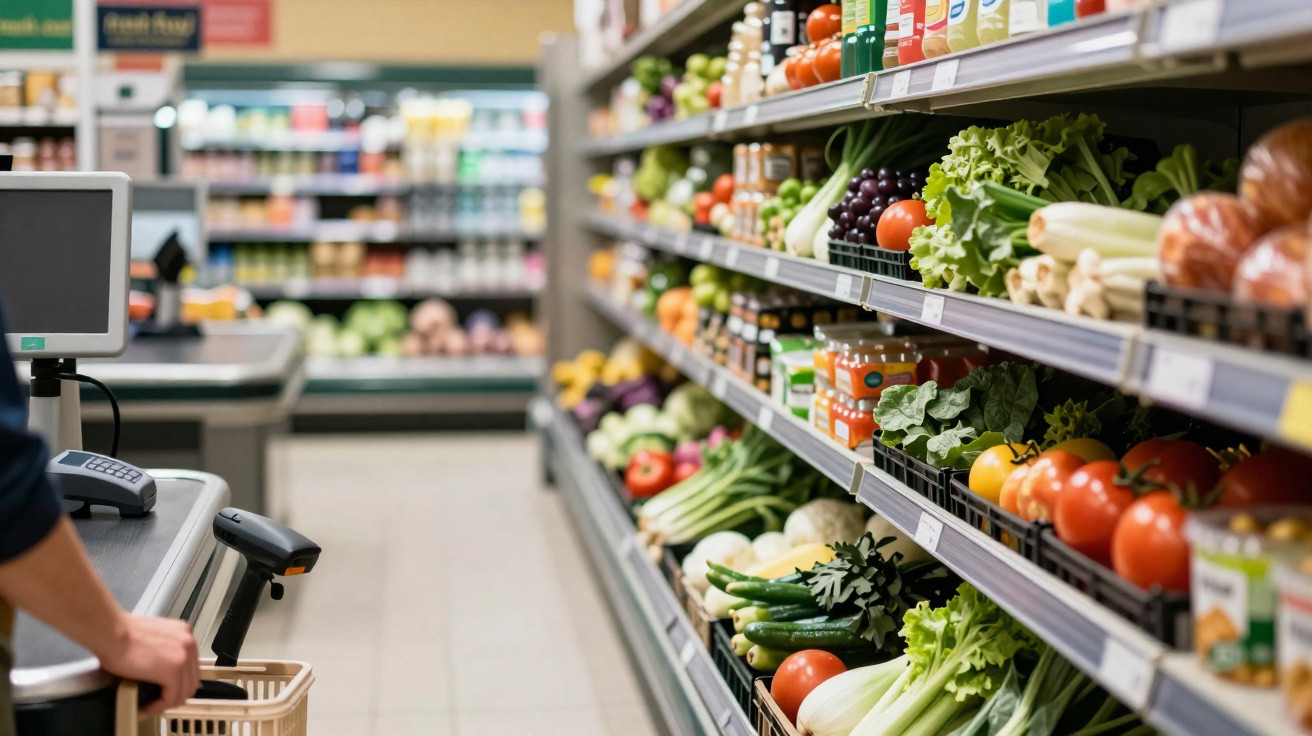
Prices differ widely between Aldi, Lidl, the larger supermarkets, local shops and online retailers. The more important question is whether you will use the remaining ingredients. A bag of oats is good value only if it does not sit at the back of the cupboard for a year.
1. Chicken thigh nuggets for the freezer
Frozen nuggets are difficult to beat for convenience, but homemade versions can be a satisfying batch-cooking option. Boneless, skinless chicken thighs stay juicy and their richer flavour means you do not need a complicated coating.
How to make them
- Heat the oven to 200C/180C fan/gas 6. Line a baking tray, or place a wire rack over it if you have one.
- Cut chicken thighs into evenly sized bite-sized pieces.
- Beat an egg with a little plain yoghurt, garlic powder, black pepper and a small pinch of salt.
- Coat the chicken in the egg mixture, then in breadcrumbs. Stale bread whizzed into crumbs works well.
- Arrange the pieces with space between them, lightly spray or brush with oil, and bake for 18–25 minutes. Turn once if needed.
Chicken thighs may cost more than budget frozen nuggets, but a batch can make useful freezer meals. For the simplest and safest option, cook the nuggets first, cool them promptly, then freeze in labelled portions. Reheat from frozen until piping hot throughout.
Safety note
Keep raw chicken separate from ready-to-eat food, and wash hands, boards, knives and worktops after handling it. Cook chicken until there is no pink meat and the centre is steaming hot; a food thermometer should read 75C or above in the thickest piece.
2. Baked oat bars: an easy cupboard swap
Oat bars are one of the least fussy packet-snack alternatives. They are portable, adaptable and can use ingredients already in the cupboard. Their texture will be different from a wrapped cereal bar, though: without commercial binders, they are more likely to be crumbly.
Mix 250g rolled oats with a pinch of salt and, if you like, cinnamon. Gently warm 100g butter with 100g honey or golden syrup until melted. Stir into the oats, then press the mixture firmly into a lined small baking tin. Bake at 170C/150C fan/gas 3 for around 18–22 minutes, until lightly golden at the edges.
Leave the slab to cool completely before slicing. Chilling it for 30 minutes first can make neater bars. Chopped dried fruit, seeds or dark chocolate pieces can be added, but check the packet if avoiding emulsifiers matters to you.
Firm pressing before baking and patient cooling afterwards do more for tidy oat bars than any complicated recipe tweak.
Store the bars in an airtight container for a few days, or freeze them between sheets of baking paper. If you add fresh fruit or a soft filling, keep them in the fridge instead.
3. Almond drink: good flavour, not always good value
Homemade almond drink can taste fresh and notably nutty, but almonds are expensive enough in the UK that it is not automatically a cheaper replacement for a carton. It is best treated as a small batch for porridge, coffee or baking.
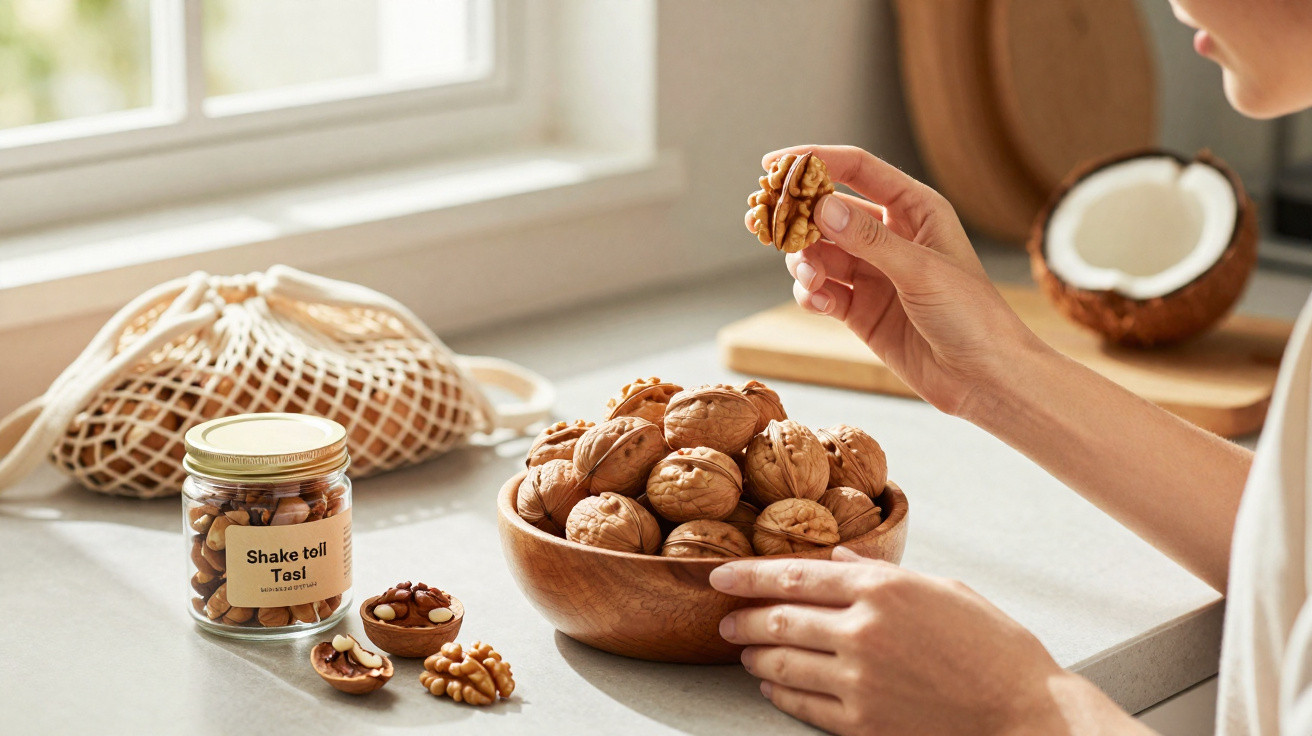
Soak 150g raw almonds in cold water in the fridge overnight. Drain and rinse them, then blend with 500ml to 700ml fresh cold water until smooth. Strain through a clean muslin cloth, fine sieve or nut-milk bag, squeezing gently.
Pour into a clean covered bottle, refrigerate straight away and use within two days. Shake before serving because separation is normal. Use leftover almond pulp promptly in porridge, yoghurt or baking, or freeze it for later.
Homemade almond drink is not fortified with the vitamins and minerals added to some shop-bought plant drinks. If you use plant drinks regularly in place of dairy, check carton labels and consider whether a fortified option better suits your usual diet. Anyone with a nut allergy should, of course, avoid this recipe and prevent cross-contamination in shared kitchens.
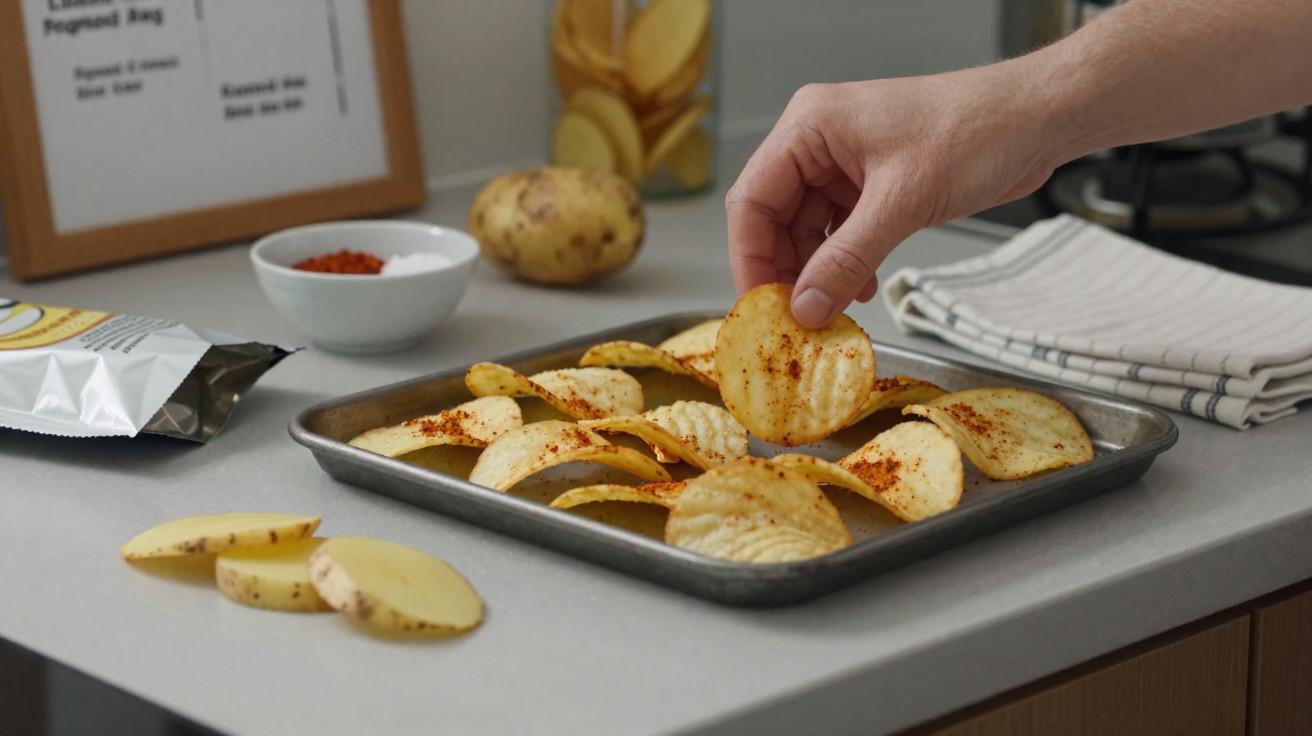
4. Oven crisps: inexpensive, but time-heavy
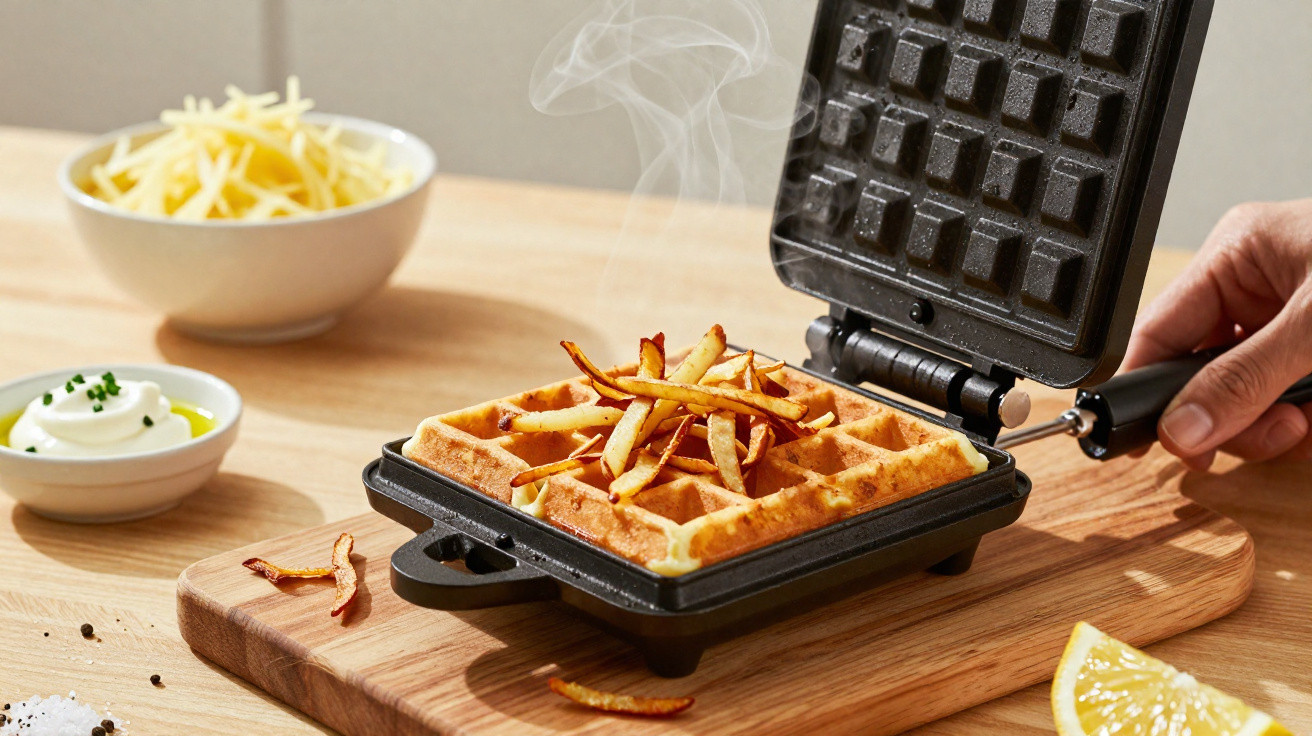
Potatoes, oil and salt are inexpensive, but crisping thin slices evenly takes attention. A crowded tray creates steam, so the result is more likely to be soft roasted potato than a crisp snack.
Slice floury or all-rounder potatoes thinly and evenly. A mandoline is useful, but always use its guard. Soak the slices in cold water for 15 minutes, drain them, then dry them extremely thoroughly with a clean tea towel or kitchen paper.
Arrange in a single layer, lightly coat with oil and bake at 180C fan. Turn the slices as needed and start checking early, as thin edges can catch quickly. Cool briefly on the tray; they often become crisper as they cool.
Try simple seasonings after baking:
- Smoky: smoked paprika, garlic powder and salt.
- Herby: dried rosemary, black pepper and salt.
- Salt and vinegar-style: fine salt with a very small amount of vinegar powder, if you can find it.
An air fryer may be quicker for a small quantity, but only if the basket is not crowded. Homemade crisps are best eaten on the day, as they soften more quickly than packaged ones.
5. Mint chocolate slices for a special occasion
Mint chocolate slices are unlikely to beat a packet biscuit on price, particularly if you use good chocolate. They are, however, a pleasing baking project when you want a thicker mint layer and a more generous chocolate topping.
For a simple base, combine plain flour, cocoa powder, butter, sugar and a pinch of salt. Press into a lined tin and bake until firm. Let it cool completely.
For the filling, beat icing sugar with softened butter and a little milk. Add peppermint extract a drop at a time, tasting as you go. Spread it thinly over the cooled base and chill until firm.
Melt dark chocolate gently in a heatproof bowl over a pan of barely simmering water, making sure the bowl does not touch the water. Spread it over the filling, chill again, then cut with a knife warmed under hot water and dried.
Keep the finished slices in the fridge and eat within a few days. If you are serving guests with allergies, remember that chocolate, butter and some extracts may contain or carry traces of allergens.
Common mistakes that spoil homemade versions
- Overcrowding baking trays: trapped steam prevents nuggets and potato slices from crisping.
- Cutting too soon: oat bars and mint layers need time to cool and set.
- Using damp potato slices: moisture is the main enemy of crisp oven crisps.
- Adding too much peppermint extract: it is powerful and difficult to balance once added.
- Freezing raw chicken without a clear plan: cooking, cooling and freezing the nuggets first makes reheating more straightforward.
- Expecting an exact packet-food replica: commercial products are designed for uniform texture and long shelf life.
- Ignoring storage: homemade foods usually contain fewer preservatives, so refrigerate, freeze or eat them promptly.
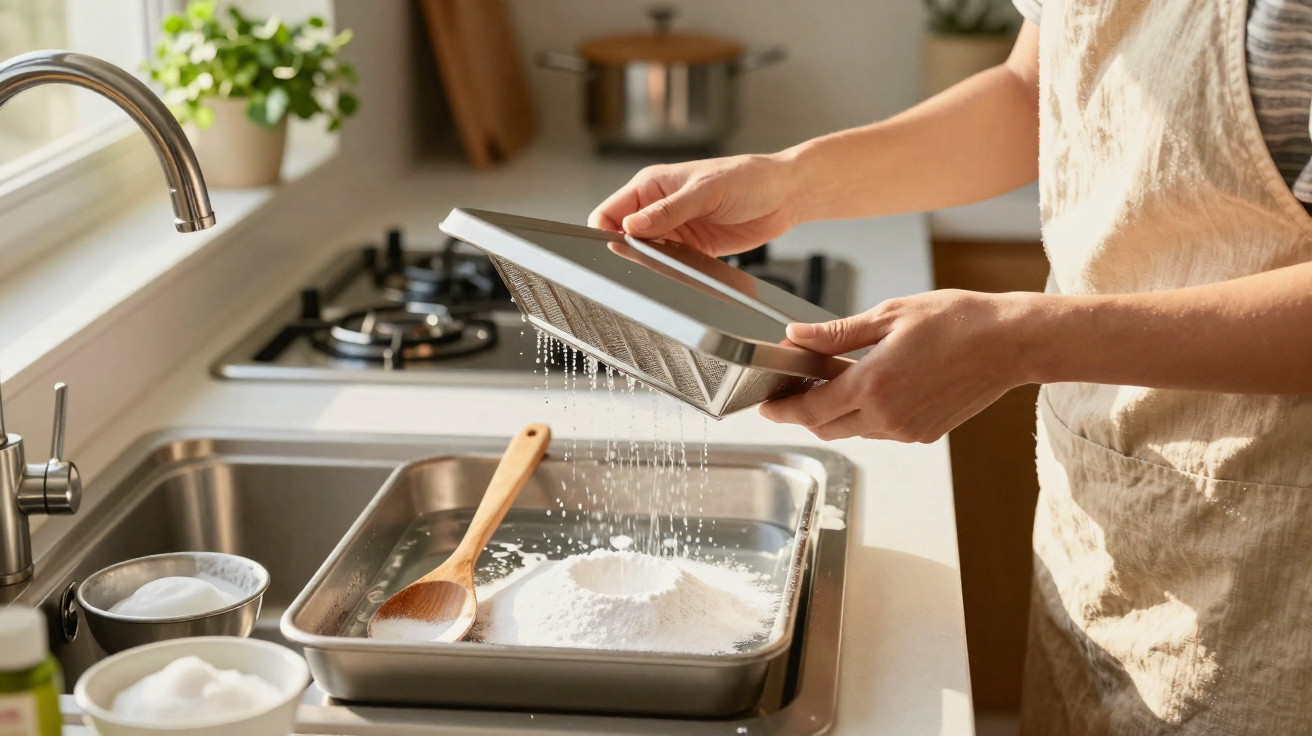
Never use a mandoline without its hand guard, and take care around hot trays, ovens and melted chocolate. When washing greasy tins afterwards, never mix bleach with vinegar, lemon juice, descaler or any other acidic cleaner.
Which swaps are actually worth making?
For most homes, oat bars are the strongest everyday option: they are low-effort, flexible and can be made from inexpensive own-brand oats. Homemade chicken nuggets are worthwhile when you have time to batch-cook and want a freezer meal with recognisable ingredients. Almond drink and mint slices are more of an occasional project, while potato crisps are best made when you enjoy the process as much as the snack.
Start with one repeatable change. Bake oat bars for packed lunches, freeze a batch of cooked nuggets for busy evenings, or make oven crisps for a film night. Reducing your reliance on ultra-processed food does not require perfection; a few practical meals and snacks that suit your budget and routine can be enough.





Comments
No comments yet. Be the first to comment!
Leave a Comment