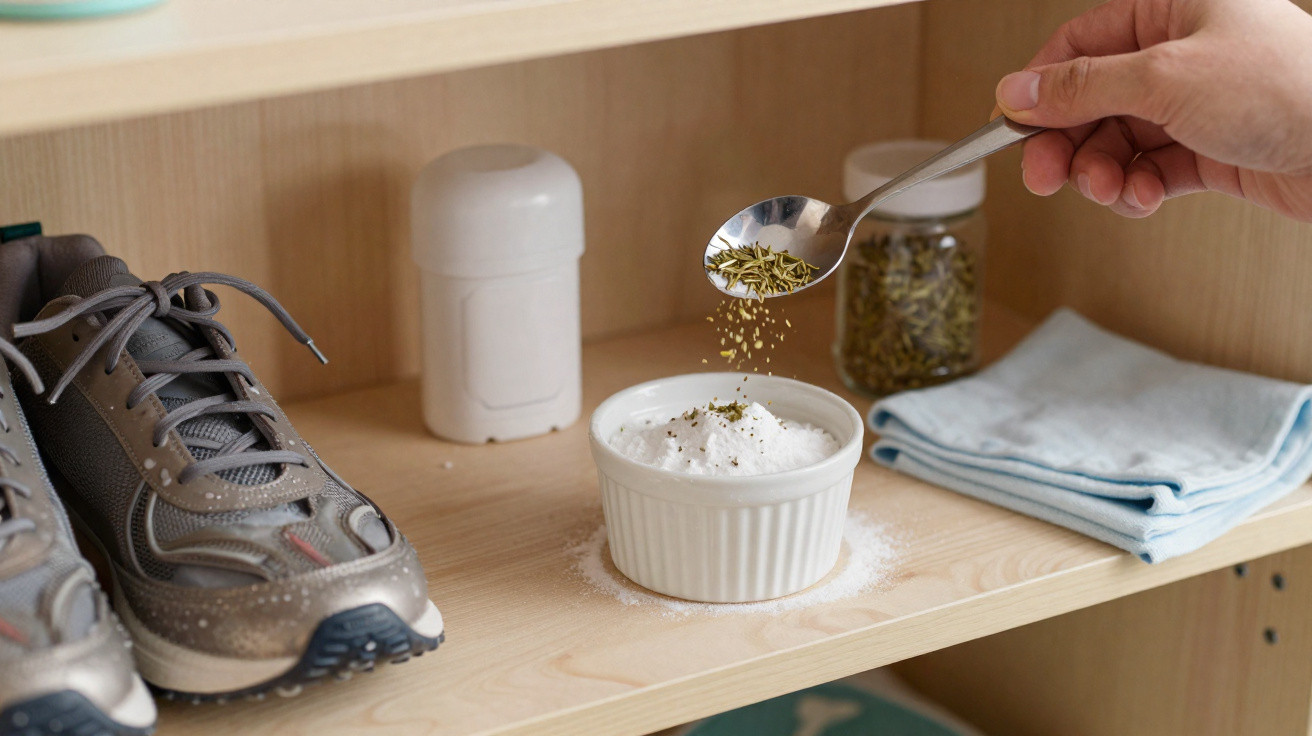
Stale smells in a shoe cupboard, stuffy wardrobe or small bin can linger long after a quick tidy-up. A small dish of dry bicarbonate of soda mixed with dried oregano is sometimes used as a simple cupboard freshener: the bicarbonate may help reduce some odours, while the oregano provides a light herbal scent.
The key is to keep expectations realistic. This is a dry deodoriser for mild smells in clean, dry, enclosed spaces. It will not cure damp, remove mould, deal with a leak or control an insect infestation. Cleaning and drying the area always come first.
What the ingredients can and cannot do
Baking soda is known in the UK as bicarbonate of soda. It is mildly alkaline and can react with some acidic odour compounds. In practical terms, it may help with certain lingering household smells, particularly once the original source has been removed.
It is not a powerful air purifier, however, and an open bowl will not fix a strong or recurring smell. If a wardrobe smells musty because clothes are damp, for example, the clothing and cupboard need to be dried and aired rather than simply scented.
Dried oregano has a different purpose. It adds a recognisable savoury, herbal fragrance, which can make a small space seem fresher. There is no good reason to assume that dried oregano makes bicarbonate work better at absorbing odours.
Think of bicarbonate of soda as the modest deodorising element and oregano as the scent. Neither replaces finding and removing the cause of a smell.
Where a dry deodoriser may be useful
This mixture is best suited to dry spaces with mild, stale odours and reasonable airflow. Suitable places include:
- a shoe cupboard, after shoes and boots have dried fully;
- a wardrobe or drawer containing clean, dry clothes;
- a utility cupboard away from food and cleaning chemicals;
- a cupboard used for spare bedding or dry towels;
- near a small indoor bin, rather than inside it;
- a dry caravan or campervan cupboard when it is being aired.
It can be useful during a wet British autumn or winter, when coats, trainers and boots are often brought indoors damp. But it should only go into the cupboard once those items have dried. A dish of powder cannot deal with the moisture released by wet footwear.
Avoid leaving loose powder where it could be knocked over, blown around or spilled on food. If you use it in a kitchen cupboard, keep it well away from ingredients and choose a stable, shallow container.
How to make the mixture safely
There is no need for an exact recipe. The aim is simply to keep the bicarbonate dry and exposed to the surrounding air.
1. Pick a stable container
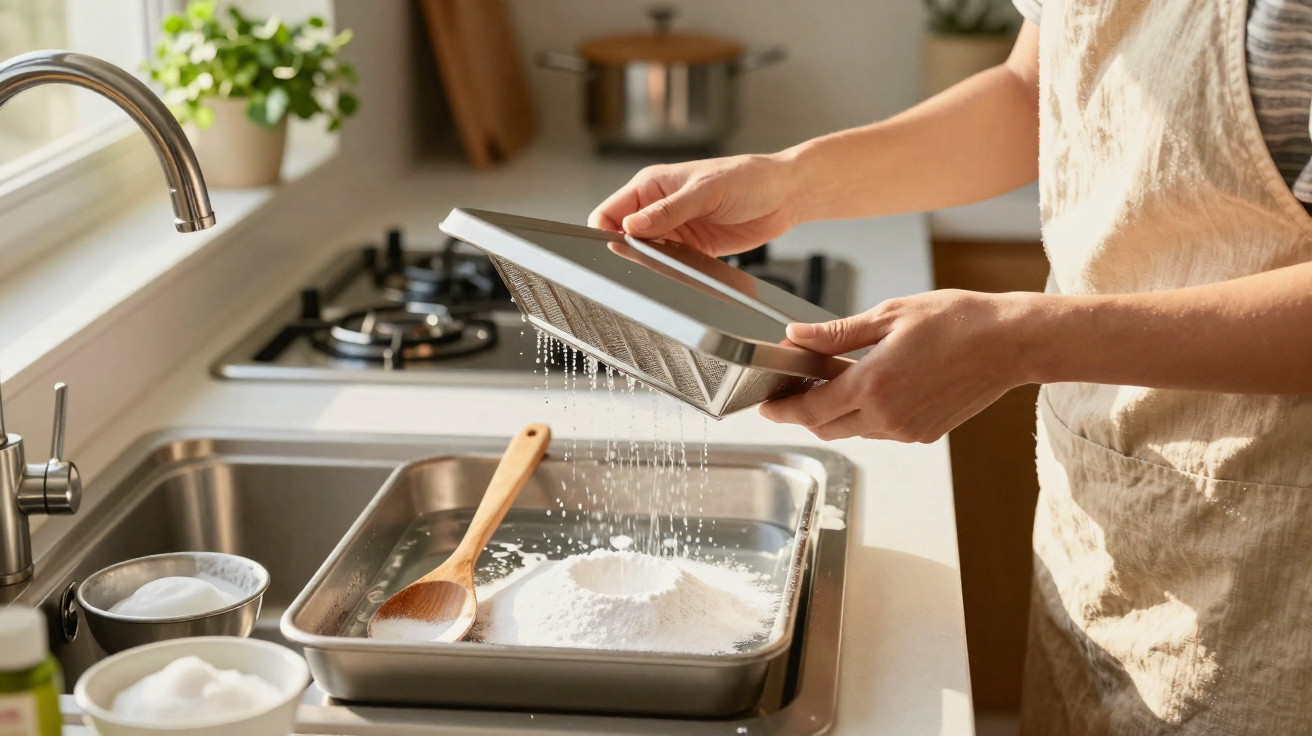
Use a small ceramic bowl, ramekin or wide, recycled glass jar. A shallow dish gives the bicarbonate more contact with the air than a tall, narrow container.
Choose something clearly intended for this job, rather than a cup or bowl that could later be used for food. Put it somewhere it cannot easily be tipped over.
2. Add dry bicarbonate and oregano
Spoon a few tablespoons of bicarbonate of soda into the container. Add a small pinch or up to a teaspoon of dried oregano, depending on how noticeable you want the fragrance to be.
Mix gently using a clean, dry spoon. Do not add water or any other liquid. The mixture should remain loose and completely dry.
3. Position it with care
Place the dish on a flat surface towards the back of the cupboard or on a high wardrobe shelf. Keep it away from children, pets, uncovered food and places where it could fall on to clothing or shoes.
In a shoe cupboard, wipe the shelf first and make sure the footwear is dry. In a wardrobe, avoid placing the dish directly beneath hanging clothes, where it could be disturbed.
4. Check it regularly
Look at the mixture every week or two. Replace it if it becomes damp, clumpy, dirty or no longer seems to make a difference.
There is no fixed replacement schedule. Humidity, airflow and the original odour all affect how long it remains useful.
Deal with the source of the smell first
A freshener only has a chance of helping once the area has been cleaned and dried. If an odour returns quickly, treat that as a sign to investigate further.
- Shoes and boots: remove insoles where possible, dry footwear thoroughly and brush off mud from the soles.
- Wardrobes: check for damp coats, wet umbrellas, forgotten laundry and clothes pressed against a cold outside wall.
- Bins: empty them, wash the inside with an appropriate cleaner and allow them to dry before fitting a new liner.
- Fridges: discard spoiled food, wipe spills and wash removable shelves before using bicarbonate to help with lingering smells.
- Bathrooms: check towels, seals, waste traps and areas around pipes for moisture or leaks.
Visible mould, repeated condensation, a damp patch, a leak or a strong drain smell needs proper attention. Ventilate the room and address the underlying cause. If you rent your home, report significant damp or leaks to your landlord or managing agent promptly.
It is not a reliable insect repellent
Claims that oregano and bicarbonate can repel or kill pests should be treated cautiously. Oregano has a strong smell, but a dish of dried oregano and bicarbonate is not a proven method for dealing with moths, ants, bed bugs, pantry moths or beetles.
For pantry pests, inspect dry food packets, discard infested products in a sealed bag, vacuum cupboard corners and store replacement food in airtight containers. Persistent or extensive infestations may need advice from a reputable pest-control professional.
Do not add essential oils in an attempt to make the mixture more effective. Concentrated oils can irritate skin, can be harmful if swallowed and may be unsuitable around pets or people with sensitivities, particularly in poorly ventilated rooms.
A pleasant smell is not proof that pests, damp or mould have been dealt with. The practical solution is cleaning, drying and dealing with the source.
Common mistakes to avoid
A few simple errors can make this cupboard freshener less useful or create unnecessary mess.
- Using fresh oregano: it contains moisture and may become mouldy in an enclosed space. Use dried oregano only.
- Adding vinegar, lemon juice or water: acids react with bicarbonate and cause fizzing, but this does not create a longer-lasting deodoriser. Moisture also makes the mixture clump.
- Masking mould or damp: fragrance can hide a problem temporarily and delay action on moisture damage.
- Putting it next to uncovered food: loose powder can spill, collect dust and take on food odours.
- Expecting immediate results: air the space after cleaning and allow time before deciding whether the smell has improved.
- Treating it as edible: both ingredients may be food items when fresh and properly stored, but a deodoriser that has sat in a cupboard should not be eaten.
Safety notes for children, pets and cleaning products
Keep the container out of reach of children and animals. Bicarbonate of soda and dried herbs can be harmful if swallowed in large quantities, and loose dried leaves may present a choking risk to young children.
If a child or pet has swallowed a significant amount, or appears unwell, seek prompt advice from NHS 111, a vet or an appropriate poison information service. Call 999 in an emergency.
Avoid using loose powder in places where it may become airborne, especially if someone in the household has asthma or other breathing sensitivities. A deeper, stable container can help reduce spills, although it should still be kept out of reach.
Never mix household cleaning products at random. In particular, do not mix bleach with vinegar, lemon juice, descalers or other acidic cleaners, as hazardous gases can be released. Keep this dry deodorising mixture separate from cleaning products.
A realistic way to freshen a small space
For a low-effort cupboard freshener, clean and dry the space first. Then place a small, stable dish of bicarbonate of soda with a little dried oregano in a safe, out-of-reach position. Check it regularly and replace it if it clumps, becomes dirty or stops being useful.
Used this way, it can be a pleasant option for mild stale smells in dry enclosed spaces. Its value lies in modest freshening after good housekeeping, not in covering serious odours or replacing proper cleaning.









Comments
No comments yet. Be the first to comment!
Leave a Comment