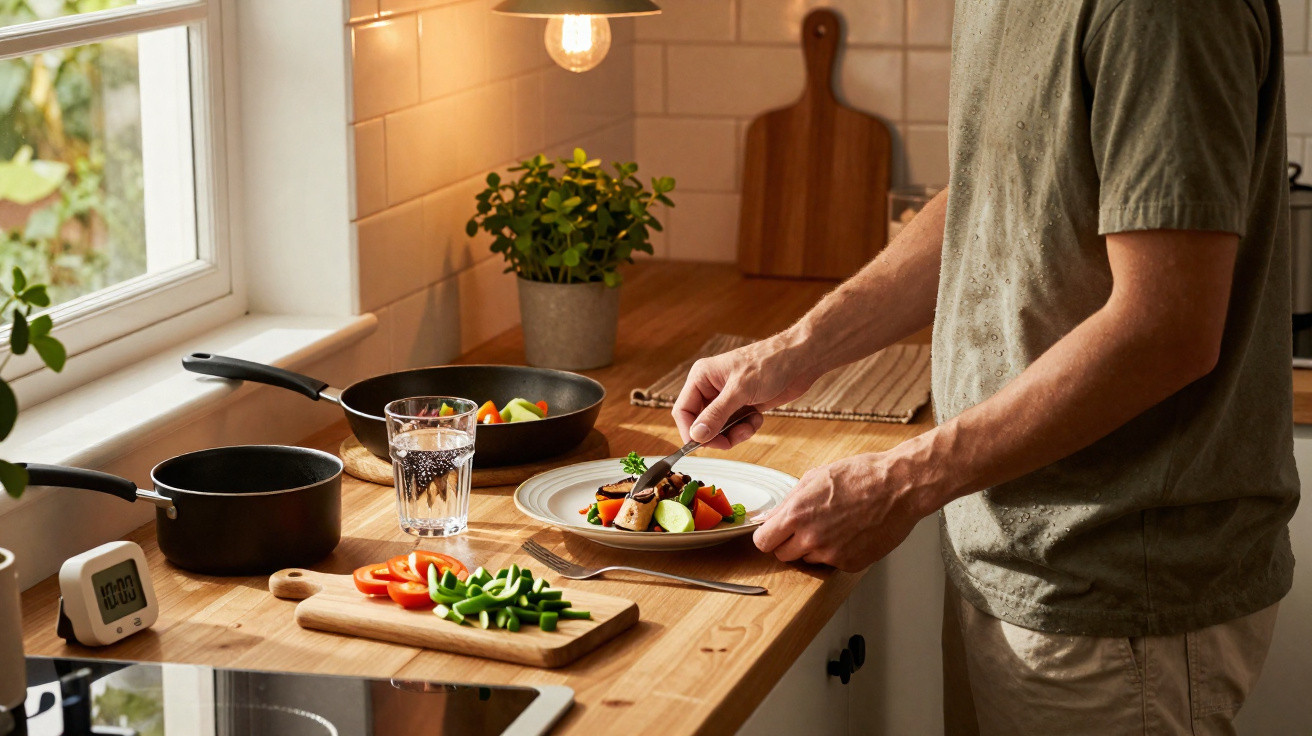
You want dinner quickly, you want it to be good, and you do not want leftovers lingering in the fridge. That is the ideal balance: single-serve dinners that feel nurturing rather than like a compromise.
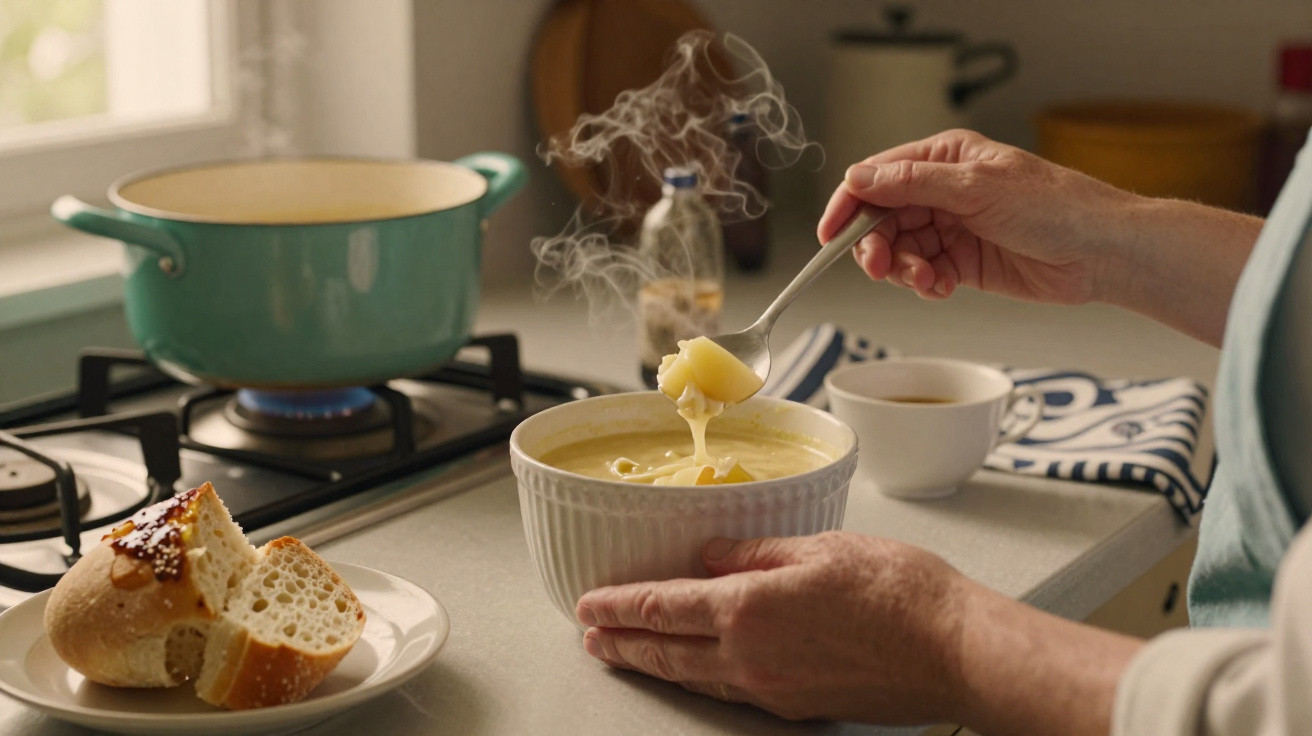
As the flat settles, the pan begins to heat. You drop your keys in the bowl, check the fridge like a shopkeeper at the end of the day, and find two eggs, a handful of spinach, the end of a block of feta and yesterday’s rice in a jar. The delivery app sends a notification. Your thumb pauses, then pulls away. Instead, you take out a small frying pan, add a drizzle of oil and let the garlic sizzle just long enough to fill the room with the smell of dinner. Ten minutes later, you are eating from the pan itself, steam misting your glasses as the tension of the day eases away without leaving a mountain of washing-up. Dinner need not feel like a project. A new routine starts to take shape.
Why solo dinners deserve proper recipes
Cooking for yourself is not making half a meal. It is its own approach, reshaping everything from your shopping rhythm and pan size to portions and even the way you keep herbs. When one plate is the goal, you can be more adventurous with flavour while keeping quantities precise, quietly cutting down on waste.
Take Maya, 29, who once bought “family value” packs simply because the supermarket displayed them on the endcaps. Every Thursday, she threw away wilted greens and accepted it as normal. Then she switched to small, speedy meals: 240 ml of frozen broccoli, 120 g of salmon, plus a dash of soy and honey, all seared in six minutes. The USDA estimates that around 30–40% of the food supply is wasted; people cooking alone notice that every time they find a slimy bag of herbs. A small change shifts the calculation.
Nutrition is easier to manage when you cook for one. Use a palm-sized portion of protein, two cupped handfuls of vegetables, a thumb-sized amount of fat and a fist-sized serving of starch-job done. The plate still feels generous, without the unnoticed slide into second helpings. You eat what suits you rather than what the pan dictates, adjusting each night: more greens after a day at the desk or more carbohydrates after a run. Cook once, eat exactly enough.
The 10-minute single-serve method
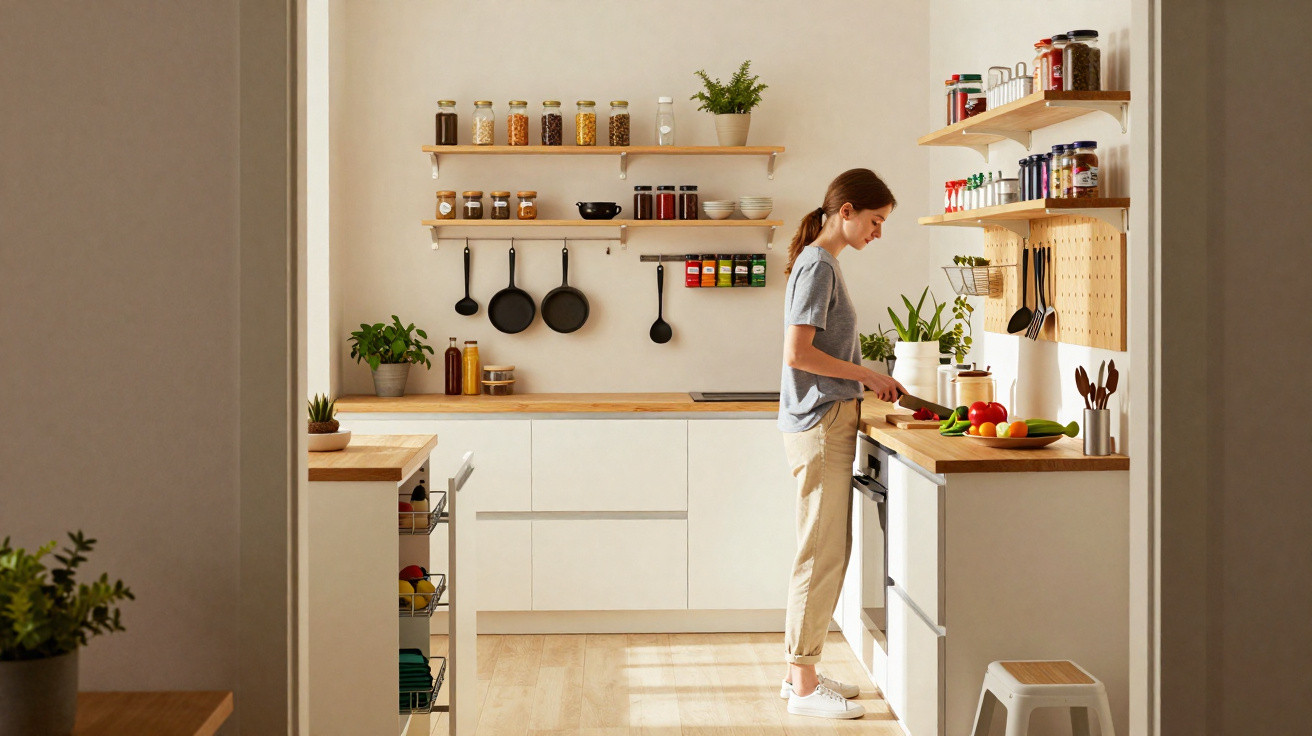
All you need is one small pan, one bowl and a kettle. Work with a simple triangle: protein + quick-cooking vegetables + a flavour base. Store a small batch of cooked grains in the fridge-no more than 475 ml-and freeze individual sauce portions in an ice-cube tray. Get the pan properly hot, add your flavour base, such as garlic, spring onion or curry paste, then add the protein: tofu cubes, prawns or chicken strips. Toss in vegetables that cook within minutes, including spinach, sugar snap peas or mushrooms, and finish with acid and herbs. In ten minutes, you can go from plate to sink.
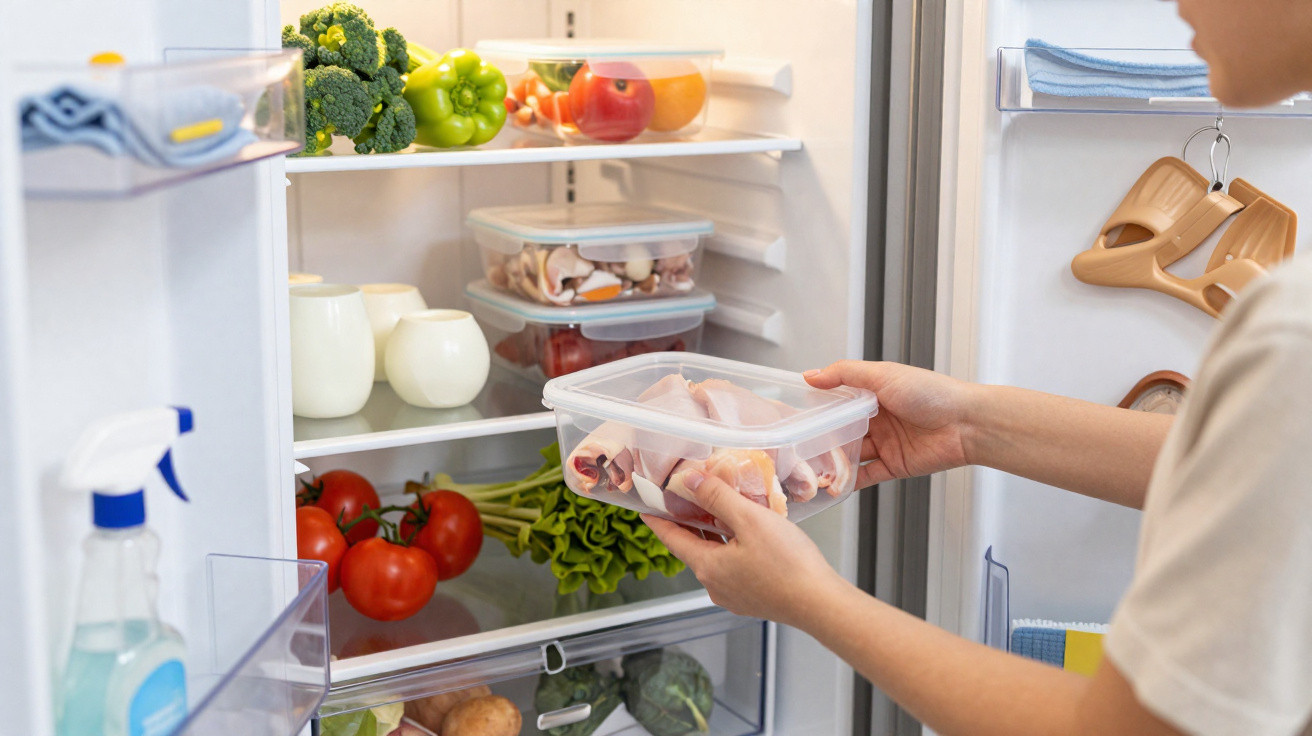
The main danger is making “just a little extra” and accidentally ending up with two portions. We have all seen a pan look too empty, added more pasta, then more sauce, and turned dinner into a fridge-management problem. Honestly, nobody manages that every day. Avoid it by portioning ingredients as soon as they come home: divide meat or tofu into 120–150 g bags, keep vegetables in containers holding ready-to-use handfuls, and arrange spice blends in small glasses. Small habits keep small dinners genuinely small.
Big flavour with minimal waste often comes from condiments. A jar of pesto may turn stale within three days, but whisking 1 tablespoon with lemon juice and water creates a five-minute sauce that can last across three evenings. Alternate your base flavours-miso, harissa, gochujang and tahini-and even actual leftovers will not taste repetitive.
“A great single-serve dinner is just a template you trust plus one bright thing,” says a chef friend who cooks alone five nights a week.
- Egg roll in a bowl: minced turkey or crumbled tofu, shredded cabbage, spring onion, soy, ginger and a squeeze of lime.
- Speedy salmon bowl: 120 g salmon, frozen edamame, microwave rice, furikake and a swirl of mayonnaise + sriracha.
- Gnocchi skillet: shelf-stable gnocchi toasted in oil, cherry tomatoes, spinach, torn mozzarella and a splash of balsamic vinegar.
- Chickpea shakshuka: tinned chickpeas, paprika, tomatoes, one cracked egg, covered and finished with coriander stems.
- Broccoli-peanut noodles: instant noodles without the flavour sachet, steamed broccoli, peanut butter, soy, rice vinegar and chilli oil.
Single-serve dinners you will actually cook
Viewed more broadly, this habit becomes a small stand against chaos. You are not committing to a marathon cooking session on Sunday or twelve labelled containers. You are developing a five-ingredient skill that works at 8:37 p.m. and still tastes thoughtful. Picture one chicken thigh, seared until golden with cumin and orange; a bowl of lemony beans with garlic, wilted kale and a scattering of Parmesan; or a tortilla folded around black beans, sweetcorn and a salsa made in a hot pan in three minutes. A zero-waste freezer stash becomes an understated helper: half a pitta, a cube of curry or a small bag of chopped dill. The ritual remains modest and almost personal. It quietens the noise, rescues the herbs and gives you a dinner that ends once the plate is empty. The rest of the evening belongs to you.
| Key point | Detail | Benefit for the reader |
|---|---|---|
| Pan + triangle formula | Protein + quick-cooking vegetables + flavour base, finished with acid | Cuts decision-making and time until dinner is served |
| Small-batch staples | 475 ml cooked grains, sauce cubes in an ice-cube tray | Delivers fresh flavour without marathon meal prep |
| Portion ingredients at the door | 120–150 g protein packs, vegetables in handful-sized containers | Reduces waste and overeating before either begins |

Comments
No comments yet. Be the first to comment!
Leave a Comment