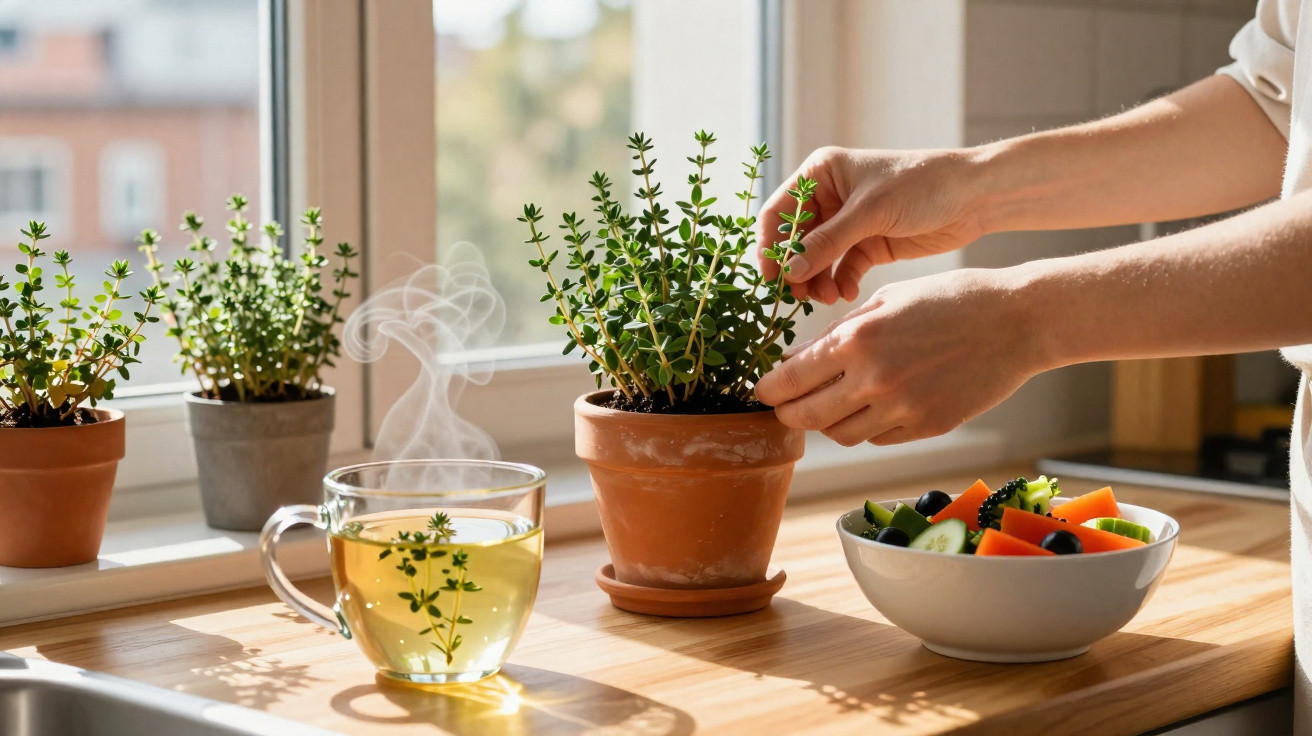
As supermarket herb bunches increasingly give way to balcony pots, thyme is emerging as a modest plant with big appeal for both flavour and science-backed health benefits. Often overlooked beside rosemary and mint, this Mediterranean favourite thrives in compact spaces and may offer valuable support for cardiovascular health.
Why thyme is outshining rosemary and mint
Rosemary and mint commonly take centre stage in home gardens. Their recognisable appearance, powerful scent and frequent use in cooking make them obvious favourites. Thyme, by comparison, can seem understated, with miniature leaves and short woody stalks. However, researchers, cardiologists and chefs interested in nutrition are giving this herb growing attention.
Thyme contains a concentrated blend of aromatic compounds. These tiny substances create its warm, gently earthy flavour while also interacting with the body. Thymol, carvacrol and related terpenes have demonstrated antioxidant and anti-inflammatory effects in laboratory and animal research. Initial human findings suggest similar potential, particularly in relation to blood pressure management and blood-vessel protection.
Thyme offers a rare trio in one plant: flavor, fragrance and measurable support for cardiovascular health, all from a pot on the sill.
This herb is also well suited to contemporary routines. It copes with occasional neglect, grows successfully in small pots and adjusts to varying climates when it receives sufficient light. For urban residents with only a balcony railing or kitchen windowsill, thyme can often be easier to grow than more demanding herbs such as basil or coriander.
How thyme supports your heart and blood vessels
Helps regulate blood pressure
A number of experimental studies indicate that thyme extracts may assist blood vessels in relaxing. Leaf compounds affect calcium channels within smooth-muscle cells, helping arteries open slightly wider. As wider vessels reduce resistance to blood flow, this can lessen the strain placed on the heart.
Research in animals using thyme-based preparations has found reductions in systolic and diastolic blood pressure similar to those achieved by certain conventional blood pressure medicines. Such findings are not a substitute for prescribed treatment, but they do point to meaningful potential for everyday dietary support.
Used regularly in cooking, thyme may work as a gentle ally for people aiming to manage borderline blood pressure alongside medical care and lifestyle changes.
Antioxidant protection against vascular damage
The arteries and heart are continually exposed to oxidative stress. Free radicals can harm blood-vessel linings and contribute to the formation of fatty plaques. Thyme provides flavonoids, phenolic acids and essential oils that may neutralise some of these unstable molecules.
In laboratory assessments, thyme has been placed among the more powerful culinary herbs for antioxidant capacity, alongside oregano and sage. These qualities could help slow processes associated with atherosclerosis, particularly if thyme is used instead of salty or ultra-processed flavourings in daily cooking.
Anti-inflammatory effects throughout the body
Persistent low-level inflammation quietly contributes to numerous cardiac conditions, ranging from hypertension to heart failure. Compounds including thymol and carvacrol may influence inflammatory pathways by lowering the cellular production of particular signalling molecules.
Cell-culture studies have recorded lower inflammatory markers after exposure to thyme extracts. Although effects in everyday life depend on dosage and the diet overall, using thyme regularly in meals provides a small yet consistent contribution in support of vascular health.
Other science-backed benefits beyond the heart
Support for the respiratory system
Thyme has long been used in traditional medicine for congestion and coughs. Current products intended for bronchitis and sore throats frequently contain thyme extract or essential oil. The herb seems to aid the loosening of mucus and may have mild antimicrobial activity in the upper airways.
At home, fresh or dried thyme steeped in hot water makes a straightforward herbal drink. It cannot cure an infection, but it may sit alongside medical care and help maintain fluid intake during a seasonal cold.
Digestive comfort and blood sugar balance
Thyme encourages digestive-juice production and may benefit people who experience a heavy feeling after eating. Some early studies additionally point to a possible influence on carbohydrate metabolism, as extracts affect enzymes involved in breaking down starch and sugar.
When added to meals based on pulses, vegetables and whole grains, thyme supports a slower and more even glucose release. Over time, this dietary pattern is beneficial for both metabolic and cardiovascular health.
How to grow thyme at home, even in a tiny flat
Selecting a suitable position and pot
Thyme originates from dry, sun-filled Mediterranean slopes. It therefore favours comparable home conditions: plenty of bright light, moderate watering and fast-draining soil. A modest container on a south- or west-facing windowsill is generally ideal.
- Light: at least 4–6 hours of direct sun or strong daylight per day
- Container: pot with drainage holes, 15–20 cm deep
- Soil: light mix, with some sand or perlite to avoid waterlogging
- Water: when the first 2–3 cm of soil feel dry
Even in cooler or more overcast areas, it is possible to keep a thyme plant healthy beside a bright window or beneath a basic grow light. The plant tolerates brief dry periods far better than permanently wet conditions.
Growing from seeds, cuttings or supermarket bunches
Garden centres offer young thyme plants that can be transplanted immediately. Seeds and cuttings are also practical choices for anyone who enjoys a small growing project. Seeds require warmth and take longer, whereas cuttings establish more quickly.
| Method | Difficulty | Time to first harvest |
|---|---|---|
| Seeds | Moderate | 10–12 weeks |
| Cuttings | Easy | 6–8 weeks |
| Small potted plant | Very easy | 2–3 weeks |
One easy approach is to use a fresh shop-bought thyme sprig: remove the leaves from the lower section and stand the base of the stem in water for several days. Transfer it to soil once tiny roots emerge. As some stems will fail to root, it is best to prepare several at the same time.
Keeping the thyme plant productive
Light pruning suits thyme well. Harvesting often encourages fresh shoots and prevents the stems becoming overly woody. Make each cut just above a pair of leaves, retaining enough green growth for the plant to recover.
Avoid heavy fertilizer and constant watering; thyme prefers lean conditions and slightly dry soil, closer to its wild habitat.
In cooler regions, thyme planted outdoors can remain in the ground through winter when drainage is good. Where frosts are severe, it is more likely to survive in a pot moved indoors or positioned by a sheltered wall.
Smart ways to use thyme in your daily cooking
More flavour with less salt
Using thyme and other herbs in place of some salt can reduce sodium consumption without making food less tasty. Over the longer term, this adjustment supports blood pressure control and heart health.
Thyme works particularly well with:
- Roasted vegetables such as carrots, courgettes, potatoes and squash
- Chicken and turkey, baked or grilled
- Fish, especially white fish wrapped in foil with lemon slices
- Beans, lentils and chickpeas in stews or salads
- Tomato-based sauces and slow-cooked dishes
Fresh thyme leaves bring a softer, greener flavour, while dried thyme is more intense and earthy. Both varieties retain many aromatic compounds, meaning even a small pinch can influence the finished dish.
Infusions and everyday rituals
A soothing thyme infusion can be a useful addition to an evening routine. Put a teaspoon of dried leaves or a small handful of fresh leaves into hot water, infuse for 5–10 minutes and strain. The drink has a gentle, reassuring scent and may help some people relax after a demanding day.
Anyone taking medicines for blood pressure or heart rhythm should consult a health professional before using concentrated thyme supplements or essential oils. In contrast, culinary quantities rarely cause problems for healthy adults when consumed as part of a varied diet.
What to know about safety, dosage and realistic expectations
Capsules, syrups and essential oils made from thyme are widely available in some pharmacies and health-food shops. Their active-compound levels are much higher than those in a teaspoon of thyme scattered over roasted vegetables. This distinction is important for pregnant people, children and anyone taking regular medication.
Thyme allergies are unusual but can happen, particularly among people sensitive to other members of the Lamiaceae family, including oregano and basil. For people wishing to use diluted essential oil in aromatherapy, a small skin patch test may help limit the chance of irritation.
Thyme should support, not replace, standard treatments for heart disease, high blood pressure or respiratory illness prescribed by a doctor.
Nutritionally, thyme has the greatest value when it forms part of broader healthy habits: regular walking or cycling, maintaining a healthy weight, not smoking and limiting processed foods. The herb cannot reverse established cardiovascular disease on its own, but it can contribute to an eating pattern that protects the heart over decades.
Growing a broader habit of health around one small pot
A pot of thyme can influence more than the seasoning used at mealtimes. People who cultivate even one herb often prepare more meals at home, become more aware of ingredients and view food differently. That change alone can reduce hidden salt, trans fats and added sugar from ready-made products.
For anyone keen to expand further, thyme grows well alongside other balcony-suitable crops, including cherry tomatoes, chillies and salad leaves. Together, these plants make a compact edible space that may steer the household towards fresher, more colourful meals and, quietly, a calmer heart.













Comments
No comments yet. Be the first to comment!
Leave a Comment