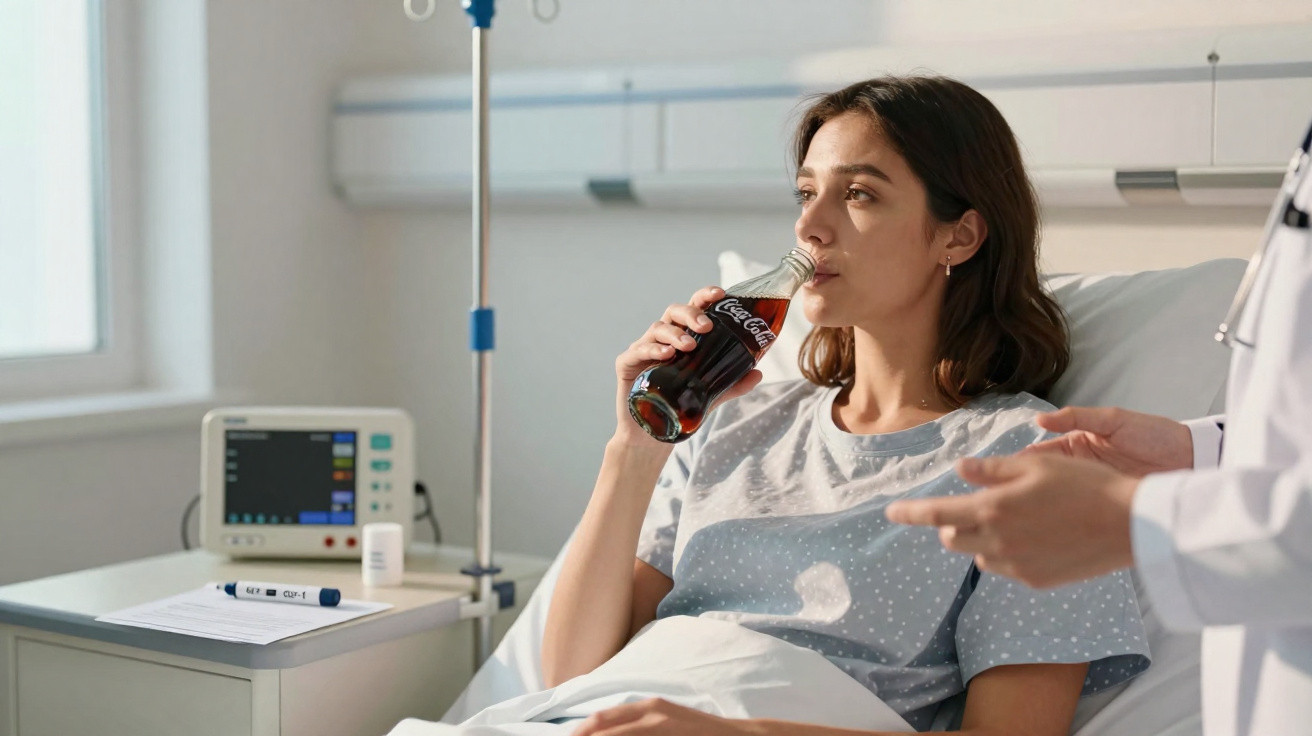
Emergency departments deal with abdominal pain every day, but this presentation stood out. A 63-year-old woman came to Brigham and Women’s Hospital with unrelenting nausea, vomiting and a burning pain that travelled from her upper abdomen into her back. Investigations indicated an unusual blockage, and the treatment choice surprised some members of staff.
A puzzling case in a Boston emergency department
For months, the patient had experienced upper gastrointestinal symptoms. She reported vomiting without blood and a persistent burning sensation that was spreading. Her medical background included type 2 diabetes, stage 2 chronic kidney disease and reflux, but these conditions did not completely account for the worsening symptoms.
The clinical team requested blood tests, imaging and a CT scan. The scan results were revealing: her stomach was enlarged and distended, containing a semi-solid substance. Her bile ducts also seemed mildly dilated, suggesting pressure within the system.
Imaging suggested a gastric bezoar - a compact mass of undigested material lodged in the stomach, most often made of plant fibres.
Bezoars are rare. Signs of one are found in fewer than one in 200 people having an endoscopy. However, when they occur, they may cause ongoing nausea, vomiting, pain, feeling full quickly and, in certain cases, an obstruction.
What is a gastric bezoar?
A gastric bezoar develops when food fibres or other substances gather into a mass that does not pass out of the stomach. Phytobezoars, which consist of fruit and vegetable fibres, are the most common form. Persimmons are especially well known for causing them, although orange pith, pumpkin strands and celery fibres may also contribute.
The risk is greater when stomach emptying is delayed. Diabetes may reduce gastric motility, as can kidney disease, previous stomach surgery and some medicines. These drugs now include GLP‑1 agonists such as semaglutide, which are widely used for diabetes and, increasingly, weight loss.
Slow stomach emptying sets the stage: fibres linger, tangle and harden into a lump.
Why the doctors chose cola rather than a scalpel
The usual treatment approach begins with endoscopic fragmentation. Using a scope, a clinician breaks the mass into smaller pieces before removing them or moving them onwards. Surgery is generally reserved for the most difficult cases. Another available option is acid-based dissolution with cola - the familiar brown carbonated drink.
There is a scientific basis for this method. Coca‑Cola has a low pH and contains carbonic and phosphoric acids, which can weaken and dissolve plant fibres. Case series spanning several decades have reported reasonable outcomes for phytobezoars, particularly where cola is used alongside endoscopic treatment.
In this case, doctors prescribed 1.5 litres of Coca‑Cola over 12 hours. Symptoms eased within a day. Follow‑up endoscopy showed the bezoar had gone.
The initial plan was to give 3 litres over 12 hours, a regimen sometimes administered through a nasogastric tube. As the patient did not like carbonated drinks, she chose to drink half that amount orally. It was nevertheless successful. Her team published the case in a leading medical journal this autumn and identified semaglutide as a likely trigger. GLP‑1 drugs are designed to slow gastric emptying. While this supports appetite control, it may also create the conditions for rare complications such as this one.
Does this really work?
The evidence largely comes from case reports and small case series. Results differ according to the bezoar’s size and composition, with phytobezoars responding most favourably. Diet versions of cola seem to work in a similar way because acidity, rather than sugar, does most of the work. Many hospitals use cola together with endoscopic fragmentation to improve success rates and reduce procedure time. Clinical teams monitor aspiration risk and rises in blood sugar, especially for people with diabetes.
| Approach | What it does | Typical setting | Pros | Risks or limits |
|---|---|---|---|---|
| Coca‑Cola dissolution | Acid weakens and breaks plant fibres | Oral intake or via nasogastric tube | Non-invasive, inexpensive, widely available | Variable success; sugar load; aspiration risk; not ideal for trichobezoars |
| Endoscopic fragmentation | Mechanical breaking with snares, forceps or nets | Endoscopy suite | Direct control, works for many types | Requires sedation; may need multiple sessions |
| Surgical removal | Open or laparoscopic gastrotomy | Operating theatre | Definitive in severe obstruction | Invasive; longer recovery; operative risks |
The GLP‑1 connection prompts wider questions
GLP‑1 medicines, including semaglutide, tirzepatide and other drugs in this class, delay gastric emptying. This can help people feel full earlier and consume less food. In a small proportion of patients, though, the same effect may lead to extended fullness, reflux, vomiting and, rarely, bezoars. In this case, the Boston team considered semaglutide the factor that tipped the balance, alongside diabetes and reflux.
Doctors are now alert to warning signs, particularly among older adults and people with diabetes or a history of stomach surgery. Nausea after one large meal is common, but persistent symptoms should be assessed.
- Seek urgent medical care if you have repeated vomiting, severe abdominal pain, black stools or cannot keep fluids down.
- Tell a clinician about new or worsening fullness, reflux or weight loss after starting a GLP‑1 drug.
- If symptoms continue, ask about dose timing, portion sizes and fibre intake.
Why treating yourself with fizzy drinks is a poor idea
Cases like this can spread quickly and encourage people to buy cola for a do-it-yourself treatment. That can be dangerous. A large, firm bezoar may obstruct the stomach outlet, allowing fluid to collect above the blockage. Drinking litres of cola could increase the likelihood of vomiting and aspiration. For people with diabetes, a substantial sugar intake may disrupt glucose control. Even diet cola is not a solution for a blocked stomach, which requires hospital management so staff can insert a tube, control the rate of administration and act if complications arise.
Cola can be a tool. It’s not a home remedy. Doctors select patients carefully and supervise the process.
Practical advice for people taking a GLP‑1 medicine
Simple changes may lower the risk of problems while continuing treatment that benefits weight or glucose control. These suggestions are not a replacement for medical advice, but they reflect the types of adjustment clinicians often recommend.
- Begin with smaller meals and eat them slowly. Take breaks between courses.
- Chew fibrous foods thoroughly. Finely shred raw salads, peel fruit and remove orange pith.
- Reduce high-risk foods, including persimmons, celery strings, pumpkin fibres and very dense high-fibre supplements.
- Keep well hydrated by sipping water throughout the day rather than drinking a large amount at once.
- If you develop early fullness or nausea, make portions smaller and speak to your prescriber about dose timing or a dose reduction.
A brief reality check on “cola cures”
There is some genuine science behind the idea. Acidic soft drinks can assist in dissolving plant-based bezoars, and hospitals have used this strategy for years, frequently alongside endoscopy. Published cases generally use around 1.5 to 3 litres over 6 to 12 hours, sometimes given through a tube. Teams monitor blood sugar, fluid status and aspiration risk. Success depends on the size and makeup of the bezoar.
Two points are commonly overlooked: diet cola appears to be just as effective for dissolution, while cola treatment is less helpful for hair bezoars and certain medication concretions. These usually require mechanical removal.
Think of cola as one item in a clinical toolbox. Selection matters. Supervision matters more.
For patients, the wider message goes beyond an attention-grabbing headline. If you take a GLP‑1 drug, discuss symptoms, eating habits and fibre intake with your clinician. If you have diabetes or reflux, ask how to recognise delayed gastric emptying at an early stage. Should severe nausea develop, the safest first action remains the one taken in Boston: seek assessment, have imaging and allow the team to select the appropriate treatment.









Comments
No comments yet. Be the first to comment!
Leave a Comment