
Do drinks from a cup really keep you going all day?
Meal replacement drinks are booming: fitness influencers swear by them, start-ups market them as “the future of food”, and busy office workers use them to save time. A nutrition adviser explains what these powders actually contain, when a shake can be useful – and at what point the quick drink does more harm than good.
What a typical meal replacement shake actually contains
The packaging often makes everything sound ideal: “complete”, “balanced”, “high in protein and vitamins”. The basic premise is simple: mix the powder with water or milk, give it a quick shake, and your “complete” meal in a cup is ready. It could hardly be more convenient.
Nutrition professionals take a far more measured view. A standard meal replacement shake essentially contains:
- Protein – usually from milk, soya, peas or rice
- Carbohydrates – often from sugar, maltodextrin or oats
- Fats – such as vegetable oils or MCT oils
- Added vitamins and minerals
- Flavourings, sweeteners and stabilisers for taste and texture
On paper, it is possible to formulate this nutritional profile so that it broadly resembles a “normal” meal. The catch is that a real plate containing vegetables, fruit, wholegrains, pulses and quality fats provides an enormous range of bioactive compounds that are rarely present in standardised powders.
A shake can cover part of your nutrient intake – but it does not offer the variety of a freshly prepared meal.
The difference is especially clear when it comes to so-called micronutrients:
- Vitamins from real foods are often more readily available and work alongside other compounds.
- Minerals and trace elements are strongly influenced by the food as a whole.
- Plant compounds such as polyphenols, carotenoids and secondary plant compounds are almost entirely absent from many powders.
In other words, a meal replacement shake may be convenient in the short term, but it cannot permanently replace the varied combination of a vegetable stir-fry, wholegrain bread, nuts, fruit salad or lentil curry.
Why a shake often does not keep you properly full
One point many people only notice once their stomach starts rumbling again is that the body experiences liquid calories differently from solid food.
Liquid meals pass through the stomach more quickly – so the feeling of fullness usually does not last as long.
Several things happen at once when you chew:
- Sensory cues from flavour, smell and texture tell the brain: “You are eating now.”
- Digestion begins in the mouth, and digestive hormones are released.
- Eating slowly allows the body enough time to signal “stop”.
A shake is often finished within minutes, sometimes while working at a computer. Fullness signals are weaker as a result. This can mean you feel hungry again sooner – and later reach for snacks you had intended to avoid.
The major weakness of meal replacement shakes: too little fibre
Another factor that is often underestimated is fibre. It is found mainly in vegetables, fruit, pulses, nuts and wholegrain products. Many shakes contain only tiny amounts of it.
Fibre:
- extends the feeling of fullness
- helps to keep blood sugar stable
- feeds the gut microbiome
- supports regular digestion
Anyone who regularly swaps a proper lunch for liquid meal replacements will often consume considerably less fibre – with noticeable consequences for digestion, energy levels and appetite regulation.
Drinking a shake does not automatically mean you are hydrated
Many people think: “I drink my shake, so I am getting enough fluids.” It is not quite that simple.
Ordinary meals provide plenty of “hidden” water, for example through cucumber, tomatoes, soups, fruit or yoghurt. Replacing these foods with powdered shakes means losing part of this quiet source of fluids.
A shake may contain water, but it does not replace the fluid supplied by water-rich foods alongside regular drinks.
Anyone making liquid meals a major part of daily life should therefore pay even closer attention to what they drink: tap water, unsweetened tea and diluted fruit juice drinks should remain the foundation.
What long-term shake diets do to weight
Many people turn to shakes specifically because they want to lose weight. At first, it often appears to work: calories are easy to control and the number on the scales falls. The problem usually emerges later.
| Phase | What happens in the body |
|---|---|
| Restriction phase | Calorie deficit, weight loss, often including muscle loss |
| Return to normal eating | Increased appetite, with the body aiming to build up reserves |
| Yo-yo effect | Weight rises again, sometimes above the previous level, with more body fat |
People whose everyday diet consists almost entirely of shakes risk:
- nutrient gaps if the product is not sensibly formulated
- loss of muscle mass when protein intake is too low and there is little physical activity
- a metabolism set to an “economical” level, which can encourage later weight gain
Once normal eating resumes, the body often responds with a stronger appetite. Many people quickly regain the weight they lost – often with a greater proportion of body fat than before.
When a shake can genuinely be useful
Despite all the criticism, meal replacement drinks have a role when they are used sensibly. In some circumstances, they can help rather than cause harm:
- After training: A protein-rich shake immediately after exercise can support muscle building when it complements a regular meal or leads appropriately into one.
- With little appetite: People who are ill or barely feel hungry may sometimes find it easier to consume enough nutrients through liquid calories.
- During exceptional stress: If an entire day goes off the rails, a shake can be better than eating nothing at all – provided it does not become a daily habit.
A shake works as an emergency option or supplement – not as a complete replacement for breakfast, lunch and dinner for weeks at a time.
What a balanced “real” lunch looks like
Anyone who takes a critical view of shakes needs alternatives that are just as quick but offer more. A simple framework can make planning easier:
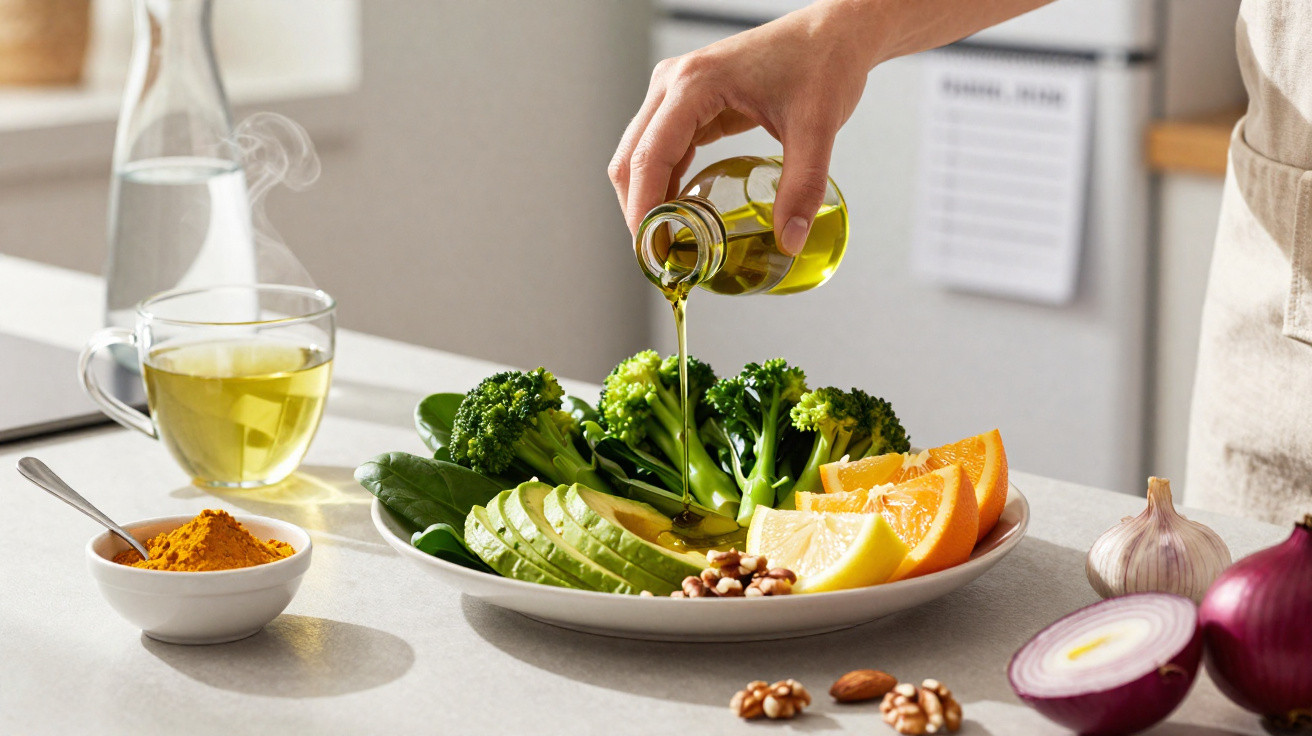
- 1 palm of protein (for example eggs, tofu, fish, pulses or quark)
- 2 handfuls of vegetables (raw, steamed or roasted, in a colourful mix)
- 1 fist of carbohydrates (brown rice, potatoes, wholewheat pasta, millet or bread)
- 1 thumb of quality fats (olive oil, nuts, seeds or avocado)
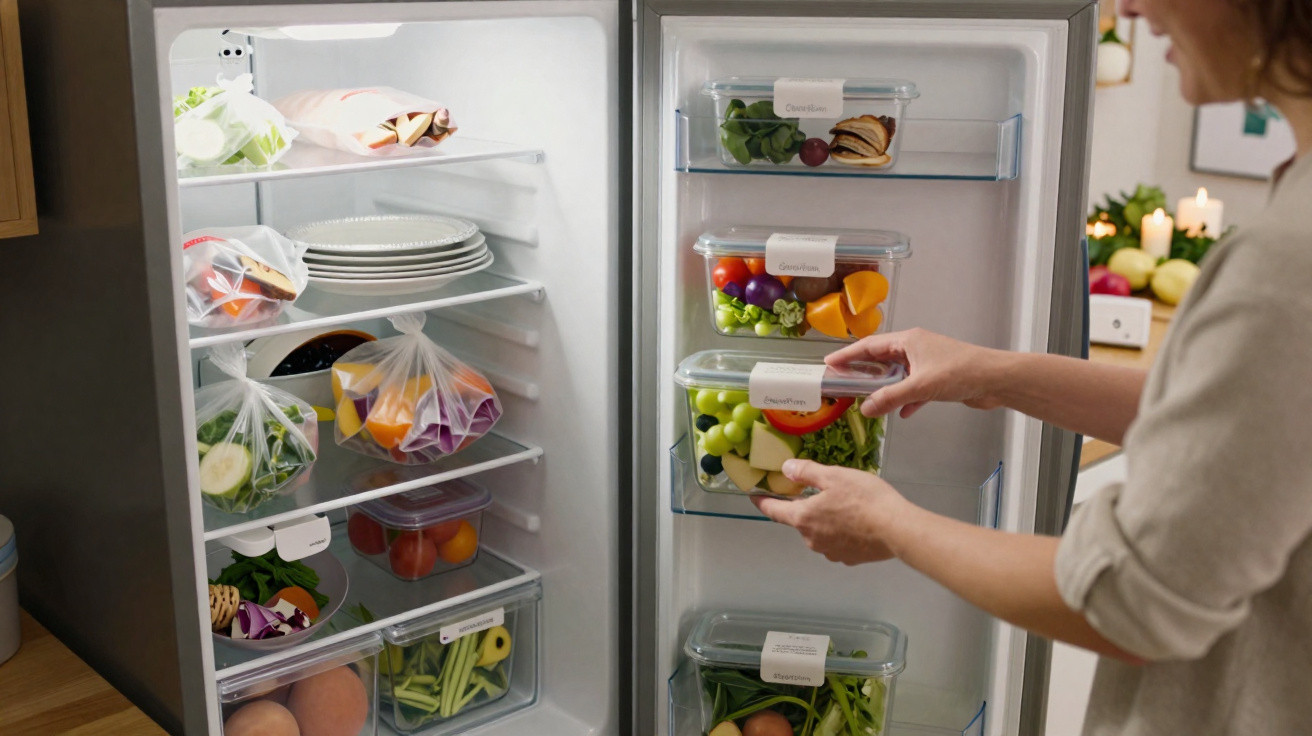
These plates can also be prepared quickly: leftovers from the night before, frozen vegetables, cooked pulses from a jar, or bread-based meals with raw vegetables all save time while still providing more texture, fibre and enjoyment than a standard shake.
Why enjoyment and eating rituals should not be underestimated
Nutrition is never simply a matter of counting calories. A plate of pasta with friends, a shared office lunch or vegetable sticks during an evening watching a series all serve a social purpose. Regularly replacing meals with shakes means giving up part of that everyday comfort.
Routines such as laying the table, eating slowly and chewing consciously can help people interpret their hunger more accurately. Those who take these signals seriously generally find it easier to maintain a stable weight than people who constantly drink meals from a cup “on the go”.
Practical tips for anyone who wants to use shakes
Anyone who does not want to cut out shakes completely but would like to include them sensibly can follow a few rules of thumb:
- Replace no more than one meal a day with a shake – ideally only on particularly hectic days.
- Choose products with as little sugar as possible and a decent serving of protein.
- Pair the shake with something solid, such as an apple, a few nuts or raw vegetables, to add chewing stimulation and fibre.
- Throughout the rest of the day, drink plenty of water and unsweetened tea.
- Check regularly: do I feel well, fit and stable over time – or repeatedly tired and hungry?
Anyone aiming to lose weight deliberately will often benefit more from a structured eating plan based on real foods and exercise than from powder-only solutions. Personal advice from qualified professionals can help here, rather than relying solely on marketing promises from the supermarket shelf.














Comments
No comments yet. Be the first to comment!
Leave a Comment