A new laboratory investigation by France’s 60 Millions de consommateurs clears away the uncertainty: five readily available oils genuinely deliver on their health claims.
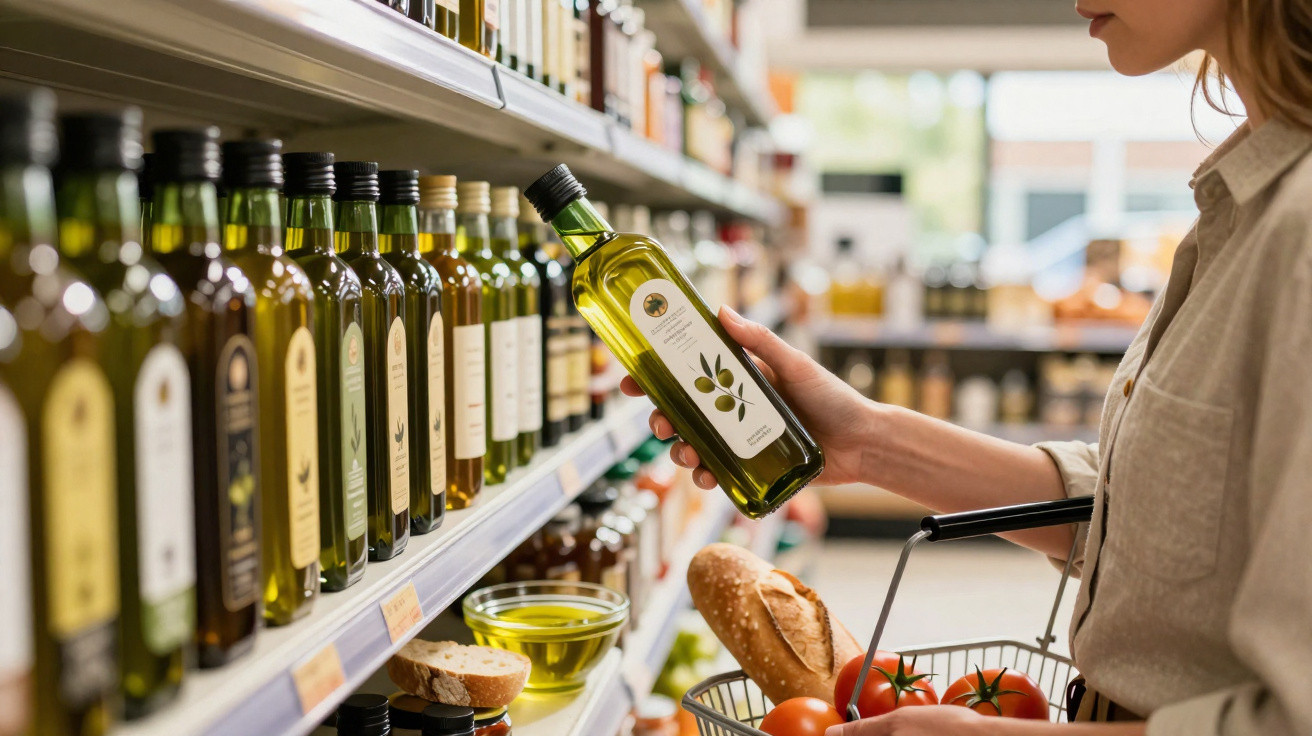
The olive oil aisle can feel as busy as a small airport. Colourful labels compete for attention, prices rise and fall, and, somewhere between Tuscan landscapes and Greek blues, you are trying to find an oil that benefits your heart as well as your pasta. Most of us have faced the moment when a bottle appears wholesome, yet you suspect you are making an educated guess. On one rainy Tuesday, I watched a couple weigh up “cold-pressed” against “first harvest”, their trolley rolling on as though it felt awkward. Then came a revealing detail: 60 Millions de consommateurs sent supermarket oils for laboratory testing and identified five that truly support their health positioning. It is a short list, but one with significant implications. Here is the surprise.
What 60 Millions de consommateurs found in the olive oil aisle
The magazine assessed supermarket extra-virgin olive oil bottles against demanding criteria: freshness, oxidation, potential fraud and the well-known EU-approved polyphenol claim. This is not empty promotional language; it is regulated. Olive oil polyphenols may help shield blood lipids against oxidative stress, but the oil must contain a sufficient quantity. Plenty of bottles make the right noises, but far fewer deliver. In its latest comparison, only five supermarket EVOOs demonstrated in laboratory tests that their health claim was justified.
Imagine a Tuesday food shop: one customer picks up a Spanish, early-harvest bottle in dark glass for less than £8, while another chooses a slimmer Italian bottle with gold foil at a higher price. At a later blind tasting, expectations are overturned: a peppery cough, green bitterness and a crisp grassy finish. That peppery sensation can often point to a robust polyphenol profile. Independent laboratory tests throughout Europe have repeatedly highlighted the same divide: some unassuming brands perform strongly for freshness and phenolics, whereas certain costly oils rely more on presentation than substance. It is fair to say that marketing enjoys a health halo.
Why did so few succeed? Polyphenol levels begin high in the fruit, then decline through time, warmth and exposure to light. The olive variety plays a part-Picual and Koroneiki often provide higher levels-but harvest timing matters even more, while storage is crucial. The EU threshold for the health claim concerns hydroxytyrosol and its derivatives at an amount supplied by a standard 20 g serving. Oils meeting that requirement were generally early-harvest products, packaged in dark glass and marked with clear dates. Those that fell short were often unclear about harvesting, transported and stored in warmth, then left to deteriorate beneath bright supermarket lighting.
How to choose an olive oil that genuinely benefits you
Try a three-step check in the aisle. First, find a harvest date rather than relying only on a “best before” date. The more recent the harvest, the better the likelihood of retaining polyphenols. Second, choose dark glass or a tin, and steer clear of dusty bottles displayed in direct light. Third, look for bite when tasting: gentle bitterness and a peppery catch at the back of the throat are positive clues to phenolic intensity. If the packaging also says “early harvest” or “cold extracted”, give it another mental point.
Treat storage as though it matters. Close the cap firmly, keep the bottle cool and protect it from light. Aim to use the oil within six months of opening, rather than leaving it for “sometime later”. Realistically, nobody manages that perfectly every day. Even so, use it on salads, over cooked vegetables, to finish soups and with grilled fish. It will disappear more quickly-and more enjoyably-if it is kept by the hob rather than hidden behind the vinegar bought in 2019.
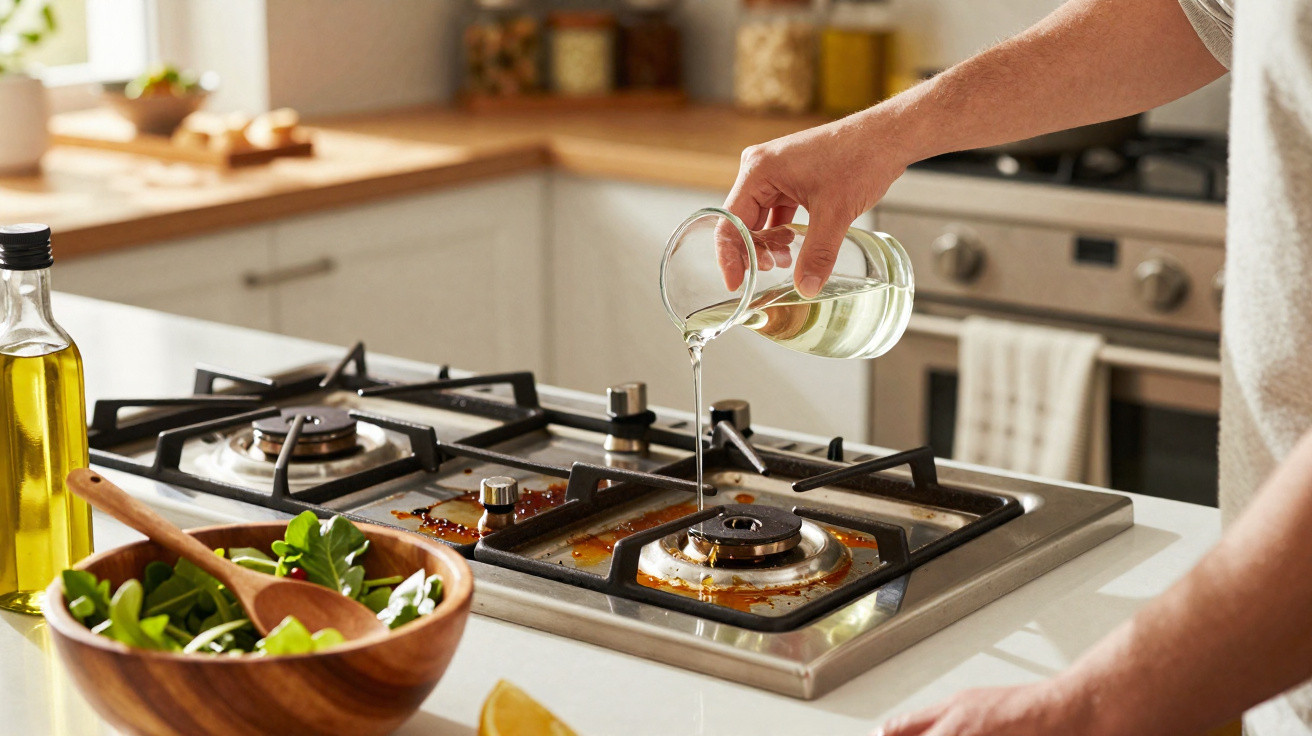
Mistakes are understandable. Do not select an oil simply because it says “extra-virgin”; that is the starting standard, not a prize. Nor should you avoid cooking with it: fresh EVOO works well for sautéing at moderate heat and retains more aroma than many people expect. Freshness is a better indicator of health value than price, nine times out of ten. If you cannot decide, choose a recently harvested, early-season oil in a modest-sized bottle that you can finish quickly.
“Taste is your quickest lab test-bitterness and a peppery finish are the everyday clues your oil still has the good stuff.”
- A harvest date is more useful than a “best before” date.
- Prefer dark glass or tins to clear bottles.
- Early harvest and single-variety oils frequently offer more phenolics.
- Keep it cool with the cap tightly closed, and finish it within six months of opening.
- Use it in dressings, for finishing dishes and for gentle cooking.
Beyond the shelf: why olive oil matters in your kitchen
The wider context matters. Polyphenols are not a passing trend; they contribute to the strong heart-health evidence associated with Mediterranean dietary patterns, and a drizzle of olive oil can offer more than flavour alone. The 60 Millions de consommateurs result-that five supermarket oils truly meet their health promises-suggests that the benefit is accessible, rather than reserved for specialist shops, high prices or complicated terminology. The gap between scientific evidence and your plate becomes small when you choose, store and use oil through simple, repeatable habits. Share a bottle you trust with a friend, try the peppery “cough test” over dinner and compare your impressions. Small rituals can become stronger routines, and those routines quietly serve their purpose.
| Key point | Detail | Why it matters to the reader |
|---|---|---|
| The polyphenol claim is genuine | EU-approved: blood-lipid protection where sufficient phenolics are provided per 20 g | Distinguishes useful science from vague marketing |
| Freshness over flash | Early harvest, a harvest date and dark glass matter more than elaborate labels | Helps you spend more wisely, without necessarily spending more |
| Storage and speed | Keep cool and dark, close the cap tightly, and finish within six months | Preserves flavour and benefits at home |










Comments
No comments yet. Be the first to comment!
Leave a Comment