The stockpile, on the other hand? It can often turn into a minor disaster.
We tested a method that turns frustration back into enjoyment. It needs very little equipment: just water, air and a little attention.
Why chestnuts spoil so quickly
Chestnuts are not dry nuts. They contain plenty of water, starch and sugar. That is what makes them sweet, but it also makes them vulnerable. They continue to breathe after harvesting. Without enough air, moisture builds up inside the bag, fungi get started and insect larvae become active. Warm temperatures speed up the whole process.
“A fresh chestnut is alive and breathing. Too warm, too tightly packed, too damp – and mould wins.”
Managing the first 48 hours determines how long they will last over the coming weeks. What you do immediately after gathering or buying them makes the difference.
The first check after gathering chestnuts
Do not leave chestnuts in a tightly sealed plastic bag, and do not store them in deep piles. Spread them out instead, then sort through them. Discard any nuts that are cracked, worm-eaten or unusually light straight away. It will save trouble later.
- Open the bag and tip the chestnuts onto a cloth or tray.
- Remove any with cracks, holes or soft patches.
- Keep only firm, heavy, undamaged chestnuts for further use.
“No piles and no plastic bags. Let air reach the chestnuts from day one.”
The 24-hour water treatment
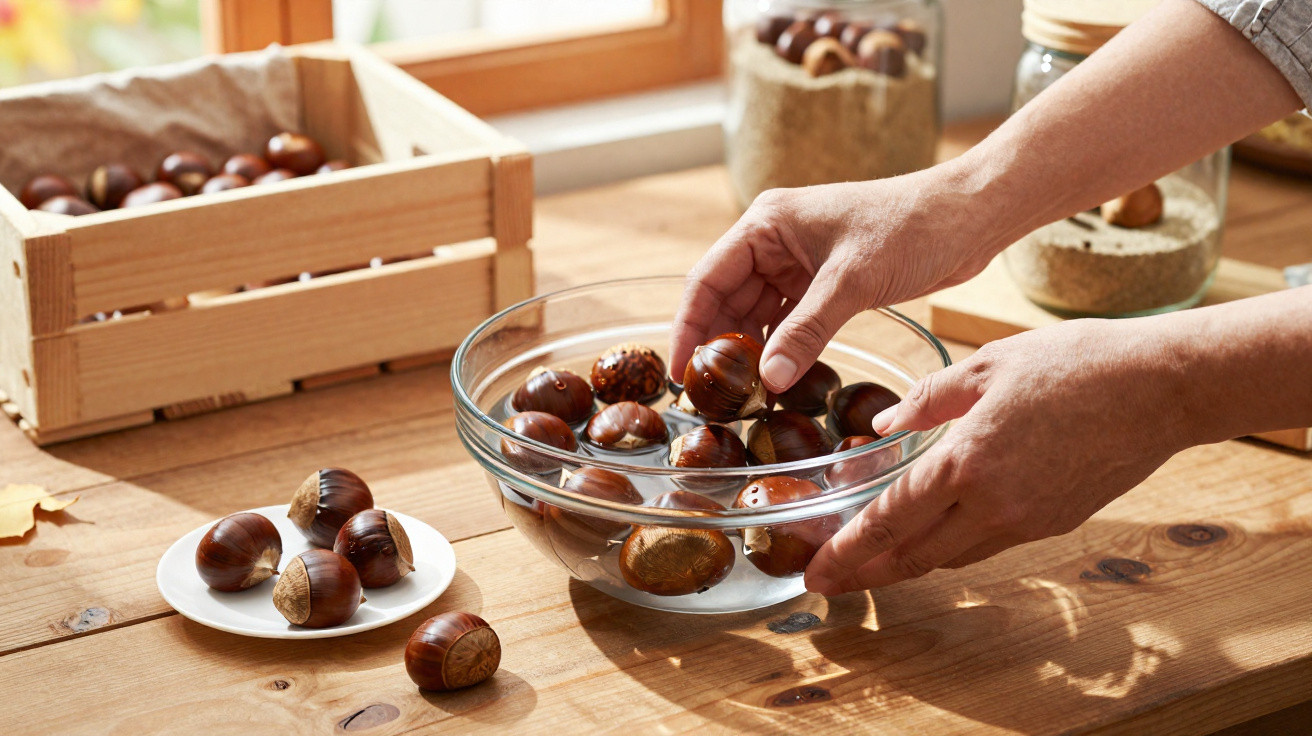
The simple, often overlooked game changer is a cold-water soak. Put the chestnuts into a large bowl, cover them with cold water and leave them for 24 hours. Anything that floats is usually hollow, insect-damaged or already spoiled.
The sound chestnuts will stay at the bottom. The soak rinses off dirt, flushes out larvae and slows microbial activity. Once soaked, drain them and dry them thoroughly on a clean cloth. Chestnuts that are still dripping wet are more likely to go mouldy later.
“Rule of thumb: what floats gets thrown out. What sinks has a chance of delivering weeks of flavour.”
| Step | Time | What to look for |
|---|---|---|
| Initial sorting | 10–15 min./kg | Remove holes, cracks and soft patches |
| Water soak | 24 hrs | Use cold water and discard floating chestnuts |
| Drying | 2–6 hrs | Drain well and ensure the surface is completely dry |
| Storage | Weeks | Keep cool and airy, in thin layers, and check regularly |
Storing chestnuts correctly: cool, airy and in thin layers
Once dry, chestnuts need to be kept somewhere between 0 and 5 °C. A cool larder, cellar, unheated garage or the vegetable drawer of the fridge can all work. Good air circulation is essential.
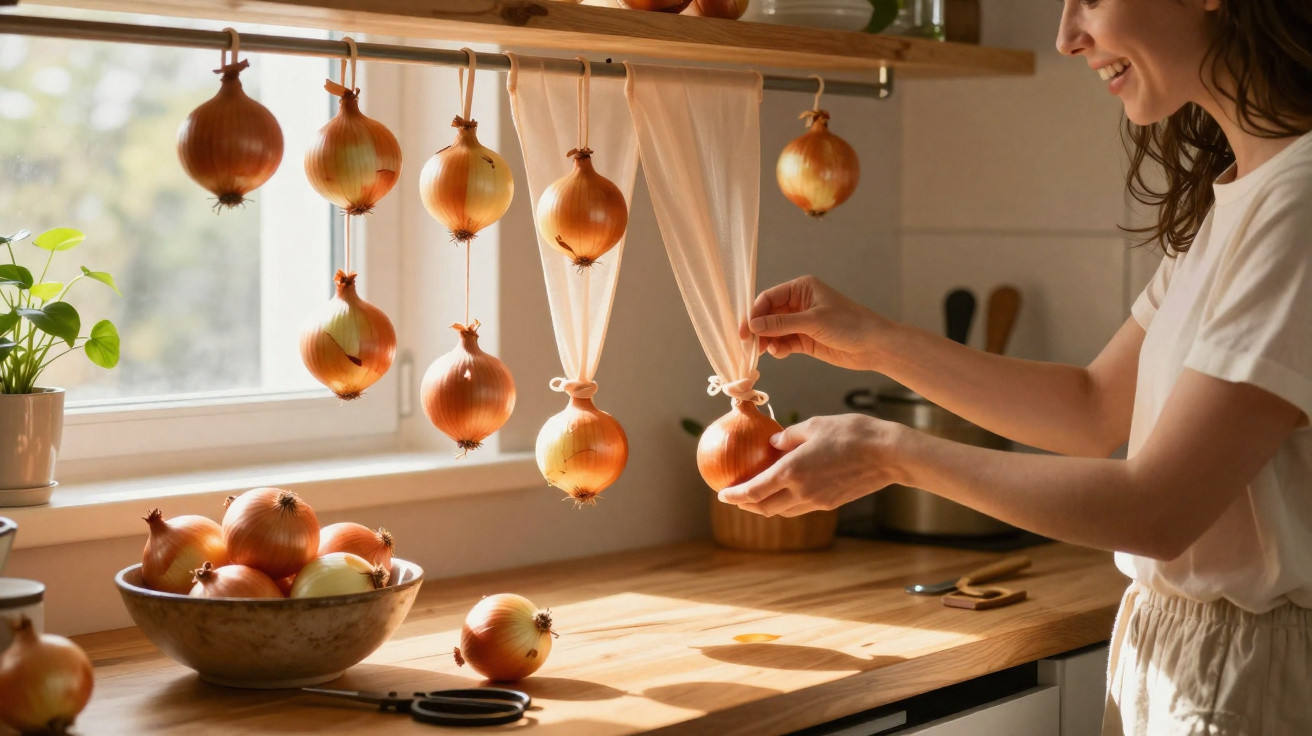
- Hang them in hessian or linen bags.
- Alternatively, spread them in a single layer in shallow, perforated crates.
- Avoid deep piles and closed containers.
Check them once a week. Remove any that smell suspicious, show marks or feel soft. This keeps the remaining chestnuts in good condition.
“0–5 °C, thin layers, regular checks: that is the shelf-life trio for an autumn store.”
Common mistakes – quick fixes
- Leaving plastic bags somewhere warm → unpack and spread the chestnuts out immediately.
- Storing wet chestnuts straight away → allow them to dry completely first.
- Checking too infrequently → a weekly inspection prevents a chain reaction.
Alternatives for longer-lasting chestnuts
Anyone wanting more flexibility can combine different methods. That way, the supply can last well into winter.
Freezing chestnuts
Cut a cross into each chestnut. Place them raw in freezer bags and freeze them. Later, they can go straight from the freezer into the oven or frying pan. Alternatively, blanch them briefly, peel them and freeze them in “ready to cook” portions – ideal for soups and fillings.
Storing chestnuts in sand
Fill a shallow crate with clean, slightly damp sand. Arrange the chestnuts in one layer, cover them with sand, then alternate further layers. Keep the crate somewhere cool and dark. The sand buffers moisture, stops the chestnuts drying out and means they barely touch one another.
Preserving chestnuts in jars
Briefly pre-cook peeled chestnuts, fill sterilised jars and cover them with hot water or syrup before processing them. The result is ready to use in purées, sauces or desserts.
| Method | Shelf life | Benefit | Watch out for |
|---|---|---|---|
| Cool, airy storage | 3–6 weeks | Hardly any effort | Weekly checks are needed |
| Freezing | 6–12 months | Ready to roast whenever needed | Score first to minimise the risk of bursting |
| Sand crate | 4–8 weeks | Less drying out | Suitable only for a cool location |
| Bottling | 6–9 months | Ready for cooking immediately | Careful hygiene is essential |
How chestnuts taste best, depending on the method
Freshly stored chestnuts are excellent roasted in a frying pan or oven. Frozen chestnuts can also be roasted, but they work particularly well in slow-cooked dishes. Pre-cooked and bottled chestnuts suit game, mushrooms and cabbage, or can be made into a sweet purée with vanilla and cream.
- Savoury: toss with Brussels sprouts, bacon and thyme.
- Creamy: make chestnut soup with apple and celery.
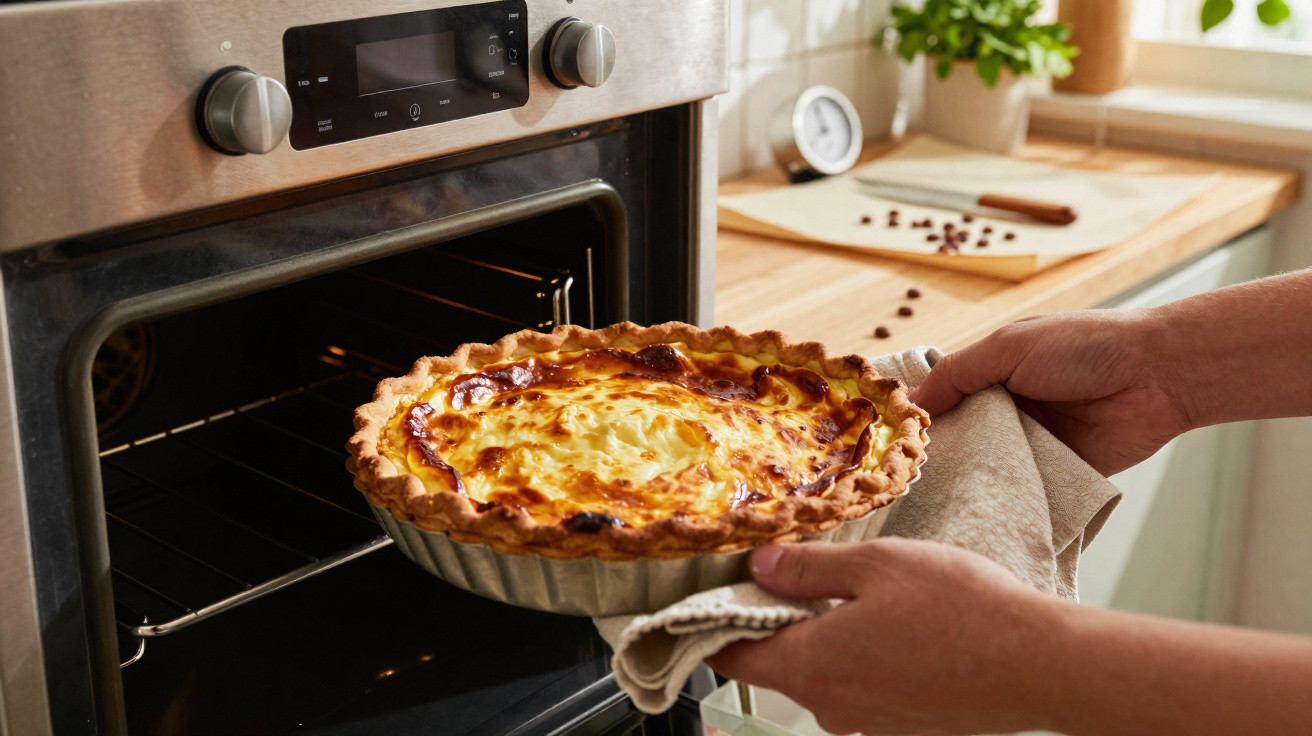
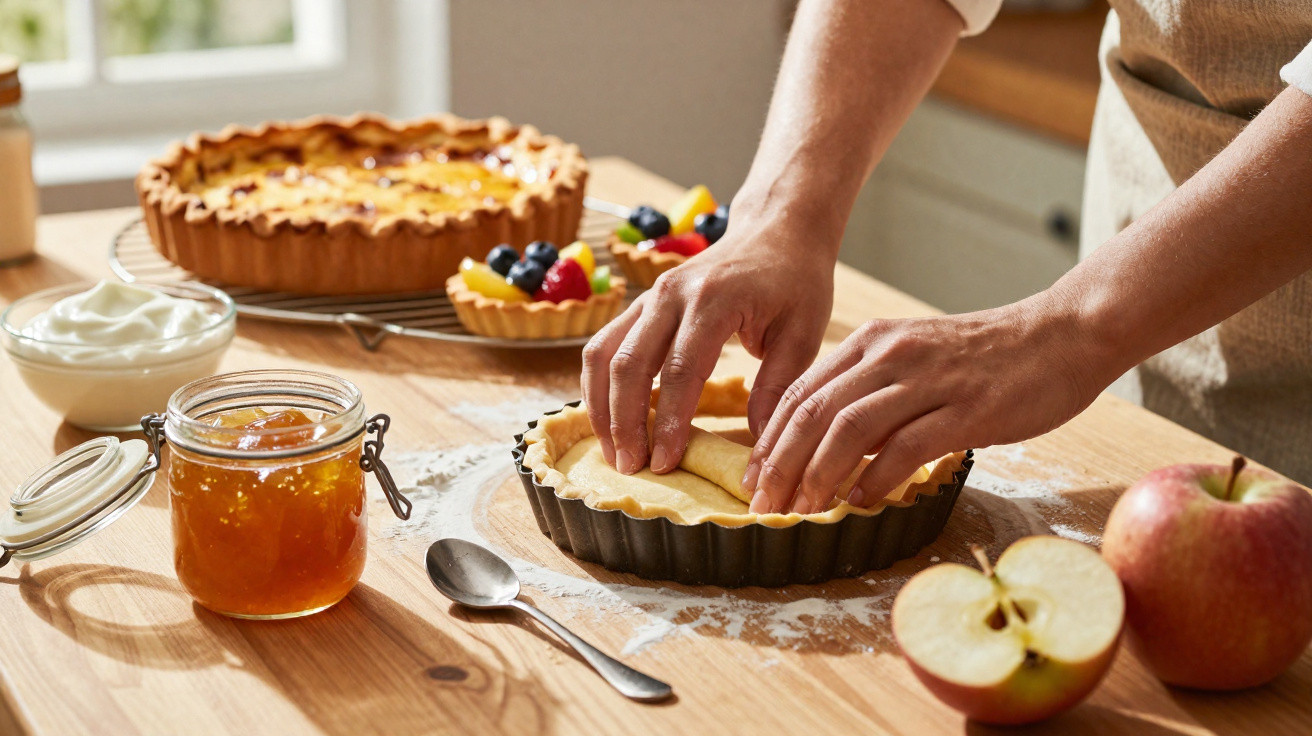
- Sweet: serve chestnut purée on shortcrust pastry with chocolate.
Frequently asked practical questions
Fungus or maggots – how can you tell?
Maggot damage often has a nutty, sour smell, while the shell may show small, round holes. Fungal growth leaves grey to green patches and a musty odour. If in doubt, cut the chestnut open. Throw away anything uncertain.
How often should chestnuts be checked?
Inspect them every two to three days for the first ten days. After that, once a week is enough. Remove a rotten chestnut promptly or it will affect those around it.
Safety and legal points when gathering chestnuts
Do not confuse edible sweet chestnuts (Castanea sativa) with horse chestnuts. Sweet chestnuts usually occur in groups of two or three within very spiny husks. Horse chestnuts sit individually in less prickly cases and are inedible.
In many German federal states, the so-called Handstraußregel applies. Small quantities for personal use are permitted, although nature reserves and plantations are protected. Look out for signs at the location.
A small planning guide for your chestnut supply
Allow 250–300 grams of unpeeled chestnuts per person for each oven-roasted portion. For four cosy evenings with two people each, you will need around 2–2.5 kg. If you also plan to make soup or fillings, freeze peeled chestnuts in 500-gram packs. This keeps the kitchen flexible.
Extra tip for less food waste
Chestnuts that are slightly shrivelled but still firm are perfect for purée or soup. Very dried-out specimens can be soaked in milk or plant-based milk for 1–2 hours, then made into creamy dishes. Dispose of visibly mouldy chestnuts without hesitation.
“The mix is what matters: some fresh, some frozen, some in jars. That keeps the taste of autumn in the house for longer.”









Comments
No comments yet. Be the first to comment!
Leave a Comment