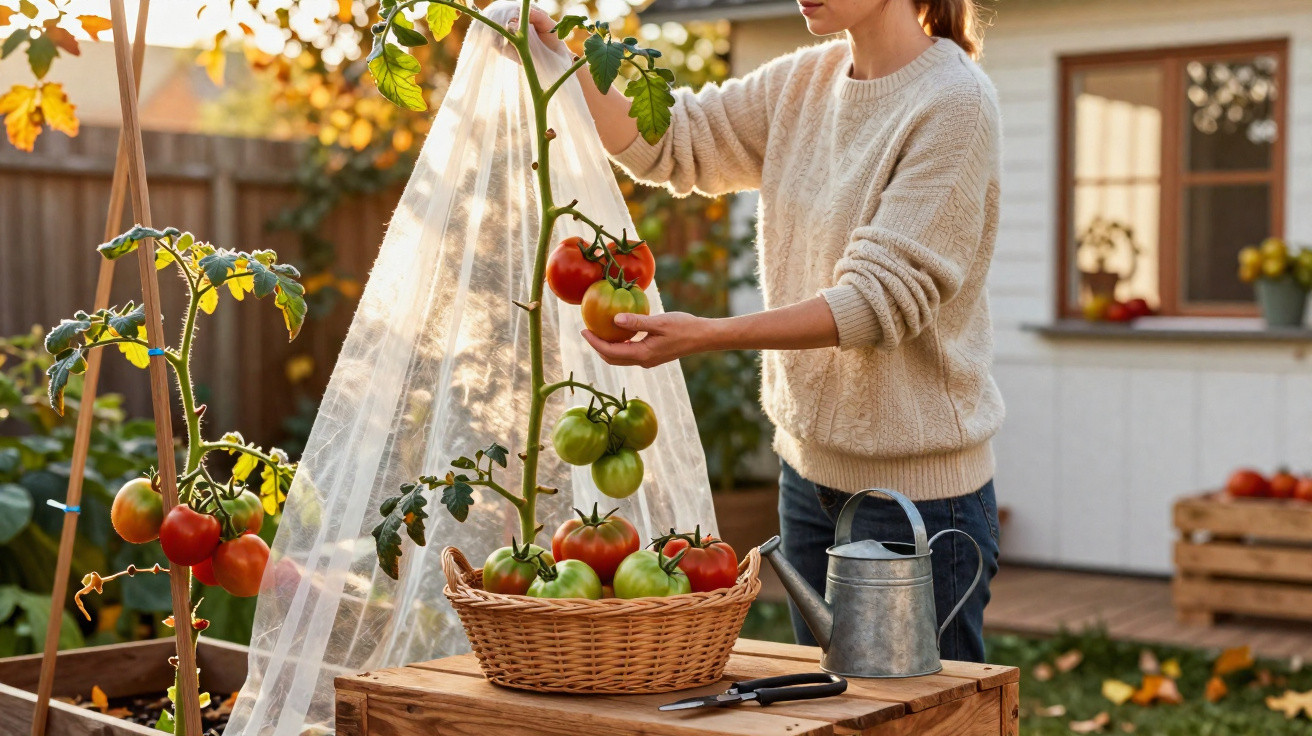
Tomatoes do not have to be finished yet. Act smartly now and you can save both your harvest and plenty of ideas for using it.
Many gardeners pull out the canes as soon as the dew turns cold. That is a shame: a few well-chosen jobs can still bring colour and flavour, as well as useful material for the beds. Here is how amateur gardeners can get more from late autumn without much effort.
What cool nights really mean for tomatoes
Tomatoes slow down when night-time temperatures approach 12 °C. Below 8 °C, they become stressed, while around 5 °C tissue damage is a risk. Between these points lies a useful window in which the plant’s energy can be redirected. House walls, sheltered courtyards and polytunnels create small microclimates, often extending this period by two to three weeks.
“Between 12 °C and 8 °C, active management pays off: redirect energy, regulate water and put protection in place.”
Check the local forecast: if two nights are expected to sit just above 0 °C, the approach is to harvest, protect and preserve – and waste nothing.
Speed up ripening with pruning and leaf care
Pinch out the growing tips
From the second half of September onwards, decisive pruning is worthwhile. Remove every late flower and tiny fruit. Cut the main stems around 10–15 cm above the final truss. This directs the plant’s strength into fruit that is already developing. Give heavy trusses extra support so they do not snap.
Remove leaves selectively
Leaves are the plant’s engine. Take away only diseased foliage, leaves touching the soil and leaves that shade the fruit. Keep healthy leaves because they produce the sugars that create flavour. Diseased plant material should go in the general waste, not on the compost heap.
Water and feed correctly
Do not stop watering suddenly. A light watering once a week, when the surface is dry, helps prevent splitting and reduces stress. Stop using nitrogen fertiliser; instead, give container-grown plants a one-off, potassium-rich boost, such as a tiny dose of potassium magnesium fertiliser. Potassium supports firmness and ripening.
- Common mistake: cutting back too heavily – the plant loses its momentum.
- Common mistake: waterlogged soil – cool, wet conditions encourage fungal disease.
- Common mistake: leaving late flowers in place – they will not mature.
“Fewer flowers, moderate watering and more sunshine on the fruit – this visibly speeds up ripening.”
Harvest green tomatoes and ripen them indoors
How to ripen tomatoes successfully indoors
Fully developed tomatoes picked while green produce ethylene, which accelerates ripening. Arrange them loosely in a box or paper bags with a ripe apple or banana. Store them in a shaded, well-ventilated place at 18–21 °C. Inspect them daily and remove any damaged fruit. Dark-green tomatoes ripen more reliably than very pale green ones.
| Method | Benefit | What to watch for |
|---|---|---|
| Paper bag + apple | Fast ethylene action | Ventilate daily and remove rotten fruit |
| Shallow box, single layer | Low mould risk | Keep out of sun and maintain an even temperature |
| On the truss with stem attached | Slightly better flavour | Do not allow the stem end to dry out |
When tomatoes stay green: cook them instead of wasting them
If the fruit remains hard and pale, it can still become an exciting ingredient. Classics include chutney, relish, sweet-and-sour preserved slices or a spicy ketchup. Green tomatoes contain the alkaloid tomatine, so eating large amounts raw is not a good idea. Cooking, pickling and fermenting reduce its content significantly.
“From green to green: as pickles, tomatoes add acidity, crunch and seasoning to winter dishes.”
Use tomato plants for longer: protect, overwinter and recycle
Frost protection until the final truss
A roof overhead can buy valuable days. Simple options include a plastic cover over the tomato shelter, a double layer of horticultural fleece on cold nights, or an upturned, cut-open PET bottle used as a mini greenhouse over individual trusses. Ventilate in the morning so condensation dries quickly. Rain from above must still be kept off the plants.
Overwintering in pots – sometimes worthwhile
In mild areas, it can be possible to overwinter tomatoes, particularly cherry and wild tomatoes in containers. There are two common approaches:
| Location | Conditions |
|---|---|
| Unheated greenhouse | Frost protection, water very sparingly and check for pests |
| Bright indoor space | 12–18 °C, free-draining growing medium, occasional organic feeding |
Plants are often weaker in their second year. This is better treated as an experiment or a way to take cuttings, rather than a route to record harvests.
Put plant leftovers to good use
Do not compost severely infected plants with tomato blight. Clean canes, strings and tools, for example with alcohol or hot water. Shred healthy remnants and use them as mulch in beds. Alternatively, work them into a shallow trench as a “layer”: this returns carbon and minerals to the soil. Kitchen scraps can quickly become nutrient-rich soil conditioner in a bokashi bucket, which is particularly useful during this transitional period.
Start planning the next season now
Once the plants are removed, the soil can breathe again. Loosen it with a digging fork rather than digging it over. Mature compost containing potassium and phosphorus supports the next crop rotation. A thin layer of wood ash can add potassium, but apply it sparingly. Green manures such as phacelia, clover or winter rye protect against nutrient leaching and nourish soil life.
- Plan a change of position: do not grow tomatoes in the same place again for at least 3–4 years.
- Make a note of early, robust varieties, such as bush tomatoes for short summers.
- Allow generous spacing to reduce disease pressure.
- For 2026: make rain protection and splash protection a firm part of the plan.
“Keeping foliage drier is the best insurance against tomato blight – think about a roof, spacing and airflow while planning.”
Useful additional information for autumn
Estimate ripening time roughly
A straightforward rule of thumb helps with timing: tomatoes at the “half-green” stage need around 10–14 days indoors at 18–20 °C to turn red. At 12–15 °C, expect 2–3 weeks instead. Fully dark-green fruit often still makes it, whereas very pale-green fruit generally does not. Label boxes with the date to avoid losses.
Take regional frost limits into account
The first ground frost arrives later on average in the Upper Rhine Plain than at higher elevations in the Eifel or Ore Mountains. City gardeners benefit from the urban heat-island effect. Fleece combined with a roof often shifts the critical threshold upwards by several degrees. That is frequently enough to ripen the final flush of fruit.
Related autumn activities
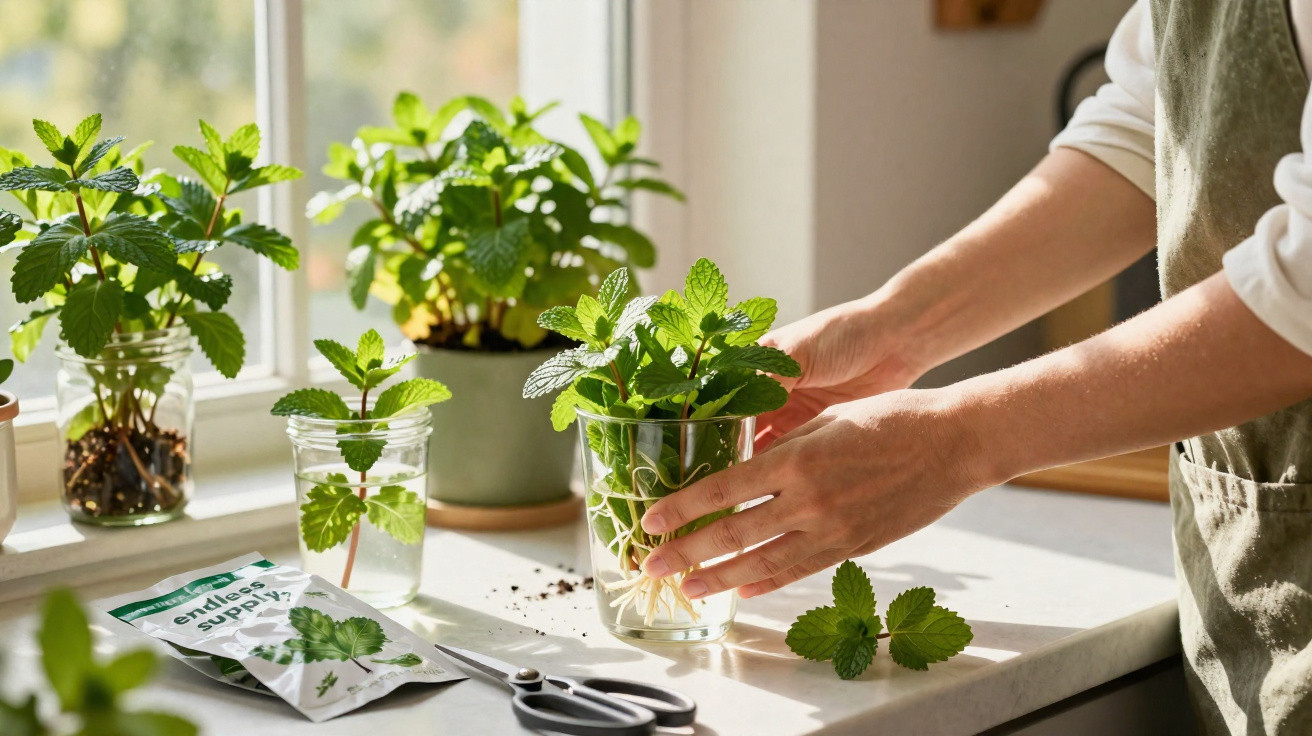
Now is also a good time to take cuttings: cut 10–15 cm lengths of non-woody shoots, strip the lower leaves and root them in a glass of water. They will become compact young plants for spring. It is also worth saving seed from favourite varieties, but only from healthy, true-to-type plants. Fermentation cleans the seeds and improves their germination.
Anyone wanting to reduce their risk should make a double plan for next year: early container-grown tomatoes on the balcony alongside traditional cane-grown plants in the bed. This cushions weather extremes and leaves enough room for late harvesting windows – without giving up in September.














Comments
No comments yet. Be the first to comment!
Leave a Comment