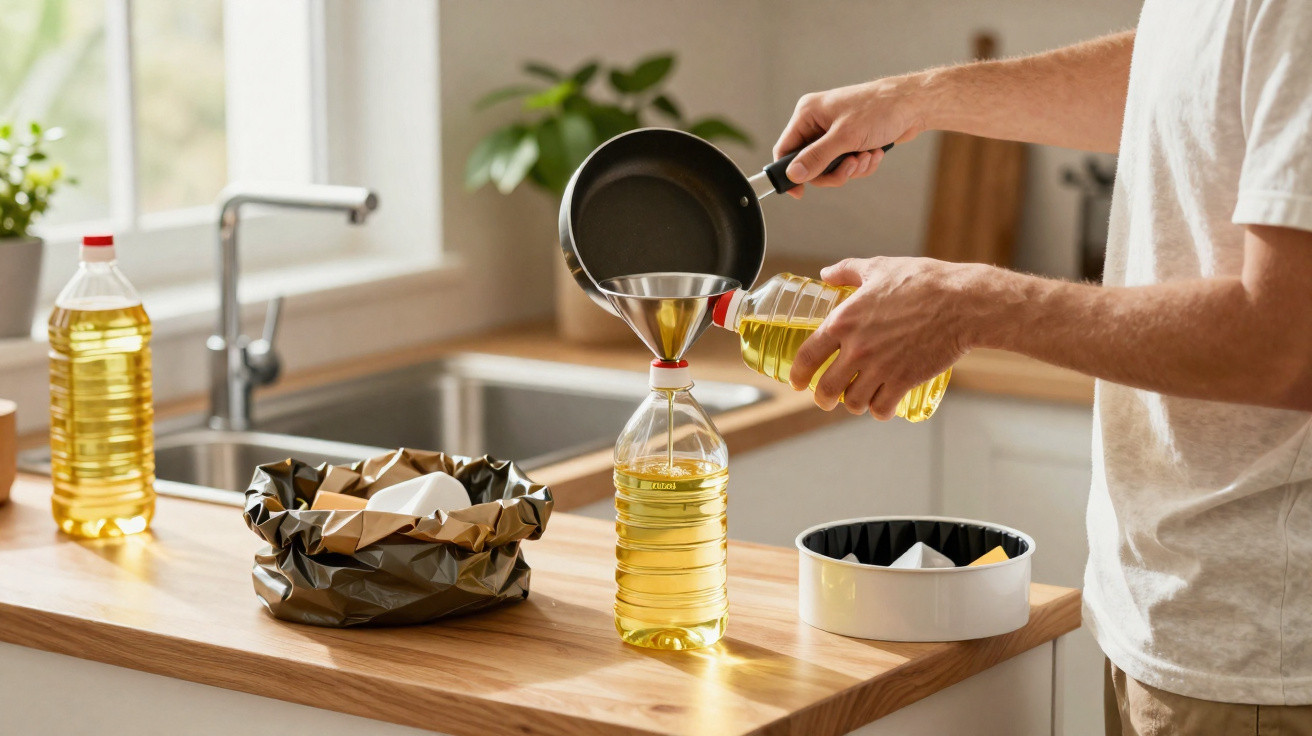
Many people pour used frying and deep-frying oil into the wrong bin – a binman explains what can go in the bin and what definitely cannot.
After cooking, many kitchens are left with pans and pots coated in grease and oil residue. Where should it go when the pan is full, the kitchen bin already smells and the washing-up is waiting? A British refuse collector, known as the “Binman” on social media, clears up a widespread misconception. He explains how to dispose of used cooking oil cleanly, safely and in line with local rules – and why the food waste bin is, of all places, the wrong choice.
Why cooking oil in the drain can become an expensive problem
Although it may seem convenient, the drain is the worst possible place for used oil. It appears harmless while liquid, but that soon changes inside the pipes.
- Fats and oils cool down and solidify in the pipework.
- They combine with food scraps and limescale.
- This creates stubborn blockages that clog the pipes.
- In the worst cases, this can lead to sewage backing up, flooding and costly emergency call-outs.
Many towns and cities now report genuine mountains of fat in their sewer networks. Everyone ultimately pays for the clean-up through charges. Pouring oil down the sink therefore harms not only your own pipes, but also increases local authority costs.
“Cooking oil belongs neither in the drain nor straight down the toilet – otherwise blocked pipes and hefty repair bills may follow.”
Food waste bin? Why the bin for kitchen scraps is unsuitable too
People who separate their household waste carefully often turn to the food waste bin: leftovers, coffee grounds and vegetable peelings all go there, so used deep-frying oil may initially seem appropriate. This is precisely the assumption the binman challenges in his video.
The reason is that many municipal composting facilities are not designed to process larger quantities of pure oil or fat. Its high fat content disrupts the composting process, can worsen odours and puts pressure on equipment. Waste operators sometimes have to remove the oily residues by hand.
The “Binman” therefore makes a clear recommendation: ordinary amounts of household cooking oil do not belong in the container for organic kitchen waste, but in the general rubbish bin – provided they are typical quantities from a private household.
The binman’s advice: general rubbish, but packaged correctly
Simply pouring everything into the general rubbish is not a good solution either. Loose oil can split refuse sacks and create a greasy mess inside the collection vehicle. This is where the professional’s most important tip comes in.
“First pour used cooking oil into a non-recyclable container, seal it, and only then put it in the general rubbish.”
Suitable containers for used oil
The following options work well, for example:
- empty drinks cartons, such as Tetra Paks, with screw caps
- old glass jars with lids that are being thrown away anyway
- damaged plastic containers or bottles that can no longer be recycled
- empty food tins, sealed tightly with a lid or aluminium foil
The container must close securely so that nothing leaks during transport. Only pour the oil in once it has cooled completely, as hot fat can warp thin plastic.
When general rubbish is no longer enough
Where only a little frying fat is left in the pan each day, the binman’s solution is straightforward: let it cool, pour it into a container, seal it and place it in the general rubbish. Larger volumes are different.
The refuse collector draws a clear distinction: anyone producing several litres of leftover oil regularly, almost as if running a takeaway kitchen, should not simply fill their general rubbish bin with it. Many local authorities provide dedicated collection points or services for these situations.
Possible places to use in German-speaking countries include:
- municipal recycling centres or waste recycling sites
- hazardous or problem-waste collection points
- dedicated oil collection containers, where available
- waste companies that collect cooking oil, particularly from food-service businesses
If you are unsure, a quick call to the local waste operator or council can help. Many councils give specific advice on handling cooking oil in their waste calendars or information leaflets.
Getting more from used oil: simple reuse ideas
Before oil goes into the bin, some of it can be put to good use if it is still relatively clean. Waste-prevention specialists suggest several practical options.
Protecting garden timber
Lightly used vegetable oil can be used to care for outdoor timber, including:
- wooden sheds
- fence panels
- raised beds made from wood
- plant supports and posts
The oil soaks into the wood, making it slightly more resistant to moisture and providing gentle care without harsh chemicals. Unlike old tar-based coatings, it generally does not stain heavily and is usually harmless to plants and animals – as long as it is vegetable oil without additives.
Bird food made from frying fat
Fat from fried bacon or chicken can be used to make homemade bird food. Mix the still-liquid but cooled fat with seed mixes, nuts and oats, pour it into a mould and allow it to set. It can then be hung in a net or from a string. This creates a simple fat block for wild birds in the garden or on a balcony.
Important: offer this food only during the cooler months, as it turns rancid quickly in summer. Seasoned, heavily salted or strongly browned leftovers are unsuitable, as they can harm animals.
How to avoid bottles of leftover fat in the kitchen
Avoidance is better than even the most clever disposal method. Cooking thoughtfully creates far less problematic waste. A few simple habits can help:
- Brush pans with only a thin coating of oil rather than pouring it in.
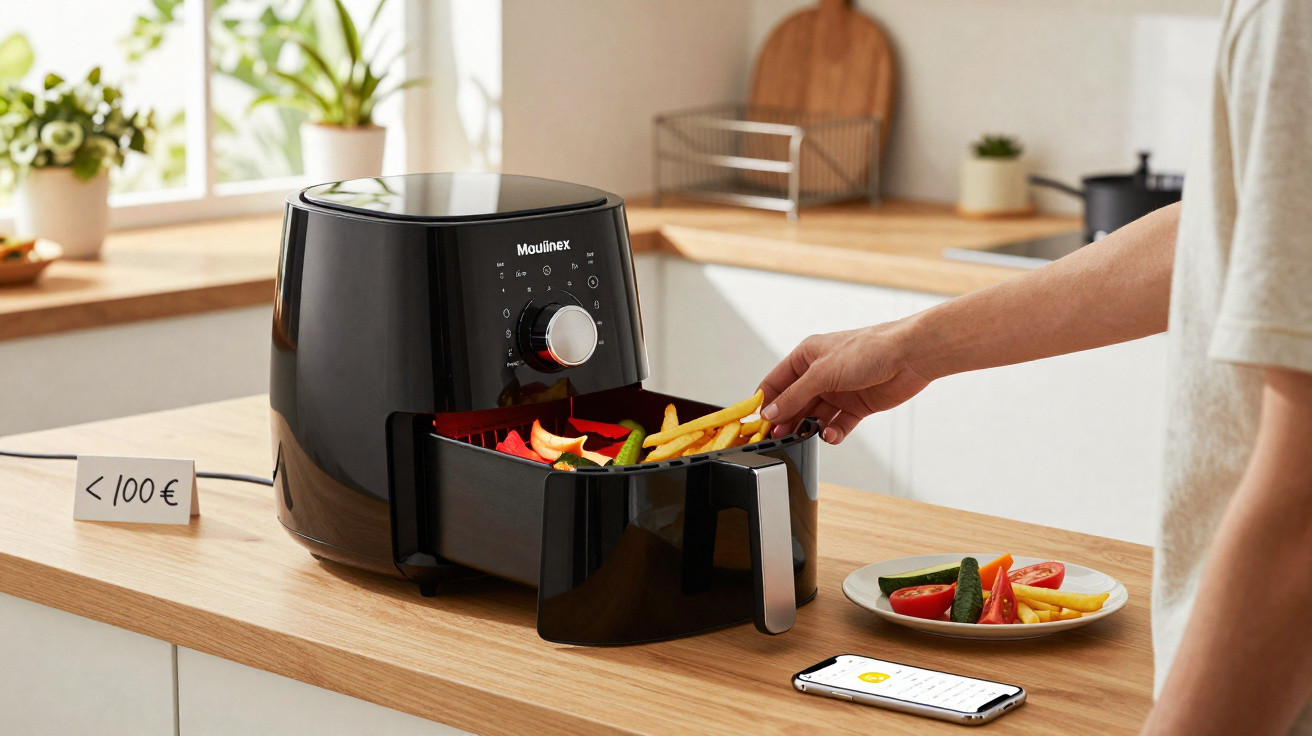
- Use air fryers, which require considerably less oil than traditional deep fryers.
- Filter oil through a sieve and reuse it several times, as long as it is not burnt or dirty.
- Wipe small quantities of oil from the pan with kitchen roll and dispose of it in the general rubbish.
The choice of cookware also matters: modern pans with a good non-stick coating often need only a few drops of oil. That benefits your budget, health and rubbish bin at the same time.
What many people do not realise: the environmental effects of incorrectly disposed cooking oil
Cooking oil may seem harmless, but it can damage the environment. If it reaches rivers or lakes, it forms a film across the water’s surface. This layer restricts oxygen exchange, placing plants and aquatic animals under stress. In sewers, fatty deposits also provide a breeding ground for bacteria and attract pests.
Even small amounts from numerous households add up. That is why more and more councils are running awareness campaigns and placing guidance on refuse vehicles and bins. Following a few simple rules helps reduce the strain on pipes, waterways and wastewater treatment works.
Ultimately, it comes down to three points: never pour oil down the drain; put ordinary household quantities in the general rubbish only when securely packaged; and use official collection routes for larger volumes. With a little planning, much of the issue can be avoided while cooking – and the next litre of deep-frying oil will end up where it belongs.





Comments
No comments yet. Be the first to comment!
Leave a Comment