I was in my cramped kitchen on a Tuesday evening, flicking through delivery apps. I was not especially hungry, just unsettled. Every image seemed appealing and uninspiring all at once: burgers, sushi, pad thai, the same salad I always felt I “should” choose. My thumb paused above the screen while my mind hummed, oddly blank.
Then a video showed someone dropping garlic into a sizzling pan, and my attention snapped into place. I shut the apps, opened the fridge and began taking things out, with no real plan beyond this: I wanted food that would quiet the racket in my head.
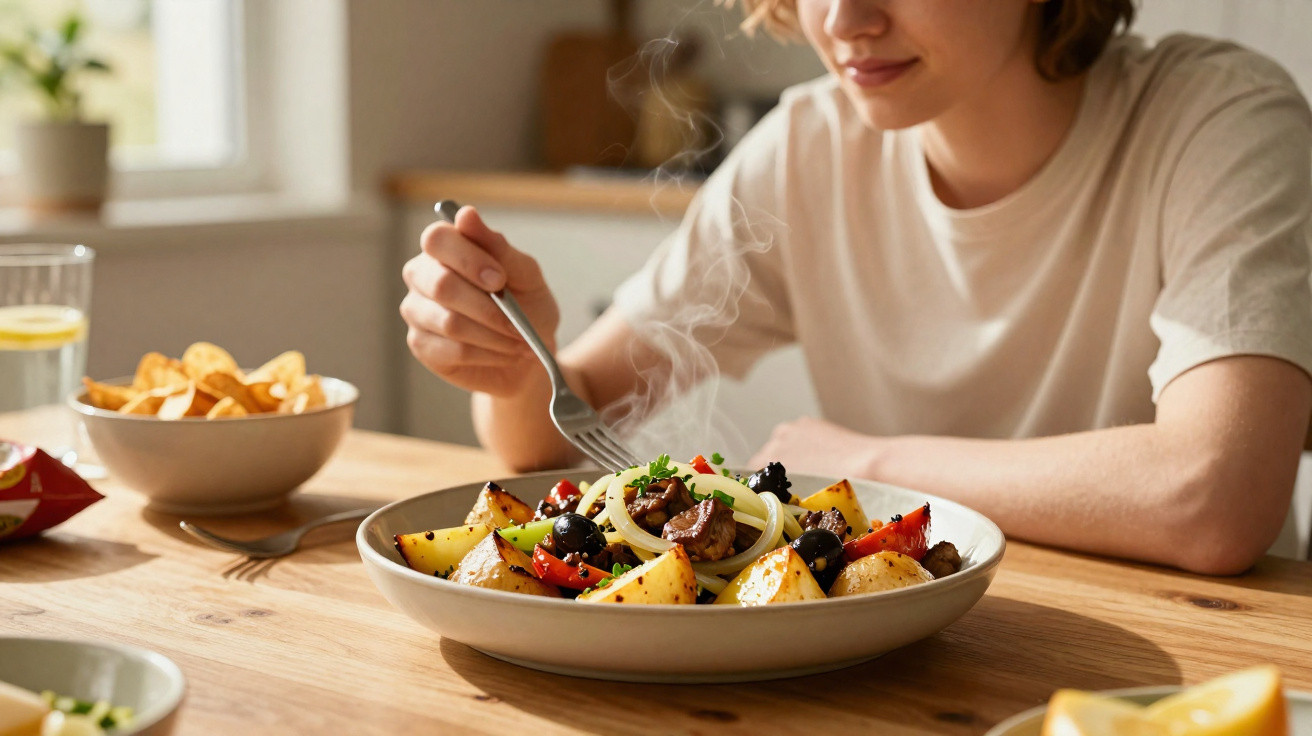
Twenty minutes later, I was sitting with a single deep bowl of hot food. I had one mouthful, then another, and a calm, almost startling thought arrived.
I did not want anything else.
The night one dish finally hit every craving at once
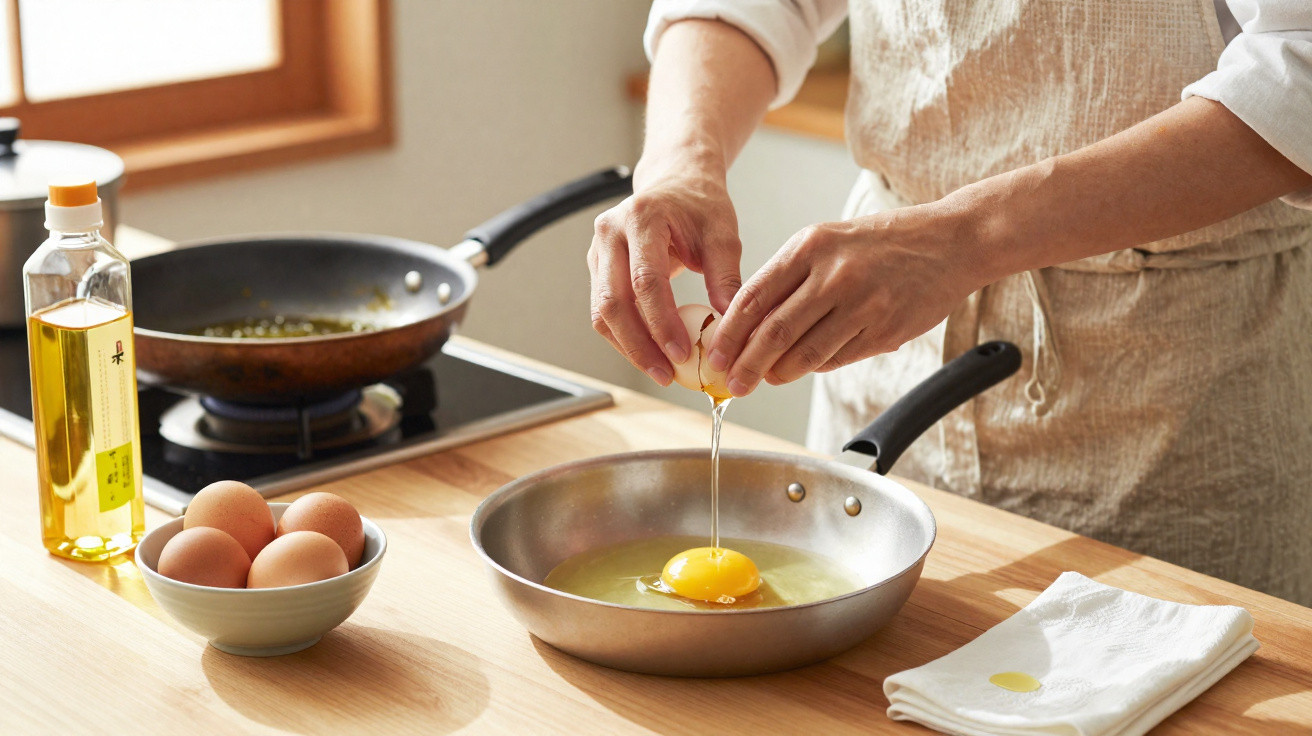
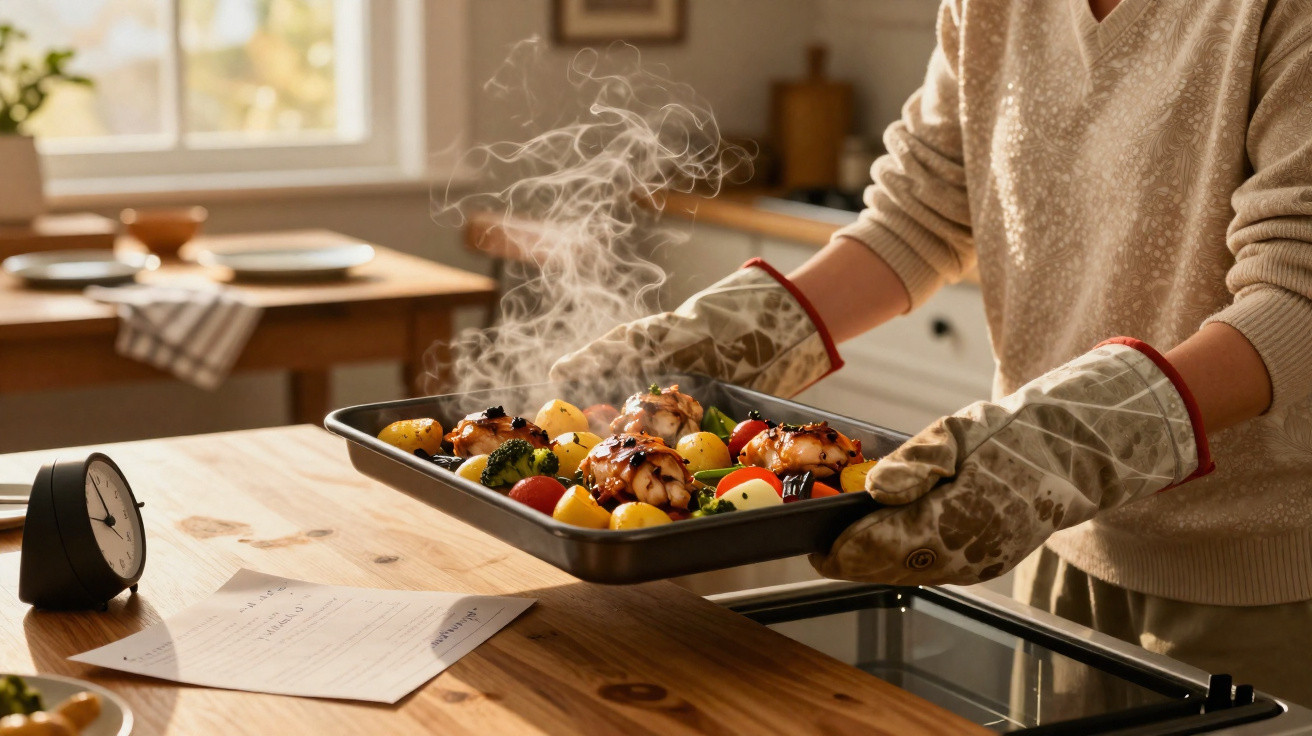
There was nothing fashionable about the meal: an oversized, unfussy panful of garlicky roasted vegetables, crisp chickpeas and a fried egg with a runny yolk, heaped over lemony yoghurt. It was the sort of dinner you make when you are convinced there is “nothing” in the house. It smelled like an actual kitchen rather than an algorithm’s version of supper.
Wearing sweatpants at the table, with my phone screen at last switched off, I ate at an unhurried pace. There was no video playing in the background and no sneaky look at dessert menus. Just the hot crunch of chickpeas, tender courgette and the sharp freshness of lemony yoghurt. Something in me seemed to breathe out.
When the bowl was empty, I noticed I was not thinking about crisps, ice cream or the chocolate tucked behind the flour.
More than the flavours, the feeling of “enough” was what struck me. Normally, I pick my way through a meal while already considering the next snack. That familiar urge simply… never appeared that evening. I moved my chair back and registered its absence as though a notification had failed to arrive.
It was not a matter of willpower or another food rule. It felt tangible and physical, as if my body had finally received something it had been requesting in a language I had never tried to understand. We all know the feeling when the final bite only creates more desire. This time, the desire remained asleep.
As I rinsed my plate, I realised I was not bargaining with myself. There was no “maybe just a square of chocolate” and no “you’ve been good, you earned it”.
At its most basic, the dish was hardly groundbreaking. Olive oil and egg yolk supplied fat. The chickpeas and egg provided protein. The vegetables brought fibre. Lemon and yoghurt added acidity. There was salt, crunch, creaminess and warmth. Every element was quietly in place.
Our brains are programmed to seek balance rather than endless variety. When one plate delivers protein, fat, texture and satisfying flavour together, a primitive part of us settles down. Nothing feels absent, so it stops sending the “go find more” message. Your body isn’t asking for dessert because it’s greedy; it’s usually asking because something is still incomplete.
For once, that dinner gave a complete answer.
How to build a “one-and-done” dish that silences the snack voice
For the feeling that says “I ate and the cravings shut up”, begin with a structure rather than a recipe. Treat the plate as you would a playlist: it needs bass, melody and a hook. In food terms, that is protein, fibre and fat, plus a bright element to lift everything.
Choose a substantial protein, such as chickpeas, eggs, chicken, tofu or lentils. Add a filling plant-based ingredient that gives the plate visible bulk: roasted vegetables, leafy greens or grains. Then include a generous fat that brings everything together, such as olive oil, tahini, avocado or a little cheese.
Finish with acidity and crunch. Squeeze over lemon, add a spoonful of yoghurt, scatter toasted seeds or make croutons from stale bread. That is the point when “just food” begins to taste like the thing you were quietly craving without realising it.
Many of us do not appreciate quite how important texture is. We might eat a large, soft, comforting bowl of pasta, then open snacks an hour later-not from hunger, but because our mouths are still bored. One crisp component can turn “pretty good” into “wow, I’m done”.
The other pitfall is making food too light in an effort to be “good”. You remove the oil, leave out the sauce, avoid the carbohydrates, then find yourself roaming the kitchen at 10 p.m. That is not poor discipline; it is biology making a restrained objection. Honestly, no one truly manages this every single day.
Do your future self a favour by making a plate that reflects how you genuinely eat, rather than how you imagine eating on the most disciplined Monday of the year.
Sometimes the most satisfying dish isn’t the prettiest one, it’s the one that finally listens to what your body has been trying to say all week.
- Ground the plate with proper protein
Chickpeas, eggs, fish, tofu, beans or meat offer lasting substance and soothe those vague “I need something” feelings. - Include fat you can taste, not merely read on a label
Olive oil, peanut sauce, tahini, cheese or avocado signal to your brain that the meal is substantial enough to count. - Fill the plate with plants and texture
Roasted vegetables, crunchy toppings, herbs and a sharp squeeze of citrus transform “just dinner” into a proper, craving-ending occasion.
When one dish is enough, everything around it changes
After experiencing a meal that genuinely turns down the noise of cravings, the pattern becomes difficult to ignore. You begin to spot the lunches that leave you automatically opening the cupboard, the “healthy” snacks that never quite satisfy, and the breakfasts that fill not only your stomach but your mind as well.
You might care less about policing portions and more about how a meal is put together. The focus shifts away from “good” and “bad” foods towards asking, “Does this bowl have protein, fat, fiber, crunch, and brightness?” That straightforward check can quietly replace many tangled food rules.
On some evenings, you will still fancy dessert, and that is completely fine. Other meals will be improvised and unsatisfying. Life is untidy, and eating is too. Yet every now and then, you will assemble a strangely perfect bowl, sit down to eat it and discover there is nothing left to negotiate.
And that small, peaceful sense of “enough” may be the most unexpected flavour of all.
| Key point | Detail | Value for the reader |
|---|---|---|
| Balanced “one-and-done” structure | Bring together protein, fat, fibre, acid and texture in one dish | Cuts post-meal cravings and late-night snacking |
| Texture and flavour matter | Include crunch, creaminess and brightness, rather than focusing only on calories | Helps meals feel more satisfying without strict restriction |
| Gentle, realistic approach | Fits normal routines and busy days instead of working against them | Makes consistency easier and reduces guilt around food |
FAQ:
- Question 1 What exactly was the dish that stopped your cravings?
- Answer 1 It was a large bowl of roasted vegetables (courgettes, carrots, onions), crispy chickpeas, a fried egg, lemony yoghurt and a drizzle of olive oil. It was very simple, yet it delivered protein, fat, fibre, salt, acid and crunch all together.
- Question 2 Do I need to follow a strict recipe to feel “satisfied” like that?
- Answer 2 No. Think in terms of a framework rather than a recipe. If you have a solid protein, some plants, visible fat and something bright and crunchy, you can improvise with what you have.
- Question 3 Is it normal to still want dessert after a “complete” meal?
- Answer 3 Yes. At times, the craving is emotional, social or simply habitual rather than physical hunger. A balanced meal will generally soften the intensity of a dessert craving, but it does not need to eliminate it.
- Question 4 What if I don’t like chickpeas or eggs?
- Answer 4 Use something you enjoy instead: grilled chicken, tofu, tempeh, beans, paneer or even leftover meat. Satisfaction comes from the combination, not one magical ingredient.
- Question 5 Can a sandwich or pasta dish ever feel this “complete”?
- Answer 5 Absolutely. Add protein to pasta, include vegetables, finish it with good olive oil and Parmesan, perhaps nuts or breadcrumbs for crunch, plus lemon or vinegar. A sandwich with protein, cheese or avocado, crunchy vegetables and a tangy sauce can work in exactly the same way.



Comments
No comments yet. Be the first to comment!
Leave a Comment