The organ in question is the liver: a chemical processing plant that cleans the blood, metabolises alcohol and medicines, and contributes to the digestion of every meal. Nutrition researchers increasingly highlight one frequently overlooked fruit, packed with potent plant compounds, that may help the liver eliminate toxins and support the regeneration of its cells.
The liver: a tireless filter that seldom complains
As the body’s largest internal organ, the liver weighs roughly 1.5 kg in adults and receives blood straight from the digestive system.
Each day, it helps to:
- Remove toxins and waste from the blood
- Process alcohol, medicines and environmental chemicals
- Make bile, which is needed to digest fats
- Produce numerous blood proteins and clotting factors
- Keep reserves of vitamins, minerals and sugar for future use
When the liver is under too much strain, tiredness, brain fog, digestive problems and metabolic difficulties may develop over time. Food choices have a major influence on how effectively this organ manages everyday pressures.
Supporting liver health does not require extreme “detox” cures – regular intake of the right foods matters far more.
Fruits that support the liver: some offer more than others
Fruit supplies vitamins, fibre and antioxidants that support the liver’s natural detoxification functions. However, certain fruits appear to provide greater protection than others.
Citrus fruits: classic allies for the liver
When discussing foods that are kind to the liver, nutritionists often begin with citrus fruits. Lemons, grapefruits and oranges are all good sources of vitamin C.
Vitamin C assists in neutralising free radicals, reactive molecules that may progressively harm liver cells. There is a reason lemon water has become popular in the morning: it hydrates, adds vitamin C, and can encourage digestion and bile flow.
Apples and pectin: trapping toxins and fats
Apples have earned their status as a practical everyday health food. They are especially high in pectin, a soluble fibre that creates a gel-like substance in the gut.
This gel may bind certain heavy metals and toxins, reducing the amount that reaches the liver. Pectin can also promote a healthier cholesterol balance and may help limit fat accumulation in liver tissue, an increasing issue in Western countries as non-alcoholic fatty liver disease becomes more common.
Why red fruits are notable for liver protection
Red berries have a distinctive role among fruits. Strawberries, raspberries, blueberries, blackcurrants and related berries contain high levels of antioxidants, including flavonoids and phytosterols.
These substances can help to:
- Lower oxidative stress within liver cells
- Affect inflammatory pathways
- Support the health of blood vessels surrounding the liver
- Promote a healthier blood lipid profile
Berries are generally consumed in modest quantities, yet they are densely packed with antioxidants. Adding a handful to breakfast or having them as an afternoon snack can substantially raise antioxidant intake without supplying too much sugar.
Among red fruits, one stands out for its liver-cleansing, cell-protective potential: the pomegranate.
Pomegranate: an overlooked cleanser for the liver
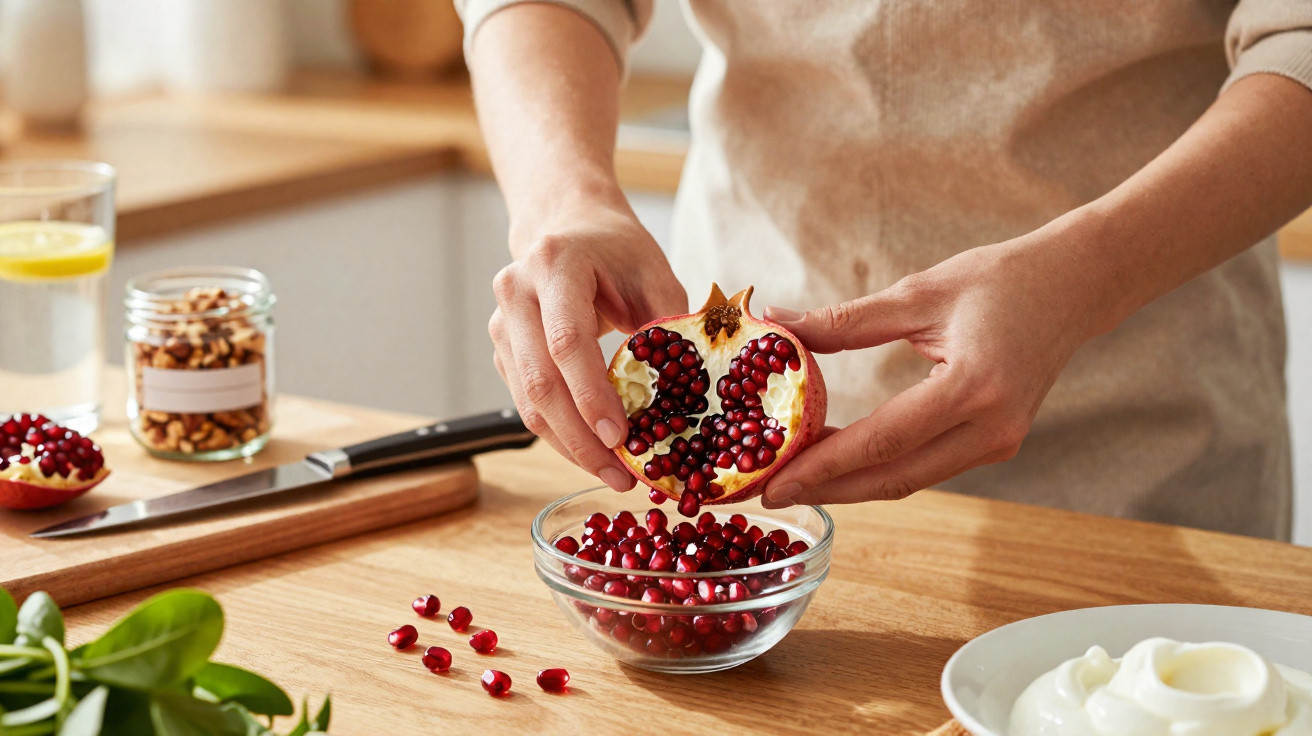
Pomegranate is commonly linked with Middle Eastern salads and premium juices, but it is now more widely available in European supermarkets and greengrocers. Beneath its firm red skin are hundreds of vivid seeds, known as arils, containing a powerful mix of plant compounds.
Researchers class pomegranate as highly antioxidant. Both its juice and seeds contain polyphenols, including a compound called ellagic acid, which is being investigated for its potential to protect the liver.
How pomegranate may help liver cells
Scientific studies, including work published in the journal Antioxidants, suggest several ways in which pomegranate could support the liver, especially in non-alcoholic fatty liver disease, often called “fatty liver”.
| Action | Effect on the liver |
|---|---|
| Neutralising free radicals | Limits oxidative damage to liver cells |
| Modulating cytokines | Helps calm chronic inflammation in liver tissue |
| Regulating fat metabolism | Can reduce fat accumulation inside liver cells |
By reducing oxidative stress and inflammation, pomegranate seems to provide more favourable conditions for liver cells to repair and regenerate. In some experimental models, this has resulted in a partial reversal of fatty liver changes.
Pomegranate does not replace medical treatment, yet it may offer an accessible, food-based ally against liver damage.
What is non-alcoholic fatty liver disease (NASH)?
Non-alcoholic fatty liver disease, sometimes described using the acronym NASH when inflammation and damage are also present, develops when fat accumulates in the liver of people who consume little or no alcohol.
Its main risk factors include:
- Excess body weight, particularly around the waist
- Type 2 diabetes or prediabetes
- Raised triglycerides or cholesterol
- A sedentary lifestyle and a diet high in highly processed foods
Over time, fat build-up may lead to inflammation, scarring and, in serious cases, cirrhosis. As the condition is often painless, many people discover it only through routine blood tests or scans.
In this setting, foods that aid fat metabolism and lower inflammation, including pomegranate, berries and citrus fruits, may form part of a wider lifestyle approach.
How to include pomegranate and liver-friendly fruits in your routine
Adding these fruits to everyday meals does not call for an extreme change of diet. Consistent, small habits are likely to bring the greatest benefits.
Easy ways to eat more pomegranate
- Scatter fresh seeds over porridge, yoghurt or muesli
- Add a handful to green salads with olive oil and nuts
- Stir the seeds through lentil or grain bowls for a sweet-sharp contrast
- Have a small glass of pure pomegranate juice occasionally, rather than treating it as a sugary drink
As pomegranate juice is concentrated, portion sizes are important for anyone monitoring blood sugar. Many experts favour the whole fruit because it also provides fibre.
Pairing liver-friendly fruits across the day
A manageable daily routine could be:
- Morning: a glass of water with a squeeze of lemon, alongside an apple
- Afternoon: a serving of mixed berries for a snack
- Evening: a salad or grain-based dish finished with pomegranate seeds
Together with reducing excess alcohol, ultra-processed foods and sugary drinks, this approach boosts fibre and antioxidant intake without imposing strict rules.
Benefits, limitations and some cautions
Using food to support liver health has several benefits. Fruit provides vitamins, minerals and fibre that benefit the gut, which can in turn reduce the strain placed on the liver. It is readily available in most supermarkets and markets, and works in many cooking styles, from Mediterranean dishes to Asian-inspired meals.
Nevertheless, fruit is not a cure-all. Anyone with advanced liver disease or diabetes, or anyone taking particular medicines, should consult a health professional before substantially increasing their intake of fruit juice, including pomegranate juice. Certain medicines can interact with concentrated fruit extracts, while sudden increases in sugar consumption may make blood glucose management more difficult.
It can be useful to view pomegranate and other red fruits as elements of a long-term maintenance plan. Consider a middle-aged person with a sedentary office job, mildly raised liver enzymes on a blood test, and a diet based heavily on ready-made meals. Gradually replacing a daily fizzy drink with water and citrus, choosing berries at breakfast instead of pastries, and adding pomegranate seeds to evening salads could slowly tip the balance in favour of their liver.
Words such as “antioxidants”, “polyphenols” and “ellagic acid” can seem theoretical, but they describe tangible processes in the body: fewer unstable molecules damaging cells, less intense inflammatory responses, and more efficient management of fat in the liver. Over months and years, these small biochemical effects may affect how resilient this quiet but essential organ remains.
















Comments
No comments yet. Be the first to comment!
Leave a Comment