
Vitamin D supplements may help safeguard the protective caps on our chromosomes that are involved in slowing ageing, raising the prospect that the sunshine vitamin could support better health for longer, according to a recent study.
Researchers found that a daily dose of 2,000 IU (international units, the standard measurement for vitamins) of vitamin D helped preserve telomeres - tiny structures comparable to the plastic tips on shoelaces, which shield our DNA from harm whenever cells divide.
Located at the ends of all 46 chromosomes, telomeres become shorter each time a cell replicates. Once they are too short, cells are unable to keep dividing and ultimately die.
Shortened telomeres have been associated with several of the diseases people most fear in later life, including cancer, heart disease and osteoarthritis. Smoking, long-term stress and depression all seem to accelerate telomere shortening, and inflammation in the body can cause further damage.
Beyond strong bones
Vitamin D is widely recognised as vital for healthy bones because it enables the body to absorb calcium. Children, teenagers, and those with darker skin or little exposure to sunlight particularly need sufficient levels to develop and retain strong bones.
Vitamin D also supports the immune system. One review of the evidence concluded that vitamin D supplements can reduce respiratory infections, particularly among people who are deficient.
Preliminary research has even indicated that it could help prevent autoimmune conditions such as rheumatoid arthritis, lupus and multiple sclerosis, although further trials are required.
As inflammation harms telomeres, vitamin D’s anti-inflammatory properties may account for its protective effect.
Vitamin D and telomere preservation
In the recent Augusta University study in the US, researchers tracked 1,031 participants, whose average age was 65, over five years. Their telomeres were measured at the beginning of the study, then after two years and again after four years. One half received 2,000 IU of vitamin D each day, while the remaining participants were given a placebo.
The findings indicated that telomeres in the vitamin D group were preserved by 140 base pairs compared with those in the placebo group. For perspective, earlier research has shown that telomeres naturally shorten by roughly 460 base pairs over 10 years, which suggests that vitamin D’s protective effect could be genuinely significant.
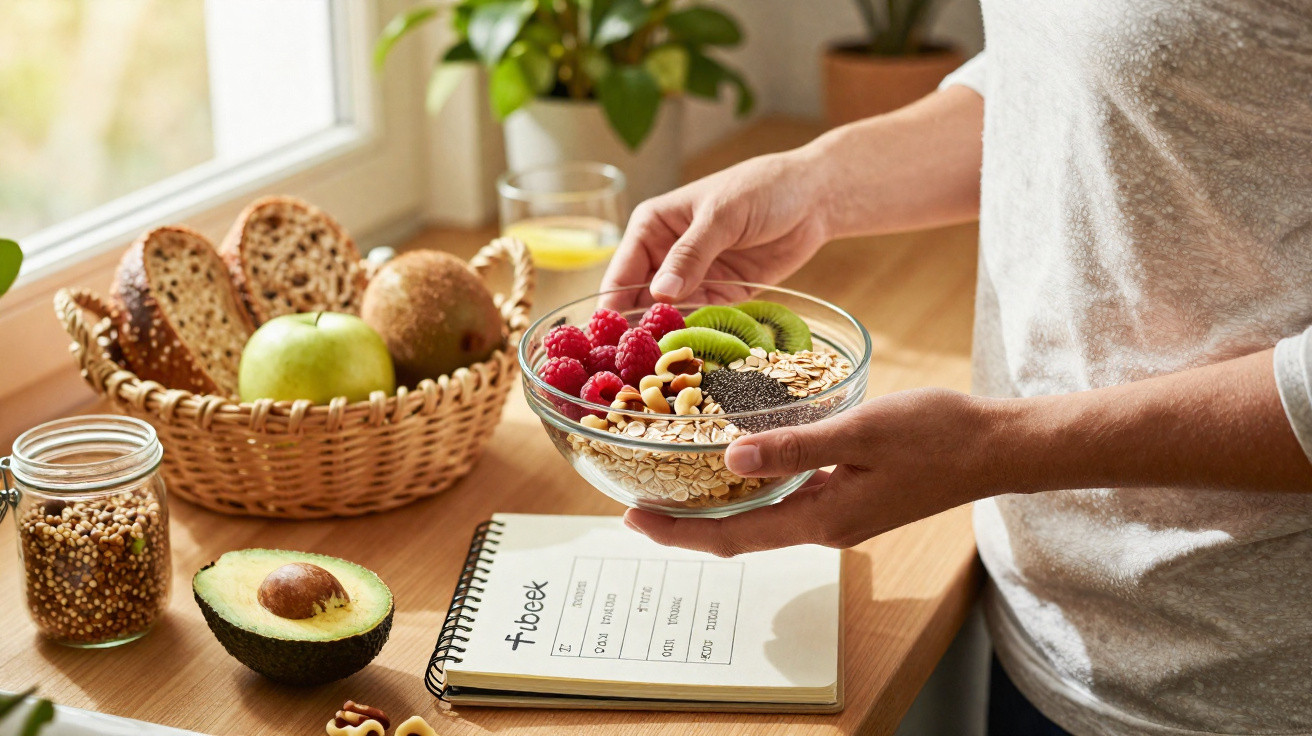
This is not the first encouraging result. Previous studies have identified comparable benefits, and the Mediterranean diet - which is high in anti-inflammatory nutrients - has likewise been associated with longer telomeres.
The catch
However, several important considerations remain. Some researchers caution that exceptionally long telomeres may in fact raise disease risk, implying that there is an ideal range that is not yet understood.
There is also no consensus on the appropriate dose. The Augusta researchers gave participants 2,000 IU a day - far above the current recommended intake of 600 IU for people under 70 and 800 IU for older adults. However, other research indicates that as little as 400 IU may help to prevent colds.
Experts say that the ideal dose is likely to vary according to personal factors, including existing vitamin D levels, overall diet and the way the vitamin interacts with other nutrients.
While the results are promising, it is too soon to begin taking high-dose vitamin D in the expectation of slowing ageing. The most robust evidence for healthy ageing still supports the fundamentals: eating a balanced diet, exercising regularly, getting good-quality sleep, not smoking and controlling stress. All of these habits naturally promote telomere health.
Nevertheless, supplements continue to be a sensible option, supported by decades of research, for people who are deficient in vitamin D or are at risk of poor bone health.
As scientists keep investigating the mysteries of ageing, vitamin D’s contribution to keeping our cellular clocks running may turn out to be only one part of a far larger puzzle.
Dervla Kelly, Associate Professor, Pharmacology, University of Limerick
This article is republished from The Conversation under a Creative Commons licence. Read the original article.















Comments
No comments yet. Be the first to comment!
Leave a Comment