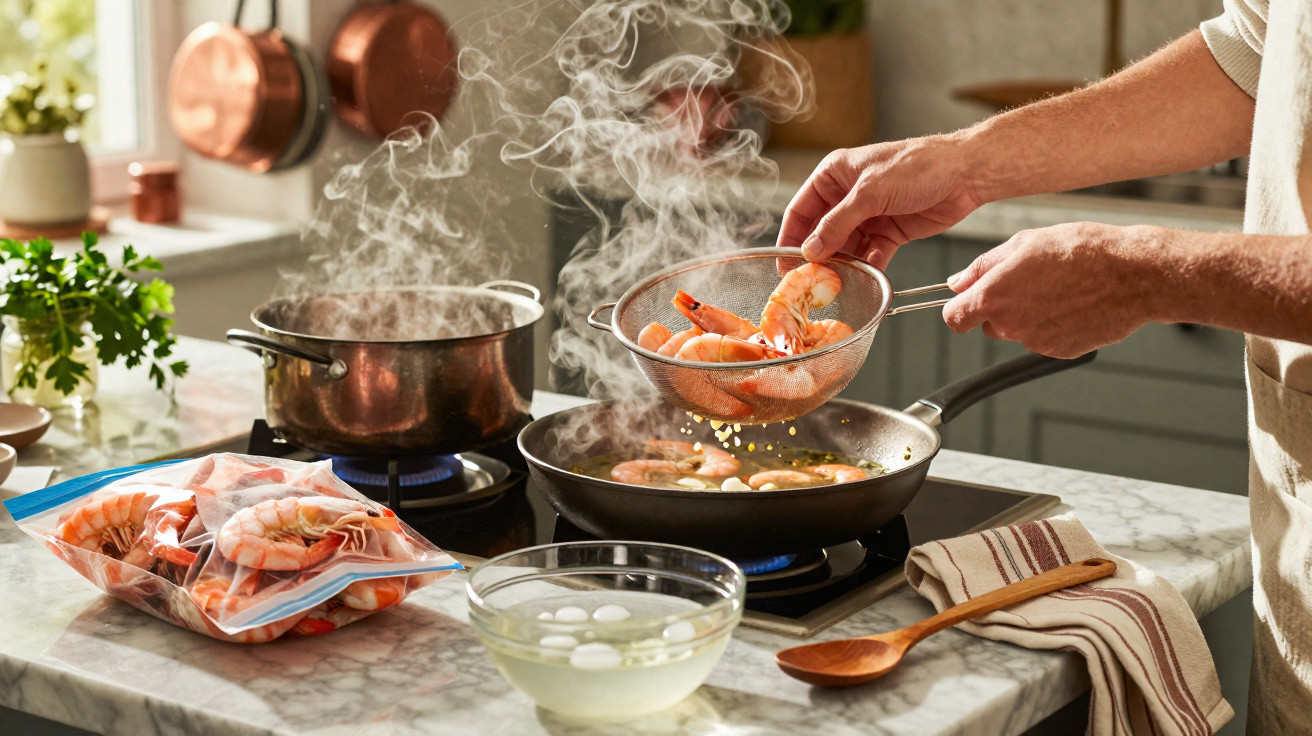
Unless you buy them directly from the boat, frozen shrimp are frequently a better choice than fresh. Like peas, which start losing their sweetness within hours of being picked, shrimp deteriorate rapidly-far faster than most fish and shellfish. To retain flavour and texture while supporting food safety, most shrimp are flash-frozen as soon as they are harvested.
“When [shrimp are] killed, their digestive enzymes release and start breaking down the meat in a process called autolysis,” says Mark Girdler, a fisher and shrimper with more than 60 years of experience in Anacortes, Washington. “Ice halts this process, so it’s crucial to keep them in ice as soon as they’re out of the water, or their meat can turn mushy.” Nearly every packet of “fresh” shrimp sold in shops is actually previously frozen shrimp that has been thawed, and it may have been frozen and thawed several times.
Fortunately, frozen shrimp defrost rapidly, making them suitable both for special occasions and speedy weekday suppers. Here is how to thaw and cook frozen shrimp for quick shrimp dinners.
How to thaw frozen shrimp
Whether the shrimp are peeled or unpeeled, the key is to keep them cold. This limits bacterial growth and helps prevent them becoming soggy, mushy and waterlogged.
For the best results, defrost frozen shrimp in the refrigerator for at least 12 hours and no more than 24 hours, keeping them in a sealed container such as the bag in which they were purchased. Once completely thawed, cook the shrimp within 24 hours for the best quality.
Alternatively, put them in a bowl of cold tap water. If you wish, gently swish the shrimp and replace the water a couple of times. They should thaw in 20 minutes. Do not leave them soaking for longer than an hour, as this can affect their texture. Avoid warm water too, since it can cause uneven defrosting.
How to cook frozen shrimp
The foremost rule when cooking shrimp is to expect that they can be overcooked, so it is better to leave them slightly underdone. Even when they are cooked precisely, residual heat will often take them past the ideal point between leaving the pan and reaching the table. Once your shrimp are thawed, continue with your shrimp recipe or use one of the methods below.
Pro tip
For extra flavour and a springy “pop,” coat every 450 g of shrimp with 1 teaspoon of kosher salt and 1/4 teaspoon of bicarbonate of soda, then refrigerate for 15 to 30 minutes. Rinse the shrimp thoroughly and pat them dry before cooking. This technique is suitable for both shelled and unshelled shrimp.
How to poach shrimp
Bring the poaching liquid to the boil in a pan over high heat; if using only water, season it generously with salt. When it reaches the boil, take the pan off the heat. Once the bubbling has settled, add the shrimp and cover the pan. This method cooks them through while reducing the risk of uneven cooking or overcooking.
Follow the timing guide below for shrimp of varying sizes in simmering liquid. The timings apply to peeled shrimp; for unpeeled shrimp, allow 1 additional minute before checking whether they are done.
Even if their centres still appear slightly translucent, the retained heat should finish the job. As before, favour undercooking, then plunge boiled shrimp into an ice bath to halt the cooking process.
How to sauté shrimp
For sautéed or stir-fried shrimp, arrange them in one layer so that as much of each shrimp as possible is in contact with the pan. Warm oil or butter in a frying pan over medium heat. Cook for 2 to 4 minutes, according to size, turning once, until the shrimp are firm and pink on both sides. If you are including other components, such as vegetables and a sauce, move the shrimp to a bowl while they are just slightly undercooked. Return them to the pan to warm through immediately before serving.
How to add shrimp to soup
When adding shrimp to a stew, soup or another sauce-based dish, put them in just before serving because residual heat can overcook them very quickly. Ideally, the liquid should be simmering rather than boiling when you add them: small and medium shrimp cook in boiling liquid in under 60 seconds.









Comments
No comments yet. Be the first to comment!
Leave a Comment