
Celery often appears merely as a cocktail garnish or an ingredient in soup. Yet these crisp stalks offer far more than that. Anyone aiming to lose weight should take a closer look at this vegetable: it contains very few calories while supplying valuable minerals and fibre that can help you feel full for longer.
Why celery is an ideal vegetable for dieting
Celery is among the vegetables with an exceptionally low energy density. In other words, it provides plenty of volume and water but very few calories. This is precisely what people need when they want to lose weight without feeling hungry all the time.
Celery provides an average of only around 15 calories per 100 grams – while also supplying potassium, vitamin K and plenty of water.
Its high water content can contribute to meeting the body’s fluid needs. Eating celery regularly may therefore support not only weight management, but also metabolism and kidney function. The vegetable has a mildly diuretic effect and may reduce water retention to some extent.
Fibre: a small amount with a big effect
Although celery does not contain as much fibre as porridge oats or wholemeal bread, the fibre it does provide makes a worthwhile contribution to everyday dieting. It swells in the digestive tract, helping the stomach feel fuller.
As a result, the feeling of fullness lasts longer and cravings occur less often. Many people graze when they are stressed. Choosing a bowl of chopped celery instead can quickly save a few hundred calories a day compared with crisps or chocolate.
How celery specifically supports weight loss
Celery will not make the pounds disappear by itself. However, it can act as a useful lever for adjusting small everyday habits – and these seemingly minor changes add up over weeks and months.
- Low-calorie snack: Munch on celery sticks rather than reaching for a chocolate bar.
- Adds volume: Bulk out soups, stir-fries and stews with celery – more food, with the same number or fewer calories.
- Encourages drinking: Celery smoothies or juices can help you reach your daily fluid intake.
- A crisp alternative: Use celery instead of white bread as a vehicle for dips or hummus.
Saving a few calories across several meals in this way, without feeling deprived of enjoyment, creates a lasting negative energy balance – the crucial factor in weight loss.
The myth of “negative calories”
The claim that celery has so-called negative calories repeatedly circulates online. The idea is that the body supposedly uses more energy digesting the vegetable than celery provides.
Attractive as this may sound, it is not true in that form. Digestion does require energy, but celery remains an extremely low-calorie food rather than a food that “destroys calories”. For practical dieting, that is more than enough: regularly choosing foods like this makes it considerably easier to achieve a calorie deficit.
Buying, storing and preparing celery properly
For celery to deliver its full potential as a dieting aid, both quality and kitchen handling matter.
| Aspect | What to look for |
|---|---|
| Buying | Firm, juicy stalks with vivid green leaves; no pale patches or rubbery texture |
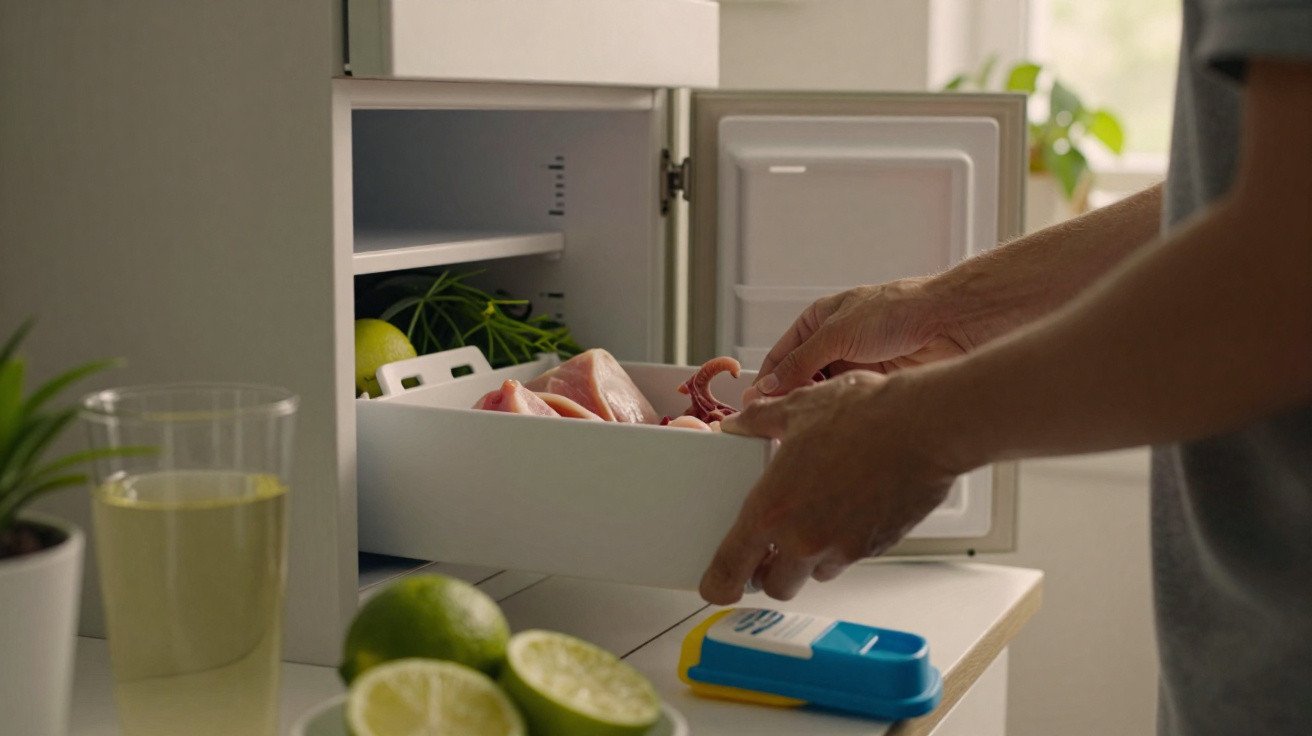
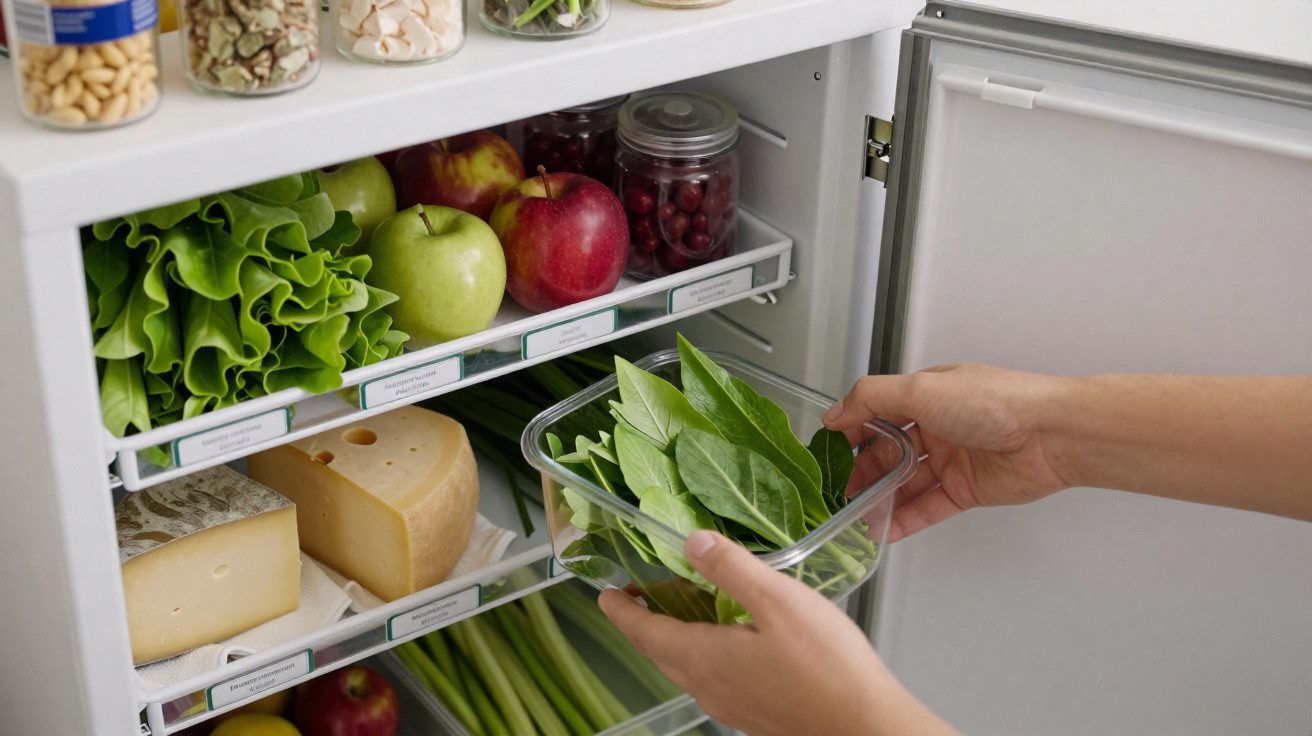
| Storage | Wrap in a damp kitchen towel and keep in the refrigerator’s vegetable drawer |
| Shelf life | Celery stalks usually keep for 7–10 days; celeriac often lasts longer if uncut |
| Preparation | Trim the ends, remove the strings with a knife and wash thoroughly |
If you are sensitive to bitter flavours, peel the outer fibres more thoroughly. This creates a milder taste and makes the vegetable easier to eat raw.
Ideas: easy ways to include celery in everyday life
Many people associate celery only with soup vegetables. That means missing plenty of opportunities to save calories in daily life. A few simple recipe ideas can put this vegetable on the plate much more often.
Celery as a snack
Celery makes a straightforward snack for the office or long car journeys. The stalks are easy to prepare, stay crisp and do not leave your fingers sticky.
- Cut the stalks into pieces about 10 centimetres long.
- Pack them in a small container, optionally with a yoghurt- or hummus-based dip.
- If your appetite is particularly strong, eat celery first before choosing other snack options.
After a few days, many people notice that their cravings ease simply because they have already filled up.
In a smoothie or juice
Anyone who dislikes its distinctive flavour can pair celery with sweeter ingredients. Popular combinations include apple, cucumber, lemon and a little ginger. This softens the strong taste while retaining the benefits for calorie balance.
Important: juices provide less fibre than a blended smoothie. Smoothies are usually the better choice if you want to stay full for longer.
Savoury dishes with celery
Celery comes into its own in soups, curries and oven-baked dishes: it adds volume and crunch without overloading the calorie count. Replacing some of the pasta or rice in a dish with vegetables such as celery, courgette and peppers considerably reduces the meal’s overall energy content.
A practical example: use only 60 grams of pasta instead of 100 grams, then add plenty of celery and other vegetables. The plate still looks full, the feeling of fullness remains similarly strong, but the calorie total is noticeably lower.
Health considerations – who should avoid celery
While celery can be beneficial for many people, some groups need to take care. Some people have an allergy to it, often linked with an allergy to mugwort or certain pollens. In such cases, raw celery can cause discomfort in the mouth or even more severe reactions.
People with kidney disease or certain metabolic disorders should speak to their treating doctor before adding large amounts of celery to their diet. The vegetable contains relevant quantities of potassium – a benefit for healthy people, but a potential burden for some patients.
How celery works alongside other measures
Successful dieting never depends on one product alone. Celery delivers its full potential when you also adjust other factors: more physical activity, sufficient sleep and a broadly balanced eating pattern.
Combined with protein-rich foods such as low-fat quark, pulses or chicken, it creates a particularly filling meal. Protein curbs the appetite, while vegetables provide volume and vitamins. This makes it easier to avoid high-calorie convenience foods.
Anyone who considers terms such as “energy density” and “calorie deficit” will quickly understand why water-rich vegetables are so useful for weight loss. Energy density describes how many calories a particular quantity of food contains. Celery sits at the lower end of this scale. The more frequently foods of this kind appear in your diet, the less difficult the route to your target weight can feel.
In daily life, this means not completely overhauling every meal, but swapping out small components. Bread, cheese and cold cuts can remain, but one third of the plate should regularly be celery and other vegetables. Over the long term, this creates an eating pattern that is easier to maintain than any radical crash diet.











Comments
No comments yet. Be the first to comment!
Leave a Comment