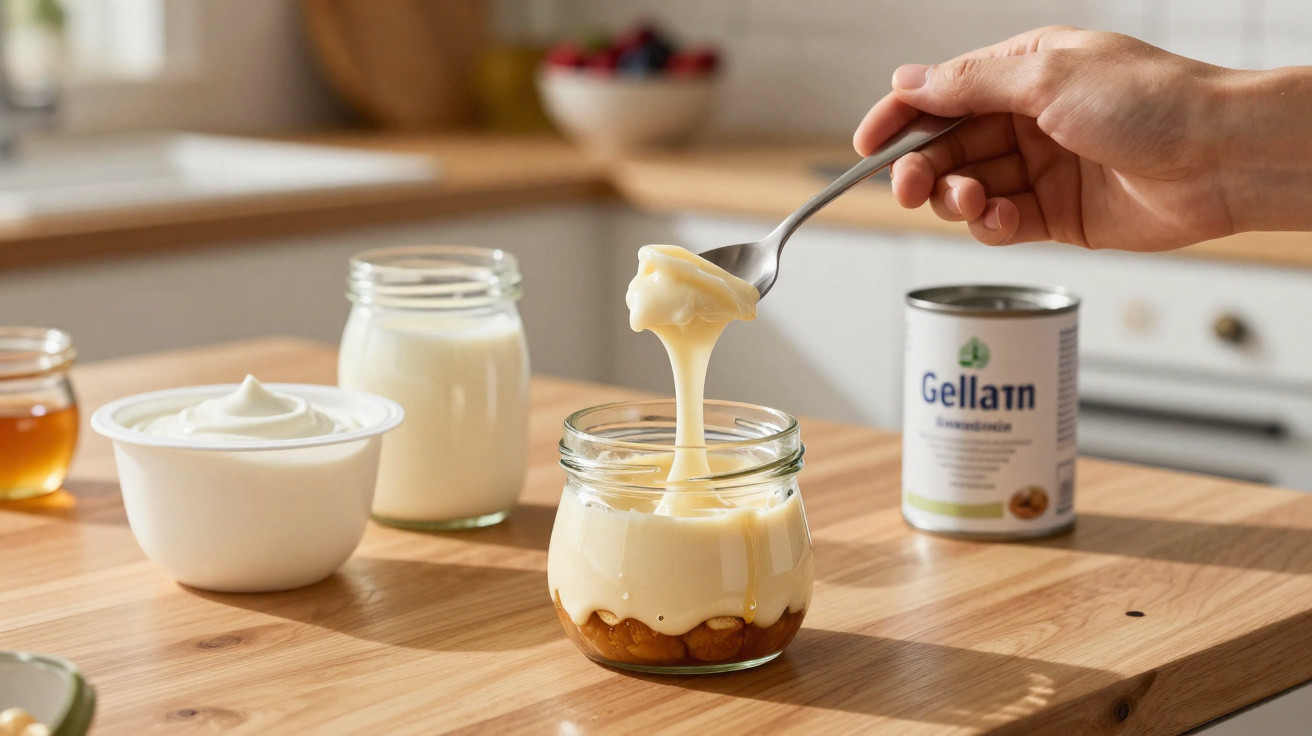
When a pudding tastes homemade yet demands next to no effort, even the busiest weeknight can feel a little more appealing.
This exceptionally easy cheesecake-style dessert has taken off online for a simple reason: it can be made in minutes, without an oven, mixing bowls or much washing-up, while still delivering the creamy, biscuit-filled comfort associated with a traditional cheesecake.
From viral shortcut to proper dessert
A conventional cheesecake calls for soft cheese, eggs, sugar, a biscuit base, and either careful baking or extended chilling. It is ideal when time is on your side, but less appealing when you simply want something sweet after supper without organising your whole day around it.
Social-media creators have been sharing a pared-back alternative that replaces technique with time. There is no baking, water bath or crust to pack into a tin: simply assemble it, chill it and eat it.
Two ingredients, a couple of minutes of work and a long rest in the fridge: that’s the entire method.
The finished dessert does not claim to replicate a New York cheesecake exactly. Rather, it takes the principle of a creamy, gently tangy filling alongside soft, spiced biscuits and turns it into something you can prepare while pasta is boiling and the table is being cleared.
The two-ingredient “cheesecake” formula
What you need
This basic recipe uses familiar supermarket ingredients:
- One pot of thick, firm Greek yoghurt
- A few plain or spiced dry biscuits, such as speculoos or simple butter biscuits
Full-fat Greek yoghurt is essential here. Its greater fat content and strained consistency allow it to set more firmly in the fridge, giving it a richness closer to cream cheese. Low-fat or loose yoghurt is more likely to separate and will not keep its shape as effectively.
For the biscuits, any dry, crisp variety will do. Speculoos add caramelised sweetness and spice, whereas plain butter biscuits create a gentler flavour more reminiscent of a classic digestive base.
How the “no-recipe” recipe works
The process is about as brief as it gets:
- Open the pot of Greek yoghurt.
- Stand the biscuits upright in the yoghurt, using them like edible dividers.
- Press them lightly so that they are fully touching the yoghurt.
- Cover the pot and refrigerate it for several hours, preferably overnight.
As it rests, the cold makes the yoghurt even thicker, while the biscuits gradually absorb moisture and soften. Both textures shift towards one another: the yoghurt becomes more custard-like, and the biscuits turn into a soft “base” that gives easily beneath a spoon.
Leave the fridge to do the work: the longer you chill, the closer the result feels to an actual cheesecake.
After chilling, eat it directly from the pot or loosen the edges with a knife and carefully turn it out onto a plate. Once softened, the biscuits give the yoghurt sufficient structure to create spoon-sized servings.
Why this two-ingredient cheesecake shortcut feels so close to cheesecake
Much of cheesecake’s attraction lies in its contrast between dense, tangy cream and sweet, buttery crumbs. This two-ingredient version achieves a similar contrast with considerably less work.
Greek yoghurt supplies the creaminess and acidity, while dry biscuits add sweetness, fat and flavour. Over time, the biscuits act almost like a ready-made crust running through the pot, rather than forming one layer at the bottom.
| Cheesecake element | Classic version | Two-ingredient hack |
|---|---|---|
| Creamy layer | Cream cheese, sugar, eggs or cream | Full-fat Greek yoghurt |
| Crunchy base | Crushed biscuits + butter | Whole dry biscuits softened in yoghurt |
| Setting method | Baking or long chill with gelatine | Several hours in the fridge |
Cheesecake purists will spot the differences: this variation is lighter, less sweet and has a more pronounced yoghurt flavour. Still, for a five-minute dessert, it is similar enough to satisfy most late-night sweet cravings.
Customising your express cheesecake
Small changes with a big effect
Since the starting point is so simple, even small additions make a noticeable difference. You can tailor the pot to your mood without turning it into an elaborate task.
- Sift unsweetened cocoa powder over the top for a tiramisu-like finish.
- Spoon in jam or berry compote before chilling to create a “fruit swirl” effect.
- Add a little honey or maple syrup just before serving if you like a sweeter pudding.
- Scatter over crushed nuts for crunch that remains after refrigeration.
These additions can go on top of or around the yoghurt, meaning there is still no need for mixing bowls or measuring jugs. The entire dessert is assembled in its original pot.
Portions, chilling time and storage
A standard pot of yoghurt will generally provide one generous serving or a light dessert for two, particularly with fruit served alongside. If guests are expected, prepare multiple pots at the same time and place them in a row in the fridge.
Its consistency improves as it sits, for up to roughly 24 hours. Beyond that point, the biscuits can become extremely soft and the yoghurt may begin to release a small amount of whey, although it is still edible. If necessary, a quick stir will bring it back together.
When this cheesecake hack is especially useful
Away from the online hype, this approach works in many everyday circumstances. It is useful if the kitchen is chaotic, equipment is limited, or you are somewhere with nothing more than a mini-fridge and a spoon.
It also gives parents a safe way to include children in making dessert. There is no heat, sharp knife or complex method involved. Children can select their own biscuits and toppings before enjoying the feeling of having “made” something themselves.
This is less a recipe and more a smart assembly trick that lowers the barrier to homemade dessert.
The ingredients are inexpensive and easy to find, too. Replacing richer, high-sugar puddings with this yoghurt-based option may modestly reduce the overall calorie load, especially when extra toppings are used sparingly.
What to consider with yoghurt-based desserts
Greek yoghurt has a naturally tangy taste, which some people enjoy while others may find it overly sharp. For a softer flavour, stir in a teaspoon of sugar or honey before adding the biscuits. This small change reduces the acidity without making it a sugar bomb.
Lactose may be relevant for anyone who is sensitive to it. Strained Greek yoghurt usually contains less lactose than ordinary yoghurt, though it is not lactose-free. Lactose-free versions are becoming available in more supermarkets and can generally be substituted with little effect on texture.
In food-safety terms, handle this as you would any dairy-based dessert. Store it below 5°C, do not leave it out on the worktop for extended periods, and try to eat it within a day or two of making it.
Ways to take it one step further
This speedy technique can provide a foundation for more ambitious versions as well. For a brunch spread, layer yoghurt, crushed biscuits and fruit in glasses to make a “lazy cheesecake parfait” that appears more elaborate than it really is.
Alternatively, use the basic pot as a foundation, then add contrast just before serving with fresh ingredients: tart berries, citrus slices or even roasted fruit. The creamy, sweet biscuit mixture works well with acidity and a touch of bitterness, balancing a dessert that could otherwise seem heavy.
Consider this two-ingredient cheesecake not as a substitute for a properly baked one, but as a smart middle ground between an ordinary pot of yoghurt and a full dessert-making project. It demonstrates how patience and a fridge can turn very everyday ingredients into something that feels, if only briefly, a little special.
















Comments
No comments yet. Be the first to comment!
Leave a Comment