“The chef recommends.” A couple seated nearby trade a brief glance, intrigued yet pleased to have been trusted with the inside tip. Within ten minutes, garlic, bubbling butter and a dark, earthy fragrance fill the room, making even the plainest salad seem rather disappointing.
From New York kitchens to London dining rooms, this rustic Italian mushroom preparation has become a route to “chef-level flavor” at home. It is adored on social media and fetishised by food television. Nutritionists, though, are beginning to feel uneasy. Between the frying pan and the plate, mushrooms’ healthy halo may be melting away.
The question is straightforward, if slightly awkward.
Why chefs swear by trifolati mushrooms – and nutritionists roll their eyes
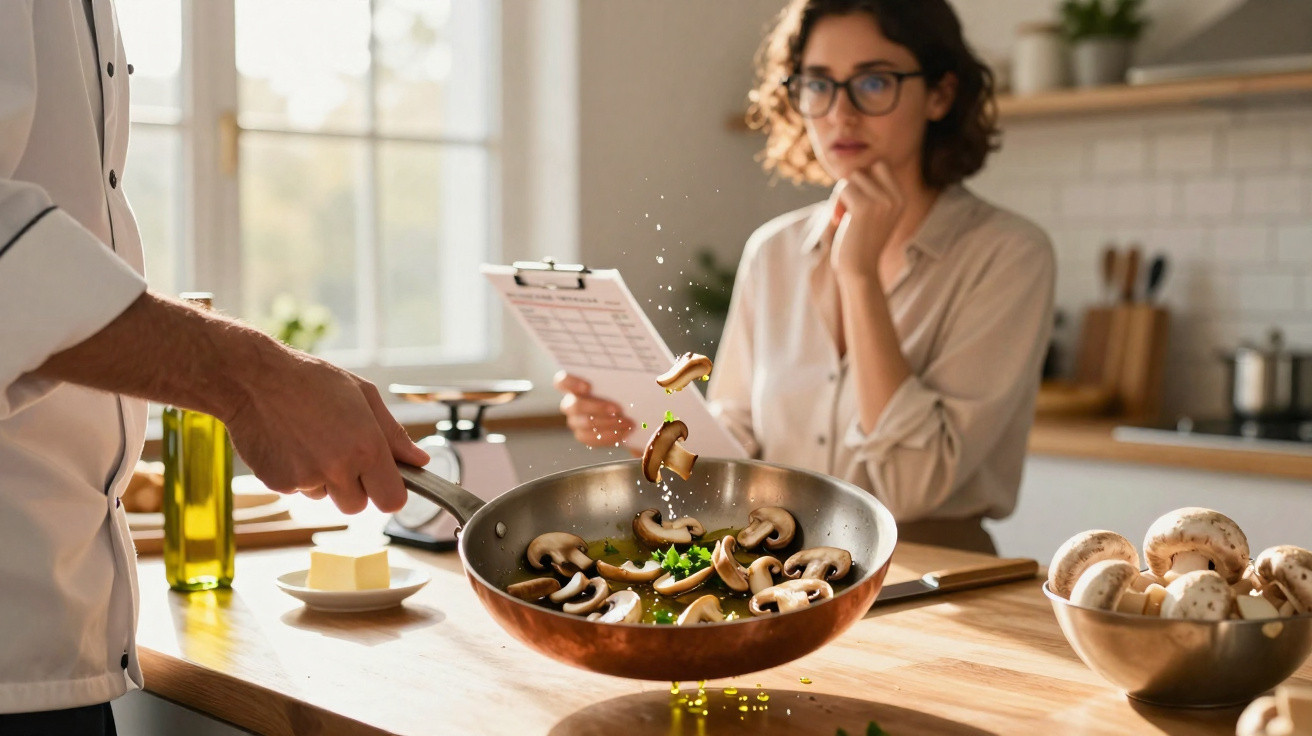
Watching a chef prepare trifolati mushrooms for the first time can seem almost absurdly simple. There is a hot pan, a generous pour of olive oil, sometimes butter, a crushed garlic clove and parsley scattered over at the finish. The sliced mushrooms meet the heat, hiss and shrink, absorbing every flavour like dry sponges.
The kitchen takes on a rich woodland aroma, tempered by sweet toasted garlic. It is the sort of scent that can make you question your claim that you are “I’m not really hungry”. Served alongside grilled steak, piled onto bruschetta, stirred through pasta or spooned over eggs, trifolati mushrooms work as a flavour enhancer. They make the rest of the dish seem more luxurious.
On TikTok and Instagram, “trifolati” appears alongside other “cheffy secrets”. A London private chef told me he serves trifolati mushrooms at no fewer than three events every week, “because people think it tastes like a restaurant”. At a fashionable Brooklyn brunch venue, a server confessed that its “wild mushroom toast” topping follows essentially the same recipe, only finished with microgreens and a lyrical menu description.
European survey figures on mushroom consumption show a consistent increase over the past decade, particularly among flexitarians and those seeking to eat less meat. Much of this growth is driven by recipes that sear mushrooms in the manner of steak before saturating them with fat to create a fuller mouthfeel. It is effective, but it also subtly changes their nutritional make-up.
Mushrooms are naturally low in calories while providing fibre, B vitamins and umami compounds. Prepared trifolati-style, however, they are no longer simply mushrooms. They come with the absorbed oil, added salt, wine reduction that some chefs quietly include, and butter added “to finish”. This is where nutritionists raise small red flags: not panic, merely concern.
What really happens in the pan: from nutrient hero to calorie trap
The simple secret chefs rarely state outright is that mushrooms absorb fat much as a kitchen sponge takes up washing-up water. In their raw state, 100 grams of mushrooms contain roughly 20 calories. Slice and sauté that amount trifolati-style with several generous spoonfuls of oil, and the serving can readily reach 120–150 calories. There is nothing sinister about it; it is simply physics.
As mushrooms heat up, their surface structure opens, releasing water and leaving space for droplets of fat. The appealing glossy coating on restaurant mushrooms certainly means flavour, but it also represents concentrated energy. For anyone managing their weight, a supposedly “light veggie side” can therefore become the plate’s most calorific item apart from dessert.
Nutritionists also highlight what cooking removes. Prolonged high-temperature cooking may reduce certain heat-sensitive B vitamins. Garlic and herbs contribute antioxidants, which is positive, yet the overall balance moves towards salt and fat. A modest spoonful causes no concern. Make a heap of trifolati mushrooms the centrepiece of a “healthy bowl” every evening, though, and the totals quietly accumulate.
A registered dietitian in Milan told me she regularly sees the same pattern among clients fond of restaurant-style mushrooms. They honestly believe that piling them high is the “good” choice compared with sausages or bacon. Then she does the calculations. One homemade portion can easily contain 3–4 tablespoons of oil, especially when the cook repeatedly adds more as the mushrooms absorb it.
Salt is another consideration. Because glutamates give mushrooms an inherently savoury flavour, heavily salting them on top creates a delicious but sodium-heavy dish. That is significant for people with high blood pressure. Trifolati mushrooms are not “bad”; the problem is that they are frequently regarded as guilt-free vegetables despite behaving nutritionally more like an indulgent side dish.
How to keep the flavour, lose (most of) the nutritional downside
Loving trifolati mushrooms does not require a complete break-up. It simply calls for a different pan routine. Begin with a very hot, dry frying pan and put in the mushrooms before any fat. Allow them to release their liquid and reduce in size, stirring until they begin browning unaided. Add a smaller quantity of olive oil only afterwards, together with garlic and herbs.
That adjustment changes the method entirely. Less oil is needed because the mushrooms have already shed much of their moisture. Browning supplies flavour rather than simple fat absorption. A brief splash of white wine or vegetable stock can create restaurant-style juices without additional oil. Add parsley away from the heat so it remains vivid and green rather than becoming dark and bitter.
Problems commonly arise when mushrooms are cooked as though they were onions: over low heat, crowded into a pan and gently sweated. They then stew in oil rather than sear. If the pan is too small, they steam in their own juices before sitting in a pool of oil that keeps being topped up “because nothing’s browning”. The flavour becomes dull, prompting more butter and salt. It is a vicious circle.
On a hectic weekday evening, no one weighs oil or counts individual mushroom slices. Let’s be honest: nobody really does that every day. A practical approach is to establish one or two firm personal rules. For instance, use no more than two tablespoons of oil for the entire pan, and do not let mushrooms occupy more than two-thirds of the plate. That is not perfection; it is sensible damage control that remains enjoyable.
Nutrition scientist Dr. Lara Rossi put it plainly during a consultation I observed:
“The problem isn’t that trifolati mushrooms exist. The problem is when people eat them like salad but dress them like fondue.”
The patient remembered that remark. Her expression showed clear relief: she did not need to give up her preferred side dish, only rethink it. That is the emotional core of the discussion. After a difficult day, a hot pan of garlicky mushrooms can feel comforting. We all recognise the occasion when we tell ourselves we are “just having vegetables” while overlooking the butter pooling around the food.
- Choose a larger pan than seems necessary, ensuring mushrooms sear rather than stew.
- Cook them largely dry at first, then finish with a restrained amount of oil.
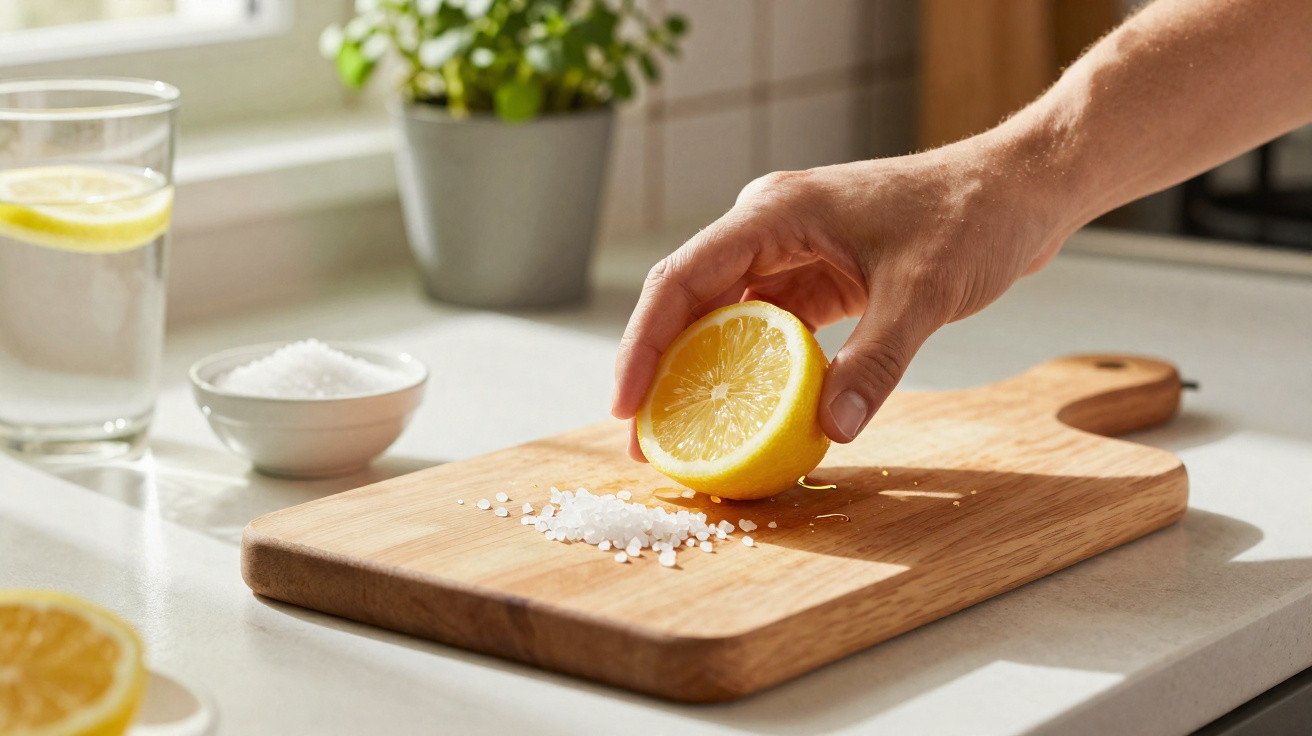
- Use herbs and acidity, such as lemon, vinegar or wine, to provide part of the flavour instead of relying solely on salt and fat.
The quiet line between comfort food and health myth
Trifolati mushrooms occupy an intriguing divide in food culture. On one side lies the image: rustic, Italian, plant-based and earthy, almost automatically associated with a “healthy Mediterranean diet”. On the other is the reality: a rich, salty and occasionally buttery dish, served with bread, pasta or meat and enjoyed as a treat posing as a vegetable.
This happens with many foods. Granola can contain sugar like biscuits. Smoothies may deliver more calories than lunch. “Protein bars” can be constructed much like confectionery. Trifolati mushrooms are simply the savoury, adult version of that familiar pattern. They demonstrate that health halos often come from atmosphere and language rather than the real figures.
The solution is not shame, but clarity. When you describe them accurately-as a delicious, mildly indulgent side dish-you can enjoy them without deceiving yourself. You may opt for a smaller portion, leave off the extra cheese or serve them with a crisp, lightly dressed salad rather than another buttery carbohydrate. Minor changes can make a substantial difference over a year.
Ask a chef about trifolati mushrooms and they will celebrate them as a secret weapon for umami and depth. Ask a nutritionist and they will agree, before quietly asking what else is on the plate and how frequently they are eaten. Between those two perspectives, most people are simply trying to eat well without feeling deprived.
Perhaps that is the real lesson concealed in the frying pan: neither a villainous recipe nor a miracle vegetable, but a mirror. It reminds us that the gap between a “chef’s secret” and a “nutritionist’s warning” may be only one tablespoon of oil-or three. The most influential ingredient may still be the one we seldom measure: the story we tell ourselves as the mushrooms sizzle.
| Key point | Details | Why it matters to readers |
|---|---|---|
| How much oil they really absorb | 200 g of sliced mushrooms sautéed in 3 tbsp of oil can absorb most of that fat, transforming a 40-calorie vegetable base into a 250–300 calorie side. | It explains why a “light veggie topping” can quietly undermine weight-loss or weight-maintenance efforts when eaten several times each week. |
| Smarter cooking method | Dry-sear mushrooms over high heat until they release water and begin to brown, then add 1–2 tbsp olive oil, garlic and herbs for a short finish. | This reduces fat by approximately a third to a half while retaining the deep, toasted flavour that makes trifolati so tempting in restaurants. |
| Portion and pairing strategy | Limit trifolati mushrooms to roughly 1/4–1/3 of the plate, surrounding them with raw or lightly dressed vegetables and lean protein. | It allows the “chef’s secret” to stay on the menu while restoring balance to the meal so it genuinely supports long-term health goals. |







Comments
No comments yet. Be the first to comment!
Leave a Comment