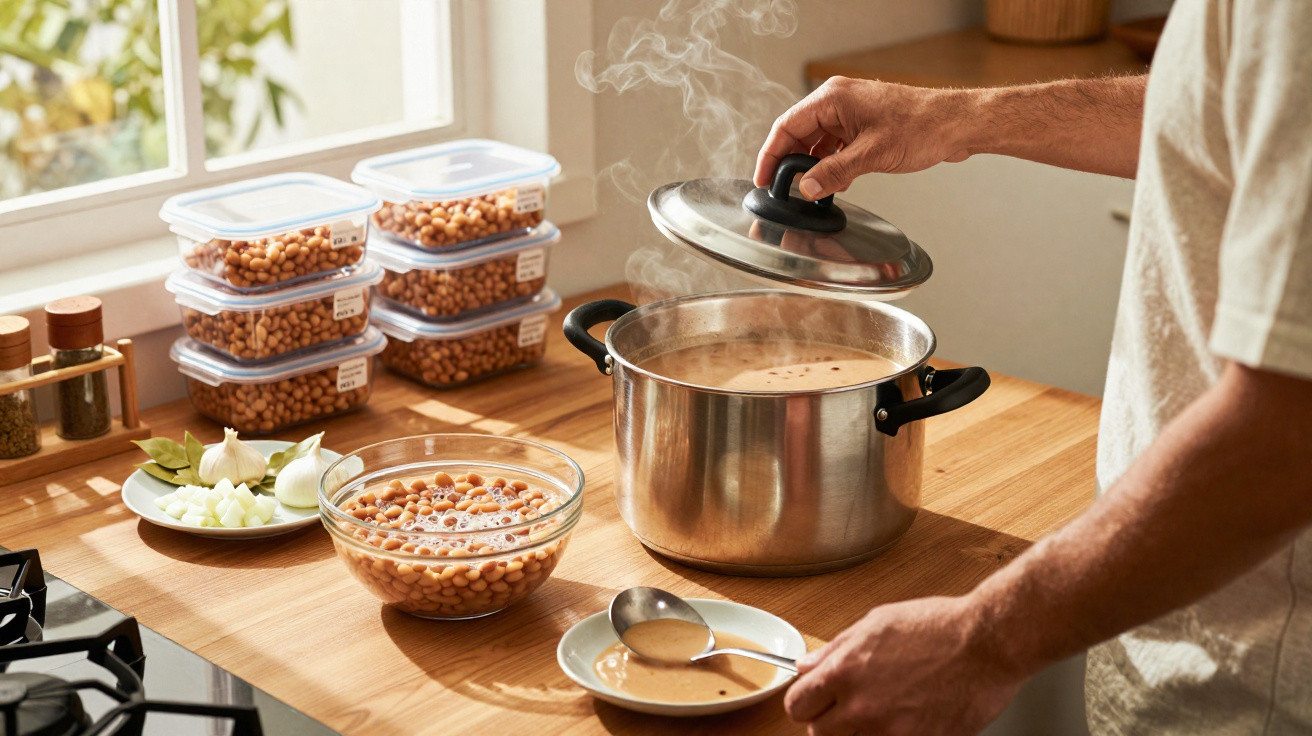
The unmistakable aroma of excellent fresh beans can turn any home-cooked meal into a truly special occasion. Making this wonderful food calls for technique and care, ensuring beans that are exceptionally tender and a deeply flavoursome broth every day.
Why does the key to preparation happen before cooking?
Many people overlook the essential soaking stage, assuming the pan will solve everything quickly enough. This straightforward process removes unwanted toxins that can cause considerable abdominal discomfort and significantly improves digestion, leaving the beans thoroughly ready to cook.
Experienced cook Rita Lobo advises keeping the beans submerged in plenty of water and changing the water at least once during this time. This step is the real turning point for achieving excellent tenderness, as the reasons below show:
- Efficient Timing: It dramatically shortens the cooking time in the pan.
- Perfect Hydration: It makes the beans plump and evenly sized in appearance.
- Easier Digestion: It removes heavy compounds that cause gas and discomfort.
How can you streamline weekly preparation with the right kitchen equipment?
Using a traditional pressure cooker is a smart approach for anyone with a consistently busy routine. It allows you to cook delicious food in just a third of the usual time, saving gas while retaining many vital nutrients.
Cooking a generous batch in one go also makes planning for the entire week far easier. Below, you can find a wonderful practical method that explains the process clearly, with excellent exclusive tips available on the ever-popular Receitas YouTube channel:
What is the exact technique for thickening the hot liquid?
The main secret to a deliciously thick cream lies in mashing a few ladles of fully cooked beans. The tasty mixture formed at the bottom of the pan acts as a powerful thickener, blending the irresistible warm flavours into the finished dish.
Panelinha Master Tip
Flavour Built in Stages
The site consistently recommends keeping seasoning separate from the initial cooking process, giving you unrivalled control over the taste of the finished meal.
Gently frying the onion and garlic clove over a low heat prevents a harsh bitterness and brings out an irresistible subtle sweetness.
It is especially important to allow the mixture to simmer slowly after adding your chosen aromatic seasoning. To ensure the liquid reaches the most appealing and appetising texture possible, try these useful kitchen techniques:
- Lightly mash the beans with the back of a large, sturdy spoon.
- Keep the casserole partially uncovered while it simmers to reduce excess moisture.
- Stir the base regularly to prevent any crust from catching or sticking too much.
Which basic ingredients create the distinctive flavour of traditional recipes?
A flavoursome homemade sauté requires care when browning the onion and fragrant garlic to the right point. The well-known Panelinha platform suggests using simple ingredients and avoiding excessive additions that might overpower the delicate taste of the main star of this nutritious meal.
Good olive oil, a bay leaf and a pinch of salt create a rich, wonderfully robust base. Adding a few extra elements can greatly enhance this comforting experience, and we have arranged some well-matched practical suggestions for your kitchen:
- Fresh bay leaves added to the initial water to deeply perfume the beans.
- Thin garlic cloves slowly browned in hot olive oil to release a sweet flavour.
- Freshly ground black pepper for a gently spicy contrast at the end.
How should you store portions to preserve their original freshness?
Smart freezing is a genuine lifesaver for keeping your eating routine organised and delicious. Dividing the excellent hot food into well-sealed containers ensures you always have a quick, nutritious accompaniment ready to warm on the hob each day.
The crucial tip is to store the tasty pulse only in its light cooking water, without the final seasonings. When you choose to defrost a portion, make a fresh sauté, ensuring the authentic flavour of this wonderful dish is perfectly retained.










Comments
No comments yet. Be the first to comment!
Leave a Comment